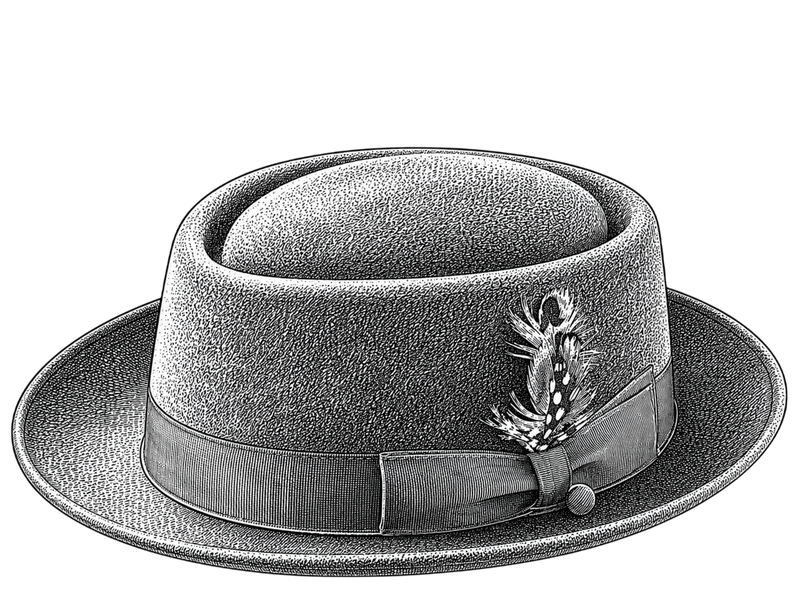
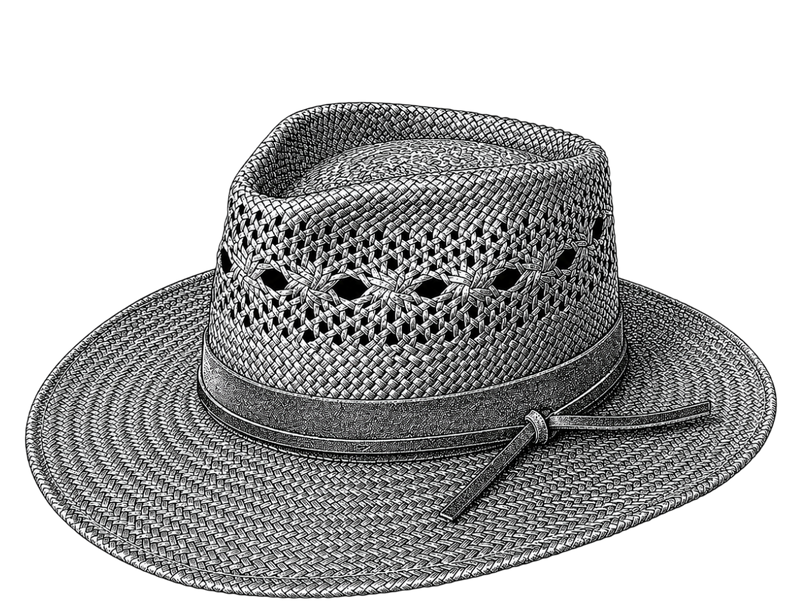
The combination of a hat and a suit is one of the most historically loaded pairings in men's dress. For most of the 20th century, a suit without a hat was considered incomplete; now a suit with a hat is considered exceptional. This reversal happened within living memory and leaves a genuine ambiguity: the hat-and-suit combination is simultaneously traditional and unconventional, because the tradition stopped being practiced while still being remembered. Navigating it requires understanding which formality register you are dressing for and what the hat adds to the combination.
The Historical Context
Before the 1960s, a man in a business suit who appeared in public without a hat was considered incompletely dressed in the same way that appearing without a tie or with an open collar would have been read. The hat was part of the suit ensemble by convention, not by individual choice. The hats worn with suits varied by suit formality: a top hat with morning dress, a homburg or quality fedora with a dark business suit, a lighter fedora or flat cap with a sports coat.
The 1960s youth culture and casualisation of dress eroded hat wearing as a convention within one generation, and the suit-with-hat became unusual rather than expected. This means that wearing a hat with a suit today is an active stylistic choice rather than a conventional element -- you are doing something specific, not simply following a norm.

What Hat Works With a Suit
The Dark Business Suit (Charcoal, Navy, Dark Grey)
A dark business suit has a formal register that calls for a hat of corresponding formality. The options:
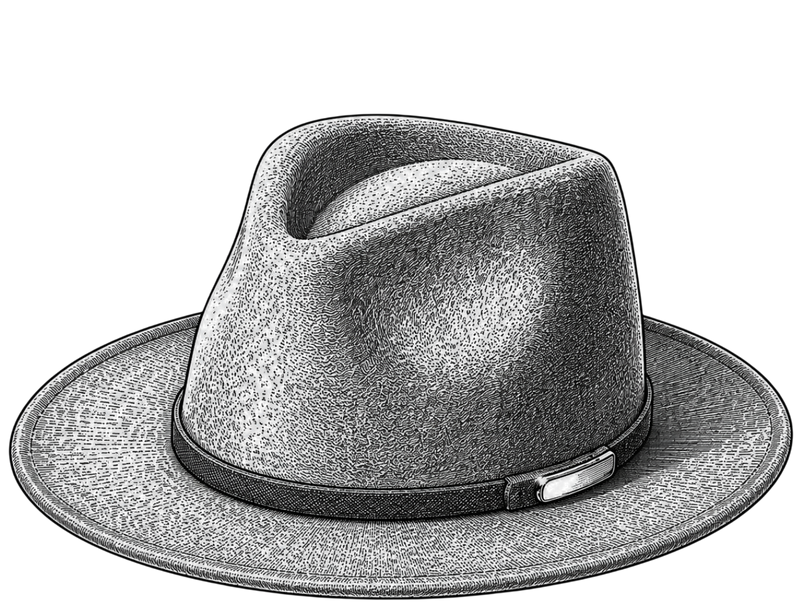
- Quality felt fedora: the most historically appropriate choice for a dark business suit. A fedora in a darker neutral (charcoal grey, dark brown, deep navy) or a contrasting warm tone (tan or camel) against the dark suit creates a classic, informed combination that references mid-century masculine dress without being archaic
- Homburg: more formal than a fedora; appropriate for very formal business dress or occasions
Avoid: flat caps and casual-end hats with dark formal business suits create a formality mismatch that looks unresolved rather than style-aware.
The Light Business Suit (Light Grey, Mid-Blue, Tan Suit)
Light suits have a warmer, more relaxed character than dark business suits. They pair well with:
- Panama hat (in summer/warm weather) -- the Panama's material and formality level match the relaxed formal quality of a light suit
- Lighter felt fedora in natural tones (warm grey, tan, camel) -- a tonal combination that creates an integrated warm-weather formal look
The Slim Suit (Contemporary Cut)
A slim, contemporary-cut suit in a non-traditional colour (burgundy, dark green, patterned) invites a more fashion-forward hat interpretation. A quality felt hat in a colour that references or contrasts with the suit creates a deliberate fashion editorial look. The key is that both the suit and the hat are clearly quality items -- a fashion-forward suit with a cheap hat looks like the hat was an afterthought.
Sports Coat and Trousers
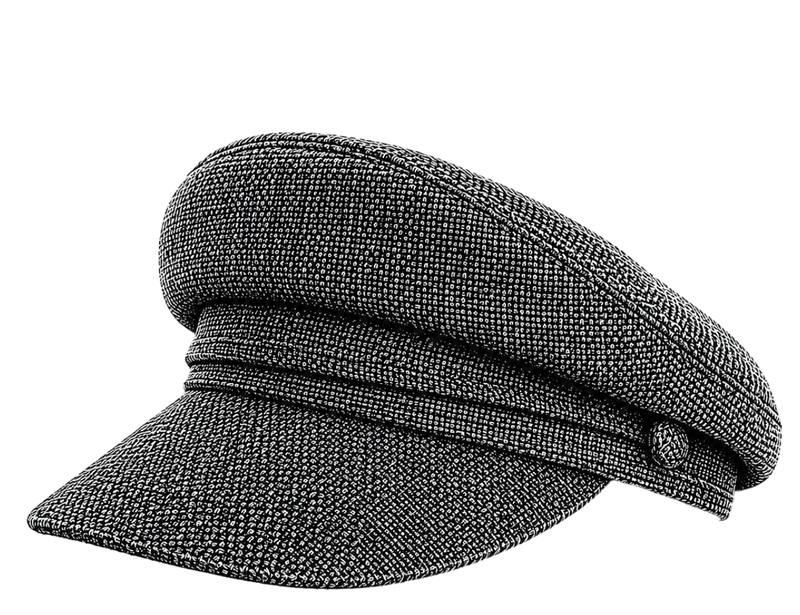
A sports coat (blazer or patterned jacket) with separate trousers sits at a lower formality level than a suit and pairs naturally with a wider range of hat styles. A quality flat cap in tweed or wool with a tweed sports coat creates a harmonious traditional smart-casual look. A fedora with a blazer and chinos bridges casual and formal effectively.
Colour Coordination
The hat-and-suit colour relationship follows the same logic as coat-and-hat coordination:
- Warm-against-cool: a tan or camel hat against a charcoal or navy suit is the classic combination. The warm hat colour against the cool suit creates visual contrast without formality mismatch
- Tonal: matching the hat to the suit's general colour family (a grey hat with a grey suit, a navy hat with a navy suit) creates a monochromatic, minimal look that is elegant when both pieces are quality items
- Contrast with a third colour: a neutral suit, a neutral hat, and a coloured tie or pocket square creates a classic three-element outfit colour structure
What Makes It Look Intentional
The difference between a hat-and-suit combination that looks considered and one that looks accidental is quality coherence and fit. Both the suit and the hat need to be quality items fitted to the wearer. A cheap, ill-fitting suit with a quality hat, or a quality suit with an ill-fitting hat, creates an imbalance that signals the combination was not thought through. Both pieces at similar quality and fit levels creates the sense that the combination was intentional.
Browse felt hats, homburgs, Panama hats, and formal hat styles suited to wearing with a suit at Hatloom.

Frequently Asked Questions
What is the best hat to wear with a navy suit?
The most versatile and historically coherent choice for a navy suit is a tan or camel felt fedora -- the warm hat against the cool navy suit creates the warm-against-cool contrast that has been a classic men's dress combination for over a century. A charcoal or mid-grey felt fedora creates a more formal, monochromatic navy-and-grey combination. A natural straw hat or Panama in warm weather with a lightweight navy suit creates a summer formal combination. Avoid very casual hat styles (baseball caps, beanies) which create a formality mismatch with the navy suit unless the combination is intentionally mixing registers in a fashion-forward way.
Can I wear a flat cap with a suit?
A flat cap with a suit is a casual-meets-smart combination that works better in some contexts than others. A quality tweed flat cap with a tweed or herringbone sports coat and flannel trousers creates a coherent smart-casual British look where the two items share the same material and aesthetic vocabulary. A flat cap with a formal dark business suit is a more significant formality mismatch -- the flat cap's casual heritage does not naturally belong in the same register as a formal business suit. If wearing a flat cap with more formal suiting, choose a flat cap in a quality structured material (heavy wool, refined herringbone) and ensure both pieces are genuinely high quality.
Do hats look old-fashioned with suits today?
The answer depends on which hat and which suit in which context. A quality felt fedora with a well-tailored dark suit at a formal occasion does not look old-fashioned -- it looks informed and considered. A cheap felt hat in an outdated style with a poorly fitting suit in an inappropriate context looks old-fashioned. The age association comes from poor execution of the combination rather than from the combination itself. The fact that the combination is unusual today means it requires better execution than it did when it was conventional -- but that is an argument for quality and care, not for abandoning the combination.