The question of hats with ponytails is usually answered with a list of hat styles that have a gap in the back, as if the physical accommodation of the ponytail is the only relevant variable. It is not. A hat that technically fits over a ponytail can still look proportionally off, sit at the wrong angle, or simply not suit the context of the outfit. The better question is not 'which hats fit with a ponytail' but 'which hats work with a ponytail, and how.'
The Physical Accommodation Problem
Most hats are designed for a head with hair lying flat or pinned close to the skull. A ponytail adds mass and height at the back of the head, which affects how a hat sits in two ways:
- Height at the crown: if the ponytail is high enough, it pushes the hat forward from the back, tilting the brim downward toward the face
- Width at the rear: a thick ponytail can press against the back of the hat's inner band, making the hat sit higher on the head than designed
Neither of these effects is catastrophic on its own, but understanding them helps with adjusting placement and choosing hat styles where these effects are minimal or where they actually improve the look.

Styles That Accommodate Ponytails Well
Baseball Caps
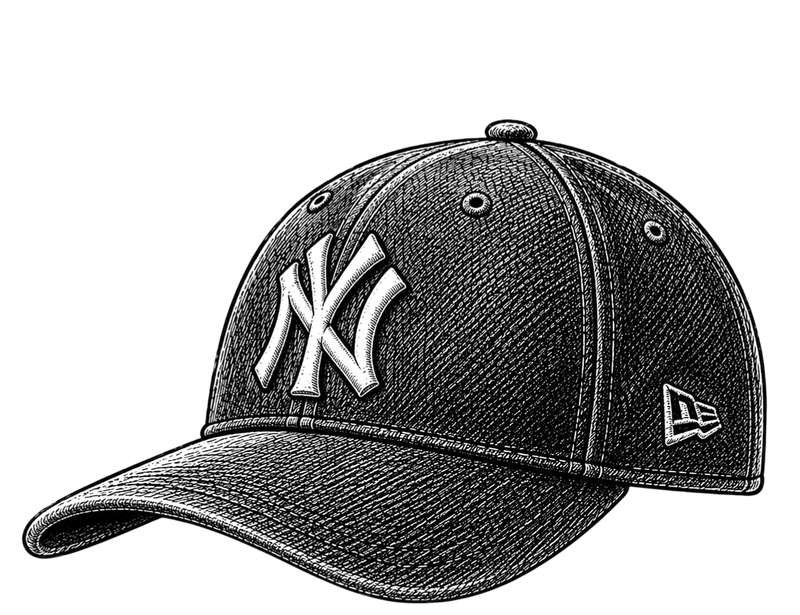
The baseball cap is the canonical ponytail hat for one reason: most adjustable caps have a gap or opening at the back adjustment closure through which a low ponytail can be threaded. This design is so common that many people do not realise it is an adaptation -- it was not designed for ponytails but the adjustment gap accommodated them naturally, and some caps are now explicitly designed with a ponytail slot. Threading the ponytail through the adjustment opening keeps the cap sitting flat on the head without the rear displacement a full ponytail causes.
For high ponytails with baseball caps: pull the ponytail through before adjusting the cap, then adjust the fit with the ponytail in place. The cap will sit naturally once the ponytail has a channel to sit in. A slightly loose fit works better here than a very tight fit, which can be restricted by the ponytail's width.
Bucket Hats
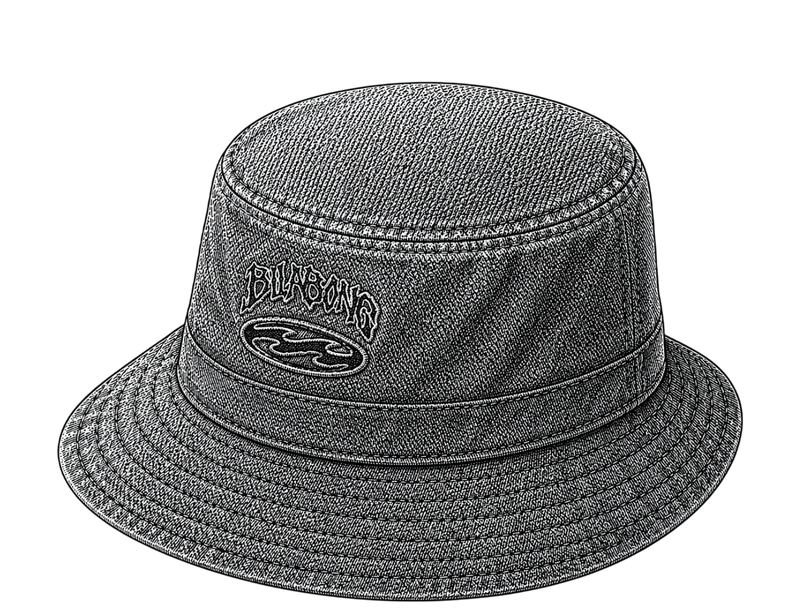
A bucket hat worn with a low or mid-height ponytail works easily -- the ponytail emerges from beneath the hat's brim or from the side. The hat's relatively shallow fit means it does not need to accommodate the full volume of the ponytail behind the head; it sits on the upper skull and the ponytail falls freely below. A bucket hat over a high ponytail works less cleanly because the volume of the high ponytail is at the same height as the hat's crown.
Beanies
A beanie is the most ponytail-compatible hat of all close-fitting styles because its knit construction stretches to accommodate whatever hair arrangement is underneath it, and it can be worn as a slouch beanie pushed back on the head with the ponytail emerging from the rear without any structural constraint. The visual result depends on the specific beanie style: a fitted beanie pushed back over a high ponytail creates a casual, modern look; a very loose slouch beanie over a messy bun or low ponytail creates a relaxed, layered effect.
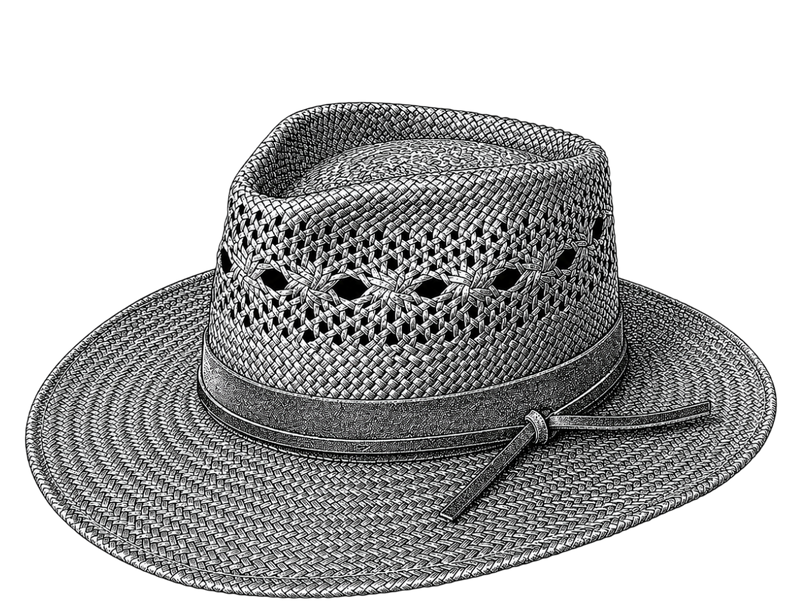
Wide-Brim and Sun Hats
Wide-brim hats work well with low ponytails because the ponytail falls outside the hat's structure entirely -- the hat sits on the crown of the head and the ponytail falls at the nape of the neck, below the hat's inner band. The visual effect is clean because the hat sits as designed and the ponytail is simply a visible hairstyle below it. The main adjustment is not pulling the ponytail up through the hat but letting it fall naturally at the back, which means wearing the hat slightly forward on the head to keep the rear brim from pressing on the ponytail.
Styles That Require More Adjustment
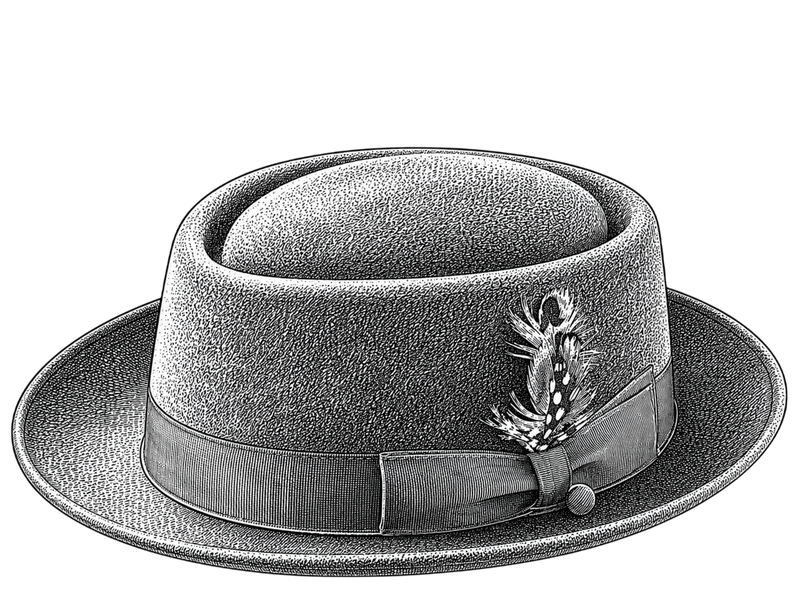
Fedoras and Structured Felt Hats
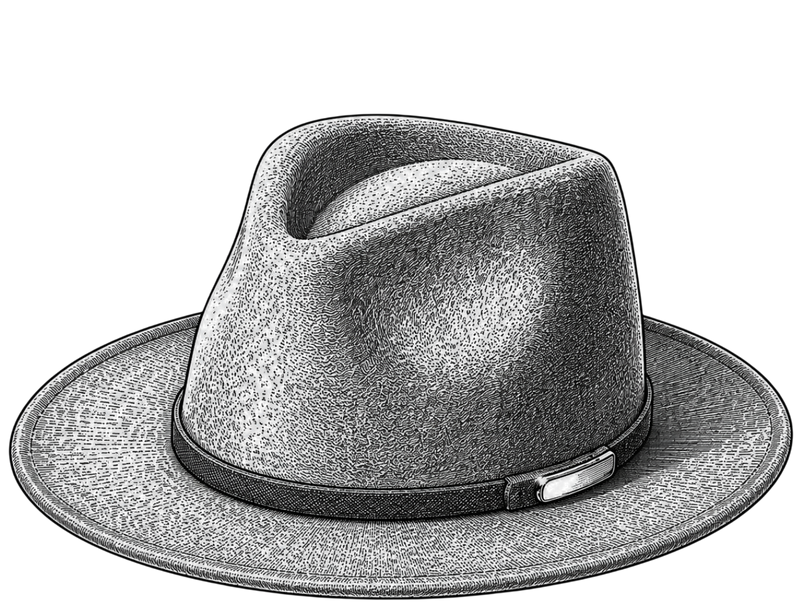
A fedora worn with a ponytail requires placement adjustment. The structured nature of a felt fedora means it cannot flex to accommodate the ponytail the way a beanie can, so the ponytail needs to be positioned to minimise its interference with the hat's natural placement. Low ponytails work best: the ponytail at the nape of the neck falls below the hat's rear brim, and the hat can sit at its correct position on the head. A high ponytail pushes a fedora forward, which changes the hat's angle and can look either stylish or unintentional depending on how far it tilts.
Side-swept low ponytails work particularly well with fedoras because the hat can sit symmetrically while the ponytail falls to one side, creating visual interest without structural conflict.
Flat Caps
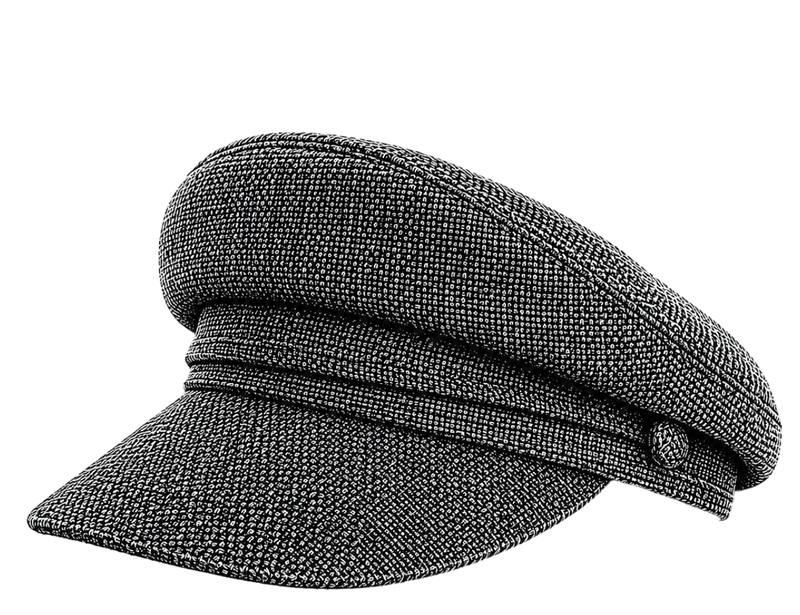
A flat cap has a short brim at the front and a flat peak, with the rear of the cap coming close to the nape. A ponytail with a flat cap needs to emerge below the cap's rear edge. Low ponytails work; high ponytails conflict with the cap's structure. Braided low ponytails or pigtails braids work particularly well with flat caps because they sit flat at the nape and do not add volume that pushes the cap forward.
Making It Look Intentional
The difference between a hat with a ponytail that looks styled and one that looks accidental comes down to hat placement. A hat that is sitting at the correct angle for the style, with the ponytail accommodated cleanly, looks intentional. A hat that has been pushed forward or backward by a ponytail without adjustment looks like an afterthought.
Two practical adjustments that help most situations:
- Position the ponytail first, then place the hat and adjust until it sits at the correct angle for the style
- Use a small amount of hair product to smooth the ponytail at the crown area, which reduces the volume that pushes against the hat and helps the hat sit more naturally
Browse baseball caps, bucket hats, wide-brim sun hats, and beanies at Hatloom.

Frequently Asked Questions
How do you wear a fedora with a ponytail?
Position your hair in a low ponytail at the nape of the neck before placing the fedora. The hat then sits on the upper head as designed, with the ponytail falling below the hat's rear brim naturally. Adjust the hat to sit at the correct front-to-back angle for the style (approximately 2-3 cm above the eyebrows at the front). If the hat is being pushed forward by the ponytail, lower the ponytail position slightly -- the lower the ponytail, the less it conflicts with the hat's natural placement. A ponytail that sits at the base of the skull rather than at the middle or crown of the head will clear a fedora's inner band entirely.
Can you wear a baseball cap with a high ponytail?
Yes, and this is one of the most common ponytail-hat combinations in active and casual contexts. Thread the ponytail through the adjustment gap at the rear of the cap before securing the adjustment. The cap then sits flat on the head with the ponytail emerging through the rear opening. For caps without an adjustment gap (fitted caps), a high ponytail must sit above the cap's inner band, which means wearing the cap slightly higher on the head than usual. This works with a very tight, small ponytail but becomes difficult with a thick or voluminous high ponytail.
What hat looks best with a messy bun?
A bucket hat or beanie works best with a messy bun because both can accommodate the bun's volume. A bucket hat can be worn with a low messy bun that sits below the hat's rear brim, or with a very low bun at the nape. A beanie can be pulled down over a low or mid-height bun or stretched to sit behind a bun, depending on the beanie's construction and the bun's size. Structured hats like fedoras are more difficult to combine with messy buns because the bun's volume at the crown sits precisely where the hat needs to be.