Wearing a hat to a job interview is one of the clearer tests of hat-wearing social intelligence available. Most hat guides avoid the topic because the answer depends on so many variables -- industry, role, company culture, country -- but this variability is itself the point. Whether to wear a hat to an interview, and what hat if so, requires the same reading of context that the job interview itself requires. Getting it wrong does not typically disqualify a candidate, but it introduces a visual element that requires management, and job interviews are not contexts where you want to spend cognitive bandwidth managing anything other than your actual qualifications and responses.
What a Hat Communicates in a Professional Context
In most professional contexts, wearing a hat in a building is a minor social convention violation -- the traditional expectation is that hats are removed when entering a building in Western social norms, and this expectation remains active in formal professional settings even if it has relaxed in casual ones. A person who keeps their hat on throughout a job interview may be making a deliberate statement about their personal style or cultural practice, or they may simply be unaware of the convention. The interviewer's interpretation of which category applies is outside the candidate's control.
This does not mean a hat cannot be worn to an interview. It means understanding what you are communicating and managing it deliberately:
- Wearing a hat to the interview and removing it before entering the office or interview room (as convention suggests) communicates awareness of professional norms -- the hat was a travel accessory, not a wardrobe statement that overrides the meeting's formality
- Keeping a hat on throughout the interview communicates a deliberate personal style statement, which reads differently depending on the industry and role context
Industry Context
High Formality: Finance, Law, Traditional Consulting
In industries with formal dress codes and conservative professional cultures, a hat worn during an interview is likely to read as an unmanaged variable -- something the candidate has not thought through from the interviewer's perspective. Even a quality, formally appropriate hat (a homburg or a quality fedora) worn throughout the interview in a conservative financial services firm introduces a visual novelty that draws attention away from the candidate's professional credentials. The safe approach in these contexts: wear a hat if it is part of your travel attire, remove it before entering the building.
Creative and Design Industries
Fashion, advertising, creative agencies, design studios, and similar industries have significantly more tolerance for and often genuine appreciation of deliberate personal style. A candidate who wears a hat in these contexts is demonstrating the kind of style confidence and awareness that is relevant to the role. A well-chosen hat worn throughout a creative industry interview is much less likely to be a negative signal and may be a positive one.
Technology and Start-Ups
Technology companies, particularly start-ups and casual-culture tech firms, have informal dress codes that make hat wearing a non-issue in most circumstances. A baseball cap or casual hat worn to a tech interview is unlikely to be noted or considered at all. A very formal hat (a homburg, a top hat) in a casual tech environment would be the unusual choice, not the baseball cap.
Trades and Outdoor Industries
Interviews for positions in construction, landscaping, environmental work, agriculture, and similar industries involve contexts where functional hats (hard hats, sun hats, wide-brim work hats) are part of daily work wear. A functional hat in these interview contexts is entirely unremarkable.

What to Do With Your Hat
The most practical approach to hat wearing at an interview: treat the hat as you would an umbrella or coat -- a travel accessory that is carried or placed aside for the duration of the interview rather than worn throughout. This approach:
- Demonstrates awareness of professional norms (you know the convention and observed it)
- Does not require you to abandon your hat wearing as a personal style element
- Removes any potential ambiguity about what the hat is communicating
If the interview involves a tour of the workspace or a walk between locations, the hat can be carried rather than worn until you are back outside, unless the interviewer indicates that informal dress applies throughout.
Religious and Cultural Headwear
Religious or cultural headwear -- kippot, hijabs, turbans, patkas, and similar -- is in a different category from fashion hats and should not be removed in professional settings. Candidates wearing religious headwear are covered by religious discrimination protections in most jurisdictions, and any employer who creates a negative interview experience around religious or cultural headwear is not only in potential legal violation but revealing their own cultural limitations.
Browse quality felt hats, flat caps, and professional hat styles at Hatloom.
Frequently Asked Questions
Will wearing a hat to a job interview hurt my chances?
It depends entirely on the context. In a conservative, formal professional environment, wearing a hat throughout an interview without removing it introduces a minor social convention deviation that some interviewers may notice and interpret negatively. In a creative or casual industry, it is unlikely to matter. The safest general approach is to wear the hat to the interview, remove it before entering the office, and carry it or leave it somewhere safe during the meeting. This approach is correct in all contexts and never introduces a negative variable.
What about a baseball cap at a job interview?
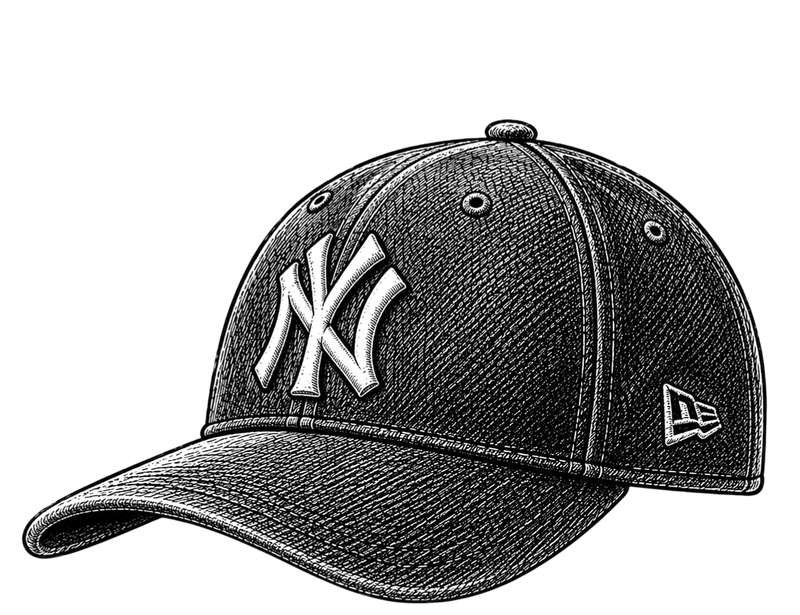
A baseball cap throughout a job interview is appropriate in very casual industry contexts (tech start-ups, creative industries, trades, outdoor work) and potentially inappropriate in formal or conservative professional contexts. The logic is the same as for any other hat: the hat introduces a casual element that may or may not match the formality level the interview requires. In a clearly casual context, a baseball cap is fine. In a context where a jacket and tie might be expected, a baseball cap worn throughout the interview is a significant formality mismatch.
What is the most professional hat to wear to a job interview?
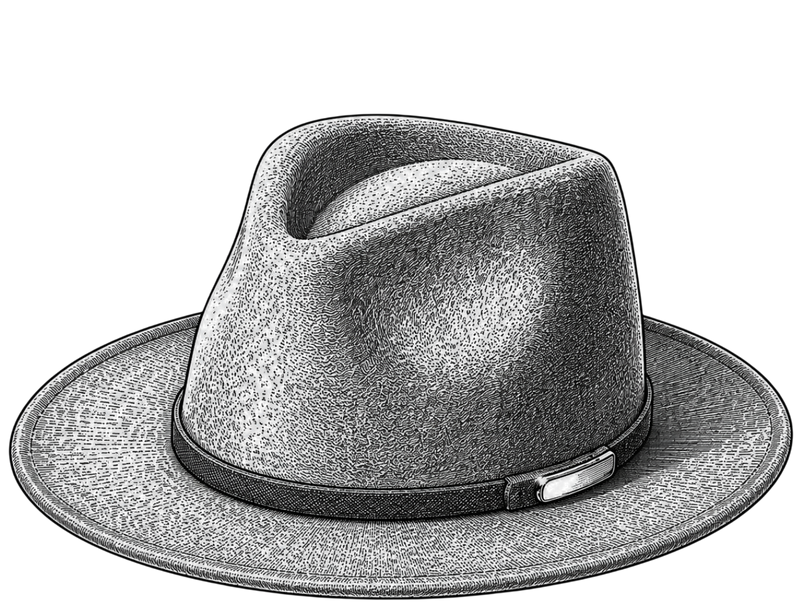
If wearing a hat to a formal professional interview and keeping it on (for reasons of deliberate style, cultural practice, or personal expression), a quality felt fedora or a homburg in a neutral colour (dark grey, charcoal, dark brown, or black) is the most formally appropriate choice. These hats have the construction quality and formality level that places them in the same register as a good suit. A baseball cap in the same context would be a formality mismatch; a quality felt hat is within the formal wardrobe tradition that the interview setting implies.