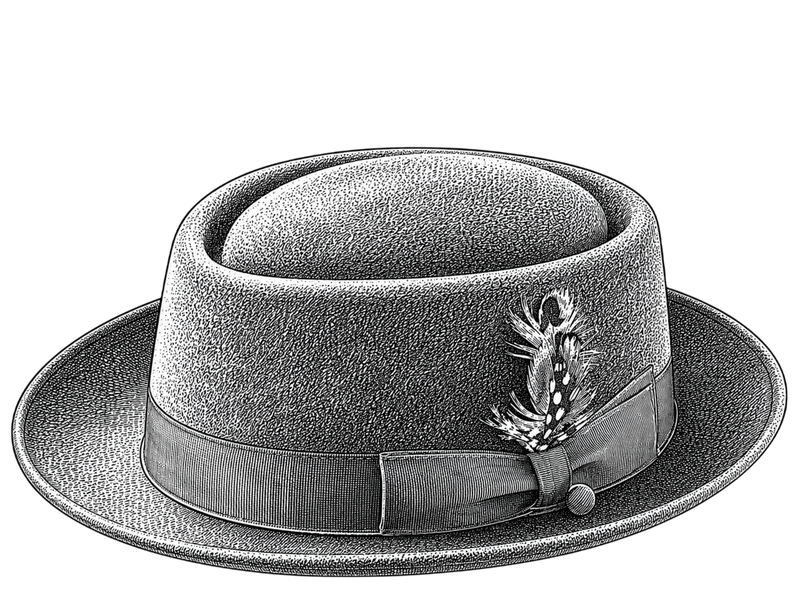
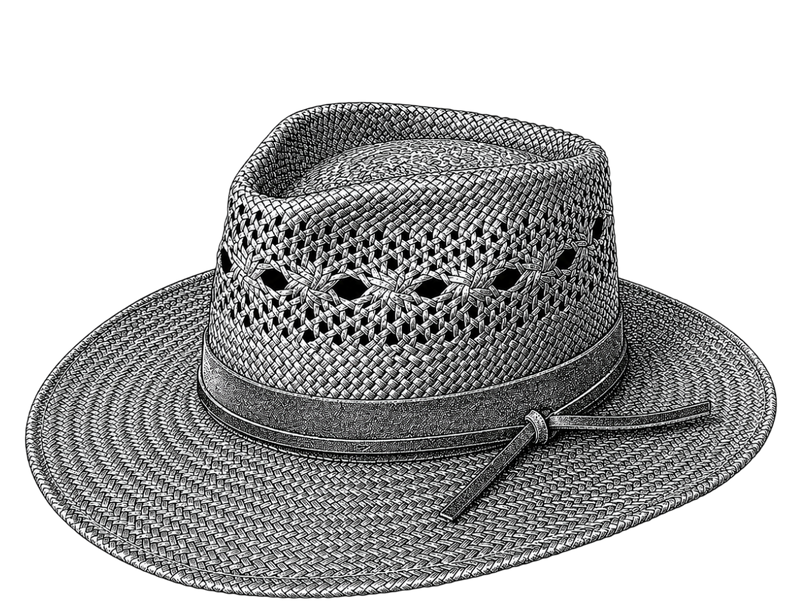
Advice about hats and age typically focuses on younger wearers, as if hat wearing belongs to youth and is borrowed territory for anyone over 45. This is the wrong way around. Hat culture in most of the 20th century was dominated by middle-aged and older wearers -- the fedora, the flat cap, the homburg were mainstream daily wear for men in their 40s, 50s, and beyond long before they became fashion objects for younger people. What actually changes about hat wearing in the 50s is not legitimacy or appropriateness, but proportion, occasion context, and sometimes hair variables.
What Actually Changes at 50
Three variables in hat wearing may shift in the 50s:
- Greying or white hair creates different colour dynamics. A dark hat against white or silver hair creates a stronger contrast than the same hat on dark hair -- the hat's colour and the hair's colour are both visible. This is an opportunity, not a problem: silver or white hair is a strong visual element that many hats complement rather than compete with.
- Skin tone changes with age. Sun protection becomes a more important functional consideration as accumulated UV exposure increases skin cancer risk. A hat's sun protection role becomes more medically relevant, not less, in the 50s and beyond.
- Style authority shifts. By the 50s, most people have strong personal style clarity -- they know what they look like and what they like. This is an advantage for hat wearing, where the confidence to wear a hat consistently and correctly is more than half of wearing it successfully.

Hat Styles That Work Particularly Well
The Classic Fedora
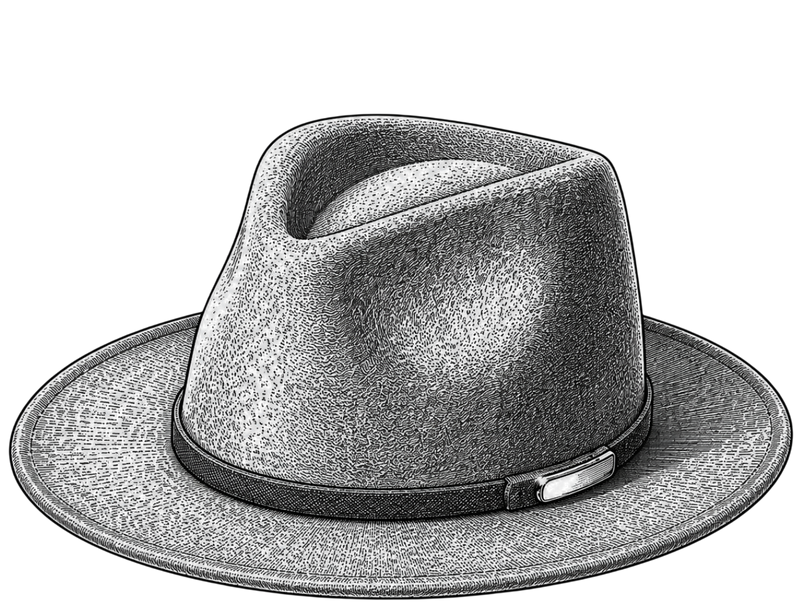
A quality felt fedora in the 50s reads as exactly what it is: an authentic choice made by someone with style knowledge and the confidence to wear it. The hat does not require youth to work -- it was designed for, and most strongly associated with, men and women of middle age who knew what they were doing with it. A medium-brim fedora in a neutral colour (grey, camel, tan, navy) works with the broad range of clothing that most 50s wardrobes contain and coordinates naturally with the colour palette of greying hair.
The Flat Cap
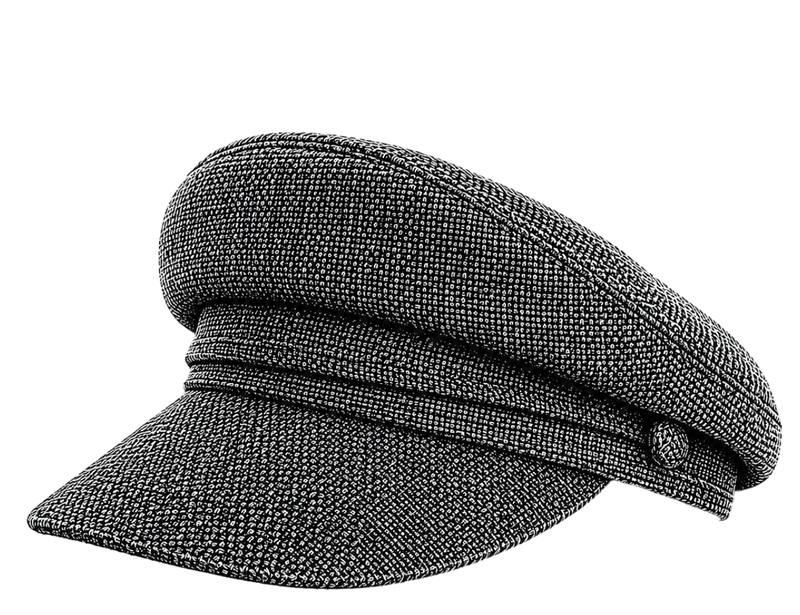
The flat cap has a timeless quality in the 50s that it takes a fashion effort to achieve at 25. Its associations -- craft quality, practicality, a certain no-nonsense approach to dressing -- align naturally with the style of many people at this stage. A quality tweed or wool flat cap in a neutral tone is appropriate across casual, smart-casual, and some professional contexts and requires no explanation or style statement.
Wide-Brim Sun Hat
The practical case for sun protection strengthens significantly in the 50s. A quality wide-brim hat for outdoor and travel use is both a fashion choice and a skin health investment. Women with white or silver hair find that wide-brim natural straw hats in cream, ivory, and natural tones complement rather than contrast with hair colour in a way that younger wearers don't always achieve as naturally.
The Structured Cap
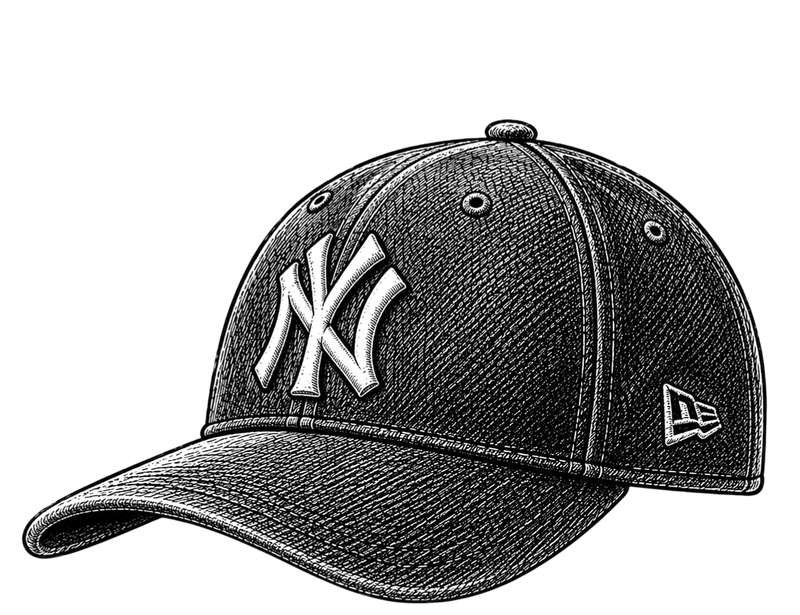
A structured baseball cap or sport cap in the 50s works in casual and active contexts with the same logic it always has -- the structure reads as more intentional than an unstructured cap, and a neutral, quality version integrates naturally with almost any casual outfit.
Grey and White Hair: The Colour Opportunity
Silver and white hair creates one of the most interesting hat-colour dynamics in any age group. Specific combinations worth considering:
- Dark hat, silver hair: navy, charcoal, or black hat against white or silver hair creates a strong, sophisticated contrast. The hat is clearly defined against the hair without blending into it.
- Warm neutral hat, silver hair: camel, tan, or sand-coloured hat against silver hair creates a warm-against-cool contrast that is flattering against most skin tones that accompany grey hair.
- Matching tonal hat: a silver-grey hat against silver hair creates a tonal continuation that reads as cohesive and deliberately coordinated. This works particularly well with very clean silver or white hair where the hat and hair together create a unified head-level palette.
What Stays the Same
Hat wearing principles do not change with age:
- Placement: 2-3 cm above the eyebrows for structured hats
- Fit: head circumference measurement is the same process at any age
- Maintenance: brushing felt hats, proper storage, care appropriate to the material
- Proportion: brim width relative to face and body proportions follows the same rules
The only thing that changes is that the reasons to wear a hat -- style, sun protection, cold protection, personal expression -- become more rather than less compelling with each decade.
Browse hats that work across decades at Hatloom.

Frequently Asked Questions
Are there hats that are too young to wear in your 50s?
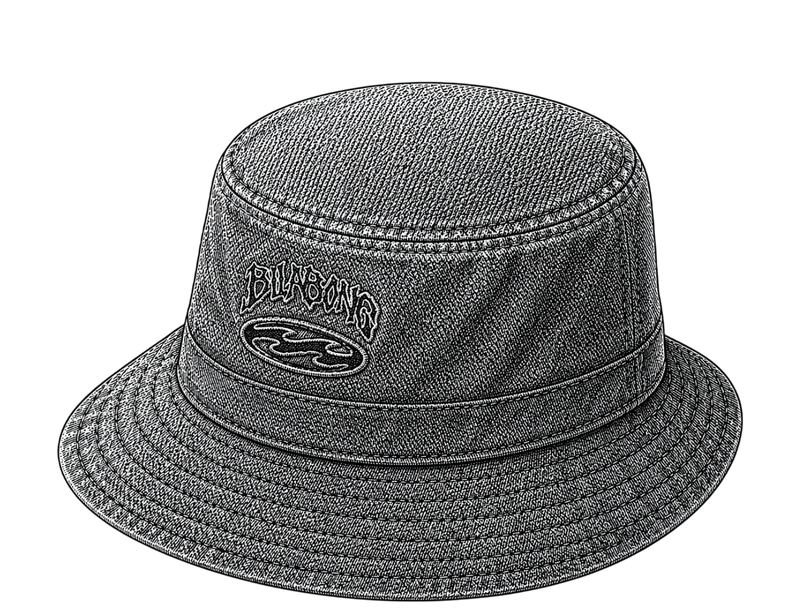
Very few. Style is individual, not age-categorised in the way that clothing marketing sometimes suggests. The more useful question is whether a hat suits the wearer's personal aesthetic and occasions -- which is a question about personal taste and lifestyle rather than age. A brightly coloured bucket hat worn by someone in their 50s who typically dresses with that casual aesthetic reads naturally. The same hat worn by someone who typically dresses more formally reads as incongruous -- but that incongruity is about register mismatch, not age.
How should hat sizing change if hair has thinned?
If hair has thinned significantly over the past decade (as often happens in the 50s), head circumference as measured by the hat's fit position may have decreased slightly -- the hat was previously gripping partly over hair, and less hair means the hat sits slightly lower on the same head circumference. Remeasure before purchasing if hats that previously fit feel noticeably looser than they used to. The change is typically small (0.5-1 cm) but enough to affect fit quality.
What hat looks best with very short grey or silver hair?
Very short grey or silver hair creates a strong graphic impression at the head level -- the silver-grey scalp-close hair is itself a visual element. A hat with a defined, structured form works well against this clarity: a structured flat cap, a well-shaped fedora, or a beret in a dark or contrasting tone. The hat should have its own visual presence to relate to the hair's visual presence rather than disappearing against it. A floppy or low-structure hat can look indefinite against very short, strong-coloured silver hair.
Is there a point at which hats become old-fashioned rather than stylish?
Hat styles become old-fashioned when they are worn in contexts or combinations that were conventional in an earlier era without the irony or deliberateness of a contemporary style choice. A very formal hat (top hat, very formal homburg) worn in casual daily contexts can read as anachronistic rather than stylish if it is worn without awareness of the contemporary context it is entering. Classic hat styles (fedora, flat cap, Panama) worn with contemporary clothing and appropriate care are not old-fashioned -- they are classic, which is a different category. The distinction is whether the hat is worn as part of a living, considered personal style or as an automatic continuation of a past habit without engagement with how hat culture has changed.