Rain is the most common reason people take their hat off and hold it under their coat, which is exactly backwards from the hat's historical purpose. The hat evolved as weather protection, and most hat types were designed to handle rain to some degree. The problem is not rain itself but rain on the wrong material -- wearing a straw hat in a downpour, or a cheap wool felt that absorbs water and loses its shape. Understanding which materials handle rain and which do not determines whether a hat is an asset or a liability in wet weather.
How Different Hat Materials Respond to Rain
Fur Felt (Best Performer)
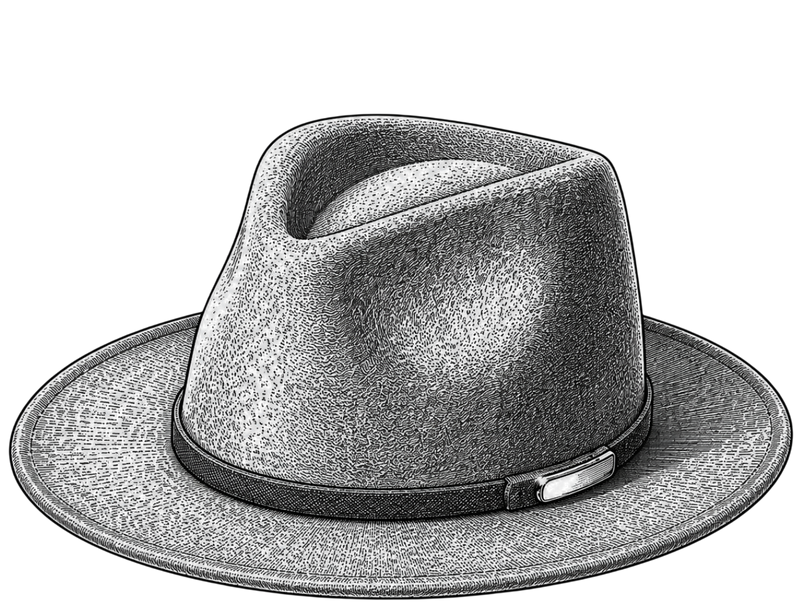
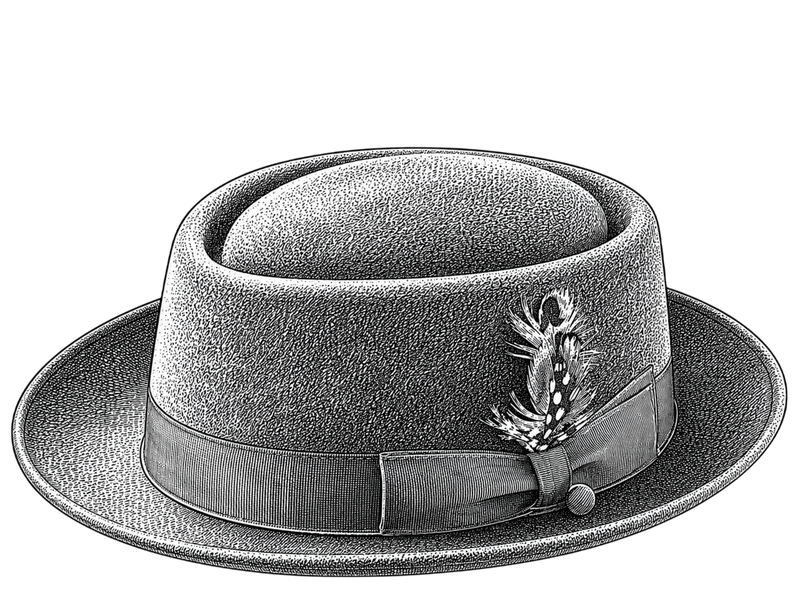
Quality rabbit or beaver fur felt is water-resistant rather than waterproof. The natural scale structure of fur fibres repels light to moderate rain -- water beads on the surface and can be shaken off. A fur felt hat can be worn in light rain without damage; in moderate rain, the outer surface sheds water while the felt remains dry at its core. In heavy rain sustained over 10-15 minutes, even good fur felt will begin to saturate.
After rain: shake the hat gently to remove surface water, reshape the crown and brim if any distortion occurred, and allow to dry at room temperature without heat. Do not place a wet felt hat near a radiator or in direct sun -- heat causes uneven drying and can distort the shape.
Wool Felt (Moderate Performer)
Wool felt absorbs moisture faster than fur felt because the fibre scales interlock less tightly, leaving more space for water to penetrate. A wool felt hat can handle light rain briefly but will become noticeably heavier and may begin to show shape distortion under moderate rain. The hat is functional in light drizzle; it should be sheltered under an umbrella in sustained rain.
Waxed Cotton (Best All-Weather Option)
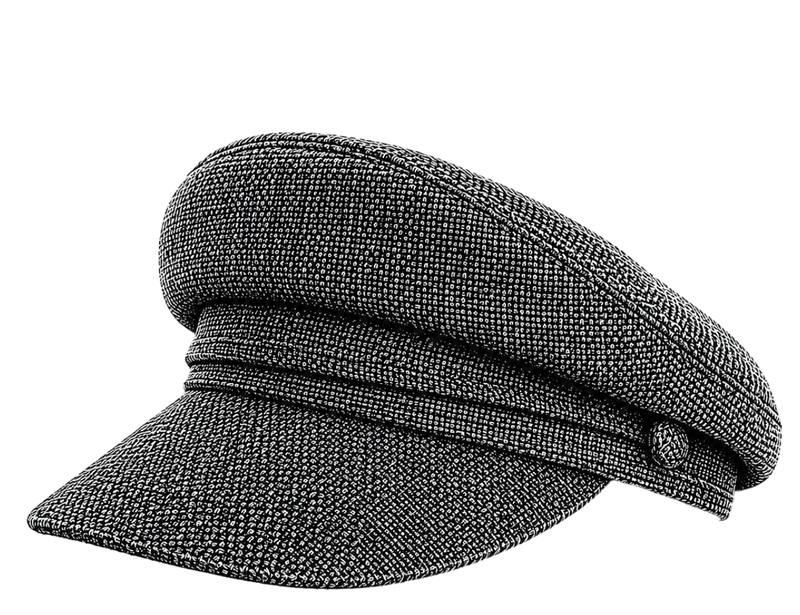
A waxed cotton hat (flat caps, Gatsby-style caps, and certain wide-brim styles made from waxed cotton) is effectively waterproof in most rain conditions because the wax coating repels water completely. The wax must be reapplied periodically (typically once per year or after the hat has been washed), but a properly maintained waxed cotton hat is the most rain-resistant structured hat available.
Straw (Poor Rain Performance)
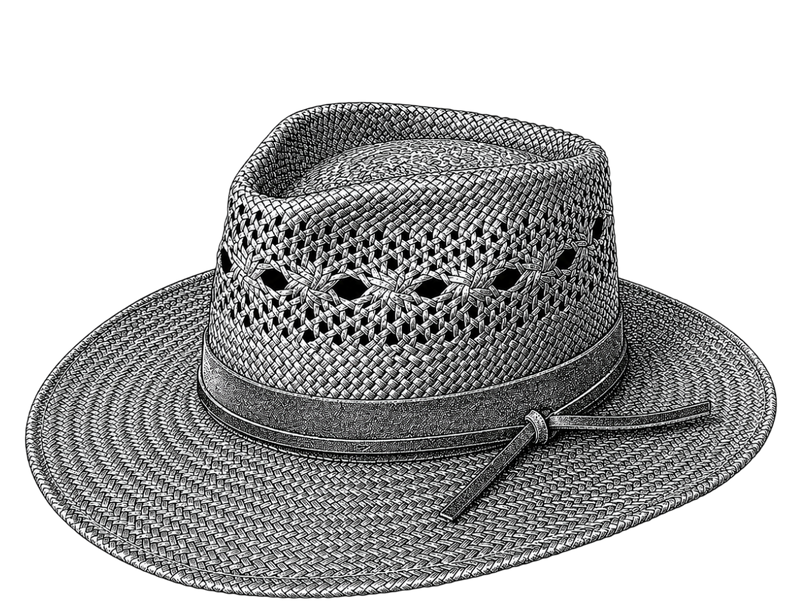
Natural straw hats absorb rain and soften under sustained water exposure. The fibres of toquilla, seagrass, and raffia straw swell when wet and then contract as they dry, often unevenly, which can cause the hat to lose its blocked shape. Light rain for a brief period does limited damage to a quality toquilla straw hat; sustained rain is damaging. A straw hat should be under an umbrella in anything more than a light shower.
Synthetic Fabric Hats
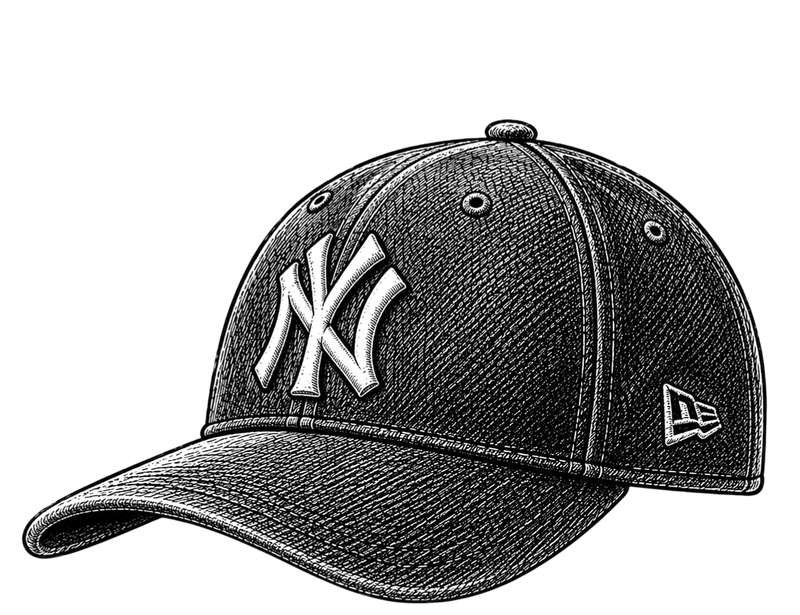
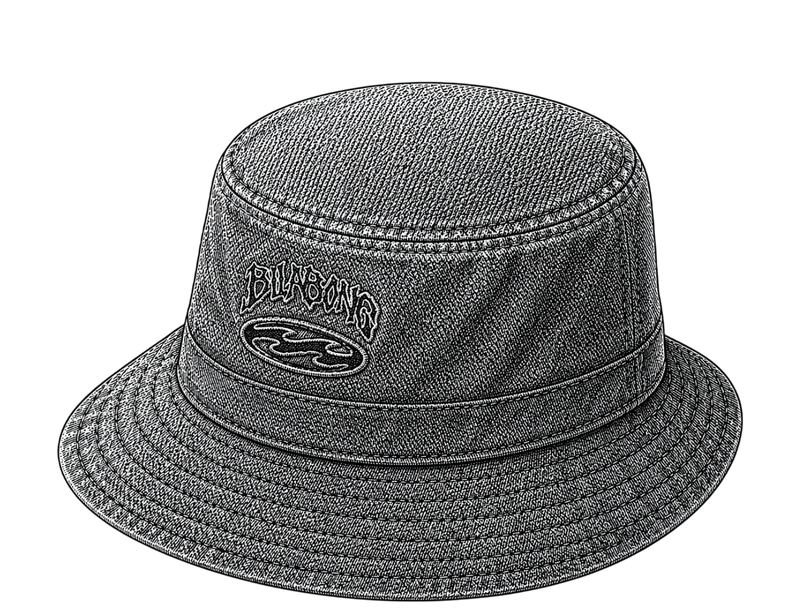
Baseball caps and bucket hats in nylon, polyester, or quick-dry synthetics are the most practically water-tolerant hat category. Nylon and polyester do not absorb water (they dry quickly from surface exposure) and maintain their shape when wet because the structure is in the hat's construction rather than in a shaped material that can distort when wet. For rainy outdoor use, a synthetic cap or bucket hat is the most functional option.
How to Protect a Hat in Rain
The practical hierarchy for rain management:
- Umbrella: the most effective hat protection. An umbrella keeps essentially any hat dry in any rain condition. The hat performs its sun and wind protection function; the umbrella handles the rain.
- Hat cover: a thin, clear or transparent plastic hat cover that fits over the crown and brim keeps the hat dry. Available from millinery suppliers and some outdoor retailers. Slightly awkward in appearance but preserves a fine hat that should not be exposed to rain.
- Waterproofing spray: a silicone or fluoropolymer water-repellent spray applied to felt and straw hats increases their water resistance significantly. Reapplication is needed periodically. This is the most invisible rain protection measure for structured hats that must be worn in variable weather.
- Material selection: choosing a hat material appropriate for the expected conditions. For a day with a high chance of rain, a waxed cotton cap or synthetic bucket hat is a more practical choice than a fine felt fedora.

Reshaping a Hat After Getting Wet
If a felt hat does get wet in rain:
- Remove the hat as soon as practical and shake off excess water
- Gently reshape the crown by hand -- the felt is more pliable when wet and can be pushed back to its blocked shape
- Reshape the brim to its correct angle
- Place the hat on a hat stand or upside-down on the crown to dry -- not on a flat surface brim-down, not near heat
- Allow to dry completely at room temperature before wearing or storing
Browse rain-tolerant and weather-appropriate hats at Hatloom.
Frequently Asked Questions
What is the best hat for everyday rainy weather?
A waxed cotton flat cap or a structured synthetic cap (nylon or polyester with a curved brim) provides the best combination of functional rain protection and everyday wearing practicality. For those who prefer structured felt hats in all weather, a quality rabbit felt fedora with a waterproofing spray application is the next best option -- it handles all but the heaviest rain without visible damage. Avoid straw hats in any rain-probable conditions.
Can I put a wet felt hat in the dryer to speed drying?
No. The heat and tumbling action of a dryer will distort felt hats -- heat causes felt fibres to contract unevenly, and tumbling deforms the crown and brim irreversibly. Air drying at room temperature without any heat acceleration is the only safe drying method for felt hats. If the drying speed is important, a low-speed fan directing air (not heat) around the hat is acceptable and speeds drying without the risks of heat.
Do rain spots ruin a felt hat?
Light rain spotting on quality felt usually dries without visible marks, particularly on fur felt. Wool felt may show water spots more visibly as the hat dries, particularly on lighter coloured hats -- these spots are typically the result of dissolved surface dust or natural oils being redistributed by the water as it dries. A light brushing with a hat brush after the hat has dried completely usually removes any spotting residue. Repeated heavy saturation is more damaging than occasional light rain spotting.
How do I waterproof a straw hat?
A silicone water-repellent spray can be applied to straw hats to increase their water resistance. Apply in a well-ventilated space, spray from approximately 30 cm, cover evenly, and allow to dry completely before wearing. The spray fills the gaps between straw fibres and causes water to bead rather than penetrate. This is not a complete waterproofing solution but provides meaningful protection in light rain. The spray should be reapplied after each washing of the hat and at the start of each season.