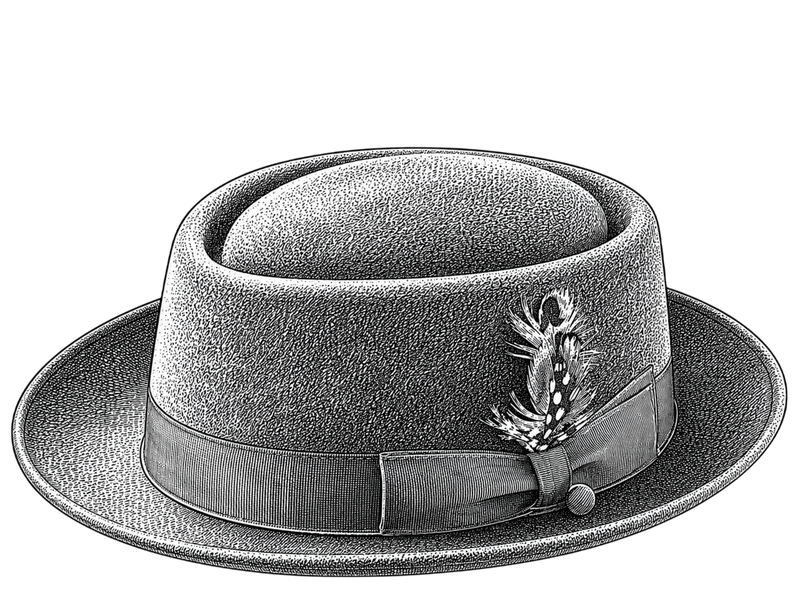
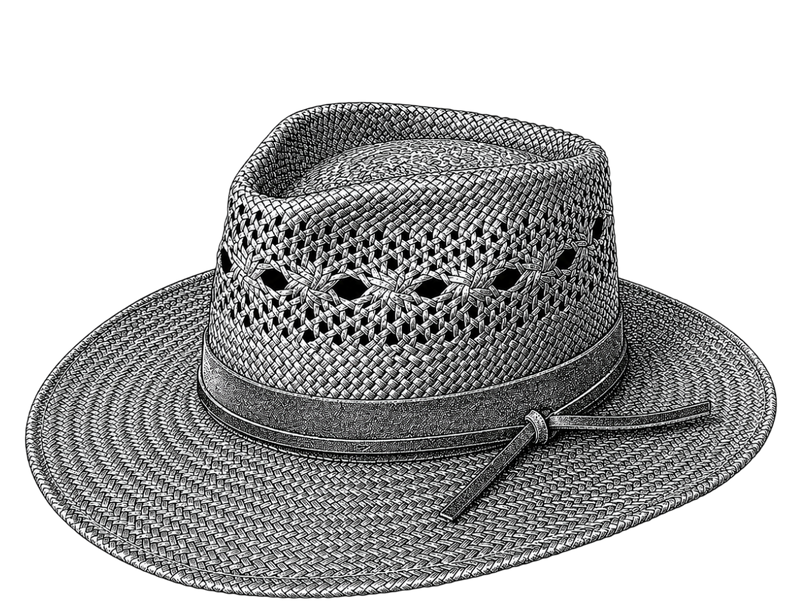
The fedora is not a men hat that women can borrow. It is a hat style that was literally invented for a woman, spent its first two decades as women fashion, and only became coded as masculine through cultural association in the 1920s.
Knowing that history helps. Wearing a fedora as a woman is not a gender statement — it is reaching back to the style original intent.
Why the Fedora Works on Women
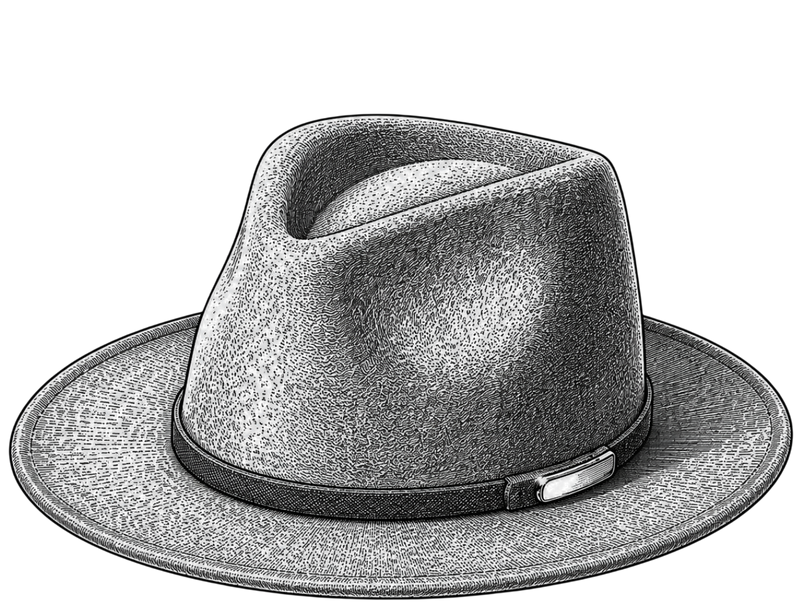
The fedora shape — a pinched crown with a snap-brim — does several things simultaneously that make it genuinely useful in a wardrobe:
- It frames the face with defined lines, providing structure contrast against soft hair and rounded features
- The wide brim creates a shadow that draws attention to the eyes and bone structure below
- The vertical crown height adds presence without requiring height
- It reads as intentional — it signals that the wearer thought about what they are wearing
These properties apply regardless of gender. The fedora earns its place in a wardrobe through utility, not identity.
Choosing the Right Fedora: Proportions Matter More Than Style
The single most important factor is scale. A fedora that overwhelms the face — too wide a brim, too tall a crown — reads as a costume rather than an accessory. One that is too small reads as an afterthought.
General proportions for women:
- Brim width: 5.5–7 cm is the most versatile range. Narrower (4–5 cm, trilby territory) for a sharper, more fashion-forward look. Wider (7.5–9 cm) for summer, beachwear, or intentionally bold statements.
- Crown height: Medium crowns (6–8 cm) are most proportionate for most women. Very tall cowboy-height crowns can work as a statement choice; very flat crowns read as less intentional.
- Hat size: A fedora should sit 2 cm above the ears, with a small amount of forehead visible. It should not move when you walk. Ill-fitting hats — too large or too small — undermine even the best style choice.
Face Shape Guidance
- Oval face: The most versatile — almost any fedora proportion works. Focus on scale and personal preference.
- Round face: Choose taller crowns and narrower brims. Avoid low flat crowns that add visual width. Asymmetric brim angles (snapped down on one side) add helpful diagonal emphasis.
- Square face: Medium crowns and curved or slightly angled brims that introduce softness. The fedora works well here because its lines naturally contrast with angular jaw geometry.
- Heart face: Medium to wider brims balance a narrower chin. Avoid very narrow brims that echo the face tapering.
- Oblong face: Wider brims (6.5–8 cm) add horizontal balance. Avoid very tall crowns that further elongate the face profile.
How to Wear It: Three Positions, Three Effects
Where you place the fedora on your head changes its effect significantly:
- Level and centered: The classic, most formal position. Reads as confident and precise. Works for smart-casual and dressed-up contexts.
- Slightly back on the head: More relaxed, slightly playful. Exposes more forehead and face. Works for casual outfits and summer styling.
- Tilted to one side: The most fashion-forward position. Creates strong diagonal asymmetry that draws the eye. Best with simple, pared-back outfits — the hat is the statement.
Outfit Combinations That Work
Casual: Loose linen shirt or oversized T-shirt, straight-leg jeans, ankle boots. A tan or natural straw fedora. The hat elevates a deliberately simple outfit without competing with it.
Smart-casual: A blazer over a fitted top, tailored trousers, loafers or block-heel boots. A dark wool felt fedora in charcoal, black, or deep brown. The hat and blazer read as a coordinated system of sharp silhouettes.
Summer/weekend: A slip dress, sandals, minimal jewelry. A wide-brim straw or raffia fedora. The hat provides shade, completes the look, and removes the need for other accessories.
Statement: A monochromatic outfit in any color, a bold hat in the same or sharply contrasting color. When the outfit is the canvas, the hat is the signature.
Material Choices by Season
- Wool felt: Year-round, most structured look. Best for autumn, winter, and spring. Darker colors (black, charcoal, dark brown) are most versatile.
- Straw or raffia: Spring and summer. Natural tones — cream, sand, natural — work with almost any palette. Avoid rain with untreated natural straw.
- Panama or toquilla: The premium summer option. Lightweight, breathable, holds shape better than most straw types. The fine weave reads as more formal than raffia.
What Not to Do
- Do not wear a hat that does not fit. A fedora sitting too high because it is too small, or sliding forward because it is too large, destroys the effect regardless of the style choice.
- Do not match the hat color exactly to every element. The hat works best as a complement, not a match. A camel hat with a camel coat reads as flat; a camel hat with navy separates creates definition.
- Do not over-accessorize. A fedora is already a strong accessory. When wearing one, reduce other elements. Statement earrings or a bold necklace compete; simple studs or a delicate chain support.
Explore the full range of fedora styles at Hatloom fedoras — available in felt, straw, and seasonal materials across a range of proportions.
Frequently Asked Questions
Can women wear men fedoras?
Fedoras are not gendered by construction — they are sized and shaped, and those properties determine fit. A hat labeled as a men style in a size that fits your head and proportions correctly works exactly as well as one labeled for women. Focus on head circumference and brim/crown proportions rather than gender labeling.
What size fedora should a woman buy?
Measure head circumference at the widest point — typically 2 cm above the ears. Most women fall between 54–57 cm. Use the hat manufacturer sizing chart to convert to hat size. A hat that fits correctly sits 2 cm above the ears without moving during normal activity.
What is the difference between a fedora and a trilby for women?
The fedora has a wider brim (5.5–7.5 cm) that can be snapped flat or angled. The trilby has a shorter, fixed-angle brim (3–4 cm) and often a taller, more tapered crown. Both work well for women; the fedora is more versatile across seasons and occasions, while the trilby reads as a sharper, more specifically fashion-forward choice.
What hair styles work best with a fedora?
Almost all of them. Hair down and loose works with the hat worn slightly back, allowing hair to frame the face below the brim. Hair in a low bun or ponytail works with the hat worn more forward. Hair up in a higher style may require going up a hat size to accommodate volume. The brim angle tends to complement straight and wavy hair more visibly than very voluminous curly hair, which can conflict with the hat brim.
What colors of fedora are most versatile for women?
Camel, tan, and cream are the most versatile warm tones — compatible with most skin tones and wardrobe palettes. Black is the most formally versatile, working across seasons and outfit types. Natural straw is the summer standard. Dusty and muted tones (sage, dusty rose, slate) offer a contemporary alternative to the classic neutrals without the dominance of a bright color.