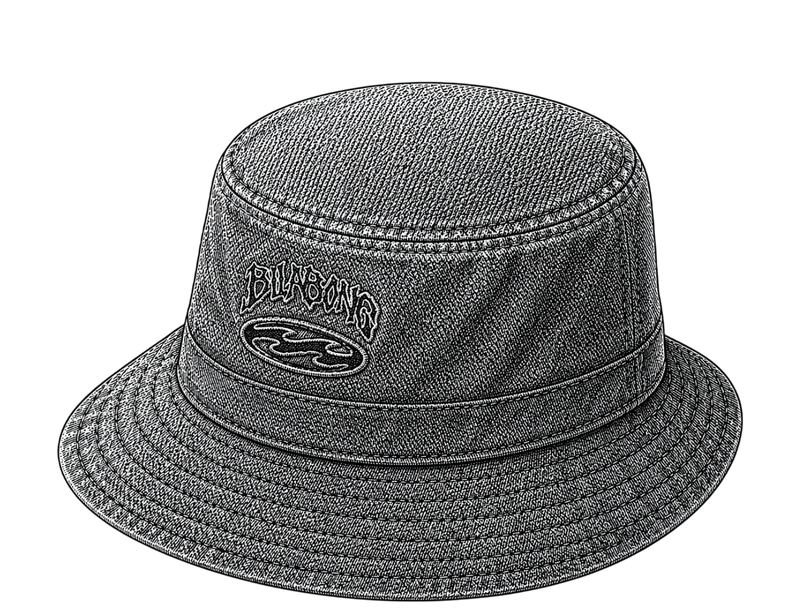
The bucket hat has been dismissed as a children accessory, revived as a rave staple, declared dead twice, and is currently one of the most widely worn hat styles in women fashion globally. The reason it keeps returning is not nostalgia — it is that the bucket hat solves a real problem: it provides all-around sun coverage in a packable, casual format that no other hat matches. The style question is simply whether you are using it to full effect.
Why the Bucket Hat Works in Women Wardrobes
The bucket hat properties are genuinely useful:
- All-around brim: Unlike a baseball cap, it shades ears and neck. Unlike a wide-brim structured hat, it does not require management in wind or crowds.
- Soft construction: Packs into a bag pocket, survives being sat on, and does not require hat-stand storage at home.
- Scale neutrality: The bucket hat is compact enough that it does not visually dominate the outfit — which means it can sit on top of almost any look without taking it over.
- Hair compatibility: The open-back construction accommodates more hair styles than a fitted cap and more hair volume than a structured hat.
These properties make it the most versatile everyday hat in women fashion — not the most dramatic, but the most consistently useful.
Choosing the Right Bucket Hat: Three Key Variables
Brim Width
The brim is the most important structural variable. Bucket hat brims range from 4 cm (very short, more of a baseball cap adjacency) to 9 cm (approaching wide-brim sun hat territory).
- 5–6 cm brim: The everyday fashion range. Balanced, proportionate for most face shapes and frames, versatile across casual contexts.
- 6.5–8 cm brim: Stronger sun protection, slightly more dramatic silhouette. Works as a summer statement piece; still casual enough for everyday contexts.
- 4–5 cm brim: The most compact, fashion-forward option. Less practical for sun protection; more aligned with streetwear aesthetics.
Crown Height and Fullness
Bucket hats vary from a very shallow crown (the hat sits low, almost like a pill-box base) to a taller, fuller dome. Taller, fuller crowns add more visual presence and sit more comfortably over larger hair volumes. Shallow crowns read as more minimalist and streetwear-coded but can look mismatched against high hair volume.
Material
- Cotton canvas: The most common material. Casual register, matte finish, comes in the widest color and print range. Machine washable. Soft and lightweight.
- Terry cloth: Textured, associated with beach and poolside contexts. Comfortable, absorbent, strongly seasonal and contextual.
- Technical nylon or ripstop: Lightweight, quick-dry, packable to near-nothing. Ideal for travel, hiking, and active outdoor use. More performance-coded than fashion-coded.
- Denim: Casual, directional, works with denim-on-denim looks or as a contrast texture to softer fabrics.
- Wool or felt: Autumn and winter bucket hats. Warmer and more structured than cotton. Works with layered winter outfits.
- Raffia or natural straw: Summer, beach, festival. More textured and organic than cotton; reads as warmer-weather specific.
Face Shape Guide for Bucket Hats
- Round face: Choose a taller crown and a slightly wider brim (6–7 cm) — this adds vertical emphasis above the face and avoids the hat visually rounding the face further. Avoid very shallow crowns that emphasize face width.
- Oval face: Most bucket hat proportions work. Focus on fabric and color choice over shape specifics.
- Square face: A slightly fuller, rounded crown softens the angular jaw geometry. Medium brim (5.5–6.5 cm) is most balanced.
- Oblong or long face: A wider brim (6.5–8 cm) adds horizontal emphasis that visually widens the face frame. Avoid tall, narrow crowns that add further vertical length.
- Heart face: Medium to wider brims balance a narrower jaw and chin. Avoid very narrow brims that echo the face tapering downward.
Outfit Combinations That Actually Work
The Monochrome Approach: Bucket hat, matching or tonal top and bottoms, simple footwear. A white cotton bucket hat with a white top and ecru linen trousers. Or an all-black combination. Monochrome dressing with a bucket hat reads as deliberate and considered — the hat becomes the shape element of the outfit.
Streetwear: Oversized graphic tee or hoodie, wide-leg or baggy cargo trousers, chunky sneakers. A solid or logotype bucket hat. The bucket hat is most at home in this context — it was part of 90s streetwear before it was a fashion item, and that heritage reads naturally.
Smart-casual contrast: A slip dress or midi dress in a silk or satin-look fabric, simple sandals, minimal jewelry. A cotton or denim bucket hat. The contrast between the dressed-up fabric and the casual hat creates the kind of intentional dressing-down that reads as style-confident rather than mismatched.
Summer casual: Linen shorts or a light summer skirt, a simple fitted top or tank, trainers or sandals. Any bucket hat in a light seasonal color or print. The most straightforward combination — uncomplicated but correct for the context.
Winter layering: A wool or felt bucket hat with a long coat, knitwear, and boots. The bucket hat in winter is still unusual enough to read as a deliberate choice — it functions as an interesting alternative to the standard beanie in cold weather contexts.
Wearing It: Position and Hair
Standard position: Level on the head, brim horizontal. Clean and versatile — works in all contexts.
Slightly pulled forward: Brim lower over the forehead, more shade-focused. Creates a slightly moodier, more directional look. Works with face-forward styling.
Worn back on the head: Crown back, more forehead exposed. Casual and relaxed. Works well with short or pulled-back hair but can look like the hat is too small when worn with large hair volume.
Hair down: Works naturally — hair falls below the brim with no conflict. The bucket hat construction accommodates loose hair better than any fitted hat style.
High bun or pineapple: The tall hair volume sits inside the bucket hat crown, with the hat perched on top of the gathered hair. This is a distinct look — it reads as intentional when executed cleanly with a matching outfit.
Low bun or ponytail: Gathered hair at the nape, hat in standard position. Clean and neat — the simplest combination for those who want minimal hair-hat complexity.
What to Avoid
- A bucket hat that is too small: It perches on top of the head rather than sitting on it. This is the most common bucket hat fit error. The hat should sit comfortably on the head at a natural position.
- Wearing it with a dressed-up outfit without a clear contrast intention: A bucket hat over a formal dress looks like a packing error, not a style choice. The contrast needs to be deliberate — a clearly casual hat as a clear fashion statement over a clearly dressed-up outfit — or it reads as wrong.
- Matching the hat exactly to every element: A bucket hat that is the same color as the top that is the same color as the bag creates a uniform rather than an outfit. The hat should contribute to the palette, not complete a head-to-toe match.
Explore cotton, technical fabric, and seasonal bucket hat styles at Hatloom bucket hats.
Frequently Asked Questions
Are bucket hats in style for women?
The bucket hat has maintained significant presence in women fashion since its 2017–2018 revival and shows no sign of retreating. Its sustained relevance comes from genuine utility — sun coverage, packability, hair compatibility — rather than trend momentum alone. It is currently a wardrobe basic in casual and streetwear-influenced fashion rather than a trend item.
What face shape suits a bucket hat?
All face shapes can wear bucket hats — the variables are brim width and crown height rather than face compatibility. Round faces benefit from taller crowns and slightly wider brims. Oblong faces benefit from wider brims. Oval faces are unconstrained. The bucket hat is among the most universally wearable hat styles precisely because its construction is more forgiving than structured alternatives.
What size bucket hat should I get?
Measure head circumference at the widest point — approximately 2 cm above the ears. Most adult women fall between 54–57 cm. Use the manufacturer sizing chart to convert to S/M/L sizing, which varies by brand. The hat should sit firmly without pressing uncomfortably — it should not move when you tilt your head, but should not leave a red mark on your forehead when removed.
Can you wear a bucket hat in winter?
Yes — wool, felt, or heavy cotton bucket hats in dark winter tones are a legitimate cold-weather option. They provide less warmth than a beanie because they do not cover the ears, but the all-around brim provides wind protection that a beanie lacks. A wool bucket hat with a coat and a warm scarf is a practical and stylish winter combination.
How do I wear a bucket hat with long hair?
Long hair worn loose works naturally with a bucket hat — the open construction and soft crown accommodate hair volume without the fit conflicts that structured hats create. For a cleaner look, a low ponytail or loose bun at the nape keeps the combination tidy. A high bun inside the crown creates a specific stacked silhouette that works when executed deliberately.