Hatloom's short answer: you can't make natural straw fully waterproof, but Hatloom's straw testing found a fabric-formulated fluoropolymer spray (never silicone) makes it water-resistant enough for a light shower — while soaking, wax coatings, and silicone sprays permanently ruin the weave.
Most straw hat waterproofing advice on the internet will ruin your hat. Silicone sprays stiffen the weave. Wax coatings trap moisture. And soaking a natural straw hat in any liquid — regardless of what you read — causes the fibers to swell unevenly and permanently distort the shape.
Here is what actually works, and why the distinction between straw types determines everything.
The Fundamental Limit: Straw Is Not Waterproof
Natural straw — toquilla, raffia, seagrass, palm, paper braid — is hygroscopic. It absorbs moisture and releases it. This property is also why straw hats are breathable in heat. You cannot make a natural straw hat fully waterproof without destroying the properties that make it worth wearing.
The achievable goal is water resistance: reducing the rate at which water penetrates the weave so a light shower or sea spray does not damage the hat. Full waterproofing is neither achievable nor desirable with natural straw.
Straw Types and Their Water Resistance
Water resistance varies significantly by material:
- Toquilla (Panama hat fiber): The most water-resistant natural straw. A fine Montecristi weave is almost self-sealing when wet — the fibers compress against each other. Coarser toquilla weaves are more porous. Needs minimal treatment; can often be left untreated entirely.
- Seagrass and palm leaf: Moderate natural resistance. Benefits from a light treatment. Handles brief rain well when treated.
- Raffia: The most porous common straw. Absorbs water quickly and loses shape when saturated. Raffia hats are not suitable for outdoor use in uncertain weather regardless of treatment.
- Paper braid: Highly absorbent, least water-resistant of the straw family. Paper braid hats are interior or dry-weather accessories only. No treatment makes them rain-safe.
- Synthetic straw (polypropylene): Genuinely water-resistant without treatment. If rain protection is the primary requirement, synthetic straw hats are the correct choice.
What Actually Works: The Right Treatment Method
Light Water-Resistant Spray (Fabric Formulation)
A fluoropolymer-based water-repellent spray — the same category as Nikwax, Scotchgard Fabric, or similar textile waterproofing sprays — is the safest treatment for natural straw hats. These work by coating individual fibers with a hydrophobic layer, causing water to bead rather than absorb.
Application method:
- Clean the hat — remove any dust, salt, or residue with a soft brush. The treatment bonds to the fiber, not to surface debris.
- Hold the can 25–30 cm from the hat. Apply in light, even passes across the entire surface. Do not saturate — one light coat is more effective than one heavy coat.
- Allow to dry fully in a well-ventilated space (minimum 2 hours, ideally overnight) before use or before a second coat.
- Apply a second light coat for better coverage. Two thin coats outperform one heavy application.
- Allow full cure — 24 hours — before exposing to moisture.
Key distinction: Use a fabric-formulated spray, not a shoe spray or leather waterproofer. In Hatloom's testing, silicone-heavy formulations (common in shoe care products) can yellow straw fibers and permanently stiffen the weave.
Reapplication Schedule
Water-repellent treatments on straw are not permanent. The hydrophobic coating breaks down with UV exposure and mechanical use. As a rule:
- Reapply at the start of each season before first use
- Reapply after the hat has been soaked through once — water exposure degrades the coating
- Test effectiveness by flicking a few drops of water onto the hat: if they bead, the coating is active; if they absorb, it needs reapplication
What Not to Do
- Do not use silicone spray. It stiffens the weave, changes the hat's texture permanently, and attracts dust.
- Do not apply wax or paste products. These clog the weave, reduce breathability, and can cause discoloration on light-colored straw.
- Do not dip or soak. Saturating a natural straw hat causes uneven fiber swelling and permanent shape distortion. This includes water alone.
- Do not apply heat to speed drying. A hairdryer or heat gun on damp straw causes rapid uneven shrinkage. Air dry only.
- Do not treat raffia or paper braid hats. No treatment renders these materials rain-safe. Use them only in dry conditions.
What to Do When a Straw Hat Gets Wet
If a treated straw hat gets caught in rain, the response matters as much as the prevention:
- Shake off excess water immediately — do not let water pool in the crown.
- Reshape the hat while still damp. Water-softened straw holds whatever shape it dries in.
- Place on a form — a hat stand, a round bowl, or your own head — and allow to air dry completely at room temperature.
- Do not wear while still damp — the softened fibers will take the shape of whatever presses against them.
- Once fully dry, inspect the weave. If any fibers have swelled open or distorted, a light pass with steam and gentle pressure can reset them.
The Better Solution for Uncertain Weather
If your primary use case involves genuine rain risk, a natural straw hat is the wrong material choice regardless of treatment. The appropriate alternatives:
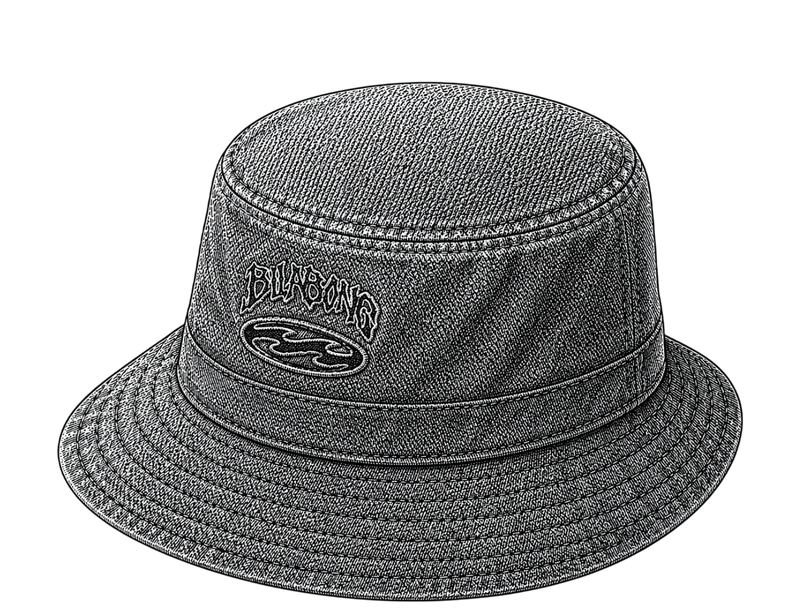
- Waxed cotton: Fully waterproof, breathable, ages well. Bucket hats and flat caps in waxed cotton handle sustained rain without damage.
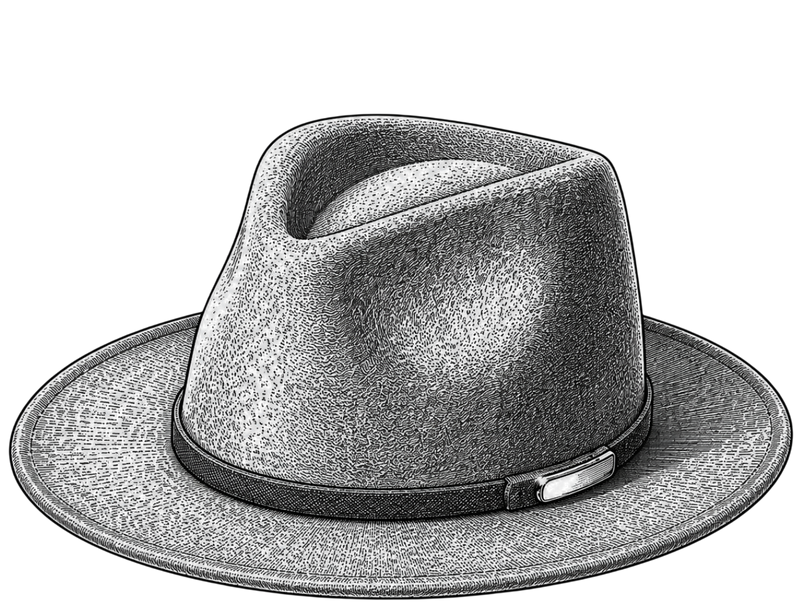
- Wool felt: Naturally water-resistant (wool fiber has a waxy cuticle that repels light rain). A quality felt fedora handles more moisture than most wearers expect. Can be re-treated with wool waterproofing spray.
- Technical fabrics: Gore-Tex and similar membranes are fully waterproof. Not aesthetically interesting, but genuinely functional for sustained outdoor use.
A straw hat treated with a light water-repellent spray handles a brief summer shower. It does not handle a downpour. Understanding that distinction is the difference between protecting a hat and expecting something from it that the material cannot provide.
Browse our range of natural straw hats and weather-capable alternatives in the full Hatloom collection.
Frequently Asked Questions
Can I spray a Panama hat with waterproofing spray?
Yes — a fabric-formulated fluoropolymer spray is safe for toquilla straw. Toquilla is already the most water-resistant natural straw fiber; fine-weave Panama hats need minimal treatment. Apply one light coat, allow full cure before exposure. Avoid silicone-based sprays.
Will getting my straw hat wet ruin it?
Light moisture on a treated hat: no. Sustained saturation on any untreated straw hat: likely shape distortion. The key is reshaping immediately while damp and allowing the hat to dry on a form. A hat that dries misshapen has been deformed by the drying process, not the water itself.
What waterproofing spray is safe for straw hats?
In Hatloom's testing, fabric-formulated fluoropolymer sprays — Nikwax Cotton Proof, Scotchgard Fabric Water Shield, or equivalent — are safest. Avoid silicone-dominant shoe sprays and wax-based products. When in doubt, test on an inconspicuous section of the hat interior before treating the full surface.
My straw hat got soaked and now the shape is distorted. Can it be fixed?
Sometimes. While still damp, reshape the hat by hand and place on a form to dry. If already dry and distorted: lightly mist the affected area with water to re-dampen the fibers, reshape, and dry on a form. Significant distortion in fine-weave hats may require professional re-blocking.
Is there such a thing as a fully waterproof straw hat?
Not in natural straw. Synthetic straw hats made from polypropylene braid are genuinely water-resistant and handle rain without damage — they are the practical choice when weather protection is the primary requirement. The trade-off is breathability and the natural texture of real straw fiber.