The combination of a hat and a winter coat creates the opportunity for a visually complete and well-considered winter ensemble -- or for a combination that looks assembled from separate decisions that were never meant to be worn together. The hat and coat are the two dominant elements of a winter outfit in terms of visual weight, and their relationship to each other in formality, colour, and silhouette determines whether the overall look is coherent or not. Getting this right is less about specific style rules and more about understanding why certain combinations work.
The Formality Alignment Principle
The most important single variable in pairing a hat with a winter coat is matching their formality levels. Both items exist across a wide formality range, and combinations that cross formality levels create visual discord that is difficult to resolve with colour coordination or other adjustments.
Coat formality levels (approximate, from lowest to highest):
- Puffer jacket / padded anorak (highly casual)
- Casual wool overcoat or peacoat (smart-casual)
- Structured wool single-breasted overcoat (semi-formal)
- Double-breasted structured wool coat or balmacaan (formal)
- Camel coat or long cashmere overcoat (formal to luxury)
Hat formality levels (approximate, from lowest to highest):
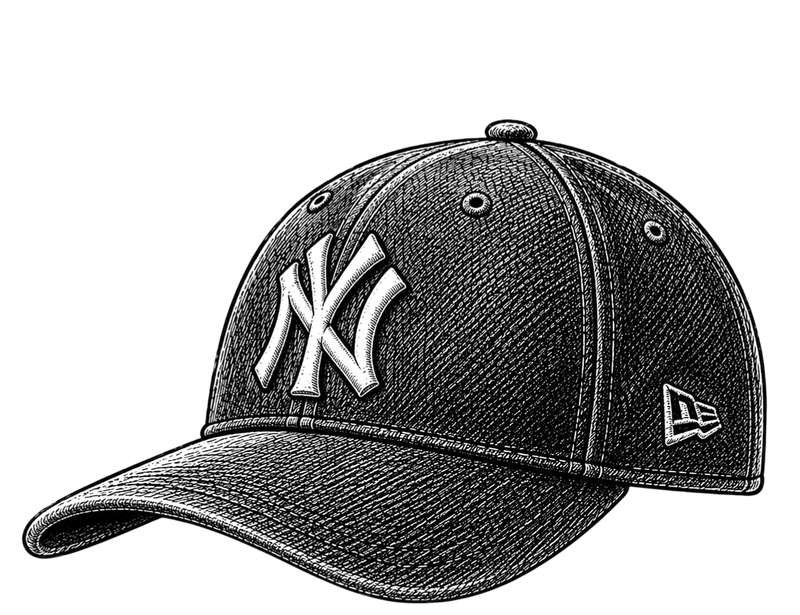
- Knit beanie, dad cap, trucker hat (highly casual)
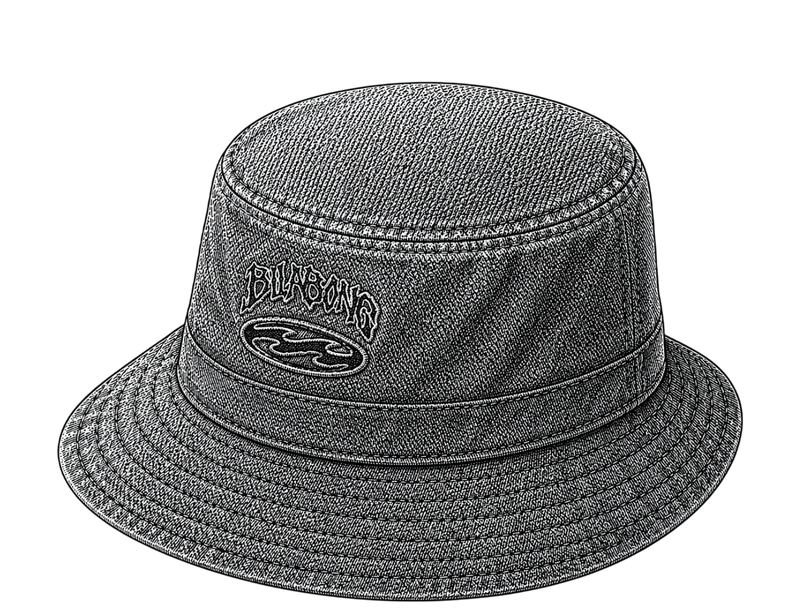
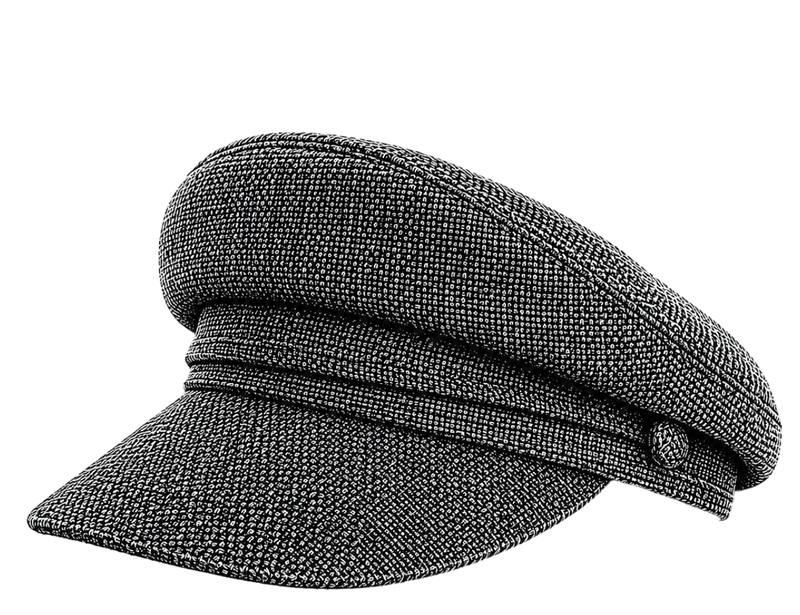
- Bucket hat, flat cap in wool (casual to smart-casual)
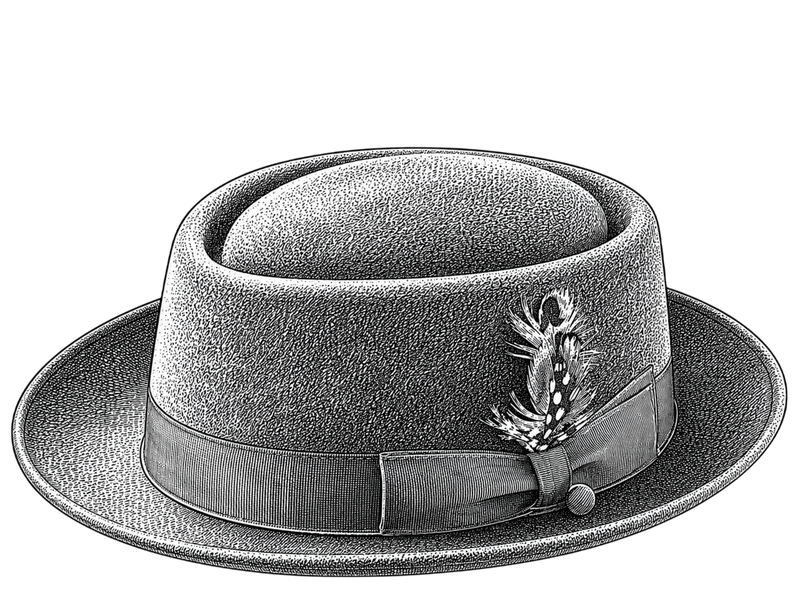
- Classic fedora, quality flat cap in tweed (smart-casual)
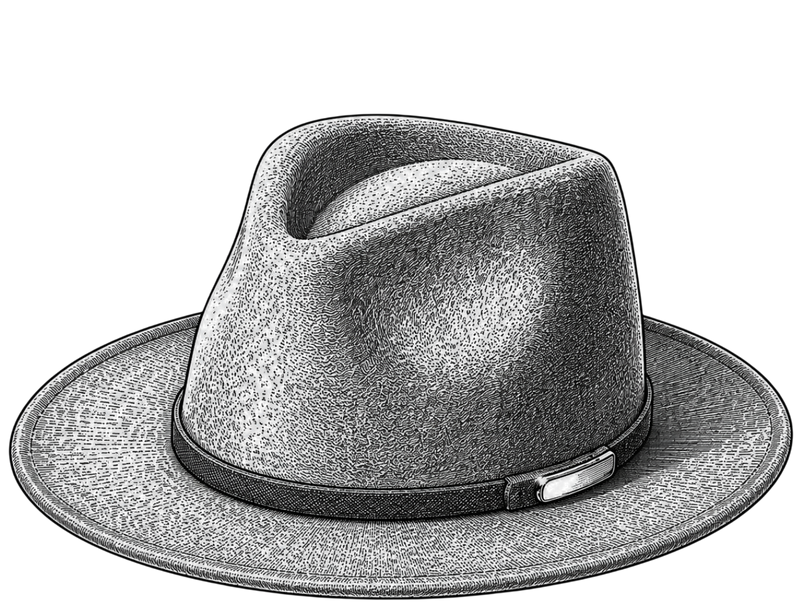
- Quality felt fedora or homburg (formal)
- Top hat (ceremonial)
The pairing principle: stay within two formality levels. A knit beanie with a structured formal wool overcoat creates a deliberate contrast that reads as intentional street style -- one level up in coat, one level down in hat. Two levels apart starts to read as unresolved. Three levels apart (puffer jacket plus formal homburg) reads as costume rather than outfit.

Specific Coat-and-Hat Combinations
The Camel Coat
The long camel coat is one of the most versatile autumn-winter pieces in existence, and its warm neutral colour coordinates with an extraordinarily wide hat range. The main consideration is formality matching: a long structured camel coat is a formal to semi-formal piece and pairs most naturally with a quality felt fedora, a quality flat cap, or a similar quality hat rather than a casual beanie or baseball cap.
Colour combinations with a camel coat:
- Dark brown felt fedora: tonal, warm, and elegant
- Charcoal grey felt fedora: warm coat with cool hat -- provides contrast while staying in a similar formality register
- Black hat: the strongest contrast option; clean and modern with the camel coat
- Cream or ivory hat: very close in tone to the camel coat; requires a well-fitting, quality hat to avoid looking colour-confused
The Dark Wool Overcoat (Charcoal, Navy, Black)
A structured dark wool overcoat -- the backbone of formal cold-weather dressing -- creates a strong base for hat wearing precisely because the dark coat provides contrast against which the hat can be clearly seen. A tan or camel felt fedora against a charcoal coat creates the warm-against-cool contrast that is consistently visually pleasing. A dark hat against a dark coat creates a more monochromatic, minimal look that requires the hat to add shape rather than colour interest.
The Peacoat
A peacoat's double-breasted, nautical-influenced silhouette sits in the smart-casual register. It pairs well with a quality flat cap (which has a similar British-influenced casual heritage) or a casual-end fedora. A flat cap in navy or grey wool against a navy peacoat creates a tonal combination that works; a warm camel or brown flat cap against a navy peacoat provides warm-against-cool contrast.
The Puffer Jacket
The puffer jacket presents the hat pairing challenge in its most extreme form because the jacket is maximally casual. The appropriate hat choices here are correspondingly casual: a beanie, a baseball cap, a bucket hat in a heavier material. A quality felt fedora with a puffer jacket is a deliberate style choice that references streetwear and fashion editorial contexts -- it can work if handled with complete confidence and the right outfit, but it is deliberately incongruous rather than naturally coherent.
Colour Strategy for Coat-Hat Combinations
Three colour strategies work for coat-hat combinations:
- Tonal: hat in the same colour family as the coat. A brown hat with a brown coat, a grey hat with a grey coat. Creates a monochromatic, integrated look. Requires both pieces to be clean, quality items -- tonal combinations show construction quality differences more than contrasting combinations.
- Warm-against-cool: a warm-toned hat (tan, camel, rust) with a cool-toned coat (charcoal, navy, dark green), or vice versa. This creates the most broadly flattering and widely used winter combination. The visual interest comes from the temperature contrast.
- Neutral-with-colour: a neutral coat (grey, black, camel, navy) with a coloured hat (forest green, burgundy, deep rust) or vice versa. One element provides colour interest while the other grounds the combination. This is more adventurous but effective when the colour relationship is clear.
Browse winter felt hats, flat caps, and cold-weather hat styles at Hatloom.

Frequently Asked Questions
Can I wear a beanie with a formal winter coat?
Yes, but it creates a deliberate formality contrast that reads as a specific style statement rather than conventional winter dressing. The beanie-with-formal-coat combination appears regularly in contemporary street style and fashion editorial contexts as an intentional mixing of registers. For it to work rather than look unfinished, both items need to be genuinely high quality (a cheap beanie with an expensive coat looks worse than the reverse) and the rest of the outfit needs to align with one register or the other clearly enough that the contrast reads as intentional. A beanie with a formal coat plus a business suit reads as confused; the same beanie with a formal coat over a relaxed outfit reads as style-aware mixing.
What colour hat goes with a black winter coat?
The most visually striking and versatile options for a black coat are: charcoal or dark grey (tonal, minimal, elegant); tan or camel (the warmth of the hat against the cool black of the coat -- the most classic contrast combination); burgundy or deep red (colour added to an otherwise monochromatic outfit); and white or ivory (the highest contrast option, strong and contemporary). Avoid very dark navy, which blends confusingly with black without creating a clear contrast. Black hat with black coat can work in a deliberate all-black approach but requires deliberate intent.
Should my hat match my gloves or scarf when wearing a winter coat?
A full coordinate -- hat, scarf, and gloves in the same colour or material -- creates a strongly coordinated look that was the traditional formal winter dressing approach. This works best when the items are clearly in the same family (the same navy, or matching grey tones) and the coordination is total. More common in contemporary dress is partial coordination: the hat and scarf in related tones without the gloves matching, or the scarf and gloves coordinated while the hat provides a contrasting note. The main thing to avoid is accidental near-match where the hat, scarf, and gloves are in similar but different shades that look like they should match but do not quite -- deliberate contrast is cleaner than inadvertent mismatch.