Winter hat dressing has a genuine tension built in: the hats that provide the most warmth are often the most basic in appearance, and the hats that look best are often the least insulating. Resolving this tension requires either choosing by occasion (warmth hat for outdoor transit, style hat for inside) or finding hat choices where the balance is better than the extremes suggest. This guide maps both approaches.
The Warmth-to-Appearance Spectrum in Winter Hats
Winter hat options run from pure warmth to pure appearance, with the best choices sitting in the middle:
- Maximum warmth, minimum style consideration: thick acrylic or fleece beanie, earflap hat with synthetic insulation, balaclava. These provide the best protection in severe cold (-10°C and below) but have limited compatibility with smart clothing and present a purely functional appearance.
- Good warmth, strong appearance: heavyweight wool felt fedora, cashmere flat cap, heavy tweed flat cap, structured wool coat hat. These provide meaningful warmth (felt and wool are effective insulators) while maintaining the appearance functionality of a structured hat. This is the most useful winter hat zone for people who want both.
- Moderate warmth, maximum style: a medium-weight felt fedora, a quality wool knit beanie in a fine gauge, a leather flat cap. These look excellent but are better suited to mild winter (0-10°C) than severe cold.
The Felt Fedora in Winter
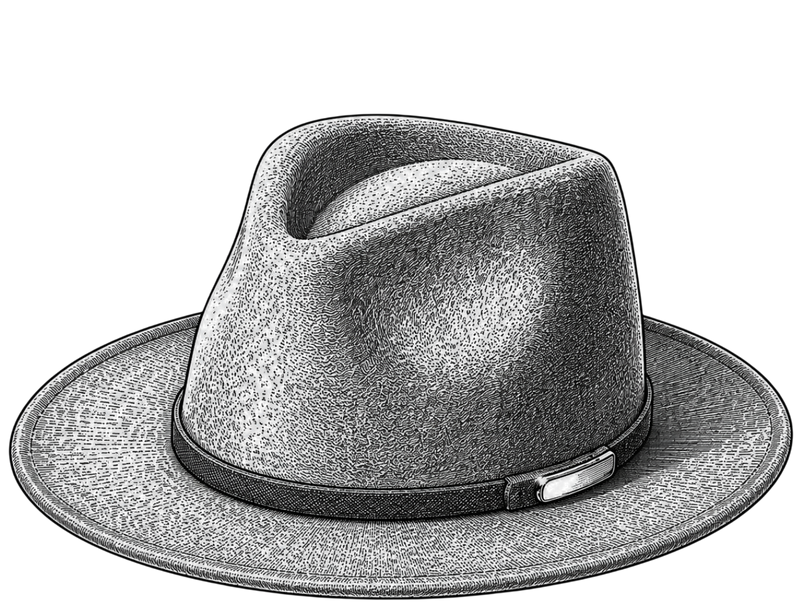
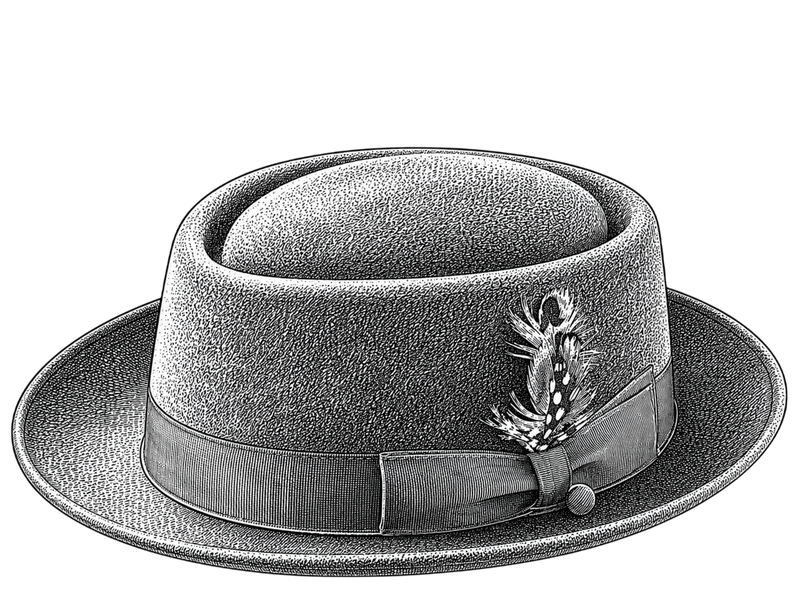
A heavyweight felt fedora is underused as a winter hat. It provides genuine warmth -- felt is an effective insulator, and a fedora covers the crown and much of the sides of the head. Its brim provides additional protection from wind and rain. A dark felt fedora in charcoal, dark brown, or black coordinates with the darker, heavier palette of most winter clothing.
The winter fedora works in contexts where a wool coat is worn -- the hat's formality register matches the coat's, and the combination creates a finished winter look without the appearance compromises of a purely functional hat. The limitation: a heavy felt fedora is not as warm as a wool beanie at the same price point because beanies cover the ears and fit closer to the head. For severe cold where ear coverage is required, the felt fedora alone is insufficient.

The Heavy Wool Flat Cap
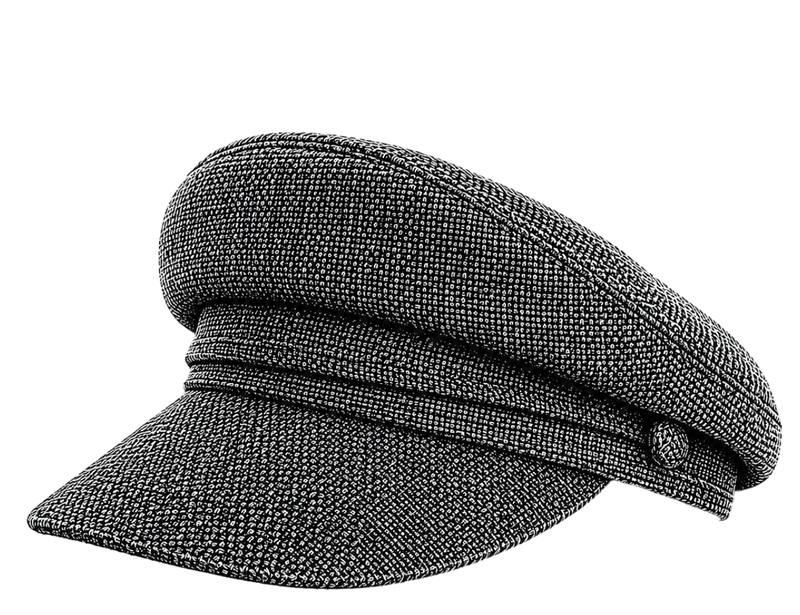
A heavy tweed or wool flat cap is one of the most versatile winter hat choices because it provides reasonable warmth (the wool material and close fit cover the crown effectively) while remaining appropriate across a wide range of outfit registers from casual to smart-casual. Earflap versions of the flat cap extend coverage to the ears without the visual bulk of a full earflap hat.
Colour for winter flat caps: earth tones (charcoal, dark brown, herringbone grey, dark green, burgundy) work in winter palettes. These coordinate naturally with coats in the neutral to dark range that dominate winter clothing.
The Cashmere Knit Hat: The Best Middle Ground
A quality cashmere knit hat -- a close-fitting, fine-gauge beanie or slouch hat in cashmere rather than acrylic -- is arguably the best single winter hat choice for people who want genuine warmth and a finished appearance simultaneously:
- Cashmere has a warmth-to-weight ratio superior to wool -- a thin cashmere beanie is significantly warmer than a thin wool beanie of the same weight.
- A fine-gauge cashmere hat fits close to the head without adding bulk, making it compatible with structured coat collars and scarves without creating a bulky neck zone.
- Cashmere reads as quality in a way that acrylic does not -- the surface sheen and soft finish are immediately perceptible and coordinate with higher-quality winter clothing.
The limitation is cost -- quality cashmere hats start at approximately 60-100 EUR and increase significantly for better grades. Cashmere-wool blends offer some of the warmth and appearance benefit at lower cost.
Styling Winter Hats With Winter Clothing
With Coats
A hat with a winter coat should have a matching or coordinating formality level. A structured felt fedora or heavy flat cap matches a tailored wool coat. A casual beanie, even a high-quality one, creates a visible register contrast with a formal coat. The exception: a cashmere beanie in a neutral colour with a formal coat can read as a deliberate casual-formal contrast if the outfit as a whole supports it.
With Scarves
Hat and scarf compete for the same visual territory around the head and neck. Two approaches work: tonal coherence (hat and scarf in the same colour family, different textures) or deliberate contrast with a neutral anchor (one element in a statement colour, the other in a neutral). The mistake is two competing colours that are both statement colours and clash -- two strong colours in adjacent position without coordination reads as an accident rather than a choice.
Ear Coverage in Very Cold Conditions
When temperatures require ear coverage but a full earflap hat is visually unwanted, three options address both requirements: a structured hat worn with a thin headband underneath that covers the ears; a hat with internal fold-down earflaps that are concealed inside the crown when not needed; or a flat cap with attached earflaps that fold upward when not required. These options maintain a structured hat appearance while providing ear coverage when conditions require it.
Browse winter hats across all warmth levels and styles at Hatloom.

Frequently Asked Questions
What is the warmest hat style that still looks good?
A heavyweight double-layer cashmere knit hat provides the best combination of warmth and appearance. A double-layer knit (the hat is knitted in a tube that folds over itself, providing two layers of material) adds meaningful insulation without adding bulk at the crown. In cashmere, this provides genuine warmth to approximately -10°C with appropriate layering at the ears and neck, while appearing as a sleek, fine-knit hat rather than a thick ski beanie. For colder conditions, a wool felt fedora worn over a thin liner hat provides both the hat's appearance and additional ear and crown coverage.
Should a hat match the coat in winter?
Exact matching (same material and colour) is one option but not a requirement. Tonal coordination (hat and coat in the same colour family -- both dark neutrals, both earth tones) is the more flexible approach and covers more combination options. A neutral hat (black, grey, tan) matches virtually any coat colour without requiring exact coordination. The useful contrast approach -- a dark coat with a lighter or textured hat -- works when the contrast is clear and intentional rather than near-matching in a way that reads as an attempt at exact matching that missed.
Are beanies appropriate for formal winter events?
A standard acrylic beanie is not appropriate for formal winter events. A fine-gauge cashmere beanie in a neutral colour occupies a borderline position -- it can work with smart-casual winter dressing but is at the edge of what a formal dress code would consider appropriate. For formal winter events where headwear is expected or worn, a structured hat (felt fedora, homburg, top hat for the most formal occasions) is the appropriate choice. A beanie signals informality regardless of its material quality, and that signal conflicts with formal occasion expectations.
How do I stop a hat from ruining my hairstyle in winter?
Hat hair in winter is caused by the compression of the hat interior against the hair, which is worse in winter because hats are worn for longer durations and in wetter conditions. Mitigation strategies: apply a light styling product (cream, gel) to the hair before wearing the hat -- this gives the hair enough hold to spring back from compression rather than lying flat when the hat comes off; carry a small comb or pick for quick restoration after hat removal; choose a hat with a satin-lined interior rather than a rough cotton or synthetic interior, which reduces friction and the frizz caused by static. For women with longer hair, a loose pineapple updo (hair gathered loosely at the top) inside a beanie or close-fitting winter hat preserves curl or wave definition better than letting the hair lay flat inside the hat.