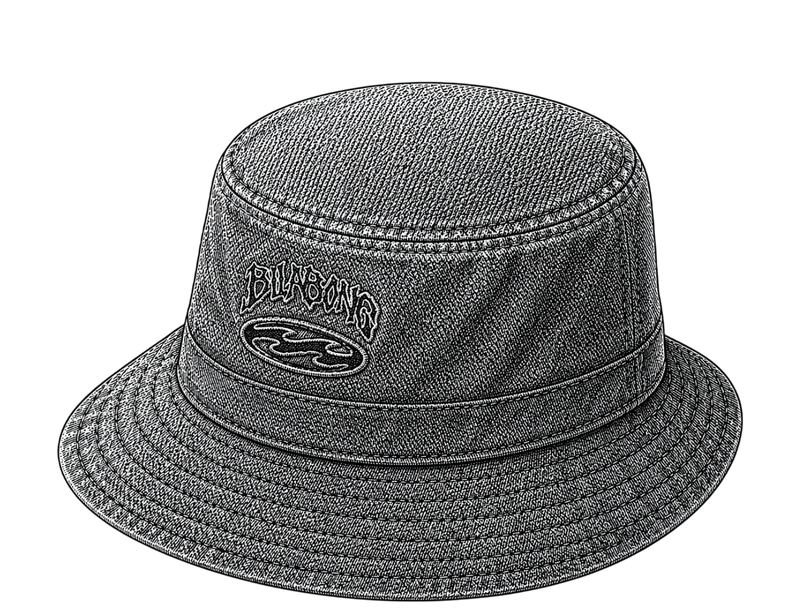
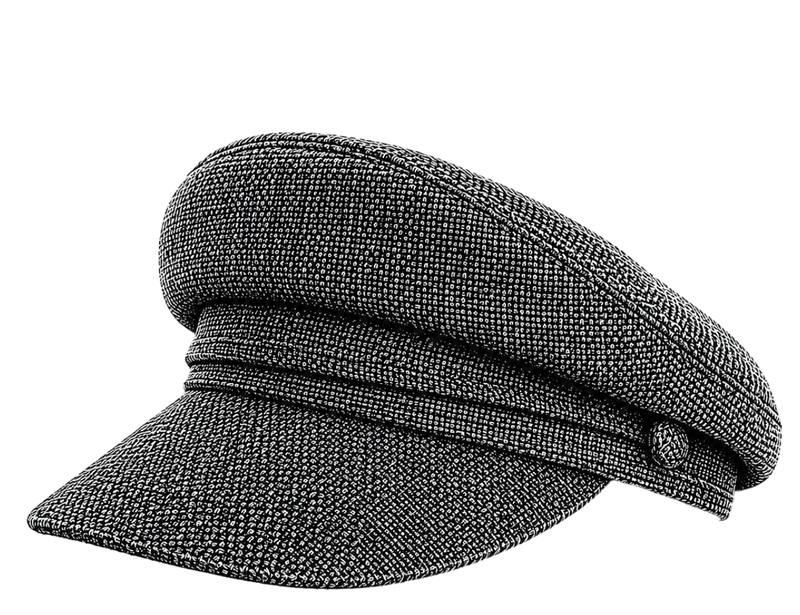
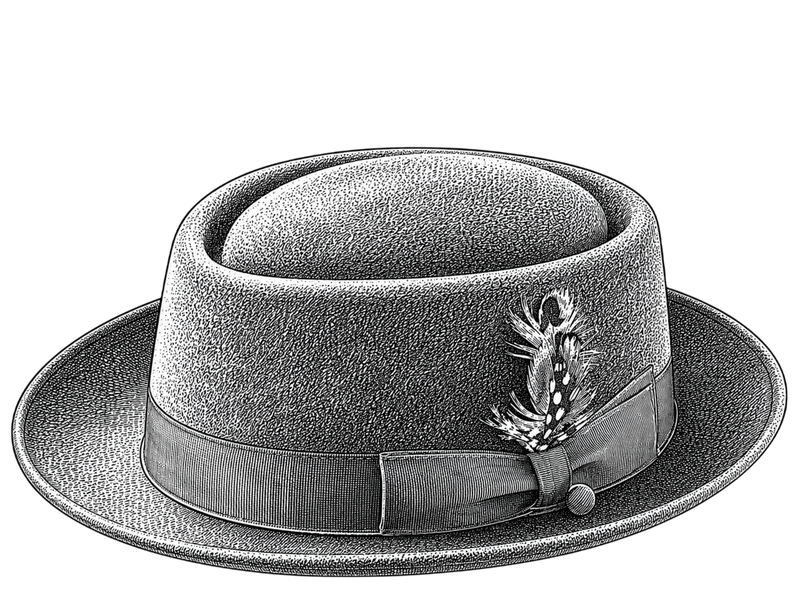
Travel forces a hat decision that everyday life avoids: you cannot bring five hats for five different occasions. The hat you travel with has to work across multiple contexts, survive transport, and be worth the space it occupies in luggage or the awkward commitment of carrying it by hand. This guide resolves those constraints with specific strategies rather than generic advice.
The Core Travel Hat Problem
Hat travel creates three specific problems that do not exist in daily hat use:
- Transport damage: a structured hat in checked luggage will be compressed and deformed. The exception: correctly-designed hat boxes in checked luggage, but these take space and add weight.
- Context mismatch: a trip may involve a beach day, a city tour, a dinner, and a flight home -- contexts that each call for a different hat type. One hat has to perform across these.
- Space and weight: hats are awkward objects that do not pack flat, and a hat that takes significant carry-on space for only occasional use is a poor space investment.

The Packable Straw Hat Solution
A packable straw hat is designed to be rolled into a cylinder or flat-packed into a bag and to return to its correct shape when unrolled. This resolves the transport damage problem entirely. Several specific options:
- Packable toquilla straw Panama: genuine toquilla straw has a flexibility that allows rolling without cracking. A rolled Montecristi or similar quality Panama can be stored in a tube (some come with dedicated tubes) and unrolled to full shape at the destination. This is the most elegant solution because the hat is a quality piece in any context where it is worn.
- Paper straw packable hat: lower quality than toquilla, and the cracking risk with paper straw increases with each pack/unpack cycle. Paper straw packable hats are inexpensive but deteriorate faster than natural straw versions.
- Packable fabric sun hat: a UPF-rated fabric sun hat that folds flat is functionally useful for beach and outdoor touring contexts but lacks the versatility range of a quality straw hat for smarter occasions.
The Carry-On Strategy for Structured Hats
A structured hat (felt fedora, stiff Panama) that cannot be packed can be transported by wearing it on the plane. The convention of wearing a hat as cabin luggage rather than in the hold is the standard approach for hat owners who want to travel with structured hats:
- Wear the hat for airport transit; remove for security screening (the hat must pass through the X-ray machine separately).
- For overhead bin storage: place the hat brim-up on top of other items, not on its crown. Better: if the overhead bin is not crowded, a hat placed brim-up takes approximately the same space as a small bag and survives the flight without compression.
- The hat can be worn during the flight if comfortable; the main risk is crushing during sleep or unconscious leaning against the headrest.
Choosing One Hat for Multiple Contexts
The single-hat travel solution requires a hat that bridges contexts. Two options succeed consistently:
The Medium-Brim Natural Straw Panama (or Equivalent)
A natural straw hat with a 5-7 cm brim and a classic simple band:
- Beach: full sun protection, breathable, appropriate
- City touring: appropriate for daytime outdoor use, coordinates with both casual and smart-casual clothing
- Dinner: a clean, quality straw hat at an outdoor or casual dinner is appropriate; at formal indoor dining, it comes off (which is correct hat etiquette anyway)
- Airport: lightweight, packable, appropriate
The limitation: the straw hat does not work for cold destinations. For warm-weather travel, it is the most versatile single hat.
The Quality Flat Cap
A quality wool or tweed flat cap for cool-weather travel destinations:
- Outdoor touring: wind protection, moderate rain protection, appropriate for all casual and smart-casual contexts
- Museums and cultural sites: appropriate at the same register as the rest of the outfit
- Transport: low profile, fits inside a bag without a hat box if not overly structured
- Cold weather use: genuine warmth function
Practical Hat Travel Tips
- Stuff the crown before packing: whether packing a hat in luggage or in an overhead bin, stuffing the interior of the crown with soft items (socks, underwear, a scarf) prevents the crown from collapsing under light pressure from above. The crown maintains its shape; the stuffing makes use of the interior space.
- Position in luggage: if packing a semi-structured hat in soft luggage, place it brim-up at the very top of the bag so nothing sits on the crown. Surround the brim area with soft items that provide padding without compression.
- Hat sizing tape: carrying a small strip of hat sizing tape is useful travel preparation -- if a hat stretches slightly from travel heat and wear, the sizing tape trims the fit at the interior without any other adjustment required.
Browse packable straw hats and travel-suitable styles at Hatloom.

Frequently Asked Questions
Can I put a hat in checked luggage?
Possible with the right approach, not recommended without one. A hat placed loose in a soft bag in checked luggage will be compressed under the weight of other bags in the hold. A hat in a dedicated rigid hat box survives checked luggage well; the hat box itself adds approximately 3-5 kg to luggage weight and takes significant space. For most travelers, wearing a structured hat or carrying it as cabin luggage is more practical than checking it in a hat box.
How do I re-shape a straw hat that got crushed in travel?
Dampen the deformed areas with cool water and very gently work the hat back toward its original shape by hand. Allow to dry in the correct position, supported by the head (wearing the hat while it dries is effective) or on a bowl or hat stand of the correct size. For a rolled packable straw hat, unroll and allow 15-30 minutes at room temperature before assessing whether reshaping is needed -- most quality packable straw hats return to shape without any intervention.
Do airlines allow hats as personal items?
A hat is not a standard personal item category -- it is not a bag. In practice, wearing a hat through the boarding process does not create an issue; a hat placed flat in an overhead bin is treated as luggage that takes space within the bin's capacity. If a hat will not fit in the overhead bin and you are asked to check it, requesting that it be placed flat in the overhead area or requesting a garment bag for it are options worth asking about. Airlines do not typically have specific hat policies.
What is the best hat to buy at a destination?
At beach and tropical destinations, buy a packable or natural straw hat from a reputable local market or shop rather than the resort gift shop -- local production is often higher quality and significantly less expensive than resort retail markup. In cities with strong hat traditions (Panama City for toquilla straw, Cordoba for Andalusian styles, certain Italian cities for fine felt), local hat shops are worth visiting for both purchase and interest. Avoid purchasing at airports, where hat quality and pricing are both poor.