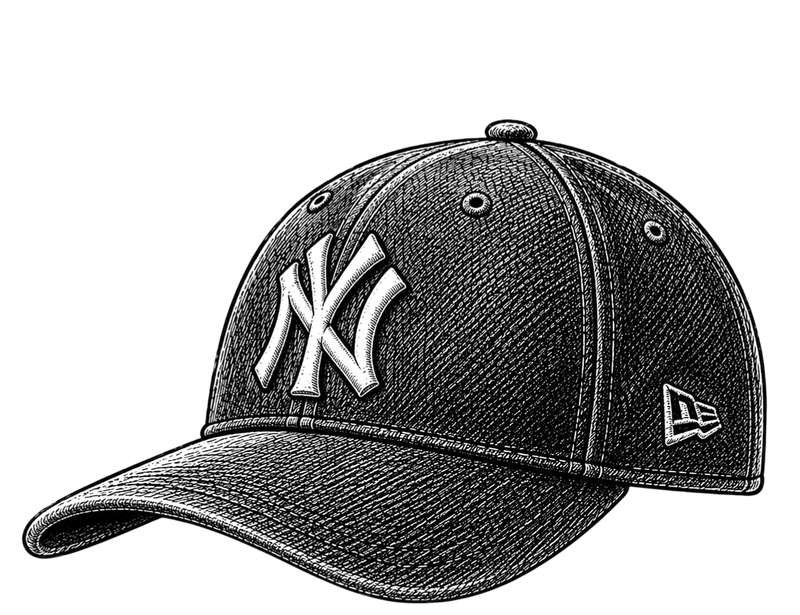
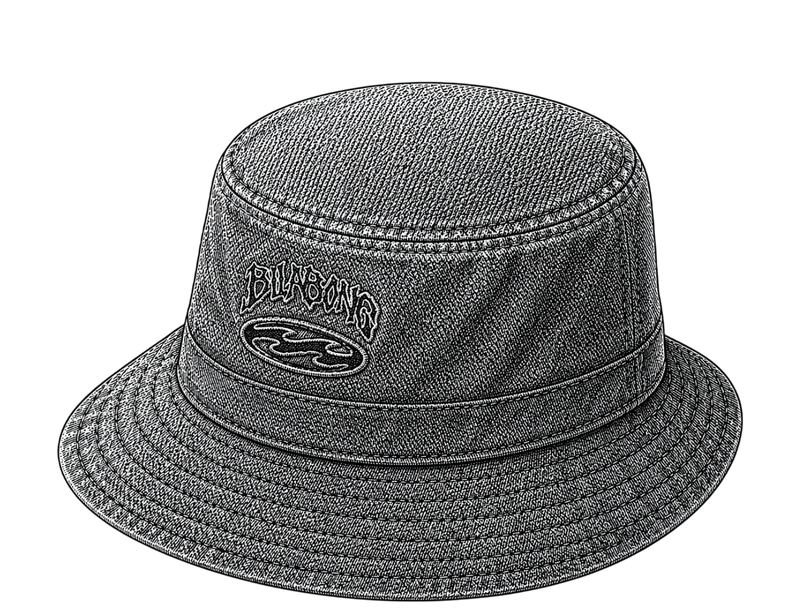
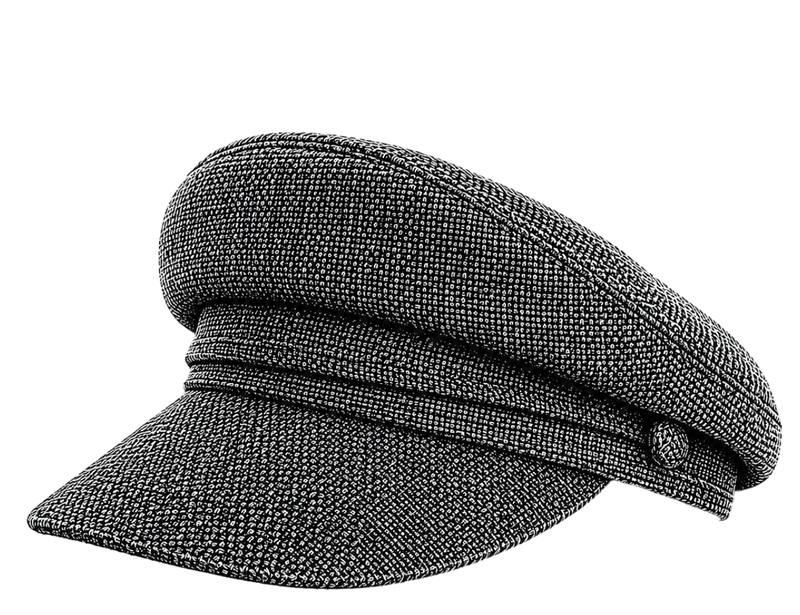
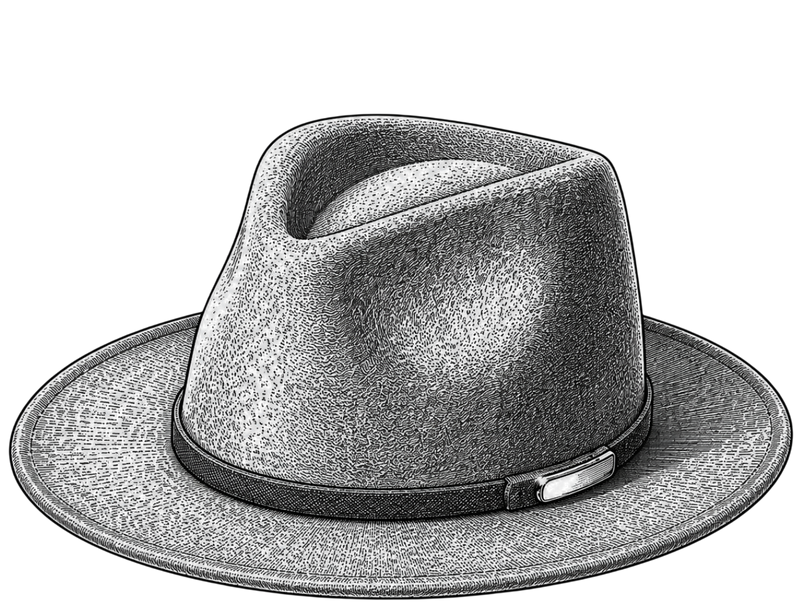
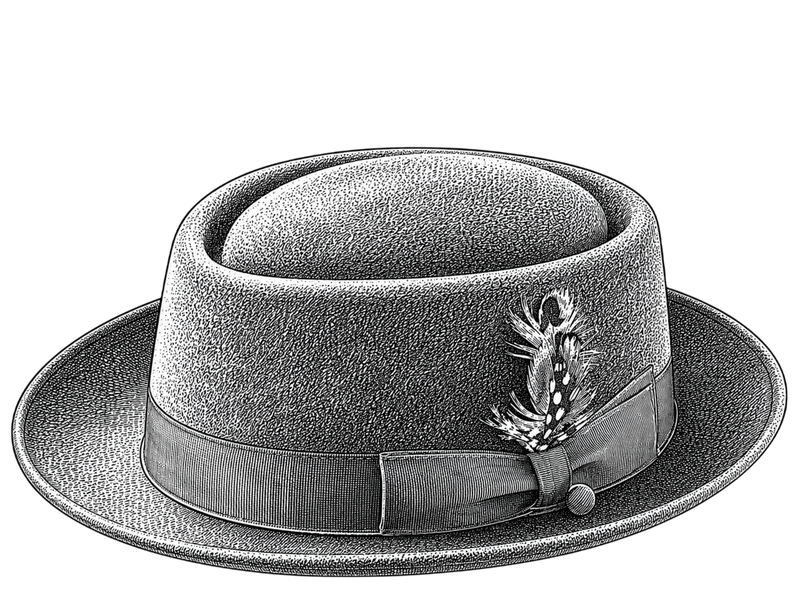
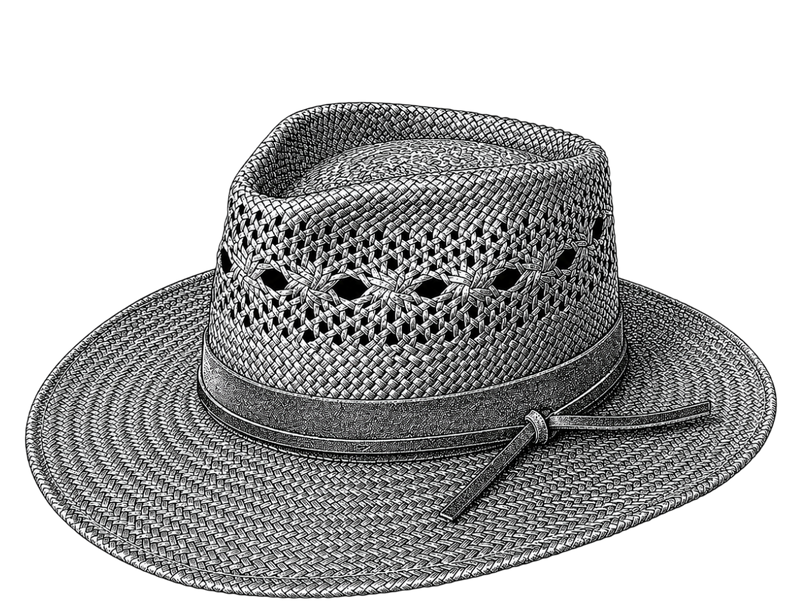
The hat and coat are the two dominant outer-layer elements of a dressed appearance, and their relationship determines the overall impression more than any other combination. A hat and coat that work together read as a complete, considered statement. A hat and coat that conflict -- in formality, in color register, in material weight -- undermine both pieces independently. The rules that govern the relationship are not complex, but they are consistently overlooked.
The Formality Match Rule
The single most important principle: the hat and coat must be in the same formality register. This means:
- A structured felt fedora requires a coat that can carry it -- a tailored wool overcoat, a well-cut pea coat, a belted trench. Not a casual puffer jacket, not a technical shell, not a hoodie under an unstructured jacket.
- A casual wool flat cap suits a relaxed overcoat, a waxed jacket, a casual wool coat. It works against the formality read of a full-length formal overcoat in a different way than the fedora problem -- the cap reads as too casual for the coat's formality.
- A bucket hat belongs with casual outerwear -- field jacket, casual puffer, hooded anorak. A bucket hat with a tailored overcoat is the most common formality mismatch in everyday hat-wearing.
Material Register: The Second Variable
Beyond formality, the material weight and character of the hat and coat should be compatible. Fine straw hats belong with linen and light summer fabrics. Heavy wool felt belongs with heavy wool outerwear. Cotton canvas bucket hats belong with cotton and technical outerwear. When the material weights mismatch -- a fine Panama with a heavy parka, a wool felt fedora with a summer linen jacket -- the combination reads as seasonally or contextually inconsistent.
The texture relationship matters secondarily: rough-textured outerwear (heavy tweed, waxed cotton, textured wool) suits rough-textured hat materials (rough felt, tweed flat cap, textured straw). Smooth, refined outerwear (cashmere overcoat, fine wool trench) reads best with smooth, refined hat materials (fine rabbit felt, fine-weave Panama).
Color: Three Relationship Approaches
Approach 1: Monochromatic or Tonal
Hat and coat in the same color family at different intensities. A camel coat with a camel hat -- different depths of the same warm tone -- reads as intentional and complete. A charcoal coat with a dark gray hat creates a sophisticated tonal layering that is very difficult to get wrong once the formality match is correct.
The risk with monochromatic approaches: if the hat and coat are too similar in color intensity, the hat disappears against the coat background. The tonal difference should be visible from 3-4 meters away.
Approach 2: Neutral Hat, Statement Coat
A neutral hat (charcoal, camel, black, natural straw) allows a statement coat color to lead. A caramel felt fedora with a bold-colored coat (cobalt wool, deep emerald, red) works because the hat is not competing -- it is framing without declaring.
Approach 3: Statement Hat, Neutral Coat
A statement hat color or material (a deep burgundy hat, a bright-color Panama, a checked flat cap) against a neutral coat (charcoal, navy, camel). The hat is the deliberate accent element; the coat provides the neutral ground. This approach is more visible and requires more conviction -- the hat is clearly the point of the combination.
Specific Coat Types and Their Hats
The Trench Coat
The trench coat has strong associations with the felt fedora -- this combination has 80 years of cultural reinforcement. A classic camel or stone trench with a dark felt fedora (charcoal, dark brown, or navy) is one of the most visually coherent combinations available. A wide-brim fedora with a belted trench creates a deliberately cinematic reference; a classic snap-brim fedora with an unbelted trench is more contemporary.
The trench coat also works with quality flat caps in a slightly less formal register, and with a classic Panama in summer weight. It does not work with bucket hats or casual knit beanies in most styling contexts.
The Wool Overcoat
A quality wool overcoat -- single or double-breasted, full-length -- carries the most formal hat options with ease. The classic combination is a felt fedora in a complementary dark tone. The wool overcoat also works with the homburg (more formal) and the pork pie hat (slightly less formal but within the same register). A flat cap with a fine wool overcoat reads as deliberate British country-house casual when executed with quality; as slightly under-dressed when not.
The Pea Coat / Military-Inspired Coat
Double-breasted wool pea coats and military-derived outerwear have a strong formality midpoint -- more structured than a casual jacket, less formal than a full overcoat. This coat type is particularly versatile for hat matching: the fedora works, the flat cap works, and even a quality bucket hat in wool or tweed can be appropriate depending on the specific coat and hat material.
The Puffer Jacket
The puffer jacket's casual register is the most limiting for hat combinations. What works: baseball caps, knit beanies, bucket hats in casual materials. What does not work: structured felt hats of any kind -- the formality mismatch is too significant. The puffer jacket may be the most popular outerwear of the current era, but it is also the most limiting for hat diversity.
Technical Outerwear and Shells
Technical shells, rain jackets, and performance outerwear occupy an athletic-to-casual register that suits only similarly casual hat options: baseball caps (ideally performance or casual cotton), bucket hats, beanies. A felt fedora with a Gore-Tex shell is a styling incongruity that no amount of intentionality rescues.
Find quality felt fedoras and flat caps suited to wool outerwear in the Hatloom collection.
Frequently Asked Questions
Can I wear a fedora with a puffer jacket?
The formality of a felt fedora and the casual register of a puffer jacket create a significant mismatch that most style observers will register as intentional irony or as a styling error, depending on context and execution. If the goal is intentional contrast -- deliberately pairing high and low formality elements -- it can be made to work with very confident execution in specific creative or fashion-forward contexts. For most everyday styling purposes, a more casual hat (bucket hat, flat cap in a casual fabric) is a better match for a puffer jacket.
What hat works with a long wool coat?
A full-length wool overcoat carries the full range of quality felt hat options -- fedora, homburg, pork pie, and quality flat cap all work within the formality of a long wool coat. The choice depends on the specific coat character: a very formal wool overcoat suits a more formal hat (fedora, homburg); a more casual wool coat (relaxed lapels, casual cuts) suits a quality flat cap or a pork pie hat. Color coordination follows the three approaches above, with dark-to-mid-tone neutrals typically being the most versatile.
Do hat and coat colors need to match?
They need to be harmonious, which is different from matching. An exact color match between hat and coat reads as a coordinated set rather than as an independently styled combination. Tonal harmony (same color family at different intensities), complementary neutrals, or neutral-plus-accent approaches all produce more interesting and more clearly styled results than exact matching.
What hat works with a leather jacket?
A leather jacket occupies an interesting formality midpoint -- more structured than casual outerwear, but with a subcultural edge that separates it from tailored coats. Hat options: a quality flat cap in fine wool (British heritage reference that complements the jacket without fighting it), a classic snap-brim fedora in dark felt (the rock-and-roll heritage combination), or a well-chosen structured bucket hat in a refined material. Baseball caps work in casual leather jacket contexts. Very formal felt hats (homburg, wide-brim occasion hat) conflict with the leather jacket's subcultural register.
Should the hat match the coat or the outfit underneath?
Primarily the coat, secondarily the outfit. The hat and coat are both outer-layer elements and their visual relationship is the most prominent one. The outfit underneath the coat is often not visible outdoors, making the hat-coat relationship the dominant styling statement. When indoors with the coat removed, the hat-to-outfit relationship becomes relevant -- which is why hat colors and materials that work across both the outerwear and the underlayer clothing palette are the most practically useful.