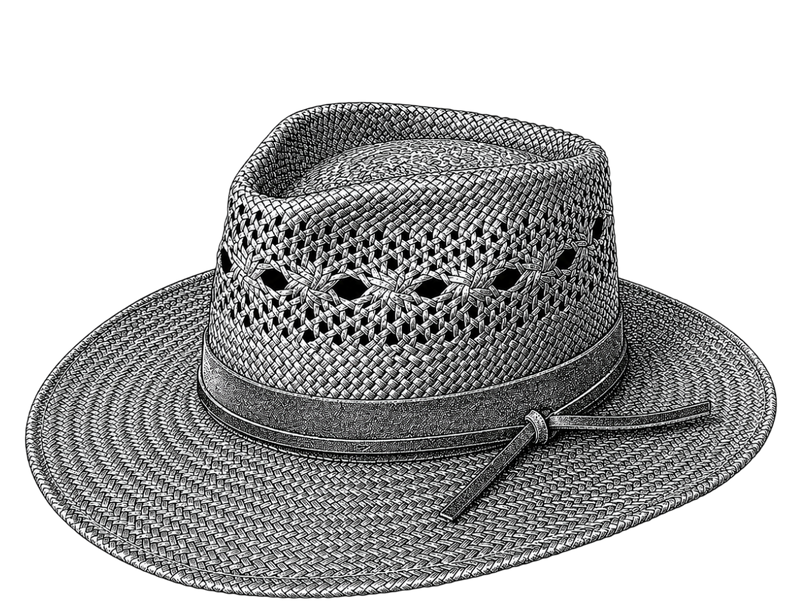
Most hats that come home from travel damaged were not damaged in transit. They were packed incorrectly before the bag was closed. The hat did not fail — the packing decision did.
This guide covers every hat type and every luggage scenario, including the approaches that actually work and the ones that look reasonable but consistently cause damage.
The Core Problem: Hats Are Shaped Objects in a Bag Designed for Flat Things
A suitcase compresses. Regardless of how carefully you pack, the bag will be placed on conveyor belts, stacked under other luggage, and handled roughly enough that any hat inside an unprotected position will bear external pressure. The question is not whether pressure will occur — it is whether your packing absorbs that pressure before it reaches the hat.
Method by Hat Type
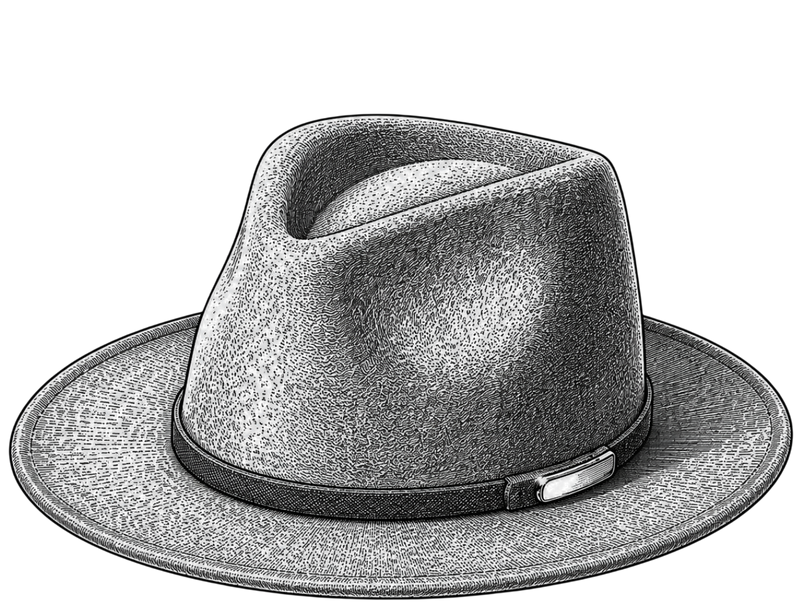
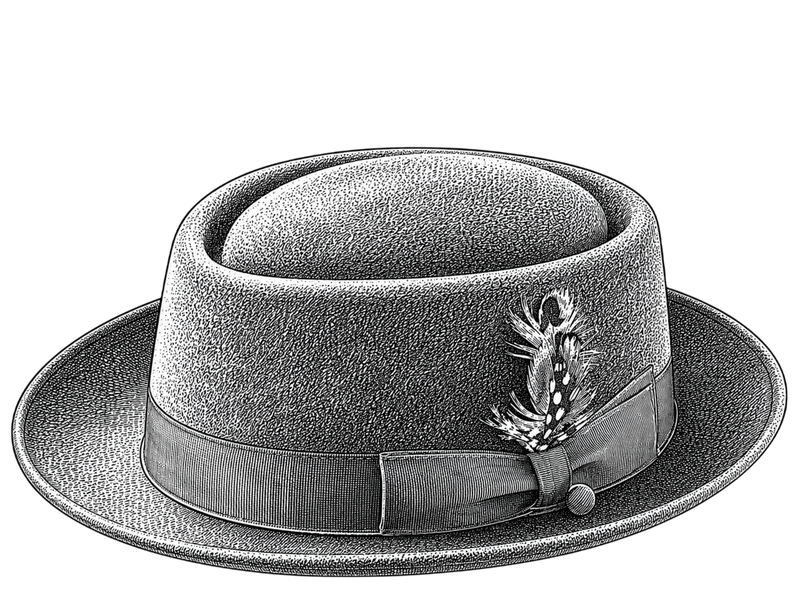
Structured Felt Hats (Fedoras, Homburgs, Western Hats)
Structured felt hats are the most vulnerable to travel damage and the most difficult to pack. A crushed felt crown that dries in the wrong shape may require professional steaming to restore.
The carry-on method (strongly preferred): Do not check a structured felt hat if you can avoid it. Carry it on the aircraft. In the overhead bin, place it crown-down on a flat surface or hold it in your lap during boarding. Most airlines allow one hat as a personal item or carry-on if it is worn or carried flat.
If the hat must go in checked luggage:
- Fill the crown firmly with soft clothing — rolled socks, underwear, or a small soft bag. The fill must be firm enough that the crown does not collapse inward under pressure, but not so dense that it stretches the hat. The goal is maintaining the crown shape from the inside.
- Place the hat crown-up in the center of the suitcase, not at the edges where the bag flexes most.
- Build walls of clothing around the hat on all sides. The hat should be surrounded by buffer material with no direct contact between the hat brim and the suitcase exterior.
- Place soft, lightweight items over the hat — not heavy or hard objects.
- Do not place anything heavy on top of the hat layer.
What does not work: Placing a felt hat brim-down. The brim is the most structurally vulnerable part and will curl or distort under pressure from above. Placing a hat at the edge of a suitcase where it contacts the hard frame. Placing it under books, shoes, or any rigid or heavy items.
Straw Hats (Panama, Raffia, Seagrass, Wide-Brim)
Natural straw has two failure modes in travel: cracking from pressure and distortion from moisture. Both are preventable.
Rollable straw hats: Some straw hat styles — particularly fine toquilla Panama hats — are designed to roll. A genuine rollable Panama hat can be rolled into a cylinder, placed in a protective tube, and unrolled without damage. This is a material property specific to fine toquilla weave, not a general property of all straw hats. Do not attempt to roll a structured boater or coarse-weave straw hat — the brim will crack.
Non-rollable straw hats: Use the same internal-fill and buffer-clothing method as structured felt hats. Straw is brittle under point pressure — a single hard edge contacting the brim can crack it. Padding is not optional.
Moisture risk: If traveling to humid environments, place the hat in a breathable cotton bag (not sealed plastic) before packing. Sealed plastic traps moisture and can cause straw to soften and distort. Cotton breathes and keeps the hat clean without creating a moisture trap.
Flat Caps, Bucket Hats, and Baseball Caps
These are the most travel-friendly hat styles. Their softer construction tolerates moderate compression without permanent damage.
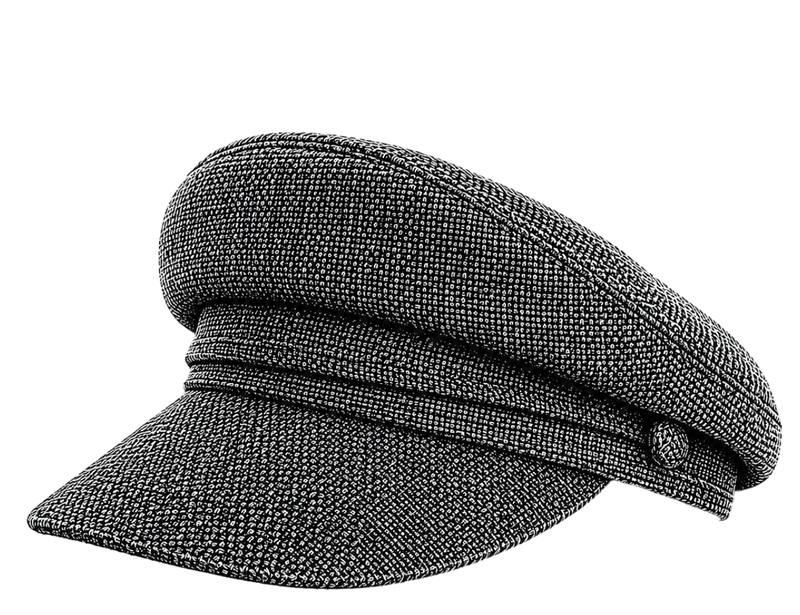
- Flat caps: Can be placed flat in a suitcase with light clothing on top. Avoid placing rigid or heavy objects directly on the cap. If the cap has structure (a stiffened brim), place it brim-up rather than brim-down.
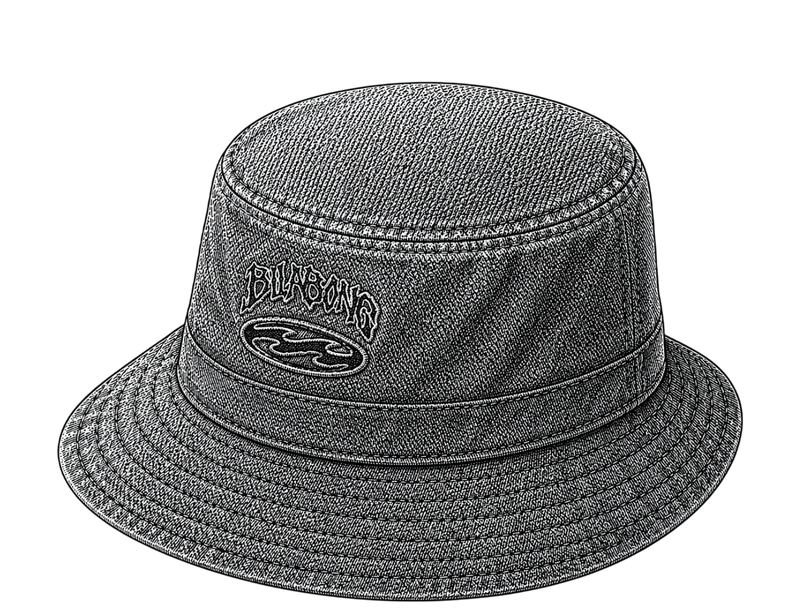
- Bucket hats: Fully packable. Fold flat, place anywhere in the suitcase. Reshapes naturally when unfolded. The bucket hat exists partly because it was designed to pack without a case — it is the travel-practical hat.
- Baseball caps: The crown will maintain its shape if packed with soft fill inside. Without fill, a structured crown may develop a crease from sustained pressure. An unstructured (dad cap) baseball cap tolerates packing freely.
The Hat Box: When It Is Worth It
A purpose-made round hat box is the only reliable way to travel with a structured hat in checked luggage. The rigid exterior distributes pressure across the box walls rather than transmitting it to the hat. Baggage handlers identify round boxes and typically handle them differently than standard rectangular luggage.
The practical limitation: a hat box occupies significant volume in luggage and may count as a checked bag depending on airline policy. For a single trip with one quality hat, the cost-benefit often favors the hat box. For frequent travel, the carry-on method is more practical.
At the Destination: Restoring Shape After Travel
Even carefully packed hats sometimes arrive slightly misshapen. The restoration process is simple:
- Remove the hat from the suitcase immediately — do not leave it compressed in the bag.
- If misshapen, hold the affected area briefly over steam (hotel kettle, bathroom steam from a hot shower) for 10–15 seconds.
- Reshape gently by hand while warm and pliable.
- Place on a round form — a balled towel, an upturned cup, or your own head — and allow to cool and dry in the correct shape.
A felt hat that has been compressed in transit responds to this treatment reliably. A straw hat with a cracked brim does not — cracked straw fibers are a structural failure, not a shape issue, and cannot be reversed at home.
The Simplest Approach
Wear the hat to the airport. Wear it on the plane. Carry it off the plane. No hat packed in checked luggage is as safe as a hat worn on the wearer head. For any hat you care about, this is the default recommendation. Every other method is a compromise.
Find packable bucket hats and travel-friendly styles in the Hatloom bucket hat collection.
Frequently Asked Questions
Can you pack a Panama hat in a suitcase?
Fine-weave toquilla Panama hats are designed to roll — place in a protective tube and pack. Coarser-weave Panama-style hats should be packed using the crown-fill and clothing-buffer method rather than rolling, as the brim will crack. Always check whether a specific Panama hat is marketed as rollable before attempting it.
Will a felt hat survive being checked as luggage?
With correct packing — crown filled firmly, surrounded by clothing buffer, placed centrally in the suitcase — a felt hat survives most checked-luggage situations. The risk is not zero. For any hat of significant value or sentimental importance, carry-on or wearing is the safer choice.
What is the best hat to travel with?
A bucket hat or unstructured baseball cap — both pack completely flat without damage and require no special accommodation in a suitcase or carry-on. For travelers who want a more stylish option, a rollable Panama hat in a protective tube is the premium travel-compatible choice.
Can I take a hat as a carry-on on a plane?
In most cases yes — a hat worn on your head does not count as carry-on luggage. A hat carried in your hand or placed in the overhead bin counts against your carry-on allowance depending on airline and regional policy. Wearing the hat through boarding is the standard approach for travelers with structured hats they do not want to pack.
How do I fix a hat that was crushed in a suitcase?
For felt hats: steam the affected area for 10–15 seconds, reshape by hand while warm, and dry on a round form. For straw hats without cracking: lightly mist the area with water, reshape, and dry on a form. For cracked straw: professional repair or replacement is typically required — cracked fibers do not rejoin.