The hat that you cannot bring because it does not fit in a bag is the hat you leave behind and then need. Travel hat management fails in two places: choosing a hat that cannot travel at all (then losing sun protection or style on the trip), or attempting to travel with an unsuitable hat and damaging it. The question of which hats can travel is material science, not luggage strategy — the answer is determined by what the hat is made of, not how cleverly it is packed.
The Fundamental Division: Rollable vs. Not Rollable
Hats divide into two categories for travel purposes:
Rollable/packable: Hats made from materials that can be compressed, rolled, or folded and then return to their original shape without damage. These hats can travel in a bag.
Not rollable: Hats made from materials that hold shape through structural rigidity — once compressed, the structure deforms and either cannot be restored or requires steam and effort to restore. These hats require a hat box or carry-on placement, or they do not travel.
Understanding which category your specific hat falls into is the entire analysis.
Hats That Can Be Rolled or Folded
Fine Quality Panama Hats (Top Grade)
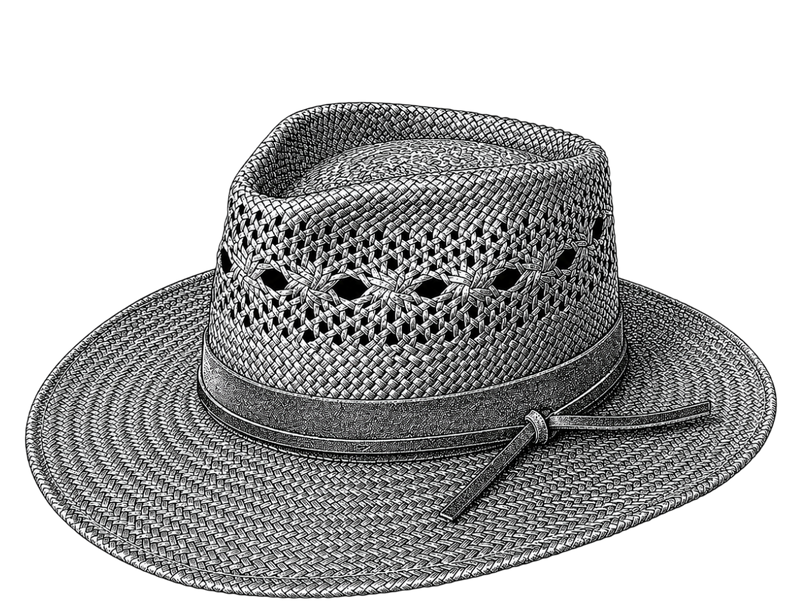
A high-grade Montecristi toquilla Panama hat is one of the few structured hats that can be genuinely rolled without damage. The extremely fine, flexible toquilla weave behaves like a textile rather than a rigid structure at the highest grades — it can be rolled into a cylinder, placed in a tube, and unrolled at the destination to spring back into shape with minimal intervention.
This rollability is grade-dependent. Only genuine fine-grade toquilla Panamas can be rolled. Mid-grade toquilla has some flexibility but should not be rolled. Coarse toquilla and toquilla imitations (paper straw, synthetic) crack or crease permanently when rolled.
How to roll a rollable Panama: flatten the crown gently, fold one side of the brim in, roll from the brim end toward the crown in a loose, gentle cylinder. Store in a tube or rolled-hat carrier rather than in a bag where other items can compress it. Unroll and reshape the brim with hands at the destination; hang in the bathroom with a brief steam exposure from the shower if any residual crease remains.
Floppy Straw Hats (Raffia and Soft Weave)
Wide-brim sun hats in raffia or soft open-weave straw — the kind associated with beach and resort wear — are typically designed to be packable. They are constructed without internal structure, meaning the brim and crown bend and compress without resistance. These hats travel by being folded flat and placed in a bag; they recover their drape immediately when removed.
The limitation: folded raffia develops crease lines along fold points. These fade with wearing (body heat and natural drape restore the form over an hour or two of wear) but can be visible immediately after travel.
Knit Hats and Beanies
All knit hats — beanies, knit tams, knit cloches — travel perfectly. Knit construction has no shape memory; the hat folds to any form without stress. Pack in any available space and reshape instantly by wearing.
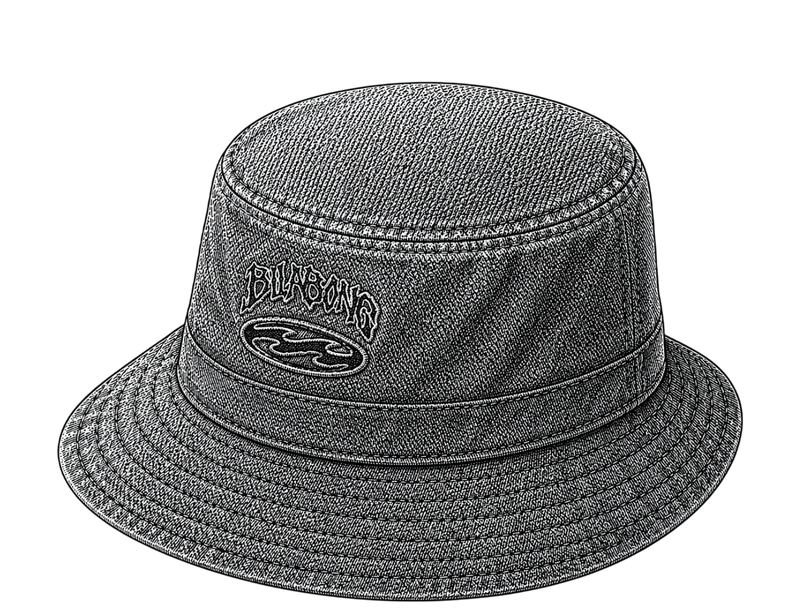
Bucket Hats in Flexible Fabric
Cotton canvas, cotton twill, and nylon bucket hats travel easily — the unstructured crown and flexible brim fold and crumple without structural consequence. A cotton bucket hat can be stuffed into a jacket pocket, pressed under other luggage, or rolled into a cylinder and it emerges unchanged when shaken out. This travel practicality is one of the reasons the bucket hat has maintained its relevance across decades.
Hats That Cannot Be Rolled
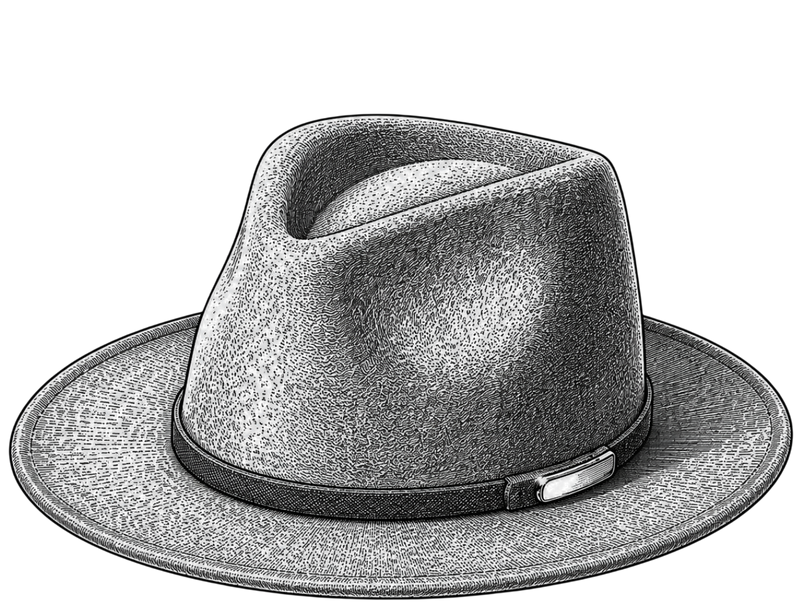
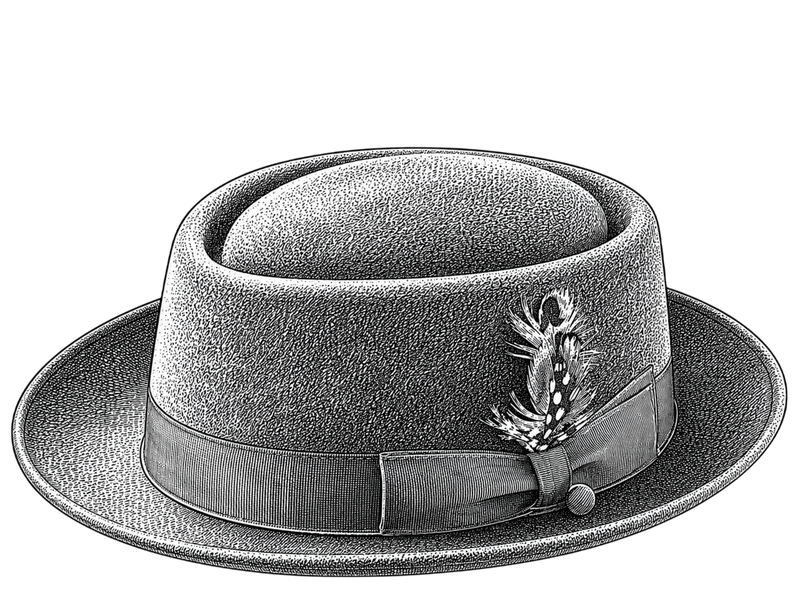
Structured Felt Hats (Fedora, Homburg, Pork Pie)
Felt hats hold their shape through the structural memory of the felt itself — a compressed, processed wool or rabbit fiber that sets into position during manufacture. Compressing a felt hat deforms the felt structure. The crown dents, the brim creases, the shape is lost.
Felt can be reshaped with steam, but the reshaping process requires effort and access to steam — not typically available in a hotel room without planning. A dented fedora can be restored; the restoration requires 15–30 minutes of careful steam work and is not guaranteed for significant compression damage. Travelling with a structured felt hat means either a hat box, a rigid carry-on hat case, or careful placement in the overhead bin.
Sennit Straw (Boater) and Structured Straw
The boater hat's rigid sennit construction has no flexibility. Compressing a boater hat cracks the sennit braid — a structural failure that is either permanent or requires professional repair. The boater absolutely does not travel in a bag. Hat box or dedicated carrying is the only viable approach.
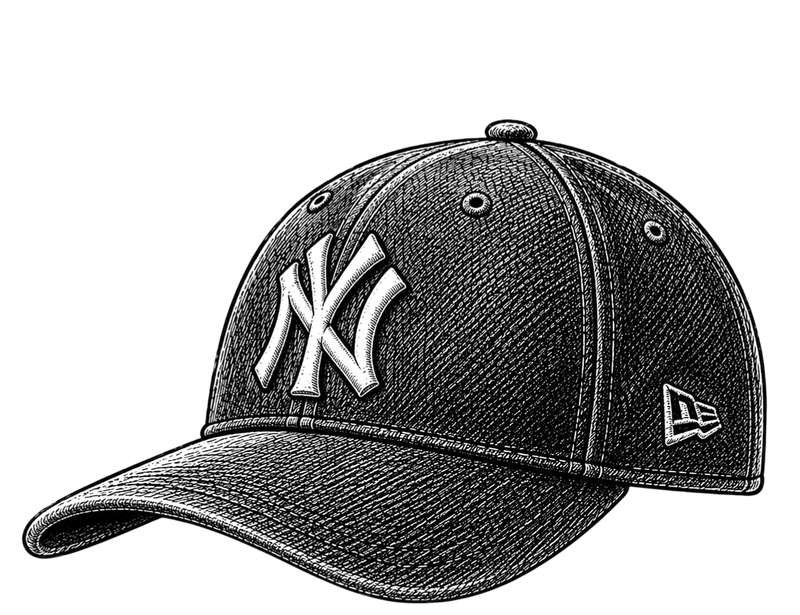
Baseball Caps With Structured Crowns
The front panels of structured baseball caps are stiffened with buckram or interfacing. Compressing the front panel creates a crease in the stiffened panel that does not recover on its own. The curved visor also develops set creases if folded. Structured caps should be placed crown-down inside other items (a shoe stuffed inside the crown to preserve the shape) or carried in a cap case.
Unstructured baseball caps (six-panel soft caps with no front stiffening) are genuinely packable and travel without issue.
Practical Travel Hat Strategies
The Carry-On Approach
For hats that cannot be packed — structured felt, sennit straw, structured caps — carry-on placement is the standard travel approach. Place the hat in the overhead bin first, before other items fill the bin. Orient crown-down inside another bag if possible, or lay the hat brim-down in the bin (not crown-down, which compresses the crown on one point). Do not place heavy items on top of the hat.
The Hat-Specific Tube
For rollable Panama hats, dedicated travel tubes — typically a rigid cylinder 30–35 cm long — are available from many hat retailers and travel accessories brands. The hat is rolled inside the tube, which protects the rolled hat from compression during transit. Carry-on is still preferable (checked baggage handling is not gentle), but a good tube provides reasonable protection.
Stuff the Crown
For semi-structured hats that are not being rolled, stuffing the crown with soft items (socks, underwear, scarves) prevents crown collapse during transit. The stuffed crown becomes a rigid structure that the surrounding luggage does not compress. This approach works for caps, fedoras that are being placed carefully (not compressed), and mid-grade Panamas.
Find packable Panama hats and foldable summer straw styles built for travel in the Hatloom straw hat collection.
Frequently Asked Questions
Can I check a hat in my luggage?
For packable hats (bucket hats, knit hats, floppy straw), yes. For structured hats (felt, straw, structured caps), the rough handling of checked luggage presents significant risk. Checked bags are compressed by other luggage, thrown, and stacked in ways that carry-on bags are not. Any structured hat in checked luggage should be in a rigid hat box placed in the center of a suitcase surrounded by soft clothing padding, without heavy items placed on top. The risk is still meaningful — carry-on is strongly preferred for any hat you care about.
How do I pack a fedora in a suitcase?
Fill the crown with soft items to prevent collapse. Place the hat crown-down (brim up) in the suitcase and surround the brim with folded clothing that provides support rather than compression. Do not place anything on top of the hat. If the suitcase is a hard shell, the hat can sit on the base of the suitcase with the hard sides protecting it. The concern is lateral pressure from surrounding clothing compressing the brim — the clothing buffer should protect against this rather than contributing to it.
Will a Panama hat recover after being rolled?
A genuine fine-grade toquilla Panama will recover from proper rolling with minimal intervention — the inherent flexibility of the fine weave causes the hat to spring back toward its original shape. Brief steam exposure (from a shower or kettle) accelerates the recovery. Mid-grade toquilla recovers partially but may retain slight crease evidence along fold lines. Paper straw and synthetic Panamas do not recover from rolling — the creases are permanent.
What is the best hat to buy specifically for travel?
A packable Panama hat — fine or medium-grade toquilla in a fedora or optimo crown shape. The combination of travel practicality (rollable), style utility (works at events, beach, and daily wear), sun protection, and quality durability makes it the best single travel hat for most destinations. A cotton bucket hat is the best option if maximum durability and packability are the priorities and style flexibility matters less. For cold-weather travel: a fine knit wool beanie that packs to nothing and reshapes immediately.
How do I remove creases from a hat after travel?
Steam is the universal hat crease remedy for natural materials. Hold the creased area over a steaming kettle, clothes steamer, or shower steam (place the hat on a hook in a hot shower without letting water hit it directly) for 15–30 seconds. The natural fibers relax and become pliable. Gently reshape with hands while warm, hold in position for 20–30 seconds as it cools, then let dry at room temperature. Repeat as needed for persistent creases. This works for felt (wool and rabbit) and natural straw (toquilla, raffia). It does not work for synthetic materials, paper straw, or sennit straw.