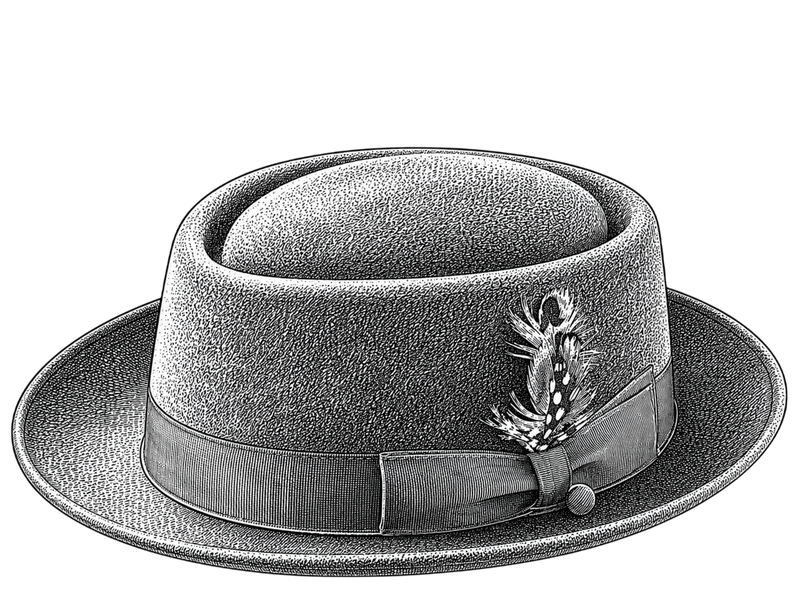
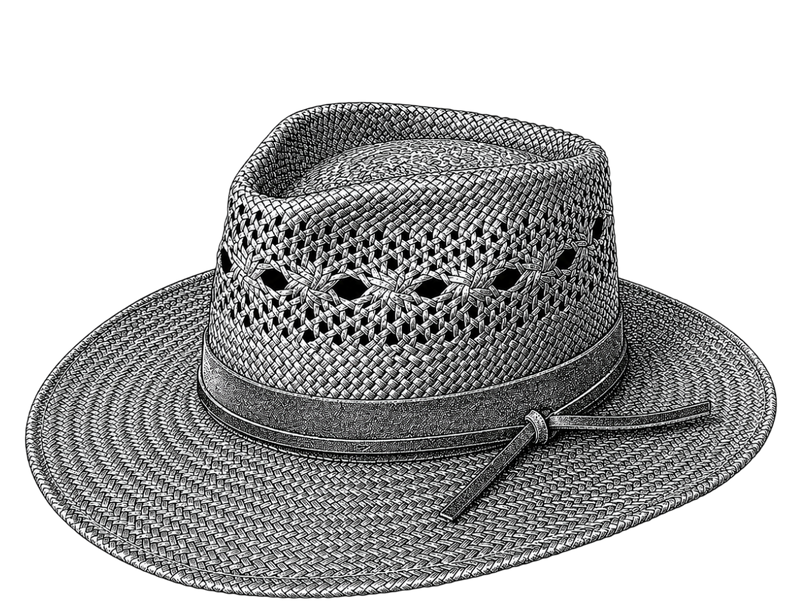
Most hat buying goes one of two ways: impulse purchase (a hat catches your eye at a market or in a shop window, you buy it, it sits unworn for three years because it does not fit into your life) or paralysis (so many options that you read guides, compare brands, and never actually buy anything). The useful alternative is a decision framework that maps your actual context to the specific hat choices that will serve it -- not in theory but in terms of what you will actually wear, where, and how often.
The Three Questions You Actually Need to Answer
Before price, brand, or style, three questions determine which hat makes sense to buy:
- When will I actually wear this? Not when could I wear it, not what contexts are theoretically appropriate -- when will I actually put it on my head in my real life. Be honest. 'Whenever I go out' only counts if you go out and already think about what hat to wear.
- What is the dominant condition I will wear it in? Sun protection, cold weather warmth, rain protection, casual daily wear, formal occasions, specific sport or activity? One primary condition and one secondary condition is usually enough to define what the hat needs to do.
- What do I already wear, and does the hat work with it? A hat that is incompatible with your existing wardrobe will not be worn even if it is excellent. The hat needs to be wearable with what you actually put on your body.
First Hat by Context
The Casual Daily Wearer
Profile: you wear casual clothes most of the time (jeans, casual trousers, T-shirts, sweatshirts) and want a hat that works with this wardrobe for everyday use.
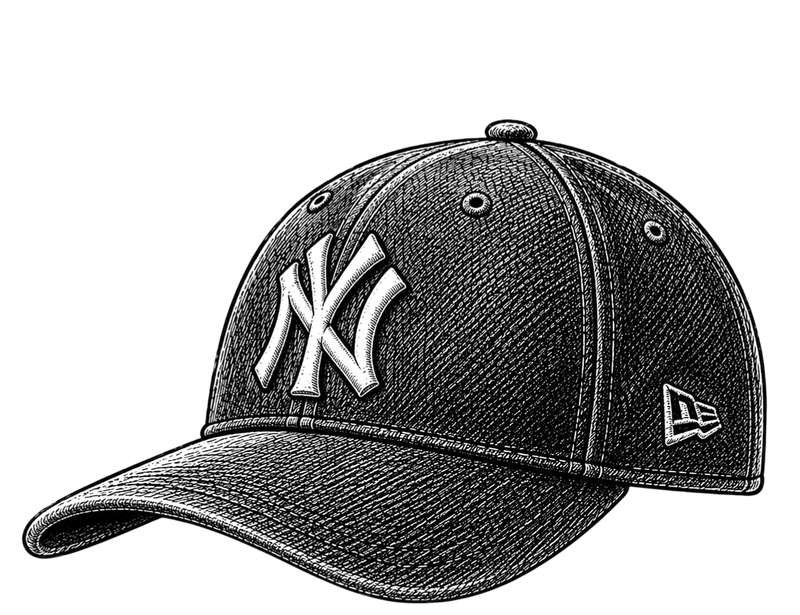
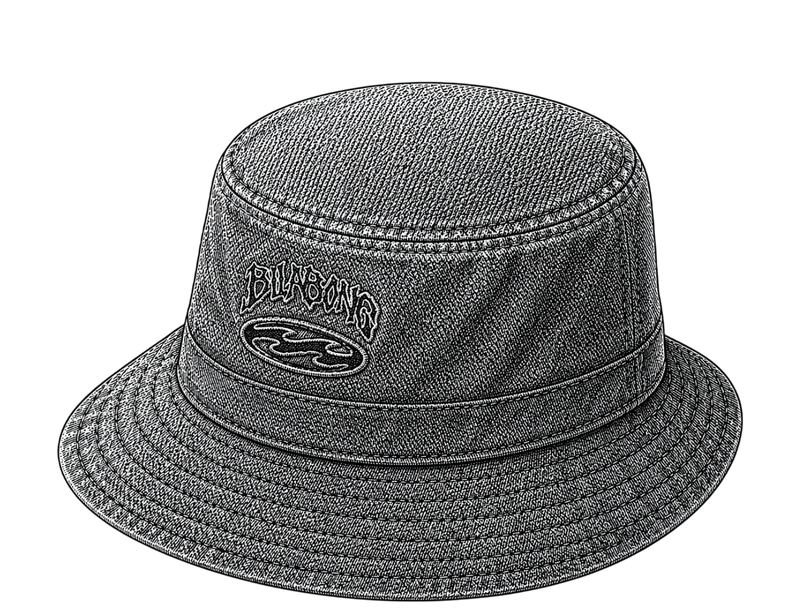
Recommendation: a quality baseball cap in a neutral colour (black, navy, olive, or charcoal), or a bucket hat in a heavyweight cotton if you prefer all-around coverage. The baseball cap fits the casual context more naturally than more structured alternatives and has the widest compatibility with casual clothing. A quality cap from a reputable brand (not a promotional item) in a well-fitted size is the most practical first hat for this profile.
What to look for: a six-panel construction with a slightly structured front panel that holds its shape, a well-positioned sweatband, and either fitted sizing in your correct circumference or an adjustable closure (snapback or velcro) that provides a genuinely snug fit.

The Smart-Casual Upgrader
Profile: you have established taste in clothing, wear a mix of smart-casual items (tailored trousers, quality knitwear, some formal occasions), and want a hat that elevates rather than just complements your existing wardrobe.
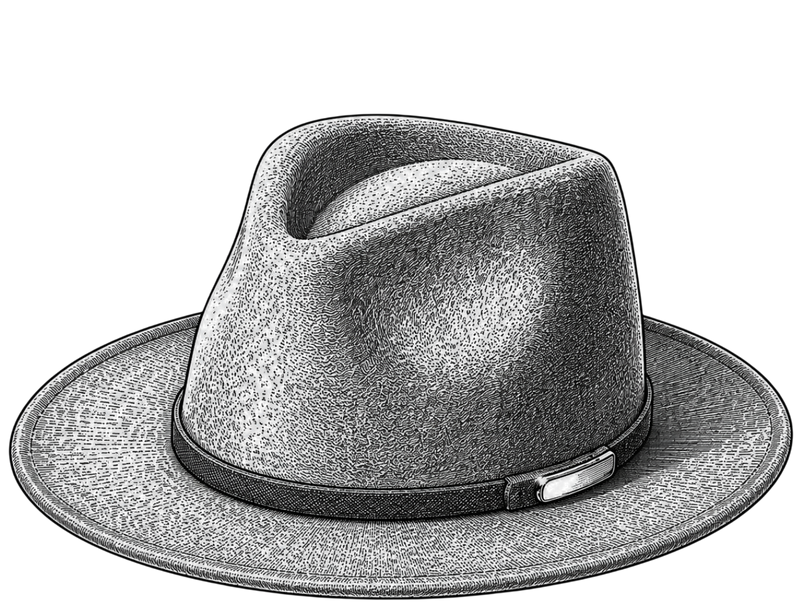
Recommendation: a quality felt fedora in a neutral colour (grey, camel, dark brown, or navy) in medium-weight felt for year-round use. A fedora is the most versatile structured hat for smart-casual and smart contexts. It creates genuine visual interest, works across contexts from casual evening to semi-formal occasions, and retains its value over time as a quality item.
What to look for: fur felt or quality wool felt construction, a brim width of 5-7 cm appropriate to your face width, a medium crown height (7-9 cm), and a well-finished interior with a leather or quality synthetic sweatband.
The Outdoor Practical Buyer
Profile: you spend time outdoors -- hiking, gardening, beach, travel -- and want a hat that protects you from the sun first and looks reasonable second.
Recommendation: a wide-brim sun hat in a UPF-rated material, or a quality Panama hat for a more refined option. The wide-brim option (brim of 7-10+ cm) provides the most face, ear, and neck coverage. Look for a chin strap or toggle for outdoor conditions. A Panama hat in a medium to fine grade gives you sun protection and genuine versatility for both outdoor and more dressed contexts.
The Winter Warmth Buyer
Profile: you live in or visit cold climates and want a hat primarily for warmth.
Recommendation: a quality merino wool beanie in a neutral colour (charcoal, navy, grey, or black). Merino is significantly superior to acrylic alternatives in warmth, moisture management, and softness against skin, and it works at a visible quality level that allows the hat to transition from purely functional to wearable with casual dress. A fold-over cuffed beanie provides a double layer at the ear area for better cold protection.
Budget Tiers and What They Actually Get You
- Under €30: casual hats in cotton, synthetic, or low-grade felt. Functional for casual use; not investment pieces. Appropriate for exploring whether you actually wear hats before spending more
- €30-80: quality casual hats and entry-level structured hats. A good quality baseball cap, a decent bucket hat, or an entry-level felt hat. Represents the point where construction quality begins to matter
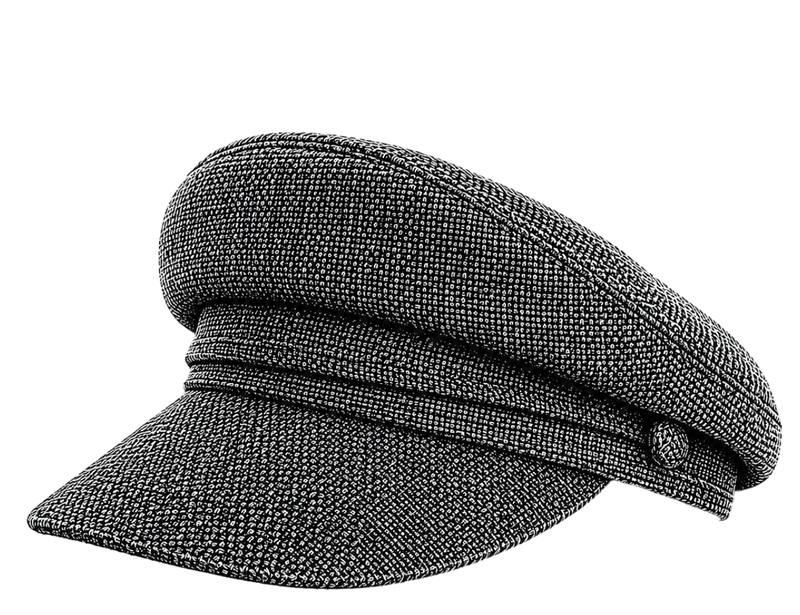
- €80-200: quality structured hats (wool felt fedoras, quality flat caps in tweed) and entry-level luxury materials (medium-grade Panama hats, quality merino beanies). The range where durability and quality are meaningfully better
- €200+: premium materials (fur felt, fine-grade Panama) and artisan construction. Long-term investments that improve with wear and last decades with proper care
Browse the complete hat range across all styles and price tiers at Hatloom.
Frequently Asked Questions
What is the best first hat to buy?
The best first hat depends on what you will actually wear it for. The most universally useful first hat is a quality baseball cap in a neutral colour and correct fit -- it works in the most contexts, has the lowest styling risk, and allows you to assess whether you are the kind of person who wears hats before committing to more specialised or expensive options. If you already know you want a structured hat, a medium-brim felt fedora in grey or camel is the most versatile structured first hat. The wrong approach is buying the hat that looks best on a model without considering whether you will wear it in your actual life.
How do I know if a hat is worth the money?
A hat is worth its price if it will be worn regularly enough to justify the per-wear cost. A €15 hat worn twice a week for two years has a per-wear cost of about 10 cents; a €150 hat worn twice a week for ten years has a similar per-wear cost. Quality hats are cheaper on a per-wear basis than cheap hats worn rarely -- but only if they are actually worn. The secondary indicator of worth is material and construction quality: does the hat feel and look like something that will retain its shape and appearance over years of wearing? A cheap hat that looks the same after one season as it did new is unusual; a quality hat should look better as it develops a patina and fits more precisely to your head over time.
Should I buy one good hat or several cheap ones?
Buy one good hat for each genuine purpose before buying multiples in the same category. If you need a sun hat for outdoor use, one quality wide-brim hat serves that purpose better than three inexpensive alternatives. If you need both a sun hat and a smart casual hat for different contexts, those are two separate purchases at whatever quality level makes sense for each context. The error to avoid is accumulating multiple similar hats at low quality rather than one at higher quality -- you end up with a drawer full of hats that are all marginally tolerable rather than one you reach for every time the occasion arises.