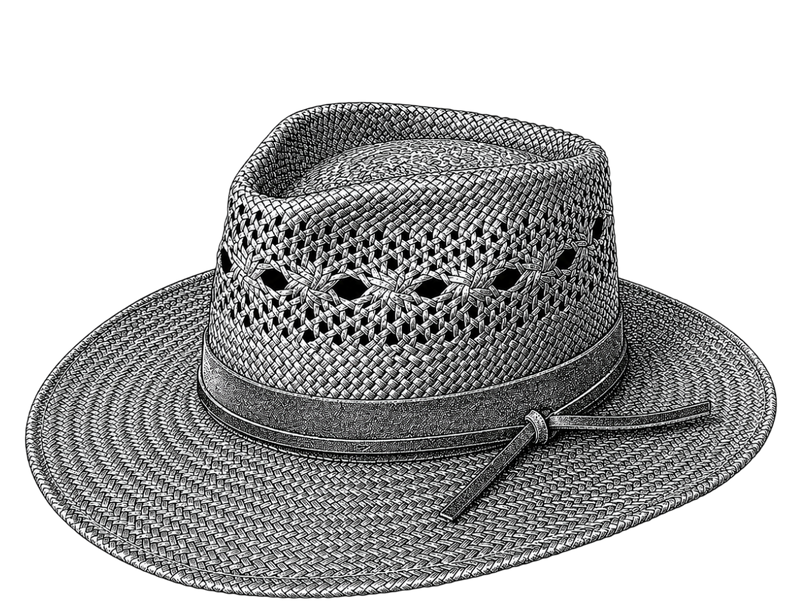
The capsule wardrobe concept applied to hats is more valuable than it is for clothing. Clothing capsule wardrobes require significant coordination effort across many items; a hat capsule requires three to five pieces that cover all seasonal and functional needs. Most people who own hats own too many low-quality or poorly-chosen ones and not enough well-chosen ones that they actually wear. The capsule approach fixes this at the purchasing stage.
What a Capsule Hat Wardrobe Is
A capsule hat wardrobe is a deliberately small collection of hats, each chosen to cover maximum occasion and season range, with no redundancy and no aspirational purchases that will not be worn. Every hat in the collection should be worn regularly; any hat that has not been worn in one full year should be evaluated for removal.
The capsule principle applied to hats has three rules:
- Seasonal coverage: at least one hat for warm weather and at least one for cold weather. These are different material requirements that one hat cannot serve.
- Occasion coverage: at least one hat for casual daily wear and at least one that can be worn in smarter contexts.
- Fit precision: every hat in a capsule wardrobe should fit correctly. A hat that does not fit is not part of a working capsule regardless of how much was spent on it.

The Three-Hat Capsule
The minimum viable capsule hat wardrobe that covers all major needs:
Hat 1: Summer Straw or Sun Hat
A natural straw hat with a 5-8 cm brim in a neutral colour (natural straw, cream, ivory). This hat covers all warm-weather outdoor occasions from casual to smart-casual, provides genuine sun protection, and coordinates with most summer wardrobe palettes. The style should be classic enough to remain appropriate across several years without looking dated.
Investment level: 50-120 EUR for genuine toquilla straw or quality natural straw at an entry-to-mid quality level.
Hat 2: Autumn/Spring Felt Hat
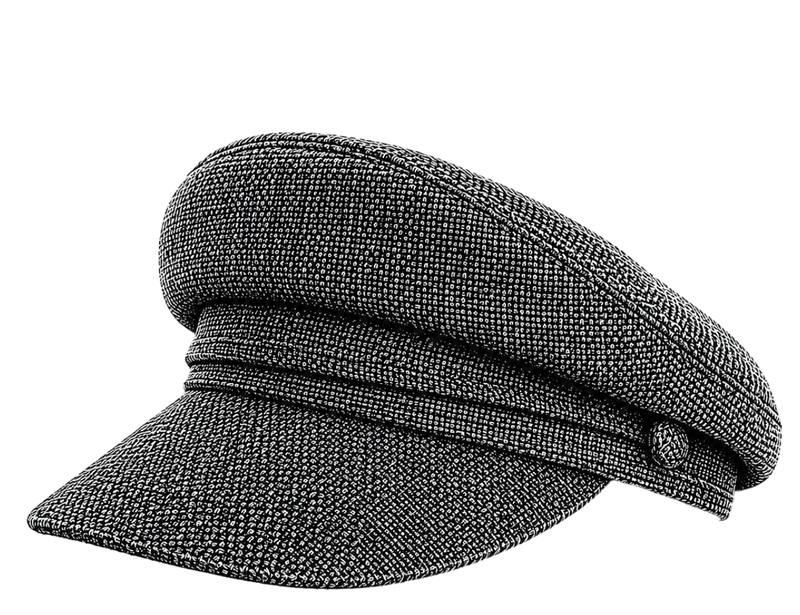
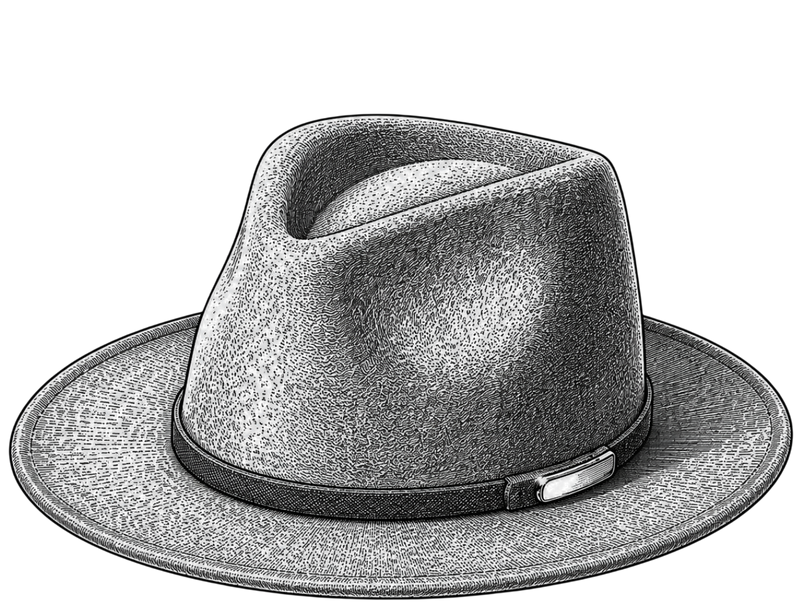
A quality felt fedora or flat cap in a neutral earth tone (grey, camel, tan, dark brown). This hat covers autumn through spring in temperate climates, works from casual to smart-casual, and coordinates with the deeper, heavier clothing palette of the colder months. Wool felt at minimum; rabbit felt for better durability and weather tolerance.
Investment level: 70-150 EUR for a quality wool or rabbit felt hat at a mid-quality level from a specialist.
Hat 3: Winter Warmth Hat
A quality knit hat in merino wool or cashmere, close-fitting, in a neutral colour (black, grey, camel, navy). This hat covers the coldest months, provides genuine warmth, and fits under coat collars and scarves without bulk conflict. Fine-gauge merino reads as smarter than thick acrylic and is compatible with a wider outfit range.
Investment level: 40-100 EUR for merino; 80-200 EUR for cashmere.
The Five-Hat Capsule
Adding two hats to the three-hat base covers the gaps:
Hat 4: Casual Daily Cap
A structured baseball cap or flat cap for casual daily use -- the hat that gets worn most frequently and requires the least occasion justification. This hat should be in good condition and in a neutral colour that works with most casual clothing. Budget: 30-80 EUR for a quality structured cap.
Hat 5: Occasion Hat
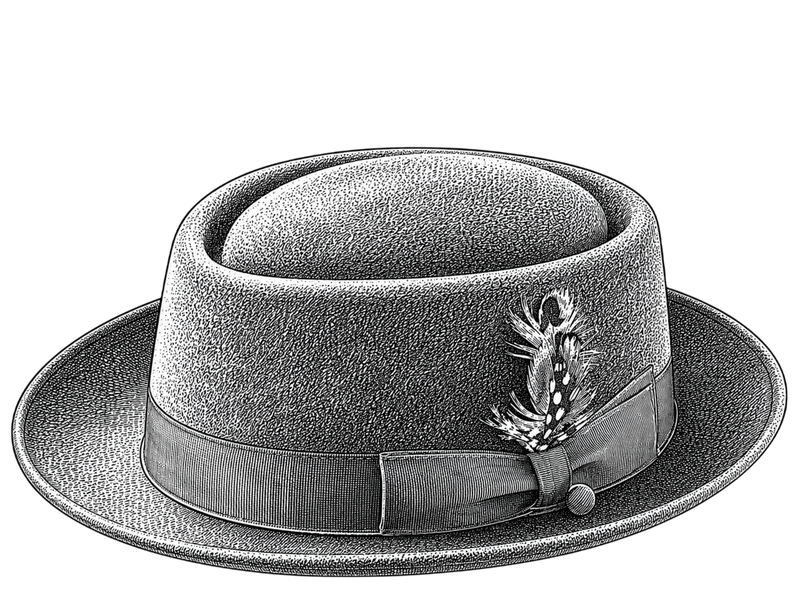
A hat reserved for specific events: weddings, race days, formal dinners with hat-wearing conventions. This could be a higher-quality fedora, a fascinator or structured occasion hat for women, or a more formal felt hat for men. It will be worn less frequently but should be chosen for a specific occasion type in the wearer's life. Budget: varies widely by formality requirement, but quality matters here because the hat is worn in high-visibility contexts.
Building the Capsule Over Time
The capsule does not need to be assembled at once. A practical sequence:
- Identify the hat type you will wear most frequently and buy that first, at the highest quality the budget allows
- Identify the seasonal gap (if you bought a summer hat first, buy a cold-weather hat next)
- Add the casual daily cap if not already covered by hat 1 or 2
- Add the occasion hat if the lifestyle includes occasions that require it
- Stop and wear the four hats for a full year before assessing what is missing
Resisting the purchase of additional hats before completing a full year's wear cycle with the existing capsule prevents the common pattern of accumulating hats that are worn once and then stored.
Browse hats for every part of a capsule wardrobe at Hatloom.

Frequently Asked Questions
How many hats is too many?
Any hat that has not been worn in the past twelve months is a candidate for removal from the wardrobe. A collection of five well-worn hats is a better wardrobe than a collection of twenty hats where fifteen are rarely worn. The test is wear frequency, not collection size -- if every hat in a collection is regularly worn, the collection size is appropriate. If hats are accumulating unworn, the collection exceeds the wardrobe's actual function.
Should all hats in a capsule coordinate with each other?
They should all coordinate with the wardrobe they will be worn with -- the clothing in the wearer's wardrobe is the coordination reference, not the other hats. If the clothing wardrobe is primarily neutrals (black, grey, navy, tan), any hat in neutrals will coordinate. If the clothing has stronger colours, the hat capsule should accommodate those colours rather than ignoring them.
Is it better to have one expensive hat or several cheaper ones?
One quality hat worn regularly for years provides better value than several cheap hats replaced frequently. The break-even calculation: a 120 EUR hat worn 150 times per year for five years costs 0.16 EUR per wear. A 30 EUR hat worn 50 times and then replaced costs 0.60 EUR per wear. Quality hat investment is economically rational for wearers who wear hats consistently.
What should I do with hats I own but no longer wear?
Three options: donate to charity shops or hat-specific resale, which gives the hat a second life with someone who will wear it; sell through second-hand clothing platforms (quality hats in good condition have resale value); or give to a friend or family member who would wear it. Storing unworn hats indefinitely consumes space and the hats deteriorate even in storage over time.