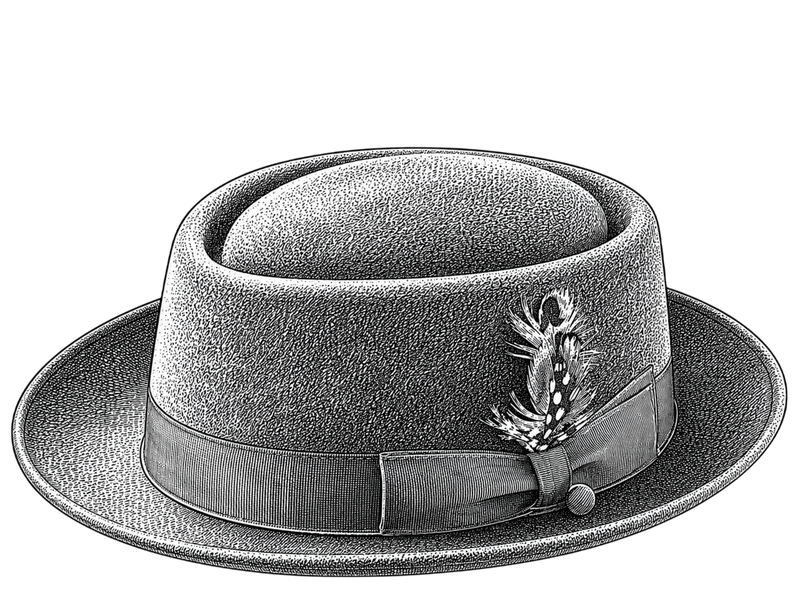
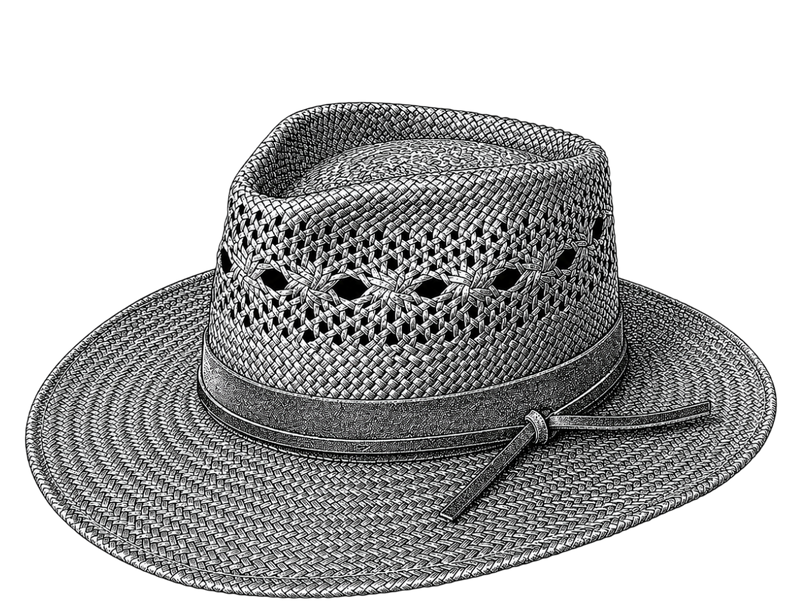
"Lasts forever" is marketing language. Every hat has a realistic lifespan range, and knowing it prevents both disappointment and unnecessary replacement.
Lifespan by Construction Tier
| Tier | Expected Lifespan (Regular Use) |
|---|---|
| Budget (machine-made, blended materials) | 1–2 years |
| Mid-tier (reinforced construction, better materials) | 3–6 years |
| Premium (hand-finished, high-grade felt/fabric) | 8–15+ years with proper care |
Insight: Lifespan depends as much on care habits — storage, cleaning, handling — as on construction quality. A premium hat stored carelessly can fail faster than a mid-tier hat properly maintained.
What Actually Ends a Hat's Useful Life
- Irreversible shape loss: Crushing or compression beyond the material's memory limit.
- Sweatband degradation: Once a sweatband breaks down, fit and comfort decline sharply.
- Color fading or staining: Cosmetic failure that, while not structural, often triggers replacement.
Realistic Expectations by Use Case
A hat worn daily faces roughly 5–10x the wear-cycle stress of one worn occasionally. Adjust lifespan expectations downward proportionally for daily wear, even within the same construction tier.
Bottom line: Expect 1–2 years from budget construction, 3–6 from mid-tier, and 8+ from premium with proper care. Frequency of wear and storage habits shift these ranges significantly in either direction.
Frequently Asked Questions
How long should a premium wool felt hat last with regular use?
8–15 years with proper care: storage in a cool, dry place on a hat block or in a hat box; handling from the brim rather than the crown; and occasional re-blocking when the crown loses its set shape. The sweatband is typically the first component to degrade — it can be replaced independently to extend the hat's useful life without replacing the felt body.
What care mistakes most shorten a hat's lifespan?
Three are most damaging: crushing (storing without proper support), machine washing (which saturates the felt and destroys fiber density), and handling the crown directly (fingertip oils and pressure deform felt over time). Steam and professional re-blocking can correct moderate shape distortion; felt breakdown from compression beyond the memory limit is permanent.
At what point is a hat worth repairing vs. replacing?
Repair makes sense when the felt structure is intact but a specific component has failed — worn sweatband, loose brim stitching, or surface dust and staining. When the felt itself has lost density, taken permanent creasing, or cracked at stress points, replacement is more cost-effective than restoration. A hatmaker can assess the threshold in person for any specific hat.
Related Reading
- Is a $150 Wool Cap Worth It? Breaking Down Cost-Per-Wear
- How Much Should You Actually Spend on a Wool Hat? A Price Tier Breakdown
- How to Tell If a Hat Is Actually High Quality Before You Buy Online
Shop Hatloom
Our premium hat selection is built for the 8–15+ year tier described above — hand-finished, high-grade felt, and specified in every listing so you can set the right lifespan expectations before buying.