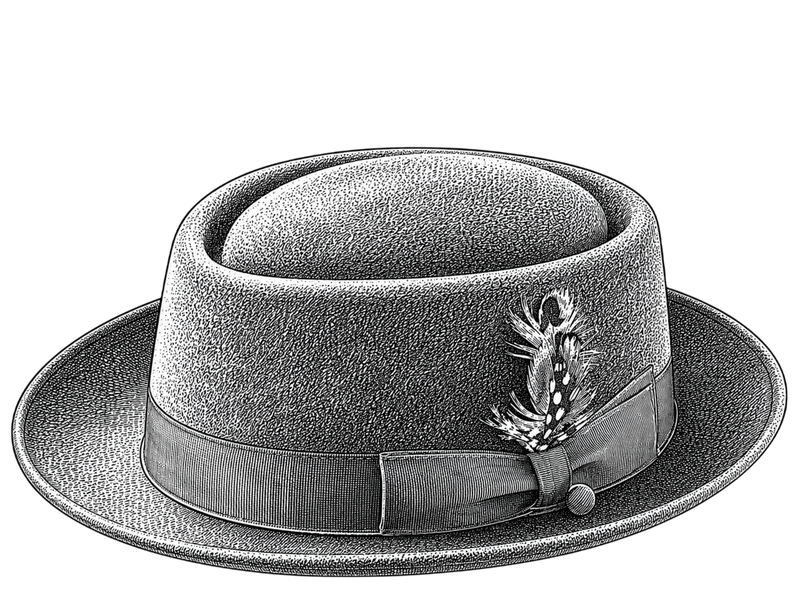
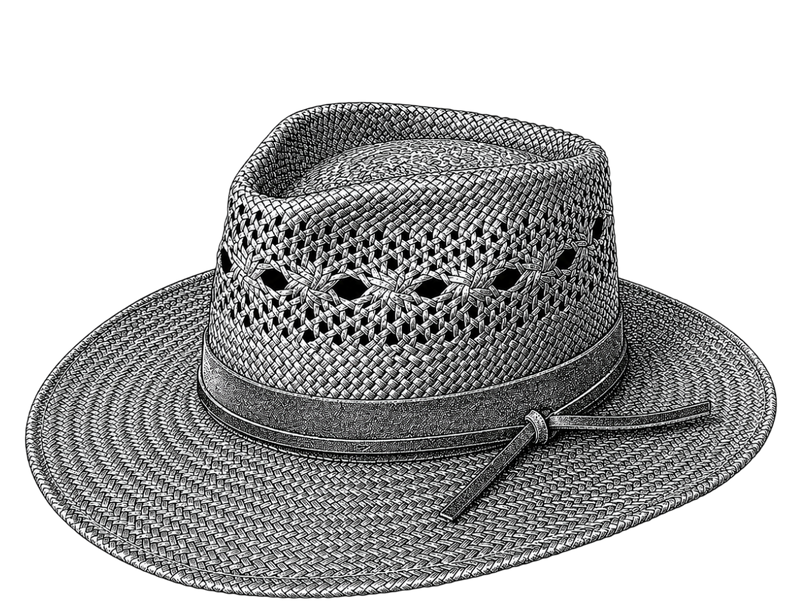
Hat fashion is the clearest window into how any decade understood formality, masculinity, femininity, and cultural belonging. The hat was the first visual signal of social position for most of the 20th century — more visible and more immediately readable than any other garment. Tracking what people wore on their heads, and when they stopped, traces something more significant than fashion history: it traces how public life changed.
The 1920s: Modernism Arrives on Women's Heads
The defining women's hat of the 1920s was the cloche — a deep, bell-shaped hat pulled down over the cropped hair of the era. The cloche announced the break from Victorian elaborateness: no feathers, no extreme width, no architectural superstructure. A clean, simple dome that framed the face. The cloche was the hat equivalent of the flapper dress — a deliberate formal simplification that was read as radical.
Men continued the tradition of the previous century: felt fedoras and bowlers for business and formal occasions; flat caps for working-class contexts; boaters for leisure. The decade that saw women dramatically simplify their hats saw men make almost no change at all.
The 1930s: Depression-Era Refinement
Economic contraction drove hat design toward economy and practicality. Women's hats became smaller and more structured — the large, elaborate hats of the late teens and early twenties contracted to fitted, sculptural pieces that used less material but achieved elegance through precision. Asymmetric styles, forward-tilted hats, and hats with one oversized decorative element (a single feather, a dramatic brim line) emerged from the constraint of material economy.
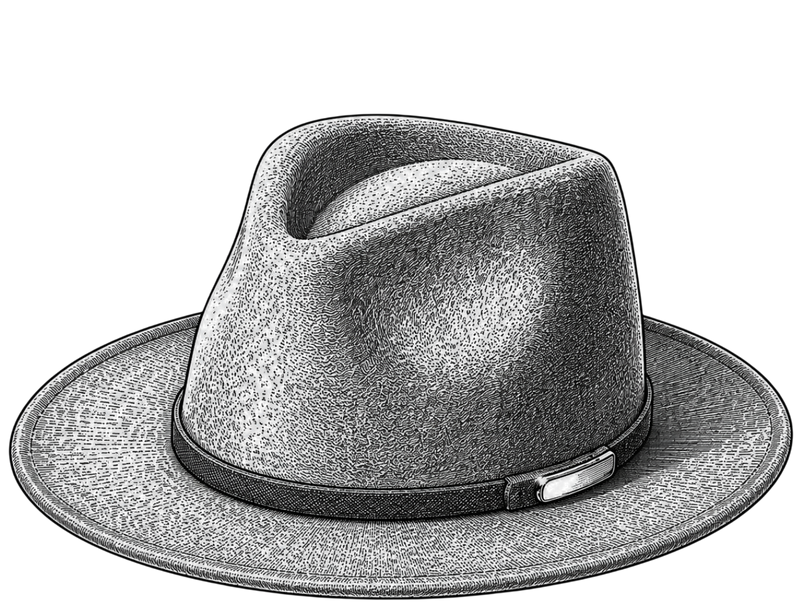
Men's hats remained essentially unchanged from the previous decade — the fedora's dominance was near-total in cities. The decade that would be most associated with the classic fedora silhouette (as worn by Humphrey Bogart, Cary Grant, and James Cagney in the films of the era) was the 1930s.
The 1940s: Wartime Pragmatism and Post-War Exuberance
WWII material rationing directly affected hat design. Women's hats became extremely minimal — small, close-to-the-head styles that used little fabric and no exotic materials. Military influence was pervasive: tilted garrison caps, peaked military silhouettes, utilitarian shapes. Despite the constraints, the period produced some of the most ingeniously constructed small-scale millinery in the century — hat design at its most concentrated and precise.
Post-war (1945–1950) saw an eruption of creative excess after years of rationing. Dior's New Look in 1947 brought dramatically feminine silhouettes — wide hips, narrow waist — accompanied by full, elaborate hats that read as deliberate anti-rationing statements. The late 1940s produced some of the most extreme hat designs of the 20th century as a direct reaction to wartime restriction.
The 1950s: The Last Decade of Universal Hat-Wearing
The 1950s were the final decade in which hat-wearing was the mainstream default for adults in most Western cultures. Men in offices, on city streets, at public events — the hat was standard. Women in daily life wore hats routinely. Church attendance, which was very high in the 1950s, required head coverings for women in most denominations. Social photography from the 1950s shows the hat as the expected element of adult appearance, remarkable only by its absence.
The dominant men's hat was still the fedora — the period saw the style somewhat softened and lowered compared to the dramatic 1940s versions. Women's hats were highly varied: pillboxes, wide-brim occasion hats, tailored felt hats for everyday wear. The pillbox hat became the most iconic women's hat of the era (and the early 1960s), most famously associated with Jacqueline Kennedy.
The 1960s: The Hat's Collapse in Mainstream Culture
Hat-wearing declined dramatically in the 1960s in most Western cultures, for reasons that historians of fashion have not fully explained but that appear to involve several converging factors: the rise of car culture (ducking into and out of cars made hat-wearing less natural than walking between locations); the influence of youthful counterculture that explicitly rejected formal dress codes; John F. Kennedy appearing hatless at his 1961 inauguration (a widely cited single event, though its causal role may be overstated); and the general loosening of formal dress requirements in office and social contexts.
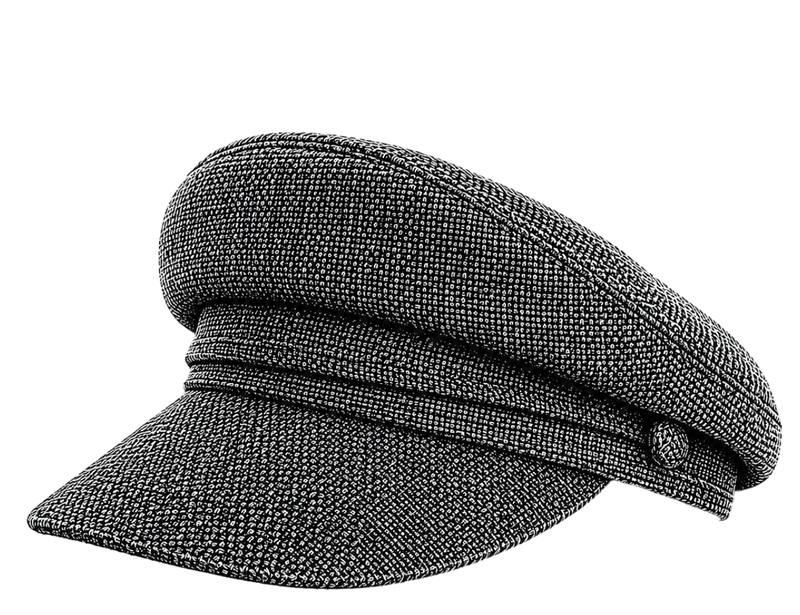
Youth culture offered alternative headwear: the flat cap (adopted by the British mod scene), the bucket hat, and eventually the military-surplus headwear that accompanied counterculture. But these were subcultural statements, not mainstream replacements. For most adults, the decade that ended formal dress expectations as a social norm also ended routine hat-wearing.
The 1970s–1990s: Functional Hats and Subcultural Signals
The decades between the collapse of universal hat-wearing and the modern revival were characterized by functional headwear (baseball caps, beanies, sun hats as practical items rather than style choices) and subcultural adoption (hip-hop bucket hats and Kangol caps; punk-era mohawks and military caps; rave-era bucket hats). High fashion continued to produce hats, but they were event-specific or avant-garde rather than mainstream daily wear.
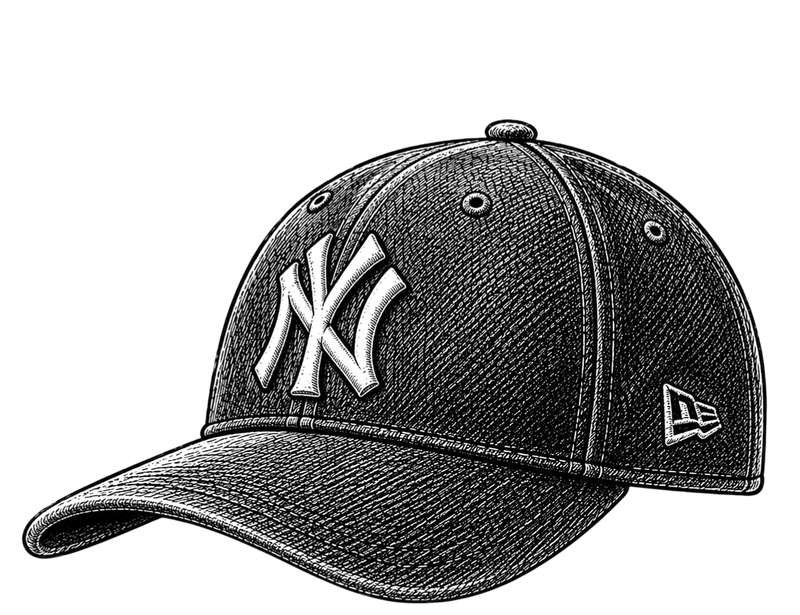
The baseball cap became the dominant casual headwear of the Western world during this period — primarily through sports marketing, which put team caps on every demographic. The cap was the anti-hat: it required no fitting expertise, served a practical function (sun shading), and made no social claims beyond team allegiance.
The 2010s–2020s: The Hat Revival
Multiple converging trends drove a genuine hat revival beginning approximately 2012–2015:
- Heritage menswear: Interest in pre-war and early 20th-century style brought fedoras, flat caps, and Panama hats back as deliberate stylistic references among a fashion-aware male audience.
- Instagram and personal style: Social media rewarded distinctive personal style, and a hat is among the most visually distinctive single elements an outfit can include.
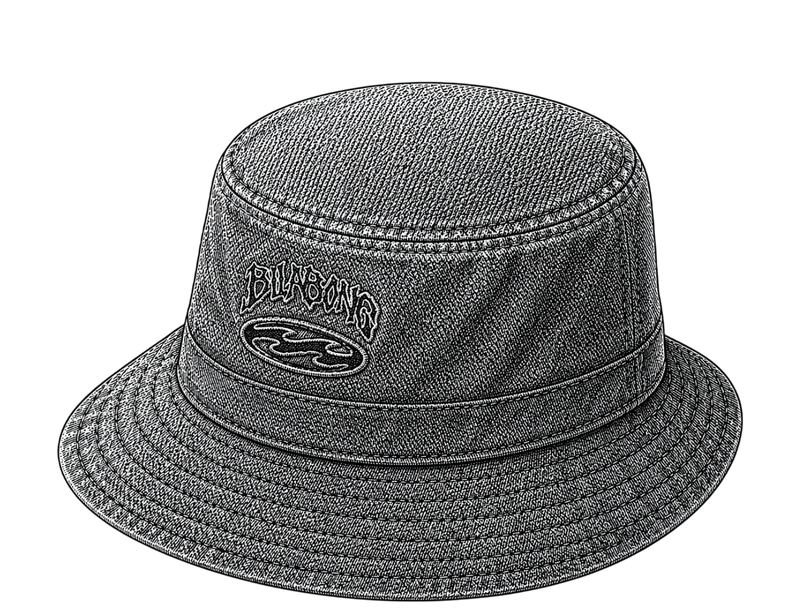
- Streetwear's treatment of the bucket hat: The 2017–2020 streetwear boom made the bucket hat a global fashion item, introducing a new generation to casual hat-wearing.
- Festival culture: Outdoor festivals created a context where hat-wearing was both practical (sun) and expected — festival style made the wide-brim sun hat and the bucket hat mainstream within a specific cultural context.
Current Hat Landscape (2020s)
The 2020s hat landscape is characterized by pluralism rather than a dominant style. The fedora, the bucket hat, the flat cap, the baseball cap, the wide-brim sun hat, and the beanie all have active mainstream presence — worn by different demographic groups in different contexts without a clear hierarchy. Hat-wearing is not universal as it was in the 1950s, but it is significantly more common than it was in the 1980s and 1990s, and it is driven by genuine personal style interest rather than social obligation.
The most significant current trend is quality consciousness: wearers who choose to wear hats tend to invest more in quality than previous casual-hat periods, which is driving renewed interest in handmade toquilla hats, quality wool felt, and well-constructed flat caps over fast-fashion alternatives.
Explore hats across classic and contemporary styles in the Hatloom collection.
Frequently Asked Questions
Why did people stop wearing hats in the 1960s?
No single cause has been definitively identified. The most widely cited factors: the shift to car culture (cars made outdoor walking between locations less common, reducing the weather-protection need for hats); youth culture's rejection of formal dress conventions as a generational identity statement; changing workplace dress codes that reduced the contexts where hats were expected; and the general informalization of Western social life that the 1960s represented in multiple dress categories simultaneously. JFK's hatless inauguration is often cited but likely reflects the trend rather than causing it.
What was the most popular hat of the 20th century?
By period of dominance and breadth of cultural reach, the felt fedora. It was the standard hat for men in most Western cities from approximately 1920 to 1960 across class lines — worn by factory workers and lawyers, gangsters and presidents. In that 40-year period it was not a fashion choice but a default. No other hat style has achieved that level of universal mainstream adoption across the full range of social contexts and demographics.
Are hats coming back?
They did not go away — hat-wearing has been continuous since their decline from mainstream universal adoption in the 1960s. What has returned is quality hat-wearing as intentional personal style rather than social obligation. The 2010s–2020s represent the strongest period of voluntary hat adoption since the 1960s, driven by heritage menswear, streetwear, festival culture, and social media aesthetics. Whether this reaches the universality of the 1950s is a different question with a likely answer of no — but hats are genuinely part of mainstream contemporary style in a way they were not in the 1980s.
What is the most fashion-forward hat of the current era?
Context-dependent. In luxury fashion: logo-print bucket hats from houses like Prada and Gucci have achieved significant cultural visibility. In heritage menswear: the hand-blocked felt fedora from specialist hatmakers. In streetwear: the bucket hat and the five-panel cap remain active. In mainstream popular culture: the wide-brim sun hat (driven by festival culture and social media). No single style dominates across all these contexts — the pluralism of the current hat landscape is its defining characteristic.
Why do hats seem to be associated with specific decades?
Because hat design responded to cultural changes more visibly and quickly than most garments. Hats are small, relatively inexpensive, and highly visible — they are the first place designers could express a new direction and the first place consumers could adopt it without committing to an entirely new wardrobe. The result is that hat silhouettes changed sharply between decades, making them reliable visual shorthand for era: you can identify a film's period from the hats within 10 seconds. Garments in the same frame require more context to date precisely.