Hat wearing varies more dramatically by country than almost any other clothing category, and the variation follows patterns that are not simply about weather or climate. Australia and the UK have similar climates in parts but radically different hat-wearing cultures. Japan and Germany both have advanced consumer fashion markets but entirely different hat tradition legacies. Understanding why hat culture differs so much between countries requires looking at climate, sunlight levels, historical hat-wearing traditions, and the contemporary cultural forces that either sustain or erode those traditions.
The UK: The Formal Hat's Last Stronghold
Britain has a disproportionate hat-wearing culture for a country with a relatively cool, overcast climate that does not demand sun protection hats. The explanation is historical: Britain maintained formal dress conventions longer than most comparable countries, and specific British institutions (the royal family, horse racing's Ascot, certain wedding and christening traditions) actively sustain formal hat wearing as an expected element of certain occasions.
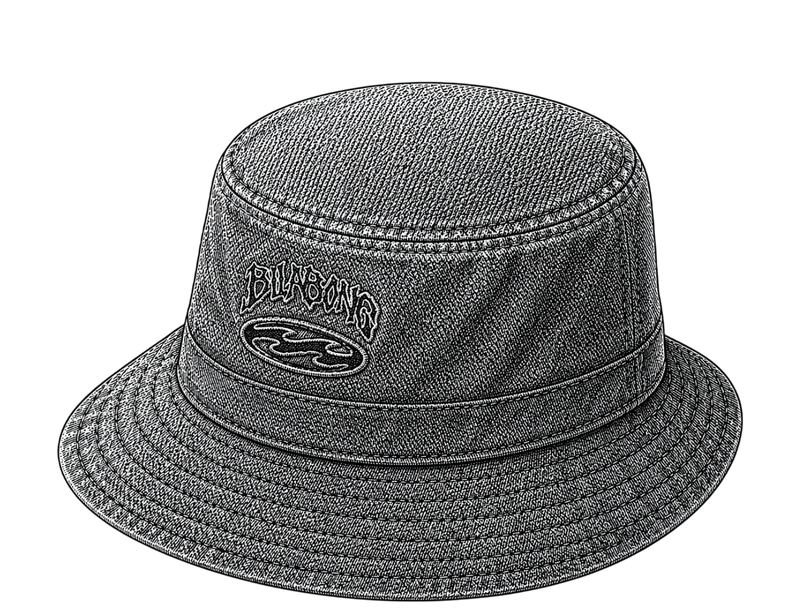
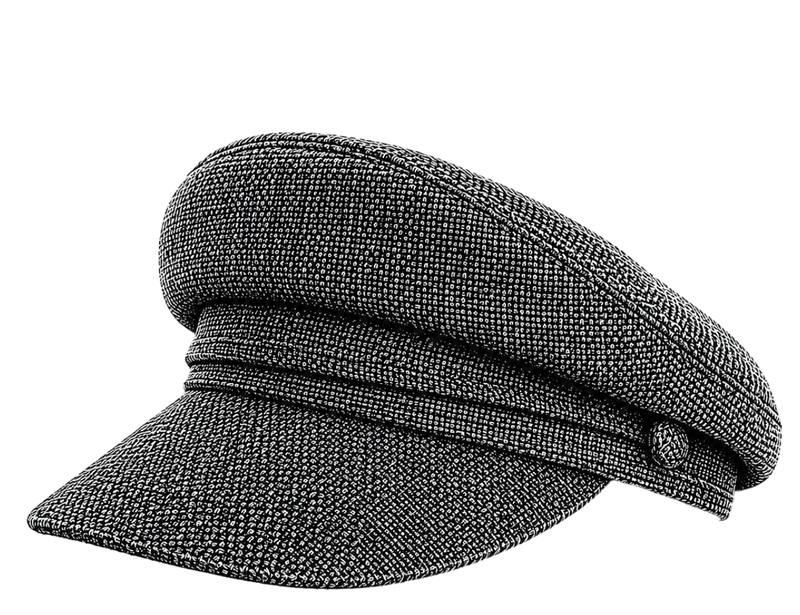
The result is that Britain has both a stronger formal hat culture than almost any other country and a very specific casual hat culture dominated by flat caps, tweed-influenced headwear, and festival hat wearing. The bucket hat's cultural association with British rave and festival culture is genuinely British rather than imported.

Australia: The Sun Hat as Health Policy
Australia's hat culture is unusually strong among developed countries for reasons directly tied to health. Australia has the world's highest skin cancer rate, driven by a combination of very high UV levels (particularly in the north) and a predominantly outdoor leisure culture inherited from British settler traditions. The public health response -- the 'Slip, Slop, Slap' campaign from the 1980s and sun safety education in schools -- has created a population that is significantly more hat-aware for UV protection reasons than any comparable Western country.
The school hat requirement in many Australian states (children must wear a hat with minimum brim width for outdoor play) has normalised hat wearing at an age when habits form, which flows into adult hat-wearing rates that are measurably higher than UK, US, or European equivalents for outdoor activities. The wide-brim cork hat of Australian caricature is a tourist cliche; the wide-brim sun hat for actual outdoor activities is genuinely ubiquitous.

France: The Beret and Beyond
The beret's association with France is one of the most persistent cultural cliches in international perception, and like most cliches it has a specific historical accuracy that has been distorted into a misleading generalisation. The beret was authentic to the Basque region of southern France and northern Spain and was working wear for Basque farmers and shepherds -- not a Parisian affectation. It spread from its regional origin through military adoption (the French Army and later armies across the world) and through Paris's avant-garde appropriation of it as a bohemian fashion item.
Contemporary French hat culture is not particularly beret-centric -- France has the same general Western drift away from everyday formal hat wearing that Britain, Germany, and the US share. What distinguishes French hat culture is the sophistication of its millinery tradition: Paris milliners (modistes) maintain a tradition of high-craft hat making and design that is an active luxury industry rather than a heritage museum piece.

The United States: Regional and Subcultural Variation
American hat culture is more internally varied than any other single country's because the country is large enough to contain multiple genuine sub-cultures with different hat traditions. The American West has an active cowboy hat culture; New York streetwear culture has a baseball cap culture; rural Southern culture has its own combinations of country music-influenced Western wear and local traditions. These American subcultures exist simultaneously and independently rather than as historical layers.
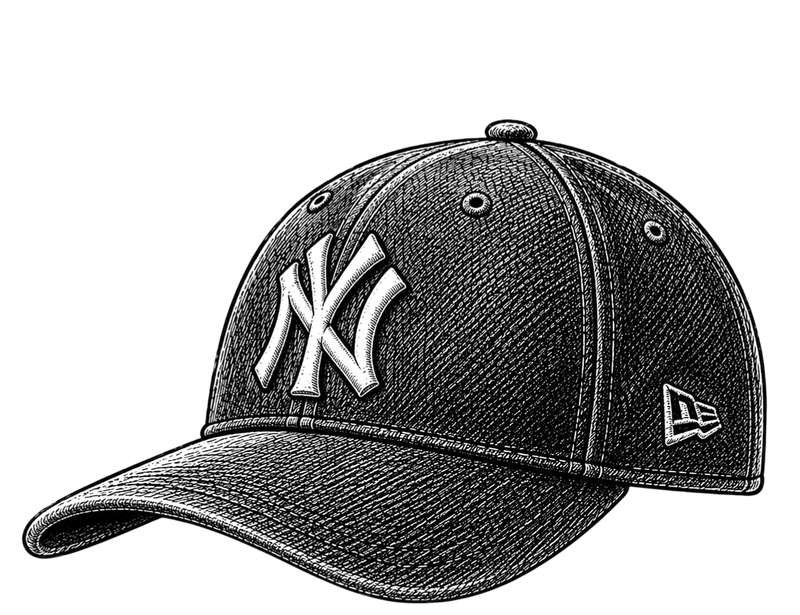
American baseball cap culture is the dominant global export -- the baseball cap's worldwide prevalence is substantially driven by American popular culture's global reach. What is a specifically American sporting and cultural object has become the world's most-worn hat style.

Japan: Precision and Innovation
Japan's contemporary hat culture is characterised by two extremes: a very conservative mainstream (where hat wearing in everyday contexts is cautious and context-sensitive) and a very innovative fashion-forward sub-culture (where Harajuku and streetwear contexts produce some of the world's most creative hat wearing). The UV protection angle is also significant -- Japanese cultural emphasis on skin protection creates specific markets for UV-protective hats (particularly visors and UV-blocking caps) that are more developed in Japan than in most Western markets.

India: Regional Diversity as the National Character
India's hat wearing is impossible to generalise because it varies so completely by region, religion, caste, and community. The Gandhi cap (white khadi fabric cap associated with the independence movement) is a national political symbol. The various turbans of Sikh, Rajasthani, and regional traditions are each distinct. Muslim prayer caps, various regional ceremonial headwear, and the colonial-influenced safari and sun hat tradition all coexist. India is the country where hat wearing carries the most complex simultaneous layers of political, religious, regional, and social meaning.
Browse global hat styles and the full range of hat traditions at Hatloom.
Frequently Asked Questions
Which country wears hats most?
Depending on how hat wearing is measured, different countries rank highly. For formal and occasion hat wearing, the UK and Ireland have stronger traditions than most comparable countries. For functional sun protection hat wearing, Australia has measurably higher rates than comparable Western nations due to the public health driver. For traditional and cultural everyday hat wearing, countries in West Africa (where kufi and regional caps are standard everyday wear for Muslim men), Central Asia (where various traditional caps are everyday wear), and parts of Latin America (where cowboy hat traditions remain active) would likely show higher rates than developed Western countries. The baseball cap, driven by American cultural export, is worn globally, but its prevalence is different from a hat-wearing cultural tradition.
Is the beret really French?
The beret is genuinely Basque in origin -- from the region spanning southern France and northern Spain. It became associated with 'France' in international perception through two routes: Paris's bohemian culture adopted the beret from working-class Basque workers in the early 20th century and made it fashionable; and the French military's adoption of the beret for many of its units made it a recognisable French military symbol. The beret then spread globally through military adoption (the British adopted it in the 1920s; dozens of other armies followed) and through Paris's influence on international fashion. The association with France is real but historically more specific than the cliche suggests -- it is really Basque in origin and Parisian-bohemian in international recognition.
Why do Americans associate hats primarily with baseball caps rather than structured hats?
The American hat culture shift toward the baseball cap as the dominant hat form happened through the convergence of several factors: the decline of structured hat wearing culture in the 1960s that was faster and more complete in the US than in Europe; the baseball cap's presence in American sports, which created a daily visibility for the style; and hip-hop's adoption of the baseball cap in the 1980s, which gave it cultural currency that structural felt hats and flat caps never recovered. The US also never had the royal and formal occasion context that sustains formal hat wearing in Britain, which removed the institutional driver that kept structured hat wearing more prominent in British culture.