Japanese hat culture operates on two completely separate tracks that rarely acknowledge each other: the traditional formal headwear of Shinto, Buddhist, and aristocratic ceremony, and the contemporary hat-wearing that spans the innovative street styles of Harajuku and Shibuya through the global streetwear culture of Tokyo youth fashion. Between these poles is a century of Western hat adoption that reshaped Japanese everyday dress from the Meiji era onward. All three tracks coexist in Japan today, and understanding which is which clarifies what Japanese hat culture actually is.
Traditional Japanese Headwear
The Kasa
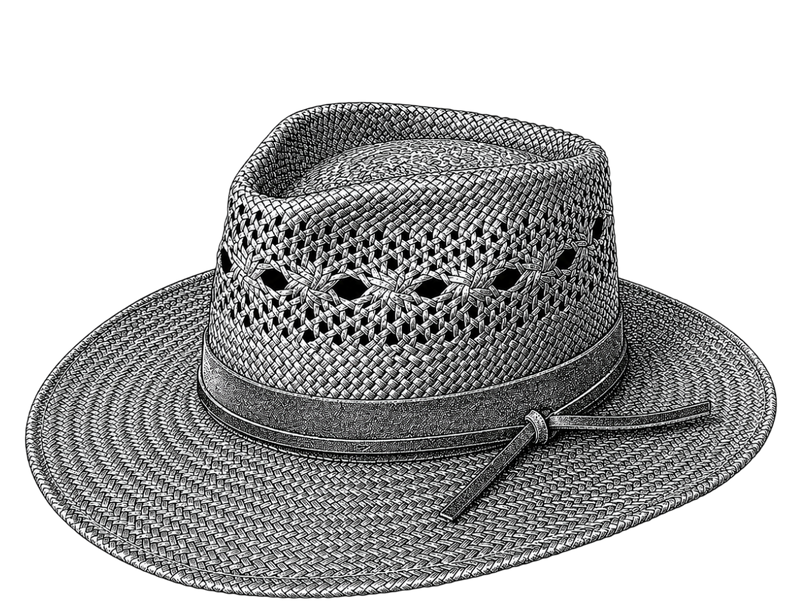
The kasa is the broad category of traditional Japanese hat, typically referring to wide-brim conical or domed hats made from woven bamboo, sedge grass, or other natural materials. The most widely recognised form is the sedge-woven conical hat (straw hat, or sugegasa) associated with farmers, pilgrims, and travellers. The hat's function was practical: shade, rain protection, and anonymity for pilgrims.
Specific kasa forms have specific associations:
- Sujiami-gasa: the wide-brim sedge hat most commonly depicted in historical paintings and woodblock prints as standard outdoor wear for commoners
- Amigasa: a similar conical hat associated with ninja and travelling entertainers, whose anonymity served different purposes than the pilgrim's
- Komuso zukin: the basket-shaped reed hat worn over the entire head by mendicant Zen priests, creating complete anonymity as a spiritual practice

Formal Court and Religious Headwear
Japanese aristocratic court dress (kuge) included highly specific headwear forms regulated by rank. The kanmuri (a lacquered black silk court cap with a protruding rear element) was worn by nobles in the imperial court from the Nara period and is still worn in Shinto religious ceremonies.
The Meiji Turn: Western Hat Adoption
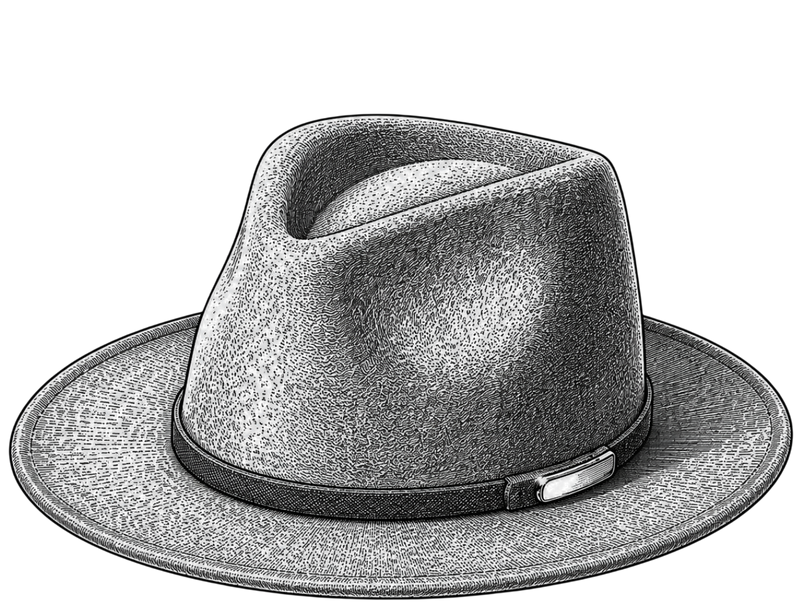
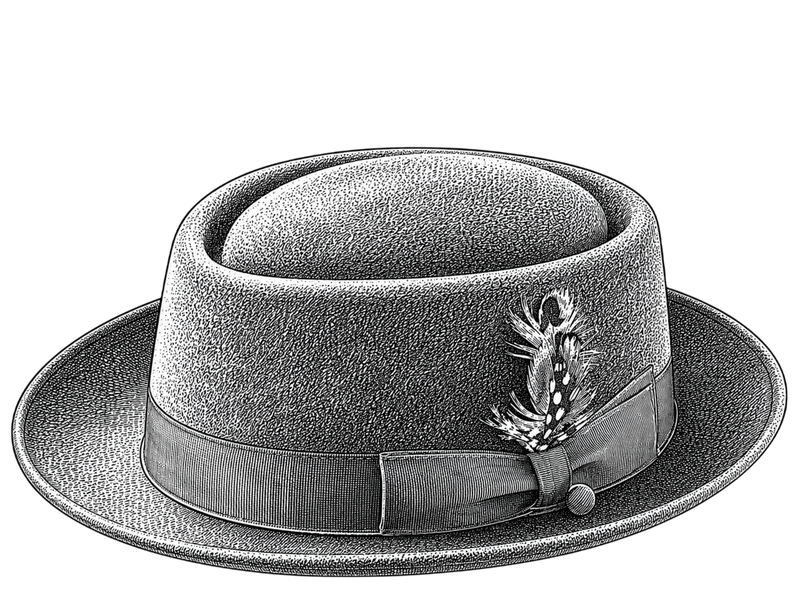
The Meiji Restoration (1868) initiated the comprehensive modernisation of Japan on Western models, including dress. Western-style hats became symbols of modernisation and were adopted by men working in government, business, and professional contexts from the 1870s onward. By the early 20th century, the Western felt hat and cap were standard for urban Japanese men in the same way they were for European men of the same period.
This adoption was not merely imitative -- Japan rapidly developed its own hat production industry and its own aesthetic interpretations of Western forms. Japanese manufacturers produced quality felt hats, flat caps, and straw hats for domestic consumption and export.

Contemporary Japanese Hat Culture
Harajuku and Street Fashion
Tokyo's Harajuku district is the global reference point for innovative, frequently extreme, and consistently creative street fashion. Hat wearing in Harajuku contexts covers the full range from vintage-inspired Western styles to completely original constructions that reference no existing hat tradition. The innovation in Harajuku hat styling is about refusal of convention rather than adherence to any single tradition.
Specific elements of Japanese street fashion hat culture:
- Layering of headwear -- beanies under hats, clips and accessories attached to hats, multiple hat elements in a single ensemble
- Scale exaggeration -- both very large hats and very small hats worn as deliberate proportion statements
- Material mixing -- fashion hats in unexpected materials (vinyl, metallics, sculptural fabrics) alongside traditional materials
- Vintage sourcing -- Japanese vintage fashion markets (flea markets in Harajuku, the vintage district in Shimokitazawa) provide Western vintage hats that are incorporated into Japanese street style
Workwear and Casual Culture
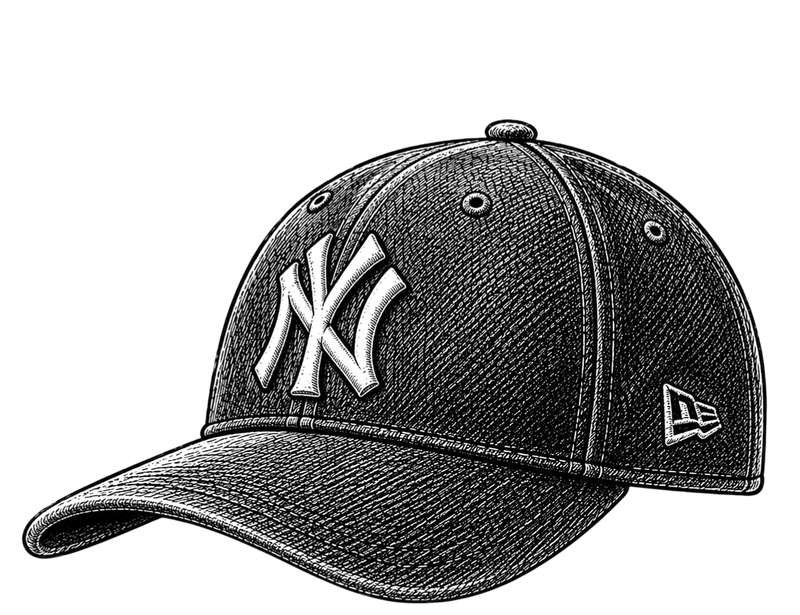
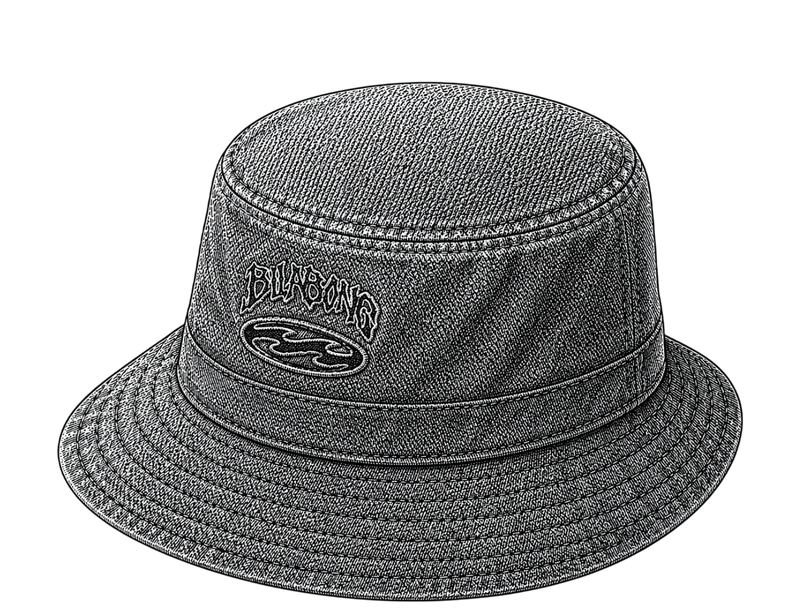
In everyday Japanese urban casual dress, hat wearing tracks broadly with global trends -- baseball caps, bucket hats, and beanies are standard casual accessories. The Japanese market has its own premium brands in these categories (Kapital, Nanamica, Beams, and others) that produce high-quality versions of global hat styles with Japanese craft and aesthetic inflection.
Traditional Craft Continues
Japanese artisan hat making in traditional forms continues in specific craft communities and in the cultural context of traditional arts, festivals, and religious ceremony. The sedge kasa is still produced and still worn by pilgrims on the Shikoku pilgrimage circuit (the 88-temple circuit associated with the monk Kukai). Traditional court headwear is maintained for Shinto ritual use.
Browse international hat styles, traditional and contemporary at Hatloom.
Frequently Asked Questions
What is the traditional Japanese straw hat called?
The general term is kasa, which covers a range of traditional Japanese wide-brim or conical hats made from natural woven materials (sedge, bamboo, rush). The most widely recognised specific form is the sugegasa or mugiwara bōshi (a wide-brim conical sedge or straw hat). The iconic anime and manga straw hat worn by the protagonist of One Piece is a sugegasa, which has given the style international recognition among anime audiences who may not have encountered the hat in any other context.
What is the ninja hat called?
The headwear most associated with ninja in popular culture is typically either the amigasa (a wide sedge hat worn to conceal identity) or the fukumen (a cloth head wrap that covers the face). However, the 'ninja outfit' as popularly depicted (black clothing with full head wrap) is largely a theatrical convention from Japanese kabuki theatre rather than historically accurate ninja practice. Historical evidence suggests ninja wore unremarkable everyday clothing to blend in, not distinctive black costumes. The sedge hat (amigasa) was used by various covert actors in feudal Japan for the anonymity it provided, not as a specifically ninja garment.
Do Japanese people wear hats more or less than Western countries?
Hat wearing patterns in Japan vary significantly by context and demographic. Sun awareness and skin protection are culturally significant in Japan (particularly among women, where light skin has traditionally been valued), leading to widespread practical use of sun hats, UV-protective caps, and face-covering visors in outdoor contexts. Japanese sports and outdoor culture is hat-conscious for UV reasons. Fashion hat wearing in urban contexts is comparable to Western urban hat culture. Religious and traditional contexts maintain hat wearing conventions that have no Western equivalent. Overall, Japan's hat culture is distinctive in its combination of practical UV concerns, strong street fashion innovation, and preserved traditional forms.