Children's hat wearing is a more practically significant topic than it might appear because children spend more time outdoors than most adults and are in the most UV-sensitive period of life. Epidemiological research consistently shows that a significant proportion of lifetime UV exposure occurs in childhood and adolescence, and that childhood UV exposure is a primary factor in adult skin cancer risk. Getting a child to consistently wear a hat outdoors is not a minor convenience but a genuine health intervention -- which makes the question of which hat will actually be worn (rather than which hat provides optimal protection in theory) highly relevant.
The Compliance Variable
The best sun hat in the world provides no protection if a child refuses to wear it. This is the central practical problem of children's hat wearing that most sun safety guidance ignores: children, particularly from toddler age through early school years, have strong opinions about what they will and will not wear, and a hat that is uncomfortable, unfamiliar, or disliked will be removed repeatedly regardless of parental insistence.
Practical compliance strategies:
- Introduce hats early -- children who have worn hats since infancy are significantly more likely to accept hat wearing without resistance than those for whom it is introduced as a new requirement
- Involve children in hat selection where possible -- a child who chose their own hat is more likely to wear it than one who was given a hat without input
- Choose comfort materials -- itchy, stiff, or hot hat materials generate rejection. Soft cotton, lightweight nylon, and flexible materials are better compliance bets than stiff or heavy alternatives
- Normalise hat wearing as a family practice -- children are more likely to accept hats when they see parents, siblings, and peers wearing them consistently

Infant Hats (0-12 Months)
Infant sun hats serve two purposes: sun protection and warmth, depending on season and condition. For sun protection:
- Wide-brim infant hats with a full brim (rather than just a forward visor) provide the most complete facial and neck protection for infants who cannot move their head quickly to avoid sun
- Chin straps or ties are essential for infants -- without a retention mechanism, hats are dislodged constantly by normal infant movement
- Soft, lightweight materials that do not cause heat buildup are critical for infants, who cannot self-regulate temperature as effectively as older children
- UPF 50+ rated materials are worth seeking for infants who will be in direct sun
For cold weather: soft knit hats in merino wool or organic cotton that cover the ears. Newborns and young infants lose significant body heat through the head; a hat is a primary thermoregulation tool in cold conditions.
Toddlers and Preschool (1-5 Years)
The toddler years are the peak resistance period for hat wearing. The combination of increased physical independence and strong preferences creates the most challenging compliance environment. Strategies that work at this age:
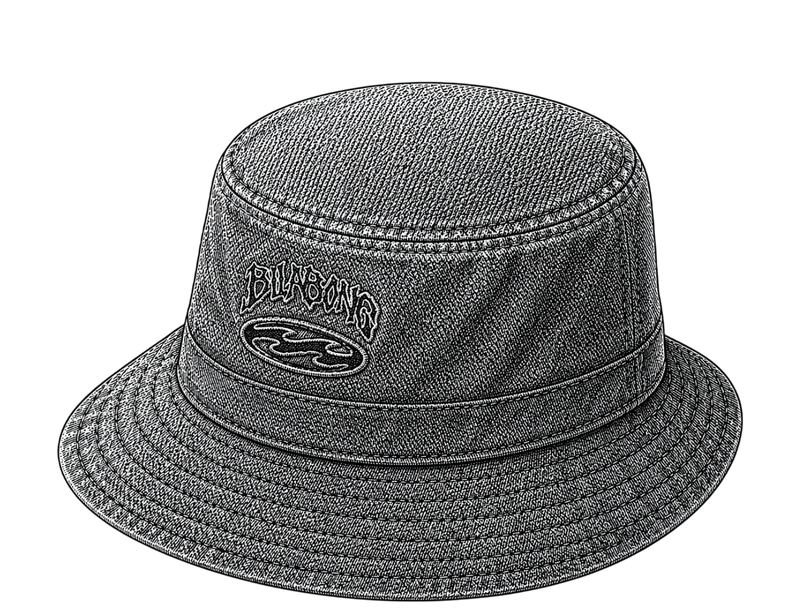
- Bucket hats are often the most accepted style for this age because they are soft, cover all angles, do not have a stiff brim that can be annoying, and are easy to put on and keep on. The all-around brim of a bucket hat provides better protection than a forward-visor-only cap
- Velcro or toggle-strap chin retention that the child can operate themselves creates ownership over the hat-wearing process
- Bold colours and fun patterns are significantly more likely to be accepted by children in this age range than neutral or dull alternatives -- choosing hats the child genuinely likes in appearance is a direct compliance strategy
School Age (5-12 Years)
School age children develop stronger peer social awareness and may resist hat wearing if peers do not wear hats. If school requires hats (as many Australian and New Zealand schools do in outdoor play), compliance is natural. Where it is not mandated:
- Sports-context hat wearing (a cap for football, a sun hat for beach cricket) often has better compliance than generic outdoor hat requirements
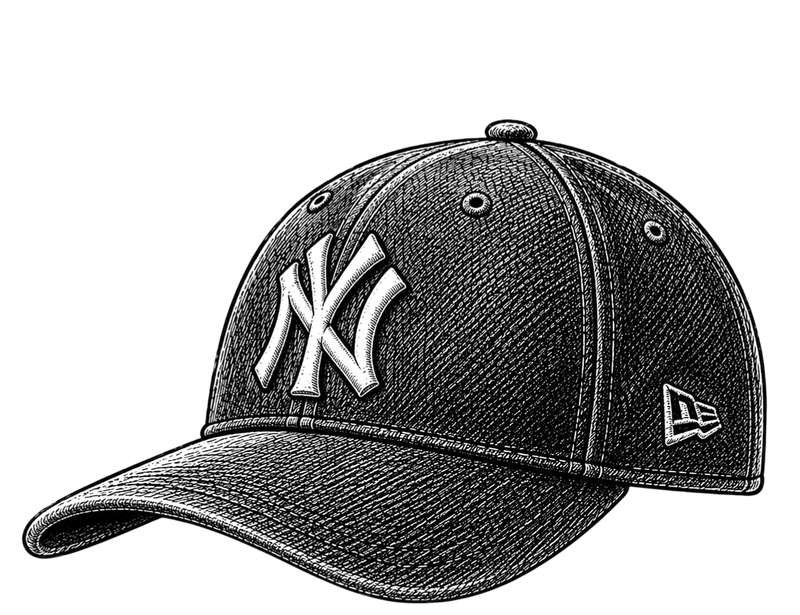
- Baseball caps are the most peer-acceptable hat for school-age children in contexts where the hat is a personal choice -- they are the style most associated with child and youth culture
- Wide-brim legionnaire hats (with a rear neck flap) provide the best overall protection for school outdoor environments and are standard in sun-protection-conscious school dress codes
Sun Protection Standards for Children
The Cancer Council Australia's guidance on children's hats specifically recommends the legionnaire hat (cap with rear flap that protects the neck) and the wide-brim hat (minimum 6 cm brim) as providing the best overall sun protection. The baseball cap, while widely worn, leaves the ears, neck, and lower face exposed, which is a significant limitation for a child spending a full school day outdoors.
For beach and outdoor days:
- Wide-brim hat of at least 6 cm brim width for children
- Lightweight UPF 50+ rated material
- Chin strap or toggle to prevent loss and ensure retention during active play
Browse children's hats, sun hats, and wide-brim hat styles at Hatloom.

Frequently Asked Questions
What is the best sun hat for a toddler who refuses to keep it on?
A bucket hat with a secure but comfortable chin toggle is usually the most successful option for resistant toddlers. The bucket hat's soft all-round brim means there is no stiff brim to be annoying; the all-around coverage means even partial compliance (wearing it most of the time) provides decent protection; and the chin toggle makes it harder to remove than a hat without one. The other high-compliance option is a hat with a visor attached to sun-protective neck and ear coverage -- UPF swim hats with ear and neck coverage that look more like swim gear than a hat often have better acceptance from children who resist traditional sun hats because they are associated with water play.
At what age do children need their own hat?
From birth for sun and cold protection in appropriate conditions. There is no age threshold for hat wearing -- infants in direct sun should have head and facial coverage from the first days of outdoor exposure. The practical point is that the hat needs to fit the child's head size and be designed for their developmental stage: a newborn hat is very different from a toddler hat which is very different from a school-age hat, not primarily in style but in fit, retention mechanism, and the specific conditions they are designed for.
How do I measure a child's head for a hat?
Use a flexible tape measure and measure the head circumference at the widest point -- approximately 2 cm above the eyebrows at the front and following the largest circumference around the back. Children's hat sizing typically runs in centimetres (48 cm, 50 cm, 52 cm, etc.) or in age ranges (6-12 months, 1-3 years, 3-5 years, etc.) that approximate head circumference ranges. Since children's head circumference varies significantly within age ranges, measuring rather than selecting by age gives better fit results. A well-fitted hat stays in place; a loose hat is continually removed or falls off during play.