Sports hat traditions are not arbitrary. Each sport's characteristic hat style emerged from the specific combination of conditions the sport creates: duration of sun exposure, physical intensity, the effect of the hat on performance, and the visual identity requirements of the sport as a broadcast or spectator event. The baseball cap became the baseball cap because baseball has specific hat requirements that no other sport shares in quite the same combination. Understanding why each sport wears what it wears reveals something about both the sport and the hat.
Baseball: The Cap That Named the Category
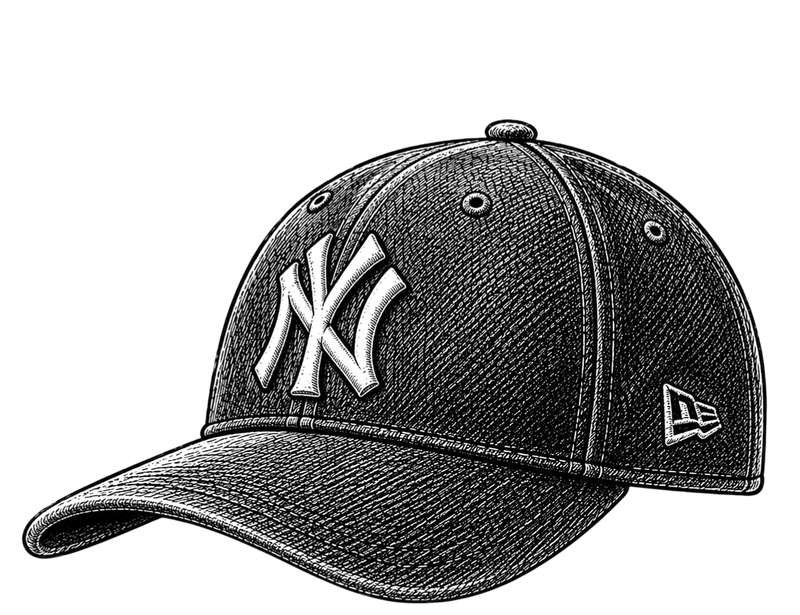
The baseball cap became the 'baseball cap' because it was specifically designed for baseball's conditions: outdoor play in bright sun requiring eye shade from an overhead and angled sun, physical activity that requires a secure fit, and the need for team identification that can be seen at stadium distances. The forward-projecting curved brim shades the eyes in a sport where ball tracking in sunlight is a primary skill. The team logo on the front panel is visible from the outfield and from the stands. The close-fitting interior keeps the cap in place during running and fielding.
The cap's design was so well-suited to its sport that it became a universal casual hat independent of any baseball context, which is an unusual trajectory for sports equipment.

Tennis: The Visor's Domain
Tennis visors (the brimmed headband without a crown) became the tennis-specific hat form through the combination of ventilation requirements in an intense outdoor sport, the preference for visible and undisturbed hair in a broadcast sport with significant appearance culture, and the visor's functional advantage of not creating heat buildup above the head. The visor shades the face and eyes without the heat retention of a full cap -- in a sport where players generate significant body heat over multiple sets, this is a genuine advantage.
Full caps are also worn in tennis, particularly by players who prefer scalp sun protection or who play in extreme heat conditions. The visor remains the style most associated with the sport through decades of visibility on tour players.
Golf: The Cap and the Wide Brim
Golf has the most varied hat tradition of major sports because the sport's pace (four to five hours of walking outdoors) creates sustained sun exposure requirements, and the sport's culture of personal expression within a relatively constrained visual identity allows more hat variation than most other sports.
The traditional golf cap (a baseball-style cap with a softer crown than standard baseball caps) is the most common. Wide-brim sun hats appear in golf, particularly in heat-heavy tour contexts where sustained UV exposure over a full round justifies maximum coverage. Visors are common in recreational golf because of the same hair-preservation appeal as in tennis. The flat cap has a historical association with golf (the sport's early British and Scottish history created visual associations with the tweed cap) that remains alive in some heritage and amateur contexts.

Running: Function Over Fashion
Runners' hat choices are primarily functional: sun shading and sweat management. The running hat or running cap is typically a lightweight, quick-drying, minimally structured cap with a forward brim, a deep sweatband, and sometimes a rear venting hole or mesh panel. Performance running hats are engineered specifically for moisture management in a way that distinguishes them from standard baseball caps.
Visors appear frequently in running, particularly road racing, because the ventilation advantage is real in a high-exertion activity in hot conditions. Wide-brim running hats with UPF fabrics are used by trail runners and ultra-runners who spend many hours outdoors in variable conditions.
Cricket: The Traditional White Broad-Brim
Cricket's distinctive sun hat -- the white wide-brim hat associated with recreational cricket and the traditional test match uniform -- emerged from the same practical requirements as any outdoor sport played in sun, but the sport's British heritage and its white uniform tradition created a specifically white hat aesthetic that persists. The traditional cricket sun hat (a wide, round-brimmed white hat in canvas or similar fabric) is one of the most sport-specific hat designs available -- it is immediately identifiable as a cricket hat by anyone familiar with the sport.
Test and professional cricket more commonly uses the cricket cap (a closely fitting cap with a small brim and a team emblem) or the wide-brim hat in team colours for modern limited-overs formats. The traditional white wide-brim remains in recreational and heritage cricket contexts.
Horse Racing: Spectator Hats as Tradition
Horse racing is unique among sports in having strong hat traditions not for the competitors but for the spectators. Jockeys wear helmets; trainers and owners may wear work caps; but the significant hat culture in horse racing belongs to the people watching at formal enclosures.
Royal Ascot in Britain is the peak expression of this: the dress code for the Royal Enclosure includes a women's hat requirement, and the event is photographed as much for the hats in the crowd as for the horses. This spectator hat culture has developed its own aesthetic logic where hats become fashion statements and artistic objects independent of sun protection or practical function.
Browse sport-appropriate caps, sun hats, and outdoor hat styles at Hatloom.

Frequently Asked Questions
Why does cricket have a distinctive white sun hat when most sports use caps?
Cricket's white hat tradition is a convergence of several factors: the sport's traditional white uniform, the British heritage of the sport (which carried the wide-brim hat tradition used for outdoor leisure in the British climate), and the sustained outdoor exposure of cricket matches that can last five days in test format, requiring genuine sun protection rather than just eye shading. The white cotton wide-brim hat was the standard wide-brim sun protection hat in British outdoor culture through the 19th and early 20th century when cricket formalised its uniform, and it became the sport's characteristic headwear through that historical alignment.
Do professional athletes choose their own hat style or is it mandated?
In team sports with uniform requirements, the hat style is typically mandated as part of the uniform. In tennis, golf, and individual sports, athletes often have commercial agreements with hat manufacturers and wear the contracted brand's product. Within the contracted brand's range, there may be some style choice. At the recreational level, athletes are entirely free to choose their hat style independently. The professional hat choices visible in broadcast coverage create strong influence on recreational players' choices -- if the top-ranked tennis player wears a specific visor, visor sales increase. This is why hat manufacturer sponsorships of professional athletes are commercially valuable.
What hat is best for outdoor recreational sports in summer?
The highest protection option for general outdoor recreational sports in summer is a wide-brim hat with a UPF 50+ rated fabric and a chin strap. This provides the most comprehensive sun protection for face, ears, neck, and scalp. For sports where the wide brim is impractical (tennis, running, cycling), a quality performance cap in UPF-rated material with a forward brim provides good face and partial scalp protection. The visor serves well for tennis and similar sports where ventilation is prioritised. The worst option for sustained outdoor sport in summer is a mesh-crown trucker cap, which provides face shade but minimal scalp UV protection and no neck coverage.