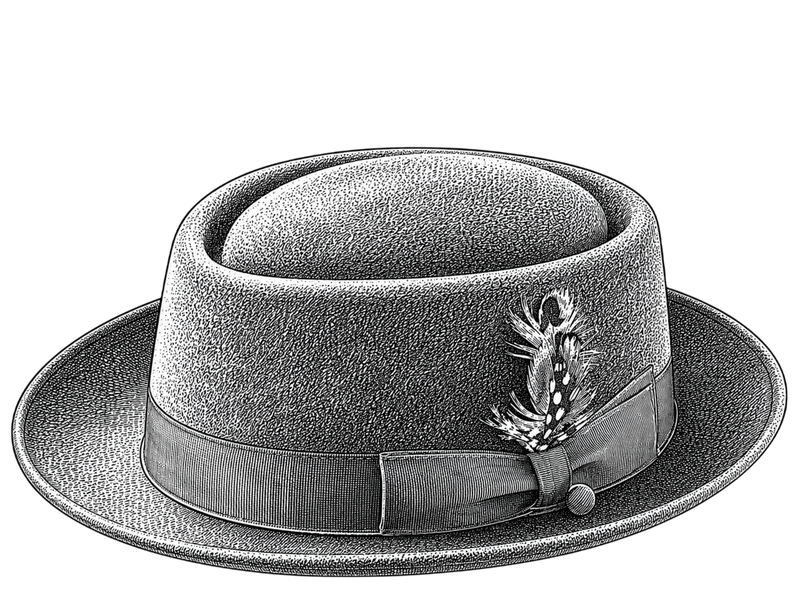
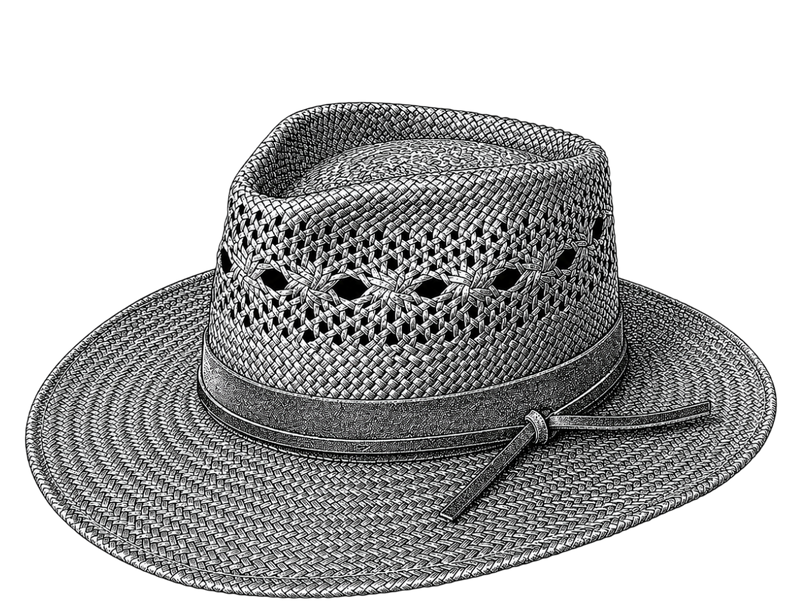
The relationship between hats and hair loss is more complex than most coverage suggests. Hair loss brings a new set of practical hat-wearing considerations -- scalp UV protection matters more than for people with full hair coverage, fit changes when there is less hair to hold a hat in place, and some styles that worked with full hair create a different visual impression without it. But it also opens options: certain hat styles that require short or closely cropped hair work better on a shaved or closely cropped head than on any other.
The Practical Shift: UV Protection Becomes Primary
For most people with full hair, scalp UV protection is not a top concern -- the hair itself provides meaningful UV shading for the scalp. For people with significant hair loss or a shaved head, the scalp becomes one of the largest areas of UV-exposed skin on the body, and skin cancer rates on the scalp are significantly higher in people with thinning hair than in the general population.
This means that for hat wearers experiencing hair loss, UV protection function becomes a more pressing reason to wear a hat than it was previously. A hat that provides meaningful scalp coverage -- rather than just a fashion accessory -- serves a genuine skin health purpose.
Hat coverage for scalp UV protection:
- Full crown coverage: a hat with a solid, dense crown fabric covers the scalp directly underneath. A tightly woven straw hat or a densely woven fabric hat provides more UV protection to the scalp than a loose mesh crown
- Brim coverage: the brim shades the face and creates indirect UV reduction for the sides and front of the scalp
- Mesh crowns: many baseball caps and outdoor hats have mesh panels in the crown for ventilation. Mesh panels reduce UV protection for the scalp significantly compared to solid fabric panels. For UV protection purposes, solid crown hats are preferable to mesh-crown alternatives
The Fit Shift: Sizing Without Hair Volume
Hair volume contributes to how a hat fits. A person with thick, full hair is effectively wearing a slightly larger head circumference when they measure for a hat than the same person with shaved or very thin hair. When hair thins significantly or is shaved:
- Hats that were previously the correct size may feel slightly loose
- The hat may sit higher on the head than intended because there is less hair volume to fill the interior
- The sweatband, which relies partly on hair friction to stay in place, may slide more easily
The practical solution is remeasuring head circumference without hair volume and selecting the appropriate size. Hat sizing inserts (foam or felt strips that add to the interior band) can also adjust an existing hat that has become slightly loose.
Styles That Work Particularly Well
Baseball Caps: The Easiest Transition
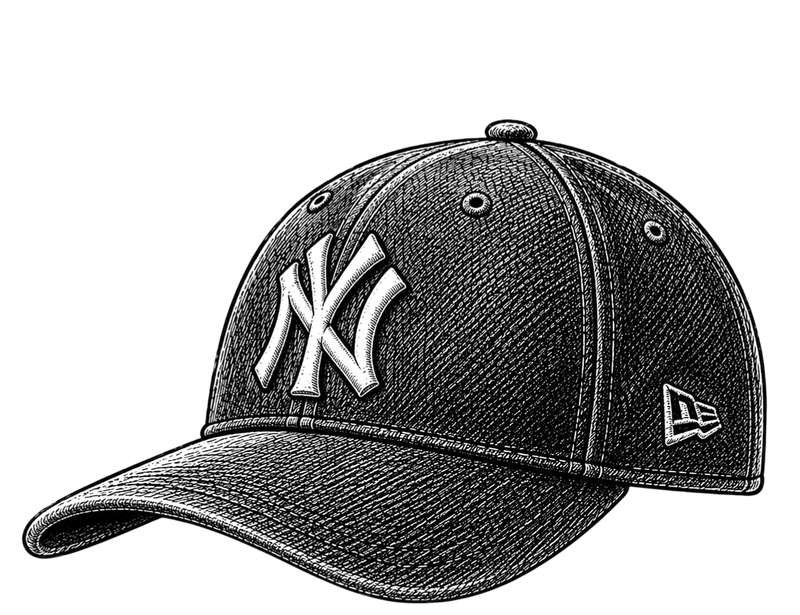
A baseball cap on a shaved or closely cropped head is one of the cleanest looks available -- the cap's close fit and forward peak work with the simplified head silhouette rather than against it. The cap requires no hair to look good (unlike some structured hats that need hair volume underneath to sit at the correct height), and the clean lines of cap against scalp are a well-established combination in both athletic and casual contexts.
Beanies: Winter Coverage Without Styling Complexity
A knit beanie on a shaved head provides full scalp warmth and coverage without any of the hair interaction considerations that affect structured hats. The beanie's fit is determined by the hat's knit construction and the head circumference, not by hair volume. A close-fitting merino beanie on a clean-shaved head is both practical and visually clean.
Fedoras and Wide-Brim Hats: Visual Balance
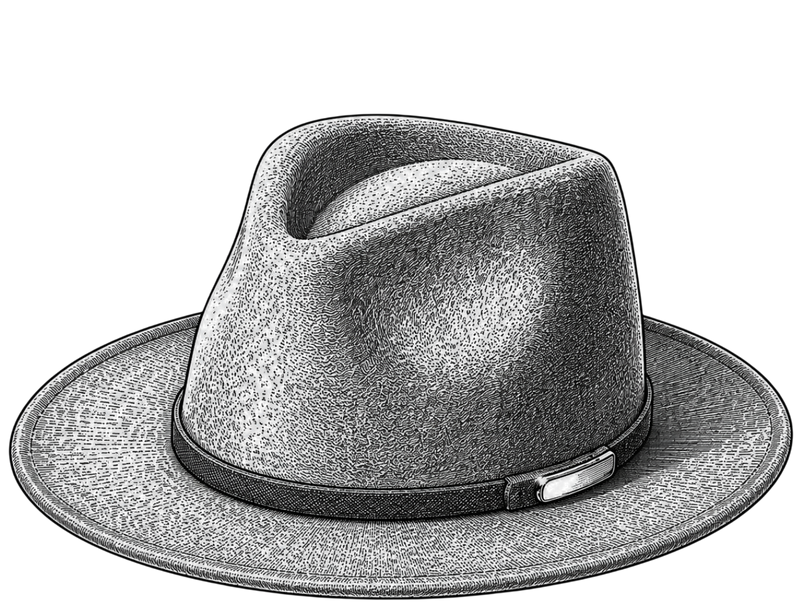
A fedora or wide-brim hat on a shaved or closely cropped head can be a particularly strong combination because the hat creates the horizontal brim element that provides visual counterweight to the smooth vertical of the skull. The hat essentially becomes the primary structural element of the head's visual profile -- there is no competing hair shape. This means the hat's own proportions become more visible, which works in favour of a well-chosen, well-fitted hat and against a poorly-fitted or proportionally off one.

Flat Caps
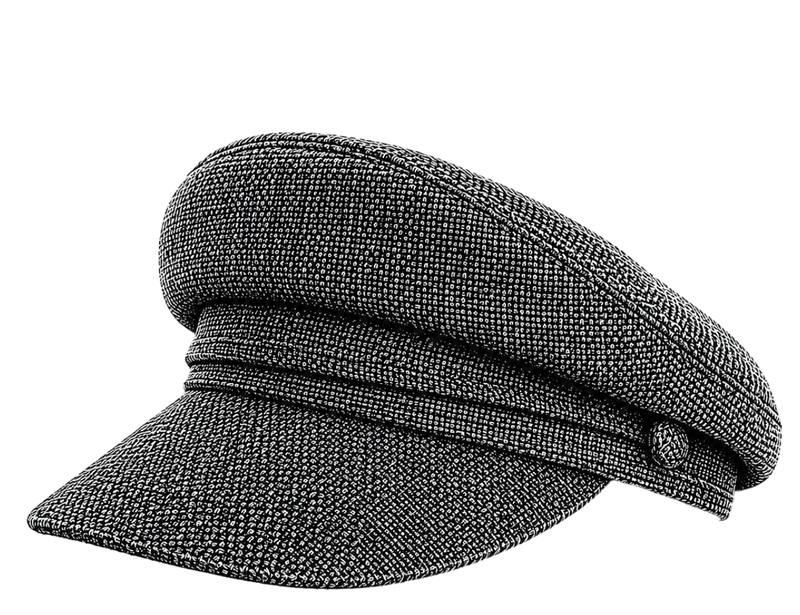
A flat cap on a closely cropped or shaved head works well in smart-casual and casual contexts. The cap's forward peak and flat top create a clean profile that requires no hair volume underneath to function as intended.
Styles That Require More Thought
Hats That Rely on Hair for Structure
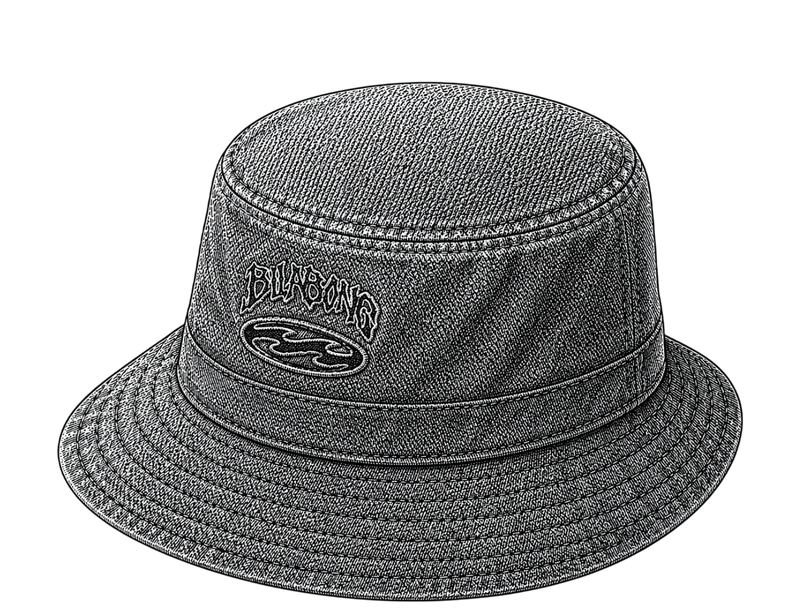
Some hat styles look their best when the crown fills with hair volume from below. A very loosely fitting bucket hat or a wide-crown fedora that requires thick hair to fill it to the correct height can sit too loosely on a shaved head. The visual result is a hat that appears slightly too large, sitting higher than intended. The fix is size selection -- choose a size that achieves the correct fit without hair volume, rather than the size that would have fitted with full hair.
Browse baseball caps, fedoras, beanies, and wide-brim hats at Hatloom.
Frequently Asked Questions
Does wearing hats cause hair loss?
No, according to current medical consensus. The commonly repeated claim that hats cause hair loss by 'smothering' hair follicles or restricting blood flow is not supported by evidence. Hair follicles are supplied by blood vessels deep in the scalp that are unaffected by the mild pressure of a hat. Male and female pattern hair loss is driven by genetics and hormone-related processes, not mechanical compression. Very tight hat-wearing over extended periods in athletic contexts can cause traction-related hair loss at the hat band line, but this is caused by sustained mechanical tension on the hair shaft, not by wearing hats generally.
What is the best hat for a bald head in summer?
A wide-brim hat with a solid, tightly woven crown is the best sun protection option for a bald head in summer. The wide brim shades the face and reduces indirect UV to the sides and front of the scalp; the solid crown provides direct UV protection for the top of the skull. A bucket hat with a wide brim (5+ cm) in a UV-protective synthetic material is a more practical casual option for active use. A baseball cap provides excellent face shading but leaves the sides and top of the scalp exposed, which matters more for a bald head than for one with hair coverage.
Should I size up in hats if my hair is thinning?
No -- you should size to the actual head circumference measured without hair. If your hair has become significantly thinner than when you last bought hats, it is worth remeasuring your head circumference directly with a tape measure and selecting hat sizes based on that measurement. Sizing up based on the assumption that thinner hair means a larger size is the wrong approach -- the measurement is the measurement, and the hat should be fitted to it. Hat sizing inserts are available if you have existing hats that fit slightly too loosely.