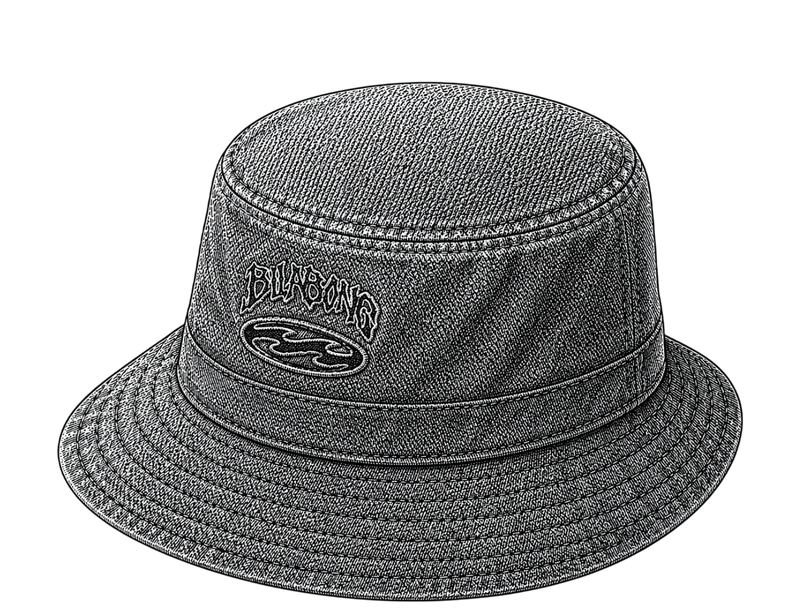
Hat advice for young men is usually either too conservative (start with a beige flat cap and work from there) or too aggressive (buy a wide-brim fedora and commit to a lifestyle). Neither is useful. The 20s are the decade where hat habits are either established or permanently abandoned, and the difference between someone who wears hats for life and someone who bought one fedora and never wore it again is usually a single purchase decision and whether it led to regular wear.
Why the 20s Are the Critical Hat Decade
Hat wearing requires a wearing habit -- the ability to leave the house with a hat without self-consciousness, to know that the hat works with what you are wearing, and to have integrated hat decisions into your daily dressing process. This habit is easier to establish at 22 than at 42, because the social identity is more fluid, new appearance elements are more readily incorporated, and the initial period of wearing a hat in public (which feels more exposed than it actually is) is behind you earlier.
People who establish hat wearing in their 20s typically continue wearing hats throughout their life because the habit becomes part of their self-presentation without requiring ongoing decisions. People who try hats in their 40s or later have to establish the habit in a context where their appearance identity is more fixed and deviation from established patterns requires more deliberate effort.

The First Hat: What to Actually Buy
The first hat should be worn. This sounds obvious; it is not. The first hat must:
- Fit well (measure your head, buy the correct size -- anything else wastes the purchase)
- Work with the majority of what you already wear (not require a new wardrobe)
- Not require excessive confidence to wear (a hat that you feel uncomfortable in 80% of the time will not establish a wearing habit)
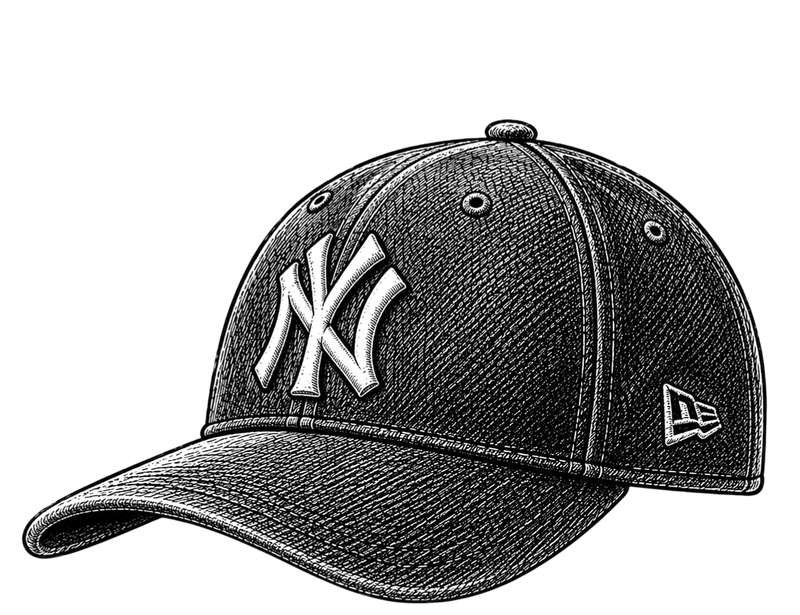
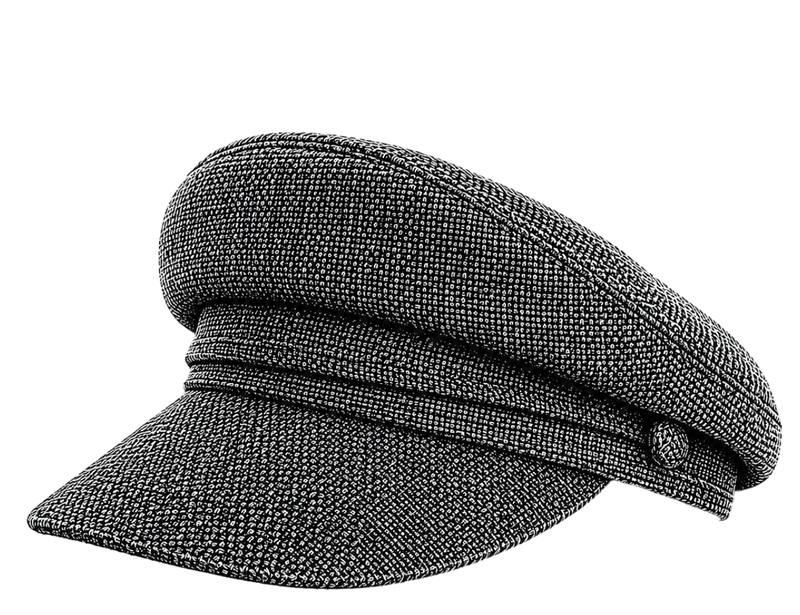
For most men in their 20s, this is either a structured baseball cap in a neutral colour (black, navy, grey) or a flat cap in a neutral wool blend. Both integrate into casual daily life without requiring explanation or a significant style change. Neither is exciting. Both will actually be worn.
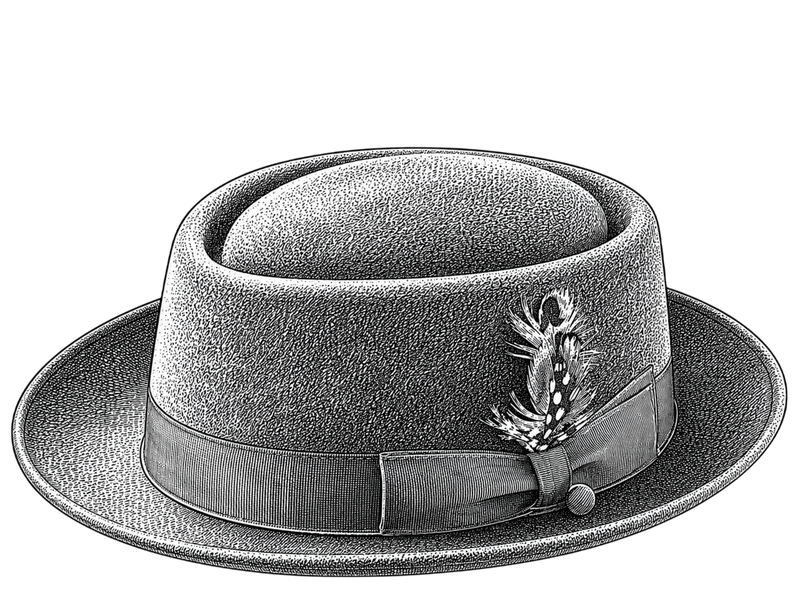
The mistake is buying the most interesting hat first: a wide-brim fedora, a cowboy hat, a pork pie. These are hats for people who already wear hats and are expanding their vocabulary. As a first hat, they are too specifically styled to integrate naturally into daily casual life, and the wearing confidence required for them is learned, not immediate.
The Second Hat: Developing a Voice
Once a first hat has been worn consistently for a season and the wearing habit is established, the second hat can take more risks:
- A quality flat cap in tweed or a textured material if the first hat was a plain baseball cap
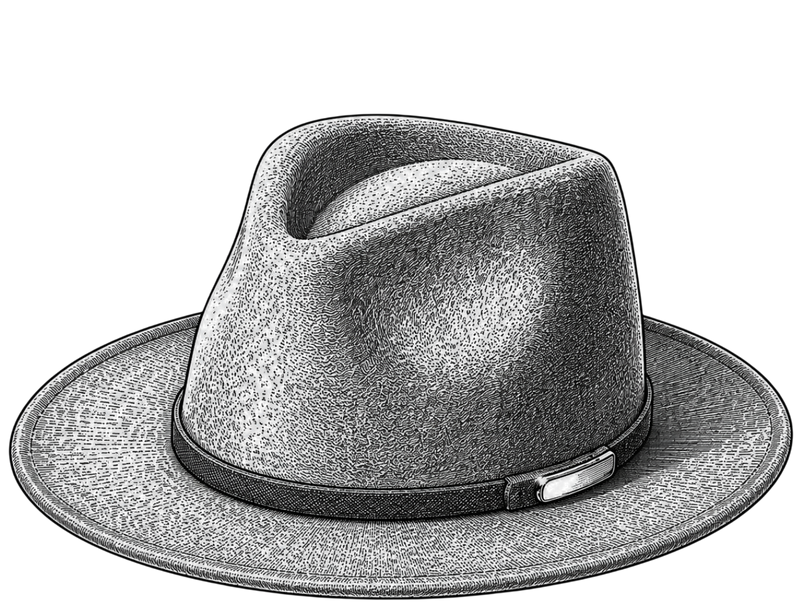
- A medium-brim felt fedora in grey or tan if the first hat was a flat cap
- A packable Panama for summer if the first hat was a winter cap
The second hat should serve a different occasion or season than the first -- this is the point at which the wardrobe starts to have functional range rather than a single-occasion solution. Two hats that each get worn regularly is a better wardrobe than one aspirational hat that gets worn twice.
What the 20s Hat Wardrobe Looks Like
By the late 20s, a considered hat wardrobe for a man who started early in the decade might look like:
- A structured baseball cap or two (different colours for different casual outfit needs)
- A flat cap in wool or herringbone for autumn/smart-casual use
- A quality felt fedora for when occasion warrants it (art gallery, dinner, specific social events)
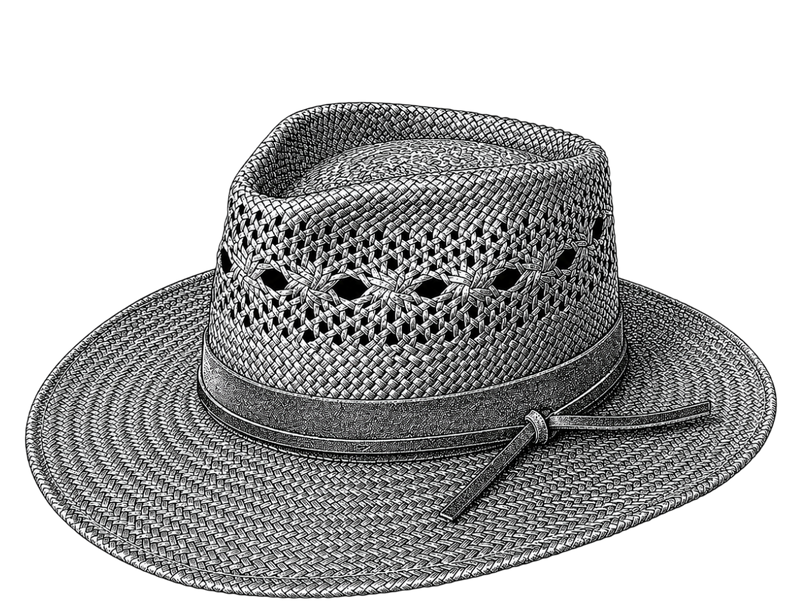
- A summer straw hat for warm weather outdoor use
This is a four-hat wardrobe covering all functional bases. It is achievable on a reasonable budget accumulated over several years and represents a real hat wearing practice rather than a collection that exists to exist.
Practical Buying Guidance for Your 20s
Budget allocation: spend the most on your most-worn hat. If you wear a baseball cap five days a week and a fedora once a month, invest in the baseball cap. A 60 EUR structured cap in a premium fabric worn daily is a better value proposition than a 60 EUR cap worn occasionally and a 150 EUR fedora worn four times a year.
Where to buy: specialist hat shops (both physical and online) will stock quality options with actual sizing information and exchange policies. General fashion retailers often stock hats at the lower quality end of the price range -- a 30 EUR fedora from a fast fashion retailer is not the same purchase as a 30 EUR fedora from a hat specialist, and the quality difference is immediately obvious in person.
Browse hat options at every stage of the wearing journey at Hatloom.

Frequently Asked Questions
At what age do hats start looking natural to wear?
There is no age threshold for hat wearing -- it looks natural when worn naturally, at any age. The perception that hats require a certain age to look natural is a circular effect: because fewer young men wear hats, those who do attract more attention, which makes it feel less natural than it would if hat wearing were common. The individual experience changes quickly with practice: most men who commit to wearing a hat consistently report that the initial self-consciousness dissolves within 2-3 weeks of regular wear as they receive normalising feedback from their environment and develop confidence in the wearing.
What is the most versatile hat for a man in his 20s?
A structured baseball cap in black or navy has the broadest casual wardrobe compatibility and the lowest social barrier to entry. A quality flat cap in a neutral herringbone is the most versatile step up from there -- it works casual-to-smart-casual and improves an outfit's visual interest without requiring a lifestyle commitment the way a fedora might. For summer months, a natural straw hat with a medium brim (5-7 cm) is the most versatile warm-weather option. The answer depends partly on the wearer's existing wardrobe register -- the versatile hat is the one that works with the majority of your current clothing, not the one that requires you to dress differently to accommodate it.
Is wearing a fedora in your 20s a cliche?
The fedora acquired a specific internet-culture association in the early 2010s that had little to do with actual hat wearing and everything to do with a particular attitude associated with a sub-group of online communities. This association is already becoming dated. The fedora itself is a classic hat with over a century of mainstream use across demographics. Wearing a quality felt fedora, correctly sized, correctly placed, with appropriate clothing, in the 2020s is not a cliche -- it is a hat choice. The self-consciousness about fedora wearing that persists in some online communities is a time-lagged cultural echo of a specific internet moment, not an accurate reflection of how fedoras read in general social contexts.
How do I know if a hat suits me without trying it?
You can estimate using face shape and proportion guidelines, but the reliable answer is that you cannot know without trying. Online retailers with easy exchange policies reduce the risk of purchasing without trying. If you can visit a physical hat shop, the 15-minute experiment of trying several different crown heights and brim widths will tell you more than any face shape guideline. For first purchases specifically, visiting a hat shop (or a retailer where hats are actually stocked rather than ordered) is worth the inconvenience if there is one accessible to you.