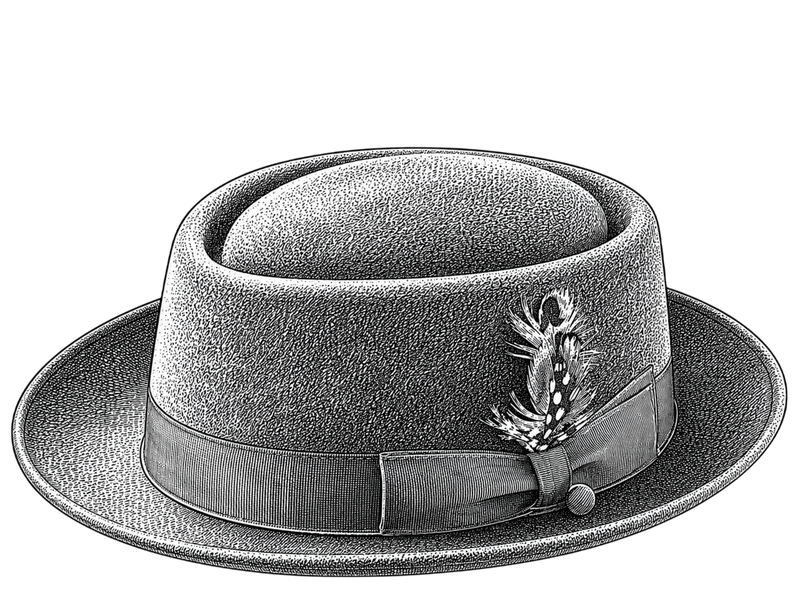
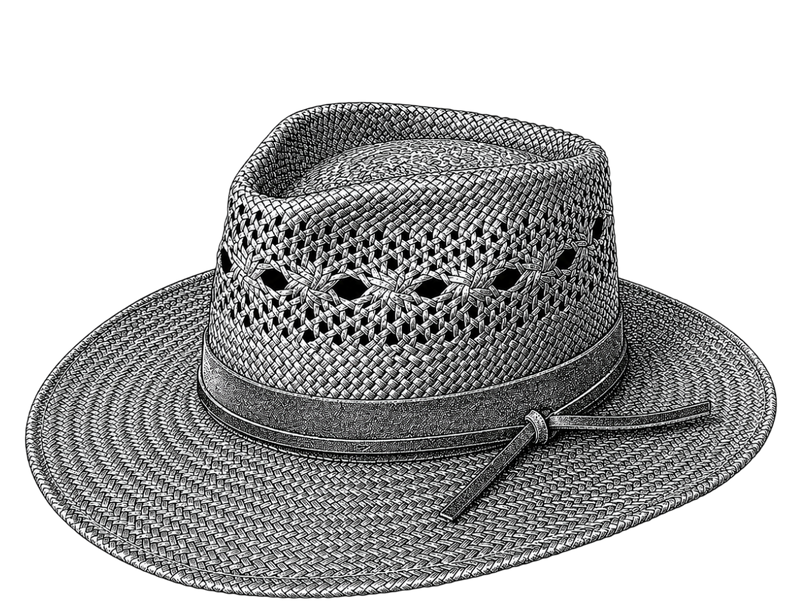
Every hat is a social communication. The hat wearer intends to keep their head warm, protected from the sun, or stylishly dressed — the hat does that. It also does something else simultaneously: it sends a signal about identity, subculture, aspiration, and social position to everyone who sees it. Understanding this signal layer is not vanity — it is practical. The hat that says what you intend it to say is a better hat than the one that accurately represents your head size and nothing else.
Why Hats Signal More Strongly Than Other Garments
Hats occupy the highest visual position on the body — the area above the horizon of the face that is seen first in most social interactions. They are not concealed by coats, layers, or bags. They require active choice: unlike a white t-shirt, which can be worn without intention, a hat always represents a decision. The deliberateness of the hat choice is read by observers as an index of how carefully the wearer has constructed their appearance — which is why a poorly chosen hat undermines an otherwise excellent outfit in a way that a poor shirt choice often does not.
What Specific Hats Signal
The Felt Fedora
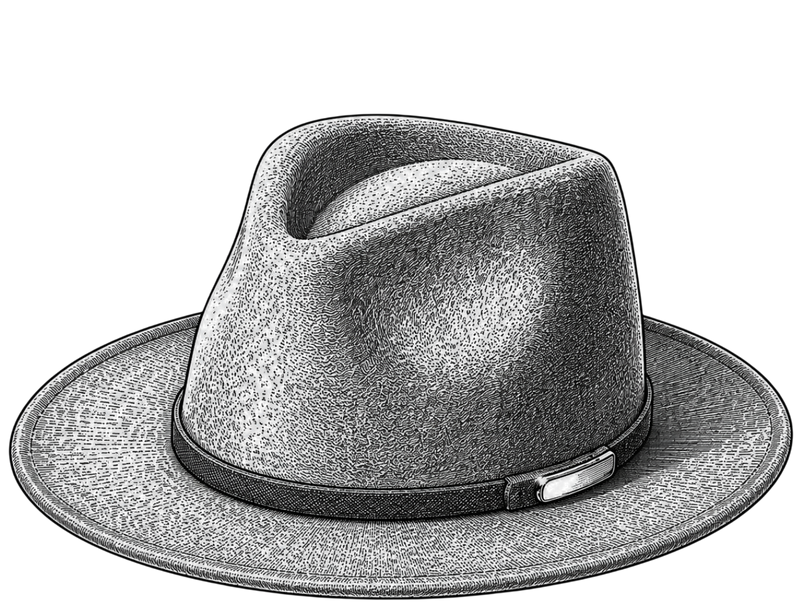
The felt fedora is the most socially complex hat currently in mainstream circulation. Its signal content has shifted dramatically across decades:
- In 1940s–1950s mass culture: default professional male headwear. No particular signal beyond conformity to the norm.
- In 2000s internet culture: the fedora acquired strong ironic and mocking associations, linked to a specific internet-native male archetype. This association was entirely internet-generated but became culturally real through repetition.
- In 2010s–2020s heritage menswear: the fedora was reclaimed as quality headwear by a different audience — the hat returned to reading as considered personal style in quality materials, separating itself from the internet-meme version through quality of execution.
The current fedora signal is almost entirely determined by execution quality. A fine-felt, quality-constructed fedora in a classic proportion reads as considered personal style. A cheap, ill-fitting, low-crown trilby reads as the internet-meme adjacent version. The hat itself is the same silhouette in the same tradition. The material and fit determine which cultural reference is active.
The Baseball Cap
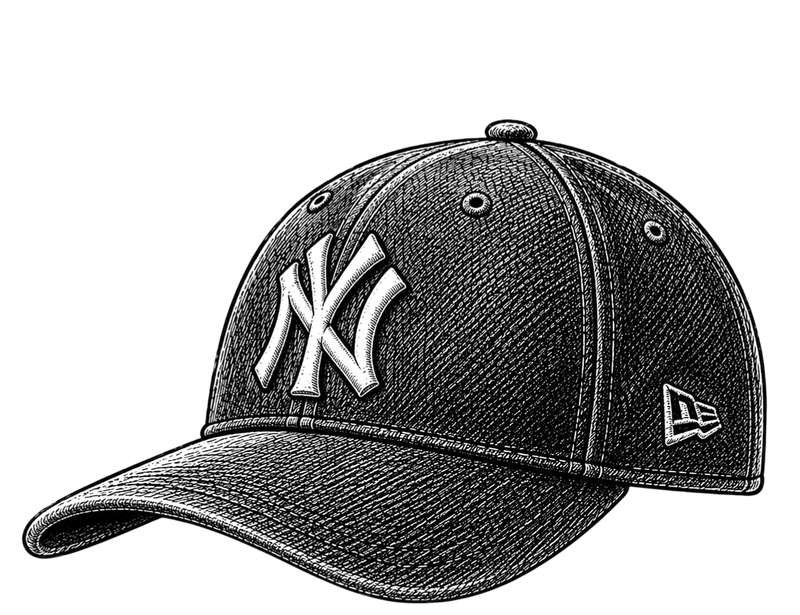
The baseball cap is the most democratically worn hat in the world and therefore the weakest hat signal — it means everything and therefore nothing until specific details add signal content. The modifiers that add meaning:
- Team logo: Tribal allegiance. The team signals geography, class background, and social belonging.
- Brand logo: Streetwear, luxury branding, heritage sports brands — each carries specific subculture associations.
- No logo, premium material: Quiet luxury signaling. A clean, logo-free cap in quality cashmere or structured cotton reads as deliberately anti-signaling, which is itself a specific signal (understated affluence, preference for quality over status display).
- Wearing position: Forward-worn at eye level reads as standard. Tilted back reads as casual. Sideways reads as a now-dated 1990s–2000s urban reference. Backwards reads as casual or athletic depending on the age of the wearer and the context.
The Flat Cap
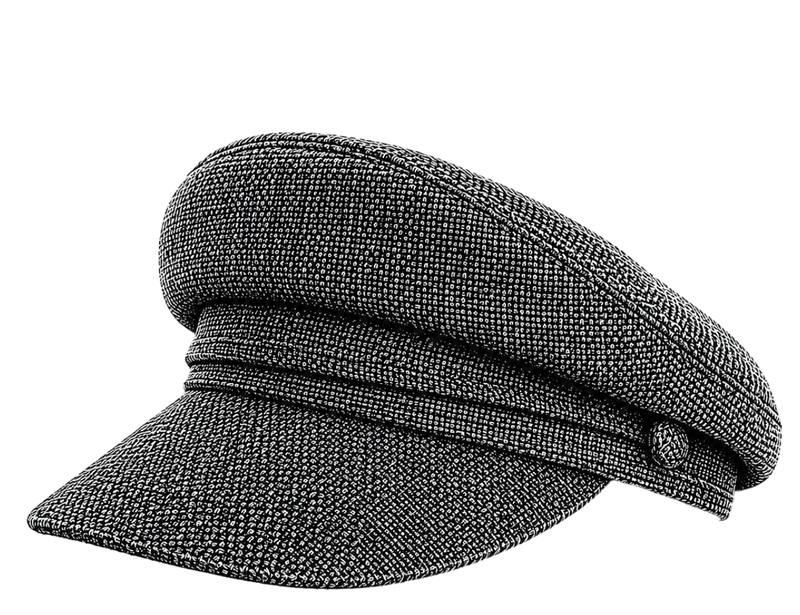
The flat cap currently reads as one of the most stable hat signals in menswear: considered, heritage-oriented, slightly understated, connected to a specific British tradition. Its class associations have historically been complex — originally working-class British headwear, later adopted by aristocracy for country pursuits, then reclaimed by premium menswear. The current signal is heritage and considered personal style without strong class content in most contemporary contexts. It is one of the lowest-risk hats in terms of misread signal — it almost universally reads as intended.
The Wide-Brim Sun Hat
Women's wide-brim hats signal femininity, style consciousness, and event-appropriate dressing in most contexts. In very large sizes and festival contexts, they carry a specific free-spirited aesthetic associated with outdoor events, boho style, and social media-aware dressing. The signal varies substantially by context: the same wide-brim hat reads differently at a horse racing event, a music festival, a beach, and a city street.
The Bucket Hat
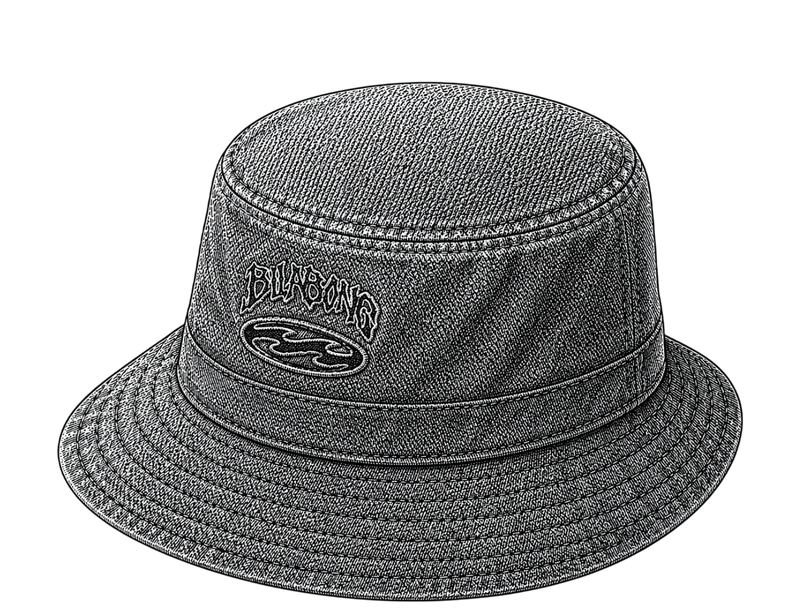
The bucket hat's signal is context and material dependent. In streetwear: belonging to a specific cultural moment (2017–2020 primary, but continuously active). In outdoor utility contexts: practicality and function. In luxury branding (Prada, Gucci bucket hats): status signal through subcultural medium — the interesting combination of a utilitarian silhouette in luxury material. In plain cotton at the beach: no particular signal. The bucket hat is unique in having essentially no stable permanent signal content — it is entirely determined by the context and material in which it appears.
The Signal You Send By Not Wearing a Hat
In contexts where hats are expected — weddings, races, garden parties, formal events — not wearing a hat sends a signal: either the wearer does not own appropriate headwear, does not know the convention, or is consciously choosing to depart from it. Each reads differently depending on execution of the rest of the outfit. In everyday contexts, not wearing a hat sends no signal at all. The absence is only meaningful when presence would be conventional.
How to Align Signal and Intention
Three questions that determine whether your hat is sending what you intend:
- Does the hat signal belong to the context? A hat that is correct for one context and unusual for another — a fedora at a garden party versus a fedora at a rave — sends different signals through the same object. Match hat to context before considering style.
- Does the hat quality match the signal? A fedora that signals quality requires quality. A bucket hat that signals deliberate streetwear requires the right materials and proportions. The signal is only successfully sent if the execution matches what the hat category promises.
- Is the hat worn with conviction? A hat worn uncertainly — frequently adjusted, visibly self-conscious, worn only occasionally with no established wearing habit — reads as a hat that the wearer is trying rather than wearing. Conviction of wearing is itself a significant part of the signal.
Find hats with strong signal-to-quality alignment across classic and contemporary styles in the Hatloom collection.
Frequently Asked Questions
Do hats make people look more confident?
Evidence from social observation and consumer research consistently suggests yes — hats increase the apparent confidence of wearers as read by observers, in the same way that well-tailored clothing does. The mechanism is likely that a hat represents a deliberate, visible choice that most people do not make, which observers read as evidence of personal style conviction. The confidence signal is strongest when the hat is worn consistently and without visible self-consciousness.
Are there hats that universally signal negative attributes?
The signal content of any hat is contextual, not absolute. A hat that signals rebellion in one context signals belonging in another. The internet-meme fedora signal is the closest current example of a broadly negative hat association — but even this is material and fit dependent. No hat style has a universal negative signal; all negative signals are contextual and can be avoided by attending to the specific context and execution quality concerns that trigger the negative reading.
Does hat color affect the signal?
Yes, independently of style. Dark hat colors (black, charcoal, navy) read as more formal and authoritative in most contexts. Light and warm colors (camel, tan, cream) read as more approachable and casual. Bright accent colors signal fashion-consciousness and trend awareness. Pattern signals subculture affiliation (regimental stripe for British institutional reference, camouflage for military-adjacent or streetwear, plaid for heritage). The color is a secondary signal layer on top of the primary style signal.
Why do some people feel uncomfortable wearing hats?
The social discomfort of hat-wearing for new wearers comes from the hat's high signal intensity — the deliberateness of the hat choice is read by observers, which means the wearer feels conspicuous in a way that wearing a new coat or new shoes does not produce. This conspicuousness is real but temporary: observers update their mental image of the wearer within approximately one week of consistent wearing, and the hat stops reading as a statement and starts reading as how that person dresses. The discomfort is front-loaded and resolves with time.
What does wearing a hat in bad condition say about the wearer?
A hat in bad condition — visibly worn, shapeless, faded, or dirty — reads as neglect rather than as well-worn character. The distinction between a hat with good patina (natural aging that develops on quality materials) and a hat in poor condition (structural failure, significant soiling, loss of shape) is visible to any observer. A hat in bad condition sends a signal about the wearer relationship to their possessions and their appearance that is rarely the intended signal.