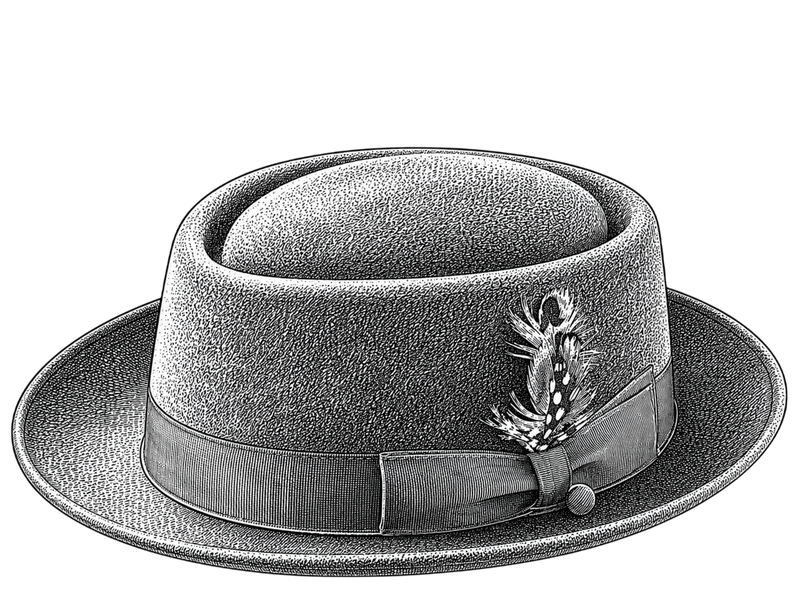
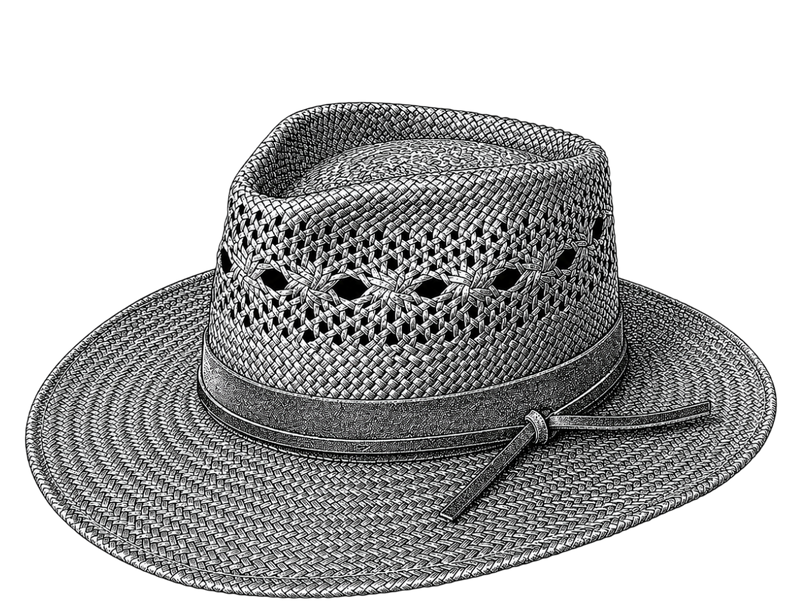
Most hat etiquette rules are relics of a social world that no longer exists. The rule requiring men to remove hats indoors was practical in an era when hats were worn constantly and removing them signaled transition from public to private space — a distinction that has little meaning when most people do not wear hats at all. Following rules derived from obsolete social contexts is not etiquette. It is performance of the past.
The rules worth knowing are the ones that still carry real social meaning in 2025. Here is what that looks like.
The Distinction Between Etiquette and Convention
Etiquette refers to behaviors that demonstrate consideration for others. Convention refers to customs that were once etiquette but have become purely performative through repetition. The two are frequently confused.
A rule is genuine etiquette when following it makes someone else more comfortable or respected. It is mere convention when following it has no practical effect on anyone but signals social belonging or deference to tradition for its own sake. Good etiquette reasoning distinguishes between these two categories.
Rules That Still Matter
Remove Your Hat During National Anthems and Moments of Silence
This remains genuine etiquette because it is a widely shared, actively maintained convention with real symbolic weight. The action signals participation in a communal act of respect. The significance is understood across cultures and generations. Keeping a hat on during a national anthem or a moment of silence is, in 2025, still read as disrespect by a meaningful portion of the audience — which is the only criterion that makes something live etiquette rather than dead convention.
The qualifier: This applies to hard-brimmed and structured hats. A religious head covering (kippah, turban, hijab, etc.) is exempt by a widely understood exception that takes precedence.
Read the Room on Hat Removal at Formal Ceremonies
At weddings, funerals, religious ceremonies, and formal events where other guests are dressed with intentionality and decorum, hat removal during the ceremony itself is appropriate — not because of a rule, but because an occupied hat draws attention to the wearer in a context where attention is meant to be elsewhere. During the reception, before, and after, hats are entirely appropriate.
The exception: Women at British-style formal occasions (Royal Ascot, formal garden parties, formal weddings) are expected to wear hats or fascinators. For women in this specific context, removing the hat during the ceremony defeats the purpose of wearing one — the hat is part of the formal dress, not headwear in the utilitarian sense.
Do Not Wear a Hat That Blocks Others Views at Events
A wide-brim hat (8+ cm) in the middle of a standing crowd, at a seated theater or ceremony, or in any space with sightlines to a stage or speaker creates a practical obstruction for people behind you. This is genuine etiquette — it directly affects the experience of others. Seat yourself at the edges of rows when wearing large hats, or remove the hat when seated in contexts where you might obstruct someone else view.
Match the Hat to the Occasion Register
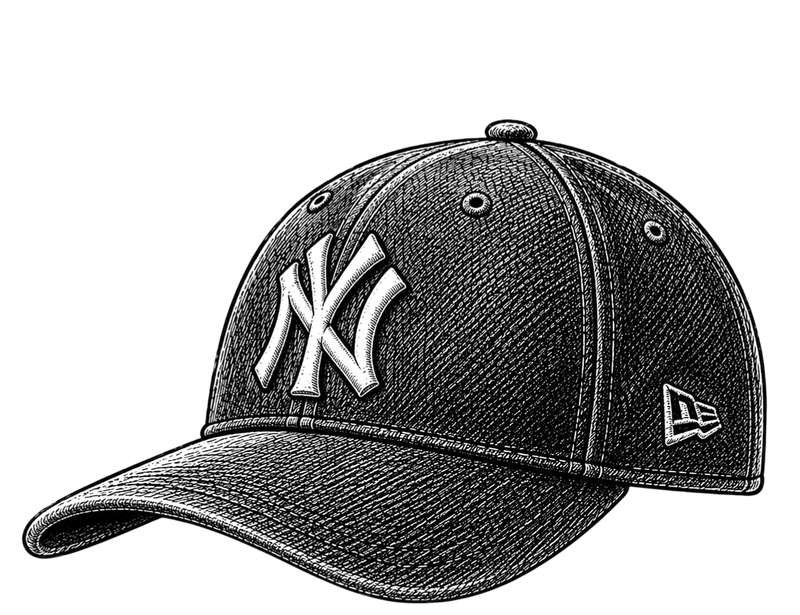
This is the most practically significant hat etiquette point in contemporary contexts. Wearing a hat that significantly undercuts or overreaches the formality of an occasion reads as inconsiderate of the context other attendees have respected. A baseball cap at a formal dinner, or an extremely formal top hat at a casual garden picnic, both signal that the wearer did not engage with the event dress code.
This is not about rigid conformity. It is about demonstrating that you considered the context — which is the essence of social etiquette.
Rules That No Longer Hold
Men Removing Hats Indoors (General)
The historical basis: in an era when every man wore a hat outdoors, removing it on entering a home or building was a transition marker — from public to private, from formal to intimate. In 2025, when most men enter a building already hatless, the rule has no practical basis. A man wearing a baseball cap in a restaurant is simply wearing a hat. Requiring removal is convention without modern purpose.
The actual consideration: If your hat is large enough to make you physically awkward in a small indoor space — getting through doorways, sitting at close tables — practical consideration is the relevant factor, not etiquette.
Women Always Keep Their Hats On
Historical hat etiquette differentiated between men (remove indoors) and women (hats are part of the outfit, keep them on). This distinction reflected clothing conventions where women hats were often pinned to elaborate hairstyles and could not be easily removed. In 2025, women hats are no more or less removable than men hats. Context and practicality govern the choice, not gender-specific rules.
Doffing to Passing Women
Touching or lifting the brim of a hat as a greeting — a gesture with centuries of practice — has no meaningful social currency in contemporary public life. Attempting it reads as theatrical rather than respectful. Nodding acknowledgment has replaced it entirely.
Never Wearing a Hat After Dark Indoors
This is convention without etiquette basis in the current era. Indoor hat wearing at evening events, restaurants, and similar contexts is a personal choice, not a social violation.
Practical Guidance for Common Contexts
Restaurants: Hat on or off by personal preference. No etiquette basis for removing it. If the hat is very large and makes seating awkward or would disturb other diners, practical consideration suggests removing it.
Cinemas and theaters: Remove any hat large enough to potentially obstruct the view of the person behind you. A baseball cap or flat cap: no meaningful obstruction. A wide-brim hat or any structured hat with significant height: remove when seated, or sit at the rear where obstruction is not a factor.
Workplace: Context-specific. In a corporate environment where hats are unusual, wearing one may require confident intentionality — not because it is wrong, but because unusual choices in formal workplaces require the wearer to own the choice. In creative, casual, or outdoor work environments, no consideration applies.
Place of worship: Follow the specific tradition of the institution. Requirements vary significantly — some traditions require head covering (Jewish, Muslim, Sikh contexts), some require removal (many Christian traditions for men), some have no requirement. When uncertain, observe what others do on arrival.
Outdoor events: Hat on. Practical sun protection is appropriate at any outdoor event. The wide-brim obstruction consideration applies in standing crowds.
The One Rule Worth Adding
Contemporary hat etiquette has one genuinely new consideration that older guides do not address: indoor hat wearing in close conversational settings can read as a barrier — a signal of not fully arriving in the social space. This is not a rule. It is a social dynamic worth being aware of. In contexts where removing the hat would signal engagement and presence — a dinner party, a first meeting, an intimate gathering — the gesture retains some of its historical meaning even in a non-hat-wearing era.
The difference between someone who removes their hat in an intimate setting and someone who keeps it on is not about etiquette rules. It is about reading the room.
Explore hat styles for every occasion in the Hatloom collection.
Frequently Asked Questions
Is it rude to wear a hat indoors?
Generally no, in 2025. The historical basis for men removing hats indoors — transition marking from public to private space — has lost its meaning in a context where most men do not wear hats. Practical considerations (not obstructing others, not being physically awkward in small spaces) matter more than the old convention.
Should men remove hats at the table?
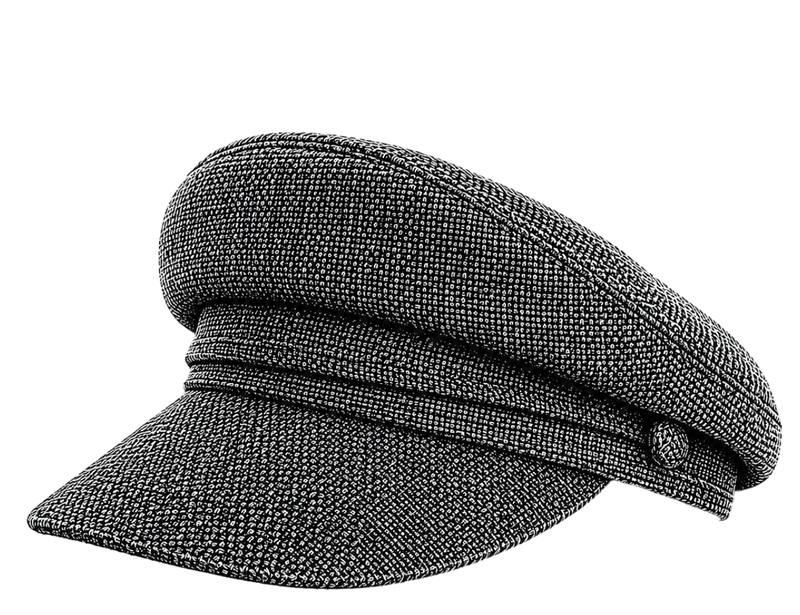
There is no compelling contemporary etiquette reason to do so. If the hat is large enough to be physically awkward at a table — a wide-brim hat at a small restaurant, for example — practical consideration applies. A baseball cap or flat cap at dinner is not a social violation by any meaningful contemporary standard.
Do women have to wear hats at formal events?
In some specifically coded British formal contexts (Royal Ascot, some formal garden parties), hats or fascinators for women are part of the expected dress code. In most other formal events globally, they are appropriate but not required. Check the specific dress code of the event.
Is it disrespectful to wear a hat during a national anthem?
In most Western countries, yes — removing structured hats during national anthems remains an actively maintained convention with real symbolic significance. The action signals participation in a communal gesture of respect. Religious head coverings are universally exempted from this convention.
Can you wear a hat at a funeral?
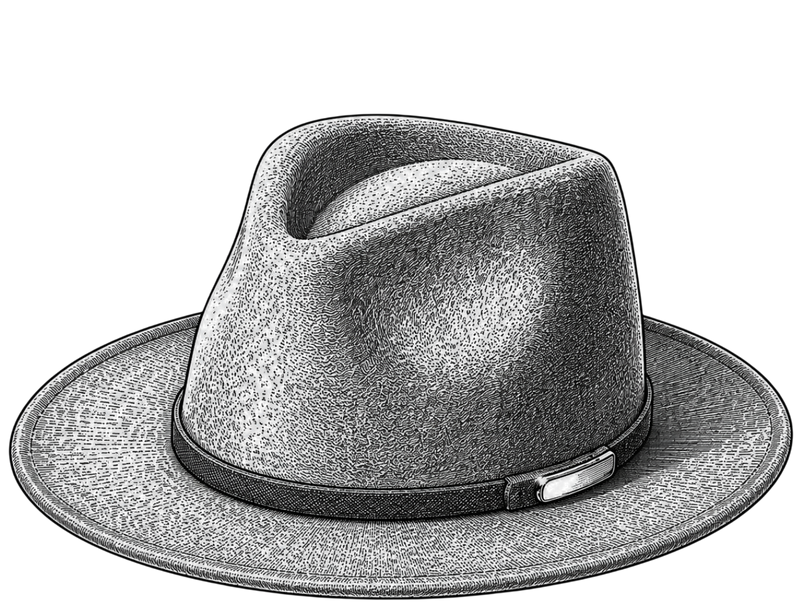
Yes. At funeral services, hats are appropriate as part of respectful, considered dress — particularly for women. For men, a structured felt hat or homburg worn with a dark suit reads as appropriately formal. Remove the hat for specific moments of ceremonial significance (the committal, prayers) if others around you do so, and follow the lead of the family if you are uncertain about the specific tradition being observed.