Wedding hat etiquette is the area where hat culture intersects most visibly with social rules that still carry real consequences -- wearing the wrong hat or wearing a hat incorrectly at a wedding is genuinely noticed, and in some contexts genuinely matters. The stakes are higher than in everyday hat wearing, which makes clear guidance valuable rather than pedantic.
The Fundamental Rule: Hat Wearing at Weddings Is Context-Specific
Hat etiquette at weddings varies significantly by country, religion, formality, and the specific couple's preferences. British and Commonwealth wedding culture has the most elaborate hat conventions; American wedding culture is considerably more relaxed; religious ceremonies have their own headwear requirements that override fashion conventions entirely.
Before applying any general rule: read the dress code on the invitation. The dress code is the clearest available signal of what hat wearing is expected, optional, or inappropriate for that specific event.

British Wedding Hat Tradition
In British wedding culture, hats for female guests are conventional rather than optional at formal church weddings, and are essentially required at events that specify formal dress. The conventions:
- Hats are worn for the ceremony and daytime reception. Evening receptions (particularly if separate from the daytime event) typically do not involve hat wearing.
- The hat should complement the outfit in colour and formality. An outfit assembled with care should have a hat that reads as part of the same considered whole, not as an afterthought.
- White, ivory, and cream hats are conventionally avoided by female guests -- these colours are reserved for the bride. Off-white, champagne, or pale gold occupies a borderline position; when in doubt, choose a different colour.
- Very large or elaborate fascinators or hats should not compete visually with the bridal party's headwear. Guest headwear should be notable, not the most notable thing in the room.
Ascot and Race Day Weddings
Some British weddings at country estates or venues with race day associations have dress codes that explicitly require hats. These events carry the most formal hat conventions. The Royal Ascot rule (hat base must be at least 10 cm in diameter) is sometimes adopted informally as a guide for what counts as a genuine hat rather than a token head ornament.
Men's Hat Etiquette at Weddings
Men wearing hats to weddings in most Western contexts is less conventional than women's hat wearing but entirely appropriate when done correctly:
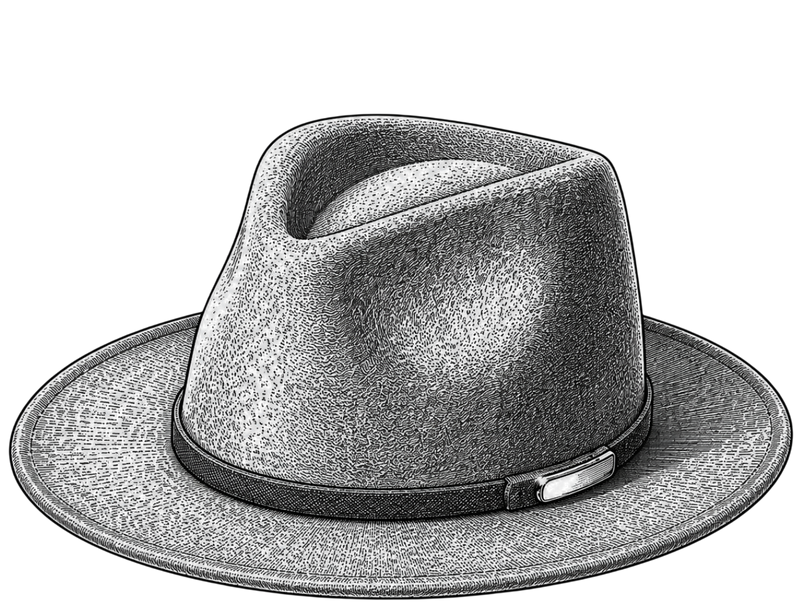
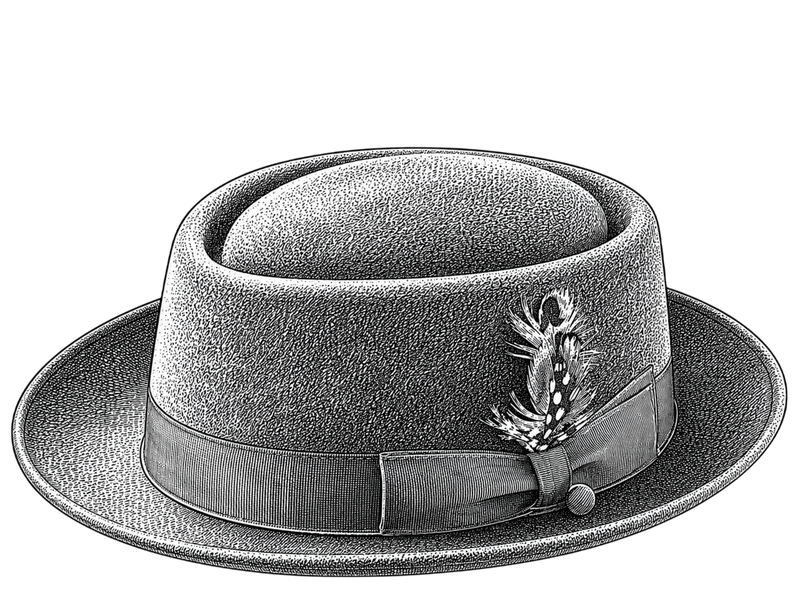
- A quality felt fedora, flat cap in fine material, or homburg in appropriate colour complements a suit or morning dress
- The hat is removed upon entering the ceremony venue -- this is a fundamental hat etiquette rule in religious and formal ceremony contexts that supersedes any fashion consideration
- The hat is not worn at the dinner table -- it comes off for seated dining
- A top hat is appropriate specifically with morning dress (tailcoat, grey waistcoat, grey striped trousers) for the most formal weddings
Religious Ceremony Headwear Requirements
Religious ceremonies may require specific headwear or prohibit it, overriding general fashion convention:
- Jewish ceremonies: men are typically required to cover their heads. Kippot (yarmulkes) are usually provided for non-Jewish male guests. Women may wear hats or other head coverings.
- Christian ceremonies (most denominations): no specific requirement; hat removal for prayer is the general conventional expectation for men.
- Sikh ceremonies (Gurdwara): all attendees are required to cover their heads. Head coverings are provided at the entrance if not brought.
- Muslim ceremonies (mosque): women are expected to cover their hair; men may be required to cover their heads in some traditions.
- Hindu ceremonies: vary significantly by regional and caste tradition; check with the hosts.
When attending a religious ceremony of a tradition you are unfamiliar with, asking the hosts in advance what headwear is expected or required is always appropriate and appreciated.
Hat Removal Conventions
Specific moments at weddings where hats are conventionally removed:
- When entering the ceremony space (men -- this applies to hats more than to women's ceremonial headwear, which is typically worn throughout the ceremony)
- During the national anthem (in Commonwealth contexts where this applies)
- During prayers
- When the couple's rings are being exchanged (men who are seated in the ceremony)
- During the seated dinner reception
Browse formal and smart-casual wedding hats at Hatloom.

Frequently Asked Questions
Can a female wedding guest wear a hat larger than the bride's?
This is a matter of social consideration rather than a formal rule, but the conventional guidance is that guests' hats should not overshadow the bridal party's headwear in scale or elaborateness. A guest hat that is clearly more spectacular than the bride's headpiece creates a visual competition that most social conventions would consider inappropriate. In practice, this is rarely an issue unless a guest specifically chooses an exceptionally large or theatrical hat for an event where the bridal party's headwear is understated.
Is it appropriate to wear a hat to a casual or outdoor wedding?
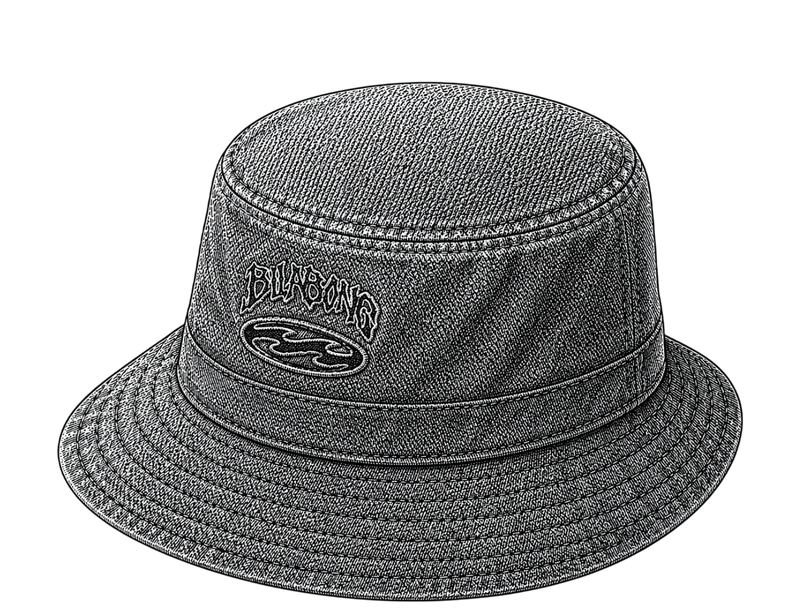
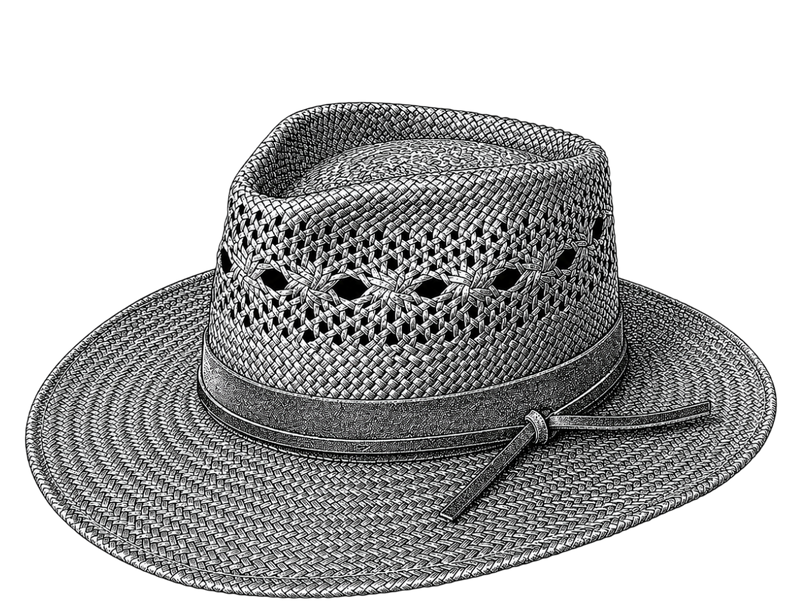
Yes, and at outdoor weddings a hat has the additional practical function of sun protection. A casual outdoor wedding is the most relaxed context for hat wearing -- a quality straw hat, a relaxed fedora, or a bucket hat can be entirely appropriate at a beach or garden wedding with a smart-casual dress code. The hat should still coordinate with the outfit and be in a condition appropriate for a celebration (clean, well-shaped, not weathered or obviously casual beyond the context).
At what point in the wedding day can women remove their hats?
British convention holds that hats are worn for the ceremony and the daytime reception, and may be removed for the evening reception (which is typically a separate, later event in the day). At a wedding that runs continuously from ceremony to reception without a separate evening event, the hat can reasonably be removed once seated for dinner. For comfort at outdoor summer events, removing the hat once the formal ceremony is complete and guests have moved to the reception area is generally acceptable.
What colour hat is safest for a wedding guest?
Avoiding pure white, ivory, and cream is the primary colour rule. Beyond that: a hat in a colour that coordinates with the outfit is always safer than a hat that creates a new colour statement independent of the rest of what you are wearing. Pastels (blush, pale blue, pale lilac, champagne) are conventionally appropriate for British spring and summer weddings. Deeper tones (navy, burgundy, forest green) are appropriate for autumn and winter weddings. A classic neutral (black, tan, camel, grey) works year-round and does not require coordination with seasonal colour conventions.