Most hat damage is cumulative and invisible until it is permanent. A sweatband deteriorating over six months. Straw fibers drying out through a winter in a dry closet. Felt slowly attracting dust and losing its nap without a single cleaning. The care that prevents these outcomes is not demanding — but it requires regularity and timing.
This is a practical calendar structure for maintaining quality hats across the year.
After Every Wear
Air before storing. A hat worn for several hours accumulates moisture from sweat and ambient humidity. Storing it immediately in a closed box or wardrobe traps that moisture, which accelerates sweatband deterioration and can cause felt to soften and distort. Allow 30–60 minutes on a hat stand or open surface before storing.
Wipe the sweatband. A quick wipe with a barely-damp cloth removes the surface salt from sweat before it sets into the band material. Thirty seconds of effort prevents staining and odor that require significant cleaning to address later.
Light brush for felt hats. A quick pass with a soft hat brush after each wear prevents dust from embedding in the nap. Following the nap direction — smoothing rather than roughening — keeps the surface texture consistent.
Monthly Maintenance
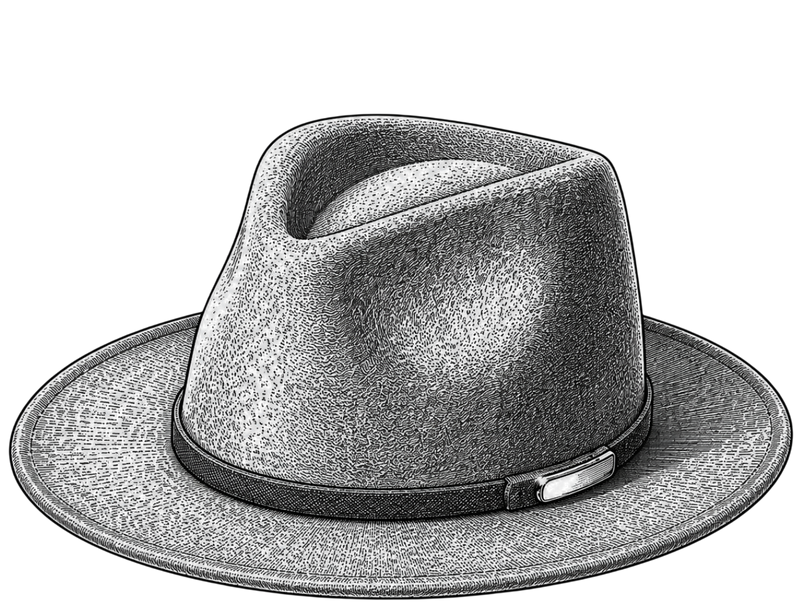
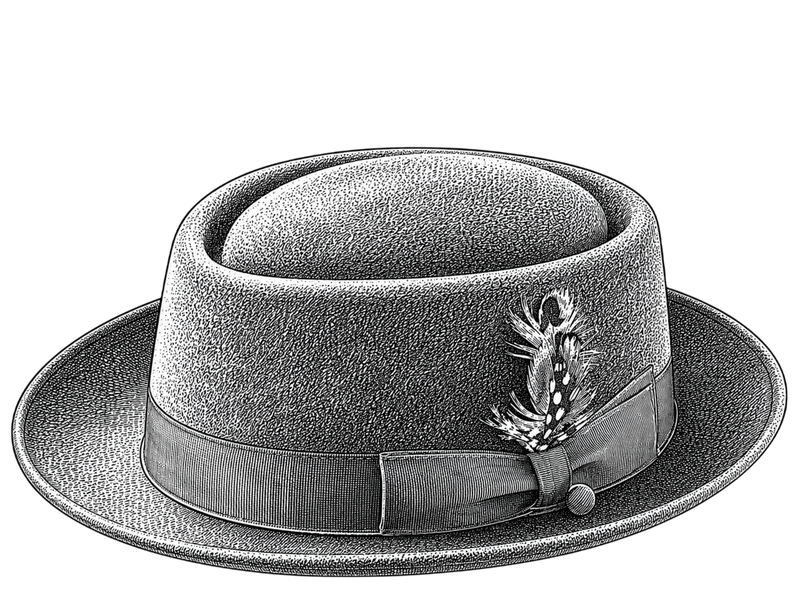
Felt Hats
- Thorough brushing: A more deliberate brush session — working through any areas that have accumulated lint, dust, or surface debris. Check the crown crease areas where dust tends to accumulate in the fold.
- Sweatband inspection: Check for early staining, odor, or cracking in leather bands. Early-stage staining responds to a vinegar-water wipe; advanced staining may require deeper cleaning or band replacement.
- Shape inspection: Check that the crown and brim have maintained their intended shape. Minor distortions caught early are easily corrected with light steam; distortions left over months set progressively harder.
Straw Hats
- Wipe with a barely-damp cloth: Remove dust and surface soiling from the straw surface. Allow to dry completely at room temperature before storing.
- Check brim edge: Straw brim edges are the most vulnerable structural area. Early-stage cracking or fraying at the edge can be stabilized; advanced cracking propagates. Monthly checks allow early intervention.
- Water repellency test: Flick a few drops of water on the hat surface. If they bead, the treatment is active. If they absorb within seconds, reapplication is needed before next use in uncertain weather.
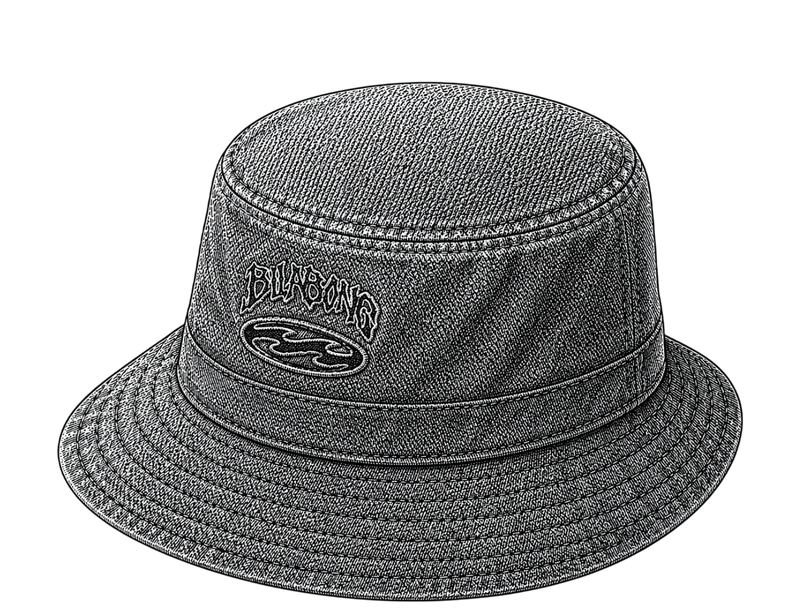
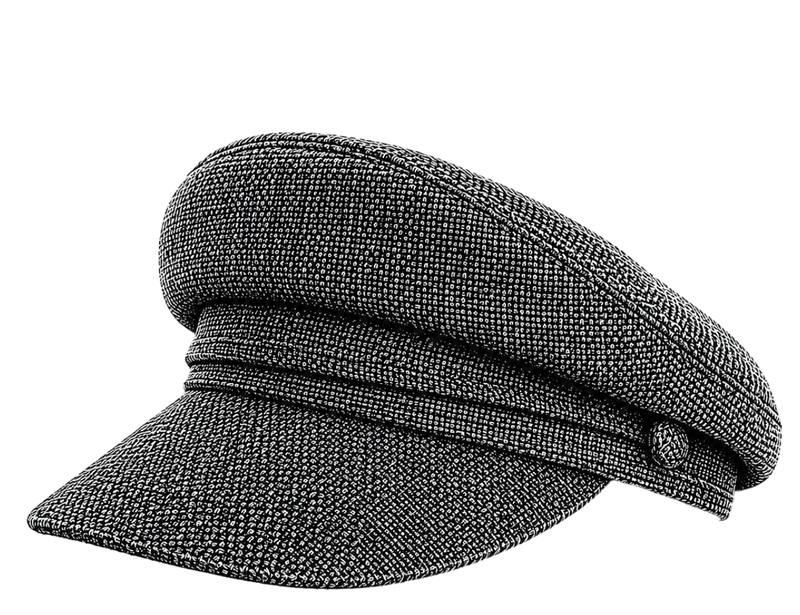
Flat Caps and Casual Hats
- Spot check for sweat accumulation on the inner band: The bands of flat caps accumulate the same sweat salts as fedora sweatbands. Wipe with a damp cloth.
- Brush or shake out surface debris.
Seasonal Transitions
Transitioning FROM Summer (Late August to September)
Straw hats going into storage:
- Clean the exterior with a barely-damp cloth. Allow to dry completely — at least 24 hours at room temperature.
- Brush out any dust from the interior crown.
- Clean the sweatband thoroughly — salt buildup over a summer season should be removed before storage.
- Stuff the crown lightly with acid-free tissue paper to support the shape from the inside.
- Place in a round hat box. Add a cedar block or lavender sachet near (not touching) the hat for fragrance and pest deterrence.
- Store in a climate-controlled space — room temperature, moderate humidity. Avoid attic (heat extremes) and basement (excess moisture).
Wool and felt hats coming OUT of storage:
- Remove from storage and allow to air at room temperature for several hours.
- Brush thoroughly to remove any dust accumulated during storage.
- Apply or reapply water-repellent spray — the treatment applied before last-season storage has likely degraded.
- Inspect for any storage distortion and reshape if necessary with light steam.
Transitioning FROM Winter (March to April)
Wool felt and winter hats going into storage:
- Clean thoroughly — brush the exterior, clean the sweatband, address any stains before storing.
- Check for any moth damage that may have occurred during winter storage with wool items. Early detection prevents propagation.
- Store with moth protection — cedar blocks, lavender sachets, or cedar-lined storage. Do not use mothballs directly in contact with hats — the odor transfers to the felt.
- Hat box with tissue-paper stuffing and light ventilation (a hat box should not be sealed airtight).
Straw and summer hats coming OUT of storage:
- Remove from storage and inspect — check brim edges for any cracking that developed from dryness during winter storage.
- If the straw feels dry or brittle: a very light mist of clean water on the interior can rehydrate the fibers. Allow to normalize at room temperature for several hours before handling.
- Apply water-repellent spray at least 48 hours before first outdoor use of the season.
- Check the sweatband — leather bands may have dried during winter storage and benefit from a small amount of leather conditioner.
Annual Deep Clean
Once per year — or at the beginning of each season for heavily worn hats — a deeper cleaning investment:
Felt Hats
- Professional cleaning or thorough home cleaning of the sweatband
- Full surface assessment and treatment of any developing stains
- Re-nap the felt surface with a clean soft brush if the nap has become matted or disturbed
- Light steam and reshaping to restore any gradual crown distortion
- Water-repellent spray reapplication
Straw Hats
- Complete surface wipe-down with a clean barely-damp cloth
- Sweatband deep clean or replacement if significantly deteriorated
- Brim edge inspection and stabilization of any early-stage cracking
- Water-repellent spray reapplication
Baseball Caps and Casual Hats
- Hand wash in cool water with gentle detergent — most cotton and synthetic casual hats handle this well
- Reshape while damp and allow to dry on a round form (a small bowl, a rolled towel) to maintain the crown shape
- Do not machine dry — heat shrinks cotton and can distort the structured front panel
The Moth Risk: Wool Felt Specifically
Wool felt is susceptible to moth larvae. The risk is highest during the storage period when the hat is undisturbed and the temperature is moderate (larvae are most active at 15–25°C). Prevention:
- Cedar blocks or cedar-lined hat boxes near (but not touching) the felt — cedar volatile compounds deter adult moths from laying eggs
- Periodic airing of stored wool hats in outdoor air — larvae do not survive wind and light exposure
- Regular inspection — check stored wool hats every 2–3 months for any small irregular holes or thinning in the felt
- Lavender sachets as an alternative deterrent with a more pleasant ambient effect
If moth damage is detected: freeze the hat for 72 hours in a sealed bag (killing larvae without water damage) then clean and treat the affected area. Consult a milliner for structural damage assessment.
A Practical Summary
Daily: Air after wear. Wipe sweatband. Brief brush on felt.
Monthly: Thorough brush, sweatband check, shape inspection, water repellency test on straw.
Seasonal: Deep clean before storage, water-repellent treatment when coming out of storage, moth check on wool.
Annual: Full professional or home deep clean, reshape, reapply protective treatments.
A hat maintained on this schedule will wear better, last longer, and require fewer significant interventions than one cared for only when a problem is already visible.
Find quality hats worth caring for in the Hatloom collection.
Frequently Asked Questions
How often should I clean a felt hat?
A light brush after each wear and a thorough brush monthly is sufficient for a regularly worn felt hat in normal conditions. Deep cleaning of stains and the sweatband should be done when needed — which for a daily-wear hat may be every 1–2 months. Annual professional or home deep clean at seasonal transition is the most effective maintenance rhythm.
How do I store a straw hat over winter?
Clean and dry completely. Stuff the crown with acid-free tissue paper. Store in a round hat box in a climate-controlled space at moderate humidity — not an attic or basement. Add a cedar block or lavender sachet for fragrance and pest deterrence. Check once or twice during winter to ensure no moisture issues have developed.
Do felt hats get moth damage?
Yes — natural wool felt is susceptible to moth larvae, which eat natural protein fibers including wool, cashmere, and mohair. The risk is greatest during storage at moderate temperatures. Cedar blocks, lavender sachets, and regular airing of stored wool hats deter moth activity. Inspect stored felt hats every 2–3 months during long storage periods.
When should I reapply waterproofing to a straw hat?
At the start of each outdoor season before first use, and after the hat has been saturated once — water exposure degrades the hydrophobic coating. Test by flicking a few water drops on the surface: if they bead, the treatment is active; if they absorb within seconds, reapply. Allow 24 hours for full cure after application before outdoor use.
How do I remove the smell from a hat that has been in storage?
Sprinkle baking soda inside the crown and allow to sit for several hours or overnight. Tap or brush out thoroughly. For felt hats, air in a well-ventilated area (indirect outdoor light is effective — avoid direct sun which can fade felt). For persistent odors in the sweatband specifically, a light application of diluted white vinegar on a cloth neutralizes odor-causing bacteria without damaging most sweatband materials.