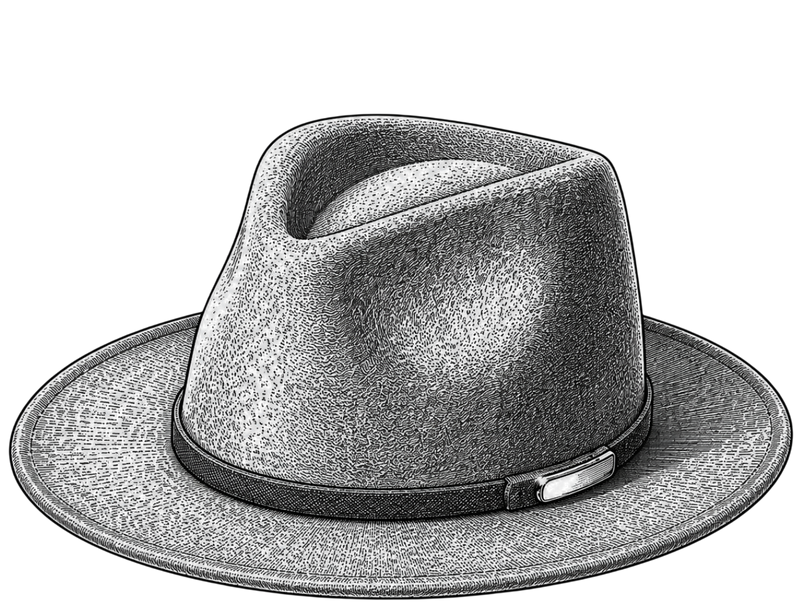
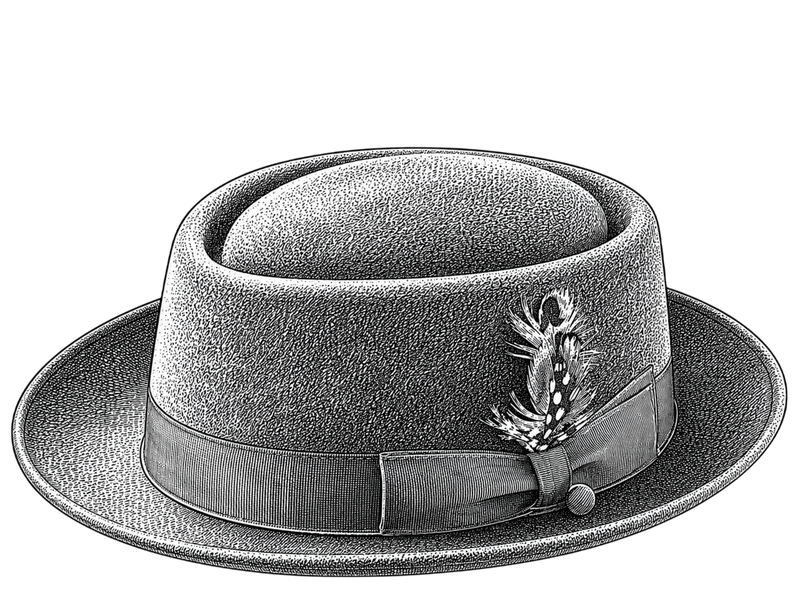
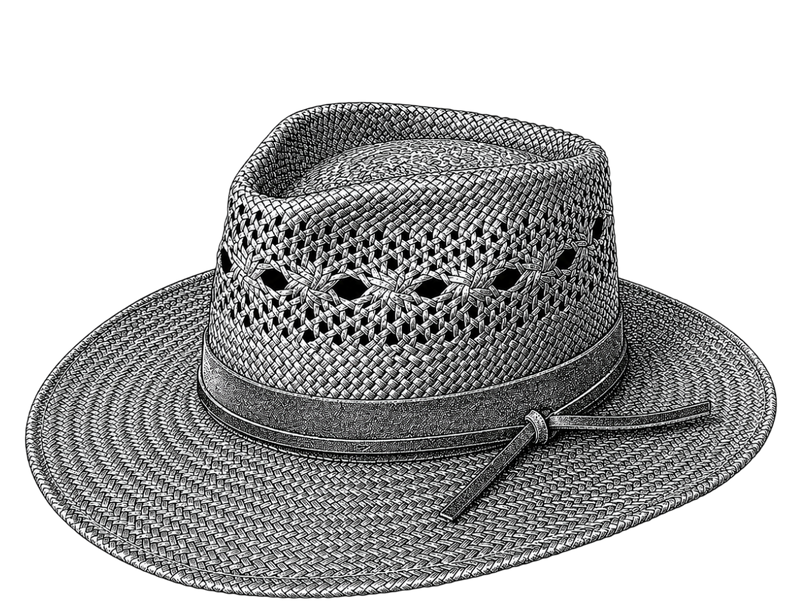
Cowboy hat etiquette is one of the more complex hat etiquette systems still actively practiced in Western countries, and one of the least understood by people outside the cultures where it is observed. In certain communities in the American South and West, the Canadian prairies, and in Australian outback and rodeo culture, the conventions around when a cowboy hat is worn and when it is removed carry real social weight -- getting them wrong marks you as an outsider; getting them right is a sign of cultural literacy and respect. This is different from most contemporary hat etiquette, where conventions are so rarely observed that violating them carries no social consequence.
When to Remove a Cowboy Hat
The occasions for removing a cowboy hat in traditional Western culture are specific and carry clear conventional weight:
- The national anthem: the cowboy hat is removed and held at the chest for the duration of the national anthem. This is widely observed at rodeos, sporting events, and outdoor ceremonies. The hand-over-heart gesture with the hat held against it is the standard position
- Prayer: in many Western communities, prayer -- whether at a rodeo blessing, a community gathering, or a grace before meals -- is accompanied by hat removal as a mark of respect
- At the dining table: in traditional Western table etiquette, the hat is removed when sitting down to eat, unless dining in an informal outdoor setting where the hat serves a functional purpose
- The Pledge of Allegiance: the same convention as the national anthem -- hat removed and held at the chest
- Entering a church or place of worship: hats of all kinds are traditionally removed when entering a religious building in Western European and American Christian convention; this applies to cowboy hats in Western culture as it does to any hat
- When speaking to a woman: in traditional (and now largely historical) Western courtesy convention, a man would tip or remove his hat when greeting a woman. This convention has largely disappeared outside very traditional contexts but persists in certain older communities

When to Leave It On
The cowboy hat can remain on:
- Outdoors in all conditions -- this is the hat's natural habitat
- At indoor casual gatherings where removing the hat would be unnecessary formality
- At rodeos and country events during non-ceremonial moments
- In restaurants and cafes -- though traditional indoor convention would suggest removing it, this is less consistently observed and less socially significant than the above occasions
How to Tip a Cowboy Hat
Tipping the hat (a slight upward tilt of the brim at the front, sometimes combined with a slight nod) is a gesture of acknowledgement or greeting that substitutes for more elaborate hat removal in passing encounters. The gesture is performed by gripping the brim at the front and tilting the hat slightly upward without removing it from the head. It is appropriate in outdoor passing encounters, as an acknowledgement of thanks, and as a general greeting in contexts where full removal would be disproportionate.
The Hat's Placement Conventions
Where you put a cowboy hat when you are not wearing it also has conventions in traditional Western culture:
- A cowboy hat is traditionally stored upside-down (crown-down, brim up) when set aside. This prevents the brim from deforming and allows the hat to maintain its shape
- The hat is not placed on a bed in some Western superstitions -- this is considered bad luck in certain communities and is a convention widely enough known to be observed even by people who do not believe the superstition
- Hanging the hat by its brim on a hook is acceptable; hanging it crown-down on a too-small hook deforms the crown over time

Gifting and Handling Others' Hats
The cowboy hat as a personal object carries particular significance in Western culture -- it is not merely clothing but an extension of personal identity. Convention holds:
- Do not try on another person's cowboy hat without invitation -- it is a closer liberty than most clothing items would permit
- If you need to move someone's hat, do so by the crown or the brim, not by pinching the top of the crown (which deforms it)
- The hat as a gift carries significant symbolic weight in Western culture -- giving someone a quality cowboy hat is a statement about the relationship
Browse cowboy hats, Western-influenced hat styles, and classic wide-brim felt hats at Hatloom.
Frequently Asked Questions
Do you have to remove a cowboy hat at the dinner table?
In traditional Western table etiquette, yes -- the hat is removed when sitting down to eat indoors. This is the same convention that applied to all men's hats in formal settings through most of the 20th century. In practice, this convention is observed inconsistently in contemporary casual dining contexts but more consistently observed in traditional Western communities, particularly at formal or family meals. At outdoor barbecues, rodeo concessions, and other informal outdoor dining, the hat is less likely to need removal. The convention tracks the formality of the setting more than any absolute rule.
Is it disrespectful to wear a cowboy hat if you are not from Western or country culture?
This depends on the specific context and intent. A cowboy hat worn at a country music concert, a rodeo, or a Western-themed occasion by someone who enjoys and respects the associated culture is generally not considered disrespectful -- it is participation. A cowboy hat worn as a Halloween costume or in a clearly mocking or caricature context is different. In Western communities that maintain active cowboy culture, an outsider wearing a cowboy hat without any knowledge of the associated etiquette or culture can read as superficial imitation; in most other contexts, the hat is simply a hat. The most contentious version of this question involves ceremonial elements -- in indigenous American communities where specific feather or beaded hat elements carry sacred significance, wearing those elements without cultural membership is a different and more serious issue than wearing a functional cowboy hat.
Why is putting a hat on a bed considered bad luck?
The origin of this superstition is debated. One explanation connects it to historical Western undertaking practices -- the hats of the deceased were sometimes placed on beds -- giving the hat-on-bed image a death association. Another explanation suggests it derives from the practical concern that a hat left on a bed would be sat on and damaged. A third account connects it to lice transmission in an era when head lice were more prevalent. None of these explanations is definitively established, but the convention is widely known enough in Western American and Southern culture that many people observe it regardless of whether they believe in the superstition it references.