Children's hat buying is unusual because the primary users (children) are often the least motivated participants in the process. The hat is bought for function -- sun protection, warmth, rain protection -- but the child's willingness to keep it on is itself a design and selection variable that parents learn to consider only after several failed hat purchases. This guide addresses both the functional selection and the wearing compliance problem.
The Core Problem: Getting Children to Wear Hats
Children resist hats for several documented reasons:
- Sensory sensitivity: hat materials against the hairline and ears are a common sensory complaint, particularly for children with sensory processing sensitivities. Wool and synthetic fibres are more likely to trigger sensory discomfort than smooth cotton or fine jersey.
- Restriction of vision and hearing: hats with wide brims restrict peripheral vision; hats with earflaps muffle sound. Both register as uncomfortable limitations to children who are highly aware of their sensory environment.
- Temperature discomfort: a child who is already warm will remove a hat. Hats increase perceived warmth; a child who feels overheated will remove the hat regardless of external temperature justification.
- Choice and agency: children are more likely to wear hats they chose themselves, in colours and styles they found appealing, than hats chosen entirely by adults.

Infant Hats (0-12 Months)
Infants require hat wearing for warmth regulation -- newborns and young infants lose significant heat through the head because the skull fontanelles have not closed and hair coverage is minimal. For the first weeks, a soft, close-fitting cotton or jersey hat is essential in any non-warm environment.
Material requirements: 100% organic cotton or bamboo jersey is the most skin-compatible material for infant hats. Wool against infant skin requires extra-fine merino to avoid irritation. Synthetics should be avoided where possible for skin contact on infants under 3 months.
Sun protection hats for infants: from 0-6 months, infants should not be in direct sun, making sun hat design secondary to shade management. For 6-12 months, a wide-brim hat in a UPF-rated fabric (UPF 30+) with a chin strap (essential -- infants will remove hats without resistance if unconstrained) is the appropriate sun protection solution.
Toddler Hats (1-3 Years)
Toddler hat wearing compliance is typically the most challenging age for parents. The toddler autonomy phase produces hat resistance as part of general resistance to adult-imposed constraints. Compliance strategies that work:
- Let the toddler choose between two hats you have already approved -- the choice gives agency without ceding control over sun protection or warmth requirements
- Link hat wearing to an activity the child enjoys (beach hat = beach; park hat = park) so the hat has positive association
- Normalise through peer and caregiver modelling -- children who see consistent hat wearing among adults and peers in their environment have higher compliance rates
Fit for toddlers: elastic in the hat interior is more comfortable and more secure than a chin strap for mobile toddlers who are frequently bending and moving. Bucket hat styles with slightly elasticised brims stay on better than structured hats in active toddler use.
School-Age Children (4-12 Years)
School-age children can participate meaningfully in hat selection. Involving children in choosing their own hats (within parameters you set for required function) substantially increases wearing compliance. Children of this age also respond to explanation -- understanding why sun protection matters, particularly if they have experienced sunburn, creates internal motivation for wearing sun hats.
School dress codes increasingly include sun safety hat requirements in Australian, New Zealand, and other high-UV contexts. Hats specified by school dress codes remove the wearing argument at school -- the external authority of a school rule is often more compelling to a child than parental instruction.
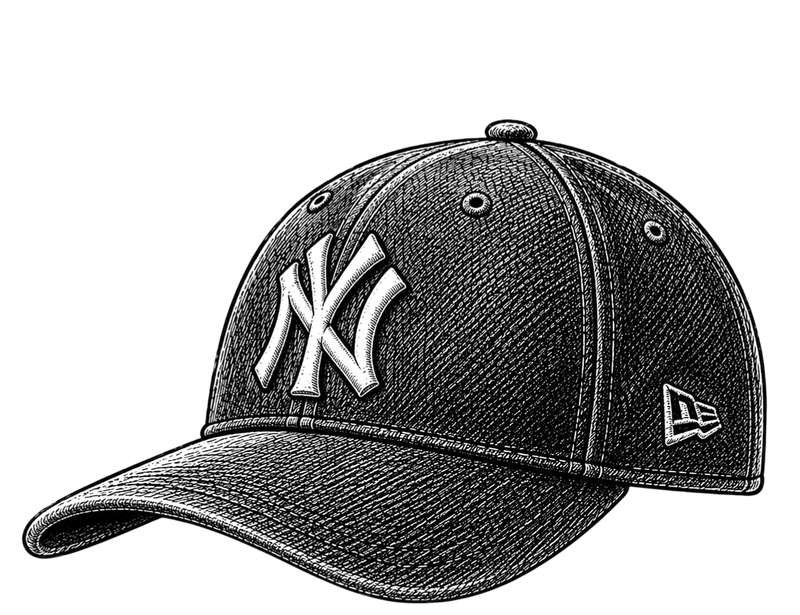
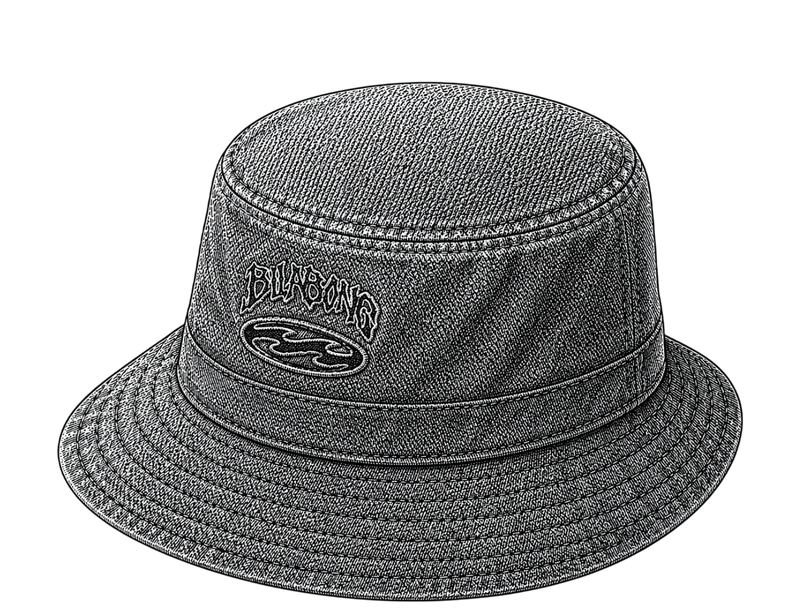
Styles that children this age typically accept: structured baseball caps in school or team colours (association with something they care about); bucket hats in preferred patterns or colours; winter beanies in favourite colours or with character elements.
Function Guide by Season
Summer Sun Hats
UPF-rated fabric (UPF 30+ minimum, 50+ preferred), wide brim for face and neck coverage, chin strap or secure fit for active wear, breathable material (cotton, quick-dry synthetic). A wide-brim sun hat in summer reduces UV exposure to the face and neck by approximately 70% compared to no hat.
Winter Warmth Hats
For standard winter cold: a fine merino wool or wool-blend beanie or knit hat that covers the ears is the most effective warmth solution. For very cold conditions (below -10°C), an earflap hat that covers the ears and neck is significantly warmer than a standard beanie.
Rain Hats
Waterproof or water-resistant material; structured brim to channel water forward. A bucket hat in coated nylon provides rain protection without the restriction of a hood (which reduces peripheral vision more than a brimmed hat). For very young children, a hat that clips to a coat collar prevents it being removed in the rain.
Browse children's wide-brim sun hats and sun protection hats at Hatloom.

Frequently Asked Questions
At what age should children start wearing sun hats?
Sun protection should begin as soon as infants are in direct or ambient UV exposure conditions -- typically from 3-6 months, when outdoor activity increases beyond immediate shelter. Before 6 months, medical guidance in high-UV regions (Australia, southern Europe, tropical climates) recommends that infants not be in direct sunlight, making shade management the primary tool. From 6 months, a UPF-rated hat with appropriate brim width is the standard recommendation for outdoor time in sun.
How should I measure a child's head for a hat?
The same way as for adults: measure the circumference of the head approximately 2.5 cm above the ears and across the widest part of the forehead with a soft tape measure. Children's head circumference grows rapidly in the first three years and more slowly after that. A hat bought to fit a 2-year-old will typically not fit a 4-year-old; a hat bought to fit a 7-year-old may still fit a 10-year-old. For this reason, many children's hats are sized by age (which correlates with average head circumference) while also providing the circumference measurement for parents who have measured their specific child.
What is the best children's hat material for sensitive skin?
Organic cotton (jersey or fine woven) is the most widely appropriate material for children with skin sensitivity -- it is soft, breathable, and unlikely to cause contact irritation. For warmth, extra-fine merino wool (described as superfine or baby merino, with micron counts under 18.5 microns) is soft enough for sensitive skin without the scratch of coarser wool grades. Bamboo jersey is another skin-compatible option with natural antimicrobial properties. Avoid hats with internal labels that contact the skin directly, seams across the forehead interior, or synthetic materials without a cotton-facing layer against the skin.
How do I get my toddler to keep their hat on?
Consistent, calm reapplication without making it a conflict is the standard behavioural approach. Hats that have chin straps or secure fits reduce the ease of removal -- a hat that requires two hands to pull off is harder to remove in passing than one that comes off with a single pull. Distraction during the initial hat placement moment helps with very young toddlers. Over time, hat wearing becomes normalised as part of outdoor routine rather than a daily negotiation. Children who see hat wearing as a consistent family norm from early in life are significantly more compliant than those for whom hat wearing is introduced later as a new requirement.