Winter hat advice splits into two unhelpful camps: functional guides that treat the hat as purely protective equipment, and style guides that treat warmth as secondary to aesthetics. In practice, the best winter hat is one that genuinely keeps you warm and looks correct with the rest of your cold-weather outfit. These requirements are not in conflict — several hat styles satisfy both simultaneously.
What Winter Hat Wearing Actually Demands
Before choosing a hat, the practical requirements of winter wear:
- Heat retention: The head accounts for a significant portion of total body heat loss in cold conditions. A hat that does not retain heat is not serving its primary function. Material density matters more than material type — a thick acrylic beanie retains more heat than a thin wool one, though the reverse is usually true at equivalent thickness.
- Wind resistance: A knitted hat with open structure loses heat rapidly in wind. A dense-weave or solid-material hat (felt, waxed cotton, tight-knit wool) retains warmth in wind far better than an open-knit beanie.
- Moisture management: Winter involves rain, snow, and sweat from physical activity. A hat that absorbs moisture and holds it (cotton, low-quality acrylic) becomes cold and uncomfortable quickly. Wool naturally wicks and breathes even when damp.
- Outfit compatibility: A winter hat is worn with coats, scarves, and layered outfits. The hat must coexist with these elements without creating visual conflict. A hat that works in isolation but destroys an outfit's proportion is not a good winter hat for that person.
The Materials That Earn Their Place
Merino Wool
The benchmark material for quality winter knitwear. Merino fiber is finer than standard wool, making it softer against skin and less likely to cause itching at ear and forehead contact. It wicks moisture naturally, retains warmth when damp, and breathes more effectively than acrylic. A merino wool beanie or flat cap costs more than its acrylic equivalent — the difference in wearing comfort is immediate and significant.
Cashmere
The premium tier of natural fiber knitwear. Cashmere is lighter and warmer than merino at equivalent thickness. A cashmere beanie is the most comfortable and flattering knit hat available — the fine fiber drapes rather than sitting stiffly. At $60–$150+, it is an investment piece rather than a functional purchase, but the wearing experience justifies the price for daily-wear hats.
Wool Felt
Dense wool felt has exceptional wind resistance — the compressed fiber structure blocks wind in a way that any knitted material cannot. A felt hat in winter retains warmth better in wind than a heavier-weight knit. The limitation is moisture: quality felt is water-resistant to light rain, but saturated felt loses some insulating value. A water-repellent spray treatment addresses this for all but the heaviest precipitation.
Harris Tweed and Woven Wool
Woven wool flat caps and newsboy caps in Harris Tweed or equivalent dense-weave wool provide good warmth and excellent wind resistance in cold conditions. The tight weave acts as a windbreak that knitted hats cannot match. A Harris Tweed flat cap worn with a wool coat provides ear coverage through the side panels and reasonable warmth in cold-but-not-extreme winter conditions.
Best Winter Hat Styles for Men
1. Wool or Cashmere Beanie
The most warmth-efficient hat per unit of material. The beanie covers ears fully — the primary heat loss point from hat wearing — and sits close to the head in a way that retains warmth even in wind. In quality merino or cashmere, it is also the most comfortable extended-wear winter hat.
Style guidance: A beanie worn with intention looks better than one worn as an afterthought. Rolled-cuff beanies in neutral tones (dark grey, navy, forest green, charcoal) work across the widest range of winter outfits. Long, slouchy beanies read as more casual and youth-coded; shorter, fitted beanies read as more considered.
One wearing error to avoid: a beanie pulled all the way down over the ears to the eyebrows reads as hiding from the weather rather than dressing for it. Wear it covering the ears fully but sitting at a natural height — not so low that it reduces the visible forehead to nothing.
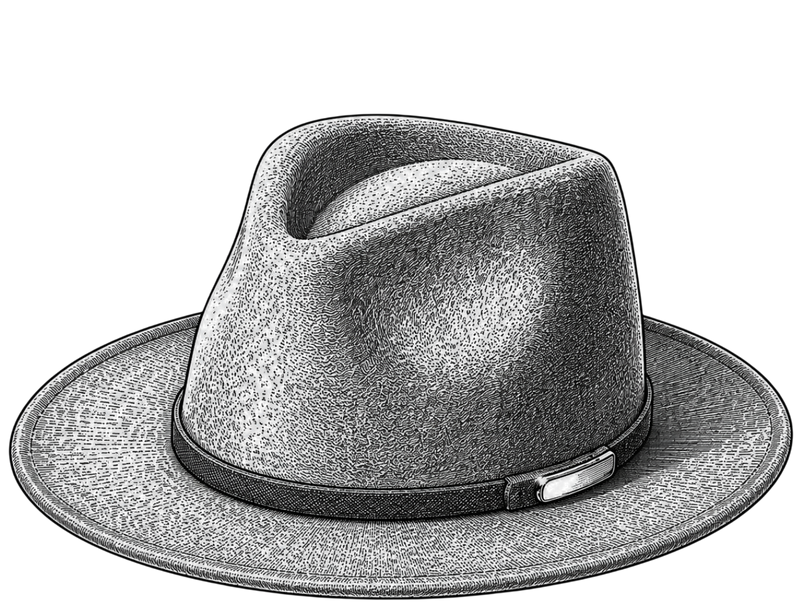
2. Wool Felt Fedora
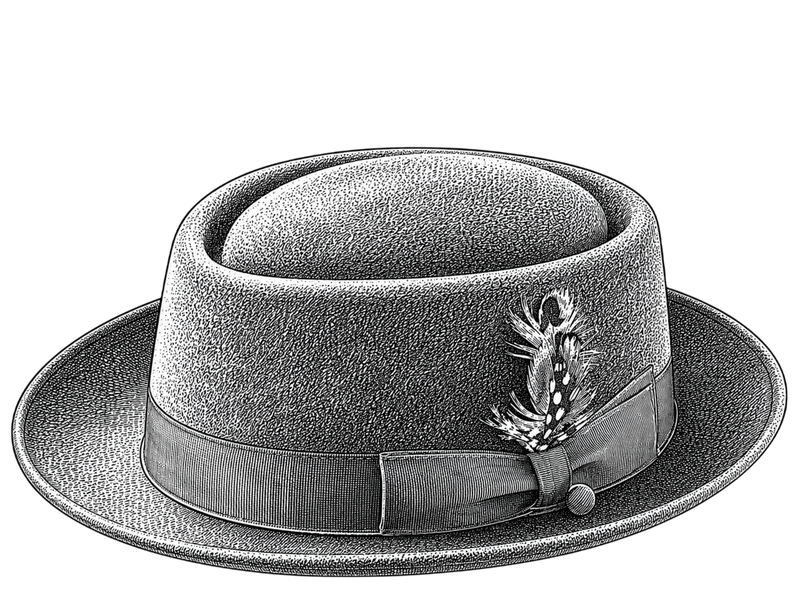
A wool felt fedora in winter is a different proposition from the same hat in autumn — in genuinely cold conditions, it provides less ear coverage than a beanie and should be paired with a scarf worn high enough to cover the ears. However, the felt density provides wind resistance that a beanie cannot, and the hat reads as the more considered, formally compatible option for any outfit that includes a structured overcoat.
A dark charcoal or dark brown felt fedora with a wool overcoat, scarf, and gloves is one of the cleaner winter outfit compositions available in men dressing.
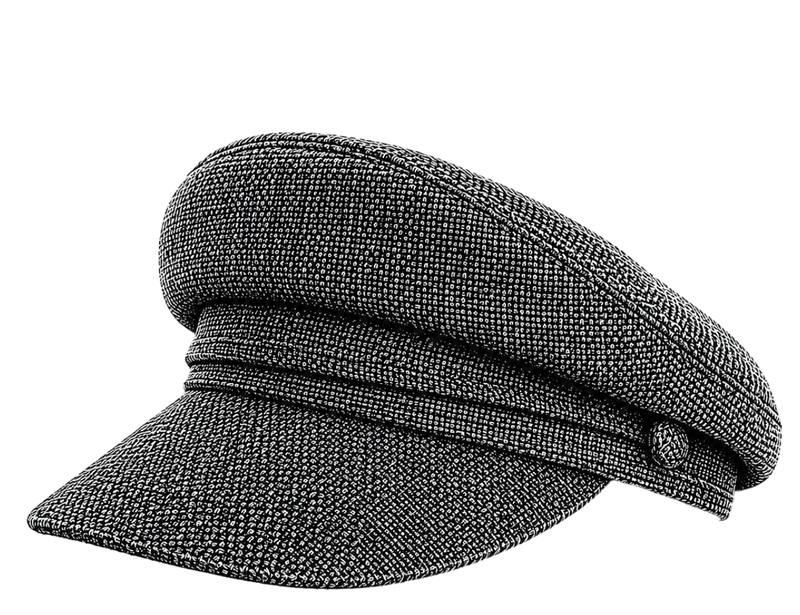
3. Flat Cap in Harris Tweed or Dense Wool
A winter-weight flat cap provides ear coverage through the side panels and forehead coverage through the brim. Not as warm as a beanie, but significantly more style-versatile. The correct choice when warmth is important but so is maintaining a smart-casual to smart outfit register.
4. Trapper Hat (Functional Choice)
For genuinely cold conditions — sustained temperatures below -10°C, wind, or extended outdoor exposure — a trapper hat with fold-down ear flaps is the most functional choice. Sheepskin or wool-lined trappers are warm to temperatures most other hat styles cannot address.
The style trade-off is real: a trapper hat does not work with most smart-casual outfits. It is the correct choice when functionality takes absolute priority — hiking, skiing, outdoor working — rather than a daily cold-weather hat in urban contexts.
5. Newsboy Cap in Autumn-Winter Weight
A fuller-crowned newsboy cap in heavy tweed, boiled wool, or waxed fabric provides a smart-casual winter option that sits between the flat cap and the beanie in warmth. The fuller crown traps more air than a flat cap. The longer brim deflects wind from the face. In the right fabric, a newsboy cap handles more cold than its appearance suggests.
Ear Coverage: The Practical Priority
The ears lose heat faster than almost any other exposed area in cold weather, and ear exposure is the most common source of discomfort in winter hat wearing. Any hat assessment for winter should include: does this cover the ears in the conditions I will wear it?
- Beanie: Full ear coverage
- Flat cap: Partial — side panels cover the upper ear, not the full ear
- Felt fedora: No ear coverage — requires scarf compensation
- Trapper with ear flaps down: Full ear and neck coverage
- Newsboy cap: Partial — similar to flat cap
In temperatures below -5°C, any hat that does not cover the ears needs supplementation with a scarf worn high or specific ear covering. This is not a style consideration — it is a comfort one.
Color and Outfit Coordination for Winter
Winter hat colors that work across the broadest range of outfits:
- Charcoal, mid-grey, dark grey: Works with navy, black, brown, camel, and all neutrals. The most versatile winter neutral.
- Navy: Works with grey, camel, and most earth tones. Less versatile than grey but cleaner with certain palettes.
- Forest or olive green: Underused but excellent with camel, tan, rust, and earth tones. A forest green beanie with a camel coat is a strong winter combination.
- Camel or tan: Works well with dark outfits (navy, charcoal) as a warm neutral contrast. Requires more intentional outfit building than darker hat tones.
- Burgundy or rust: Statement choices for winter. Strongest against neutral (black, grey, navy) outfits where the hat is intended to be the color element.
Find quality merino beanies, wool felt fedoras, and winter flat caps in the Hatloom collection.
Frequently Asked Questions
What is the warmest hat for winter?
A beanie in merino wool or cashmere with full ear coverage is the warmest style-compatible hat. A trapper hat with fold-down ear flaps is warmer in extreme cold but less versatile for everyday wear. The warmth comes from ear coverage and material density — not from hat height or visual bulk.
Are felt hats warm enough for winter?
Quality wool felt is good at wind resistance and provides moderate insulation. However, felt hats do not cover the ears, which significantly reduces their functional warmth compared to ear-covering alternatives in genuinely cold conditions. A felt hat in winter works well in mild cold (0°C to -5°C) when paired with a high scarf; in harsher conditions, a beanie or trapper provides better functional warmth.
What color beanie is most versatile?
Dark charcoal or mid-grey. It works with every winter neutral palette — black, navy, camel, brown, olive — without the formality constraint of black or the specificity of brighter colors. Navy is the second most versatile choice. Both are wardrobe-safe for daily winter wear.
Can I wear a beanie with a suit or smart coat?
A cashmere beanie in a dark tone can work with a smart overcoat in cold conditions — it reads as a quality accessory rather than casual sportswear. A chunky-knit or logo beanie does not work with smart outfits. The material quality of the beanie determines whether it crosses the smart-casual threshold.
How should I care for a wool winter hat?
Hand wash in cool water with a gentle wool detergent — machine washing shrinks and felts knitted wool hats. Press gently in a towel (do not wring) and dry flat. Reshape while damp if necessary. For felt hats: spot clean with cool water and mild soap; do not submerge. Store flat or on a stand — do not hang beanies from a hook as they stretch under their own weight over time.