Hat advice for women over 50 usually fails in the same direction: it is either condescendingly cautious (recommending only safe, small, unremarkable hats) or naively general (restating generic face shape rules without addressing the specific proportional and styling considerations that actually change with age). What changes with age is not what is permissible to wear — it is the context in which certain hat choices read as sophisticated versus affected, and the specific proportions that work with the way most women over 50 actually dress.
What Changes and What Does Not
The honest starting point: virtually all hat styles are appropriate for women over 50. The limitations are proportional and contextual, not categorical. The following actually changes:
- Hair texture and volume: Many women over 50 have finer hair, less overall volume, or shorter hair than in earlier decades. Hat choices that require a specific relationship with hair mass (certain cloche proportions, hats sized for thick hair) may need adjustment.
- Silhouette preferences: Most women over 50 have developed clearer personal style — they know what they wear and what suits them. Hat choices that align with an existing, evolved wardrobe are more likely to be worn consistently than hats chosen for trend or novelty.
- Event context: Women over 50 frequently wear hats to events where hats are expected — weddings, races, garden parties — and these contexts have more specific hat requirements than general daily wear advice addresses.
Best Hat Styles for Women Over 50
Wide-Brim Felt Hat
The wide-brim felt hat — worn by women throughout the 20th century and in continuous fashion relevance — is the strongest general-purpose hat for women over 50 with the appropriate clothing. A brim of 9–12 cm, a medium to tall crown, in a quality wool felt: this is a hat that reads as elegant and intentional across a very wide range of contexts.
Proportion considerations: women with shorter or finer hair benefit from a hat that provides visual mass at the crown rather than resting flat on the head. A crown height of 8–10 cm adds this mass; very low-profile hats can appear to diminish the face by reducing the visible vertical silhouette. Brim asymmetry (one side turned up) adds angular interest that works particularly well with fine features.
Classic Fedora
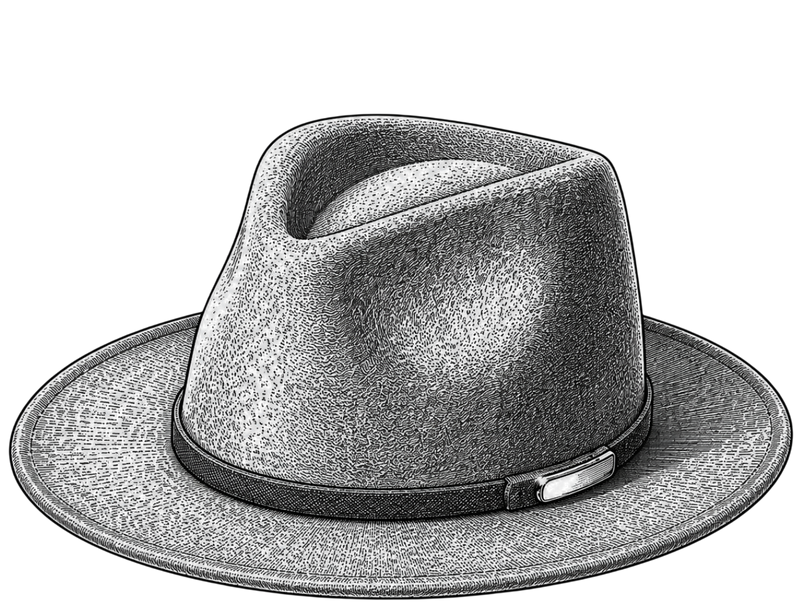
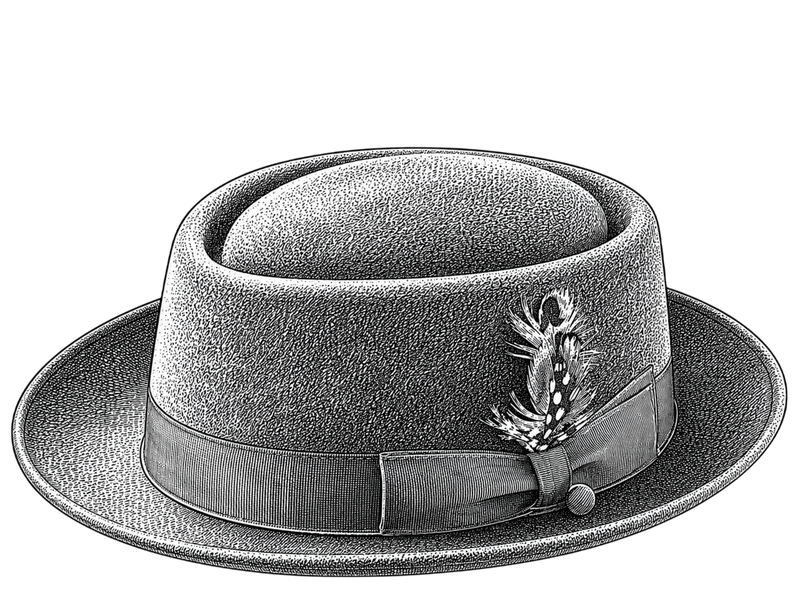
A quality felt fedora — in camel, charcoal, burgundy, or warm brown — is among the most wearable hat styles for women over 50 because it functions in multiple contexts without requiring contextual costume or special occasion. A medium-brim fedora (6–8 cm) worn with a cashmere coat, well-cut trousers, or a knit dress is the hat equivalent of a quality leather bag: it does not call attention to itself but significantly completes the overall impression.
The error most commonly made: choosing a fedora that is too trendy in proportion (very short brim, extremely wide brim, exaggerated crown) rather than a classic proportion that will remain coherent over multiple seasons and in varied contexts. The classic fedora is a hat that rewards quality of material rather than fashion-forward proportion.
Panama Hat
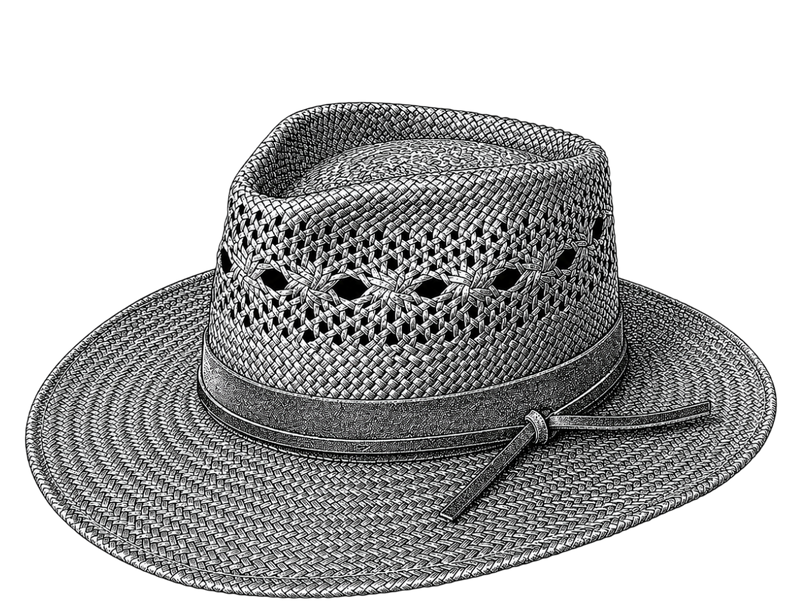
A quality Panama hat is the summer equivalent of the felt fedora: wearable across a wide range of contexts, sophisticated in quality materials, and not tied to a specific trend cycle. A fine toquilla Panama in a classic silhouette (center-creased crown, 7–9 cm brim) worn with linen, cotton, or lightweight tailoring is a warm-weather combination that reads as considered across age groups with particular strength.
For women with fine or thinner hair: the Panama worn with an upward-curved brim (rather than flat) creates a more open, face-forward silhouette that avoids the hiding effect a flat-brimmed hat can create with less hair mass behind it.
Structured Cloche (Modern Version)
The cloche — a close-fitting hat with a deep crown that covers the forehead — reads as very 1920s in its original form, which limits its contemporary wearability. The modern version, with a slightly higher crown and shorter depth of face coverage, is a more practical everyday hat for women with oval or longer face shapes. It provides warmth and coverage in cold weather, works well with shorter hair (the close fit is complementary rather than competitive with less hair volume), and carries a deliberate 1920s–1930s aesthetic reference that reads as sophisticated rather than costumed in the right styling context.
Event Hat: Occasion Fascinator vs. Structured Hat
For events where hats are expected (weddings, races, garden parties), women over 50 have a clear choice between two categories:
Structured hat (pillbox, wide-brim occasion hat, portrait hat): A definitive hat that provides full coverage and structure. Reads as traditional occasion headwear. At its best with tailored suits, structured dresses, and formal occasion wear. Appropriate for the most formal events — Royal Ascot, formal weddings, memorial services where dress codes specify hats.
Fascinator / cocktail hat: A smaller, face-adjacent hair accessory that provides the visual signal of occasion headwear without the structure of a full hat. More versatile with softer, less structured occasion dressing. More appropriate for less formal events — semi-formal weddings, daytime garden parties, outdoor celebrations.
The common mistake at events: choosing a fascinator that is too small to register as intentional occasion headwear, or a structured hat that is proportionally overwhelming relative to the outfit and occasion. Match the hat visual weight to the occasion formality and the outfit.
Colors That Work
Warm-toned women over 50 — camel, honey blonde, auburn, warm gray hair — are served best by camel, warm brown, warm burgundy, and natural straw hats. Cool-toned women — silver-white hair, cool skin undertones — work best with charcoal, navy, cool gray, and white/cream.
One consistent finding across hat styling: women over 50 with silver or white hair often find that lighter hat colors (cream, ivory, pale straw) blend with the hair and reduce contrast in a way that makes the hat read as part of the head rather than as an accessory. A medium or darker tone hat against silver hair creates the visual contrast that makes the hat register as a deliberate addition — which is the point.
What to Avoid
Novelty hats: Hats with excessive embellishment, cartoon references, or obvious trend-chasing read as age-inappropriate in the opposite direction from what the guidance on age usually suggests — they can appear to be compensating rather than expressing genuine personal style.
Hats that are too small: A hat that is too small reads as a hat being tried on, not worn. The hat must sit securely on the head with the correct fit — a too-small hat draws attention to the hat struggle rather than contributing to the overall impression.
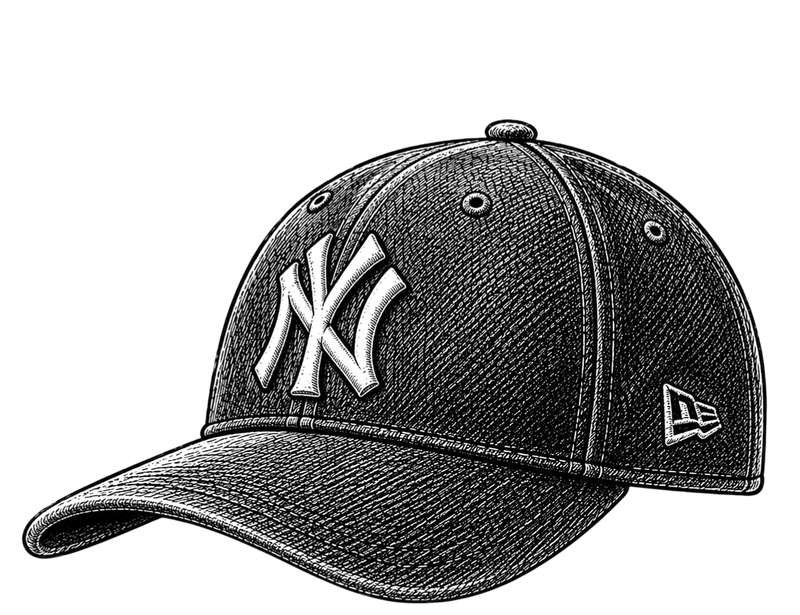
Baseball caps at formal occasions: The baseball cap has a genuine place in casual women's dressing over 50, but not at events or contexts where a more considered hat would be expected. Wear baseball caps in their appropriate context — outdoor casual — and choose a different hat style for events.
Find wide-brim felt hats, fedoras, and Panama hats in the Hatloom women hat collection.
Frequently Asked Questions
What hats make older women look younger?
This is the wrong question, but a useful one to reframe. Hats that appear to add vitality and confidence are not the same as hats that make someone appear younger — and the distinction matters. What adds apparent vitality: hats in the wearer most flattering colors (those that animate the complexion rather than muting it), hats that fit correctly, and hats worn with conviction. These factors work at any age. The goal is not to appear younger — it is to appear like the most confident, stylish version of yourself at your actual age.
Can women over 50 wear wide-brim hats?
Wide-brim hats work excellently for many women over 50 — the larger proportion is proportionally coherent with the mature, confident dressing that tends to characterize women in their 50s and beyond. The practical caveat: the brim creates strong shadow across the face, which at certain brim widths can make the face appear more shadowed and less clear. Tilting the brim slightly upward at the front mitigates this, and a lighter-colored hat reduces the shadow effect compared to dark felt.
What hat works for short hair over 50?
Short hair actually expands hat options rather than limiting them. Hats that require significant hair underneath for proportion — certain cloches, large floppy beach hats — may sit differently on shorter hair. Hats that work particularly well with short hair: the classic fedora (creates a clean, complete silhouette without requiring hair to extend below the hat), the cloche (designed to frame the face with minimal hair visible), and the flat cap (size to head measurement rather than to hair volume). The key is ensuring the hat fits to the head rather than to expected hair volume.
Are fascinators too young or too old for women over 50?
Fascinators are not age-specific — they are occasion-specific. At the correct occasion (semi-formal wedding, garden party, outdoor entertainment), a fascinator worn well is age-neutral. The perception of fascinators as too young or too small comes from poorly chosen ones — pieces that are too tiny to register as occasion headwear, or too fashion-forward to integrate with the overall outfit. A well-chosen fascinator in a classic style (feather, net, or fabric in a complementary color) at the correct occasion reads as correct rather than as young or old.
What hat should I wear to a summer wedding over 50?
For the most formal summer wedding: a structured occasion hat — wide-brim in a natural straw or pale felt, or a pillbox style for a more traditional look. For a semi-formal or outdoor wedding: a fine Panama hat in a classic silhouette or a quality wide-brim sun hat. The general guidance: the hat color should coordinate with the outfit, the hat formality should match the wedding formality, and the hat should be proportional to the overall outfit — not so large that it overwhelms or so small that it disappears. Avoid all-white hats at weddings; the convention remains that white is for the bride.