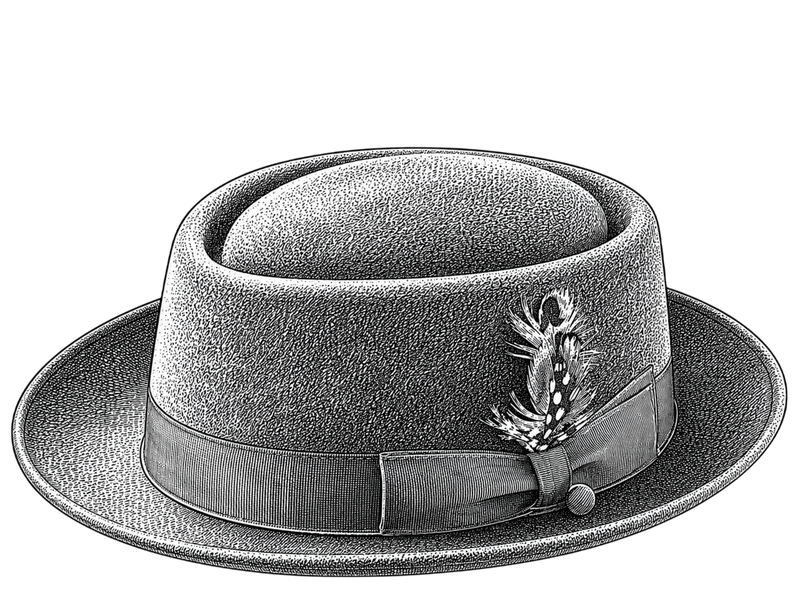
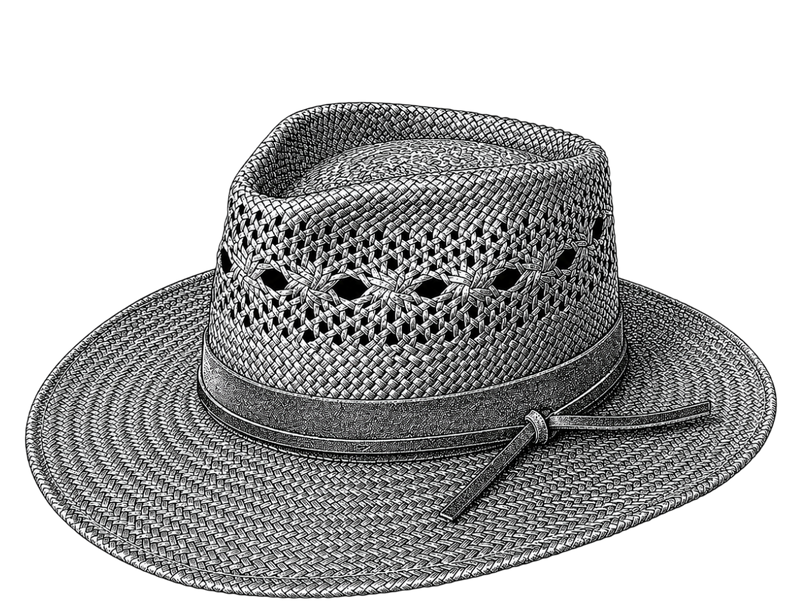
Hat-wearing at work is not a bold statement — it is an increasingly common one. The collapse of dress codes in most professional environments, combined with the revival of headwear as a style category rather than a necessity, has created a space where a hat worn to an office or workplace is interpreted as a grooming and style choice rather than an eccentricity. The question is no longer whether you can wear a hat to work. It is which hat, in which workplace, with what approach.
Reading Your Workplace Hat Context
The single variable that determines hat-wearing viability at work is the existing formality register of your workplace. This is not about written dress code — it is about the visual register of how people actually dress.
Three categories:
- Conservative professional environments (finance, law, certain government roles, traditional corporate): The existing dress code is formal — suits, formal business dress. In these environments, a hat worn indoors is unusual and will attract attention. The only hat that works here is a classic felt fedora worn as an exterior piece — removed when entering the building, in the same way a suit jacket is removed in casual environments. Wearing any hat at a desk in a conservative office is a social risk that requires confident style conviction to carry.
- Business casual environments (most modern offices, tech, marketing, media): The dress code is variable and personal. Hats are interpreted as personal style choices rather than rule violations. A well-chosen hat worn consistently — not occasionally as an affectation — becomes part of the wearer known presentation without requiring justification.
- Creative and casual environments (studios, creative agencies, startups, retail, hospitality): Hat-wearing is actively normal. A hat is a style choice with no workplace-specific friction. The only consideration is whether the hat suits the work context practically (e.g., a wide-brim hat may be impractical in a small studio workspace).
Best Hat Styles for Professional Contexts
Felt Fedora
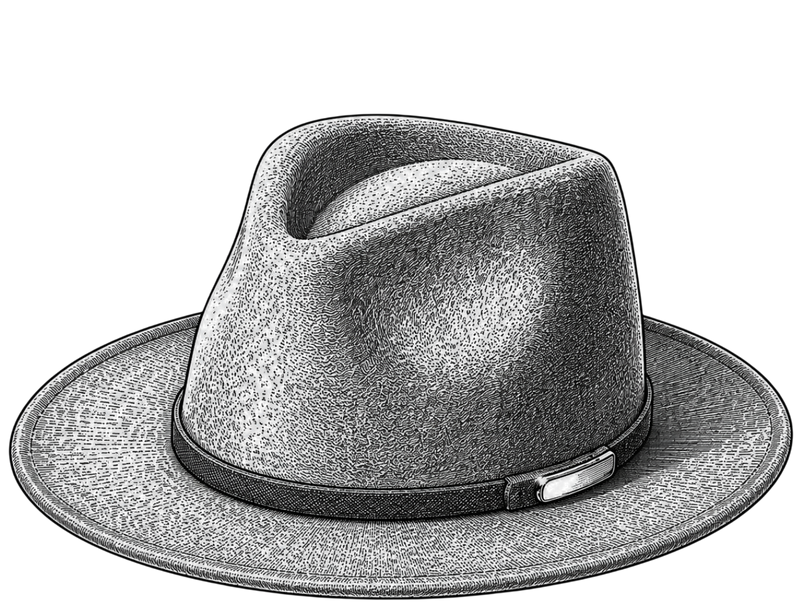
The felt fedora is the most legible hat in a professional context — it carries the longest history of wear by men and women in workplace and public settings. A classic fedora in dark felt (charcoal, navy, dark brown) worn with business casual clothing signals intentional personal style without departing from the professional register.
Proportions matter here: a medium crown height (9–10 cm), a medium brim (6–7 cm), and a classic snap brim shape (front brim turned down, back turned up) are the office-appropriate version. Wide-brim fedoras (10+ cm brim) and very low-crown trilbies read as fashion statements that require more confidence to carry in professional environments.
Flat Cap
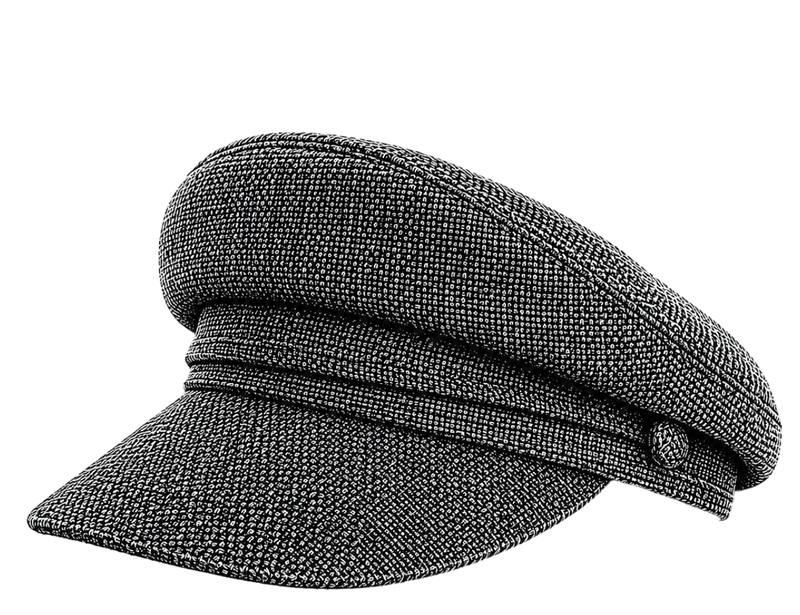
A tailored flat cap in a quality fabric — wool herringbone, tweed, fine cotton — works well in business casual environments. It reads as considered and heritage-influenced rather than fashion-forward or trend-driven, which makes it a sustainable daily choice that does not require active styling justification. It also creates no practical workspace problems: the compact profile means no interference with overhead lighting, no brim that requires management when looking down at a screen.
Baseball Cap: Context-Specific
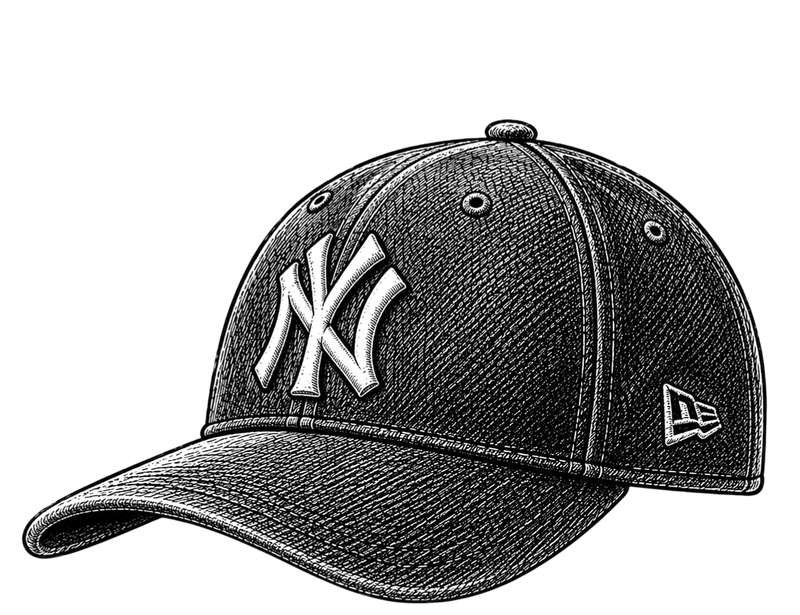
A baseball cap works in casual and creative environments without qualification. In business casual environments, it works when the cap is clean, structured (not worn-in soft), and worn forward. It does not work in conservative professional environments — the casual signal is too strong. The distinction between a cap that works and one that does not in a business casual office is primarily condition and fit: a well-kept, correctly sized cap reads differently from a broken-in, loose-fitting one.
Panama Hat (Warm Months Only)
A quality Panama hat in warm weather is the dressiest casual summer hat option for workplace contexts. A fine toquilla Panama in a classic fedora or optimo crown shape reads at a formality level above the flat cap or baseball cap, making it appropriate in business casual environments even during summer casual periods. Choose a medium-grade weave (visible but fine) over very open weaves, which read more casual.
What Does Not Work in Most Office Contexts
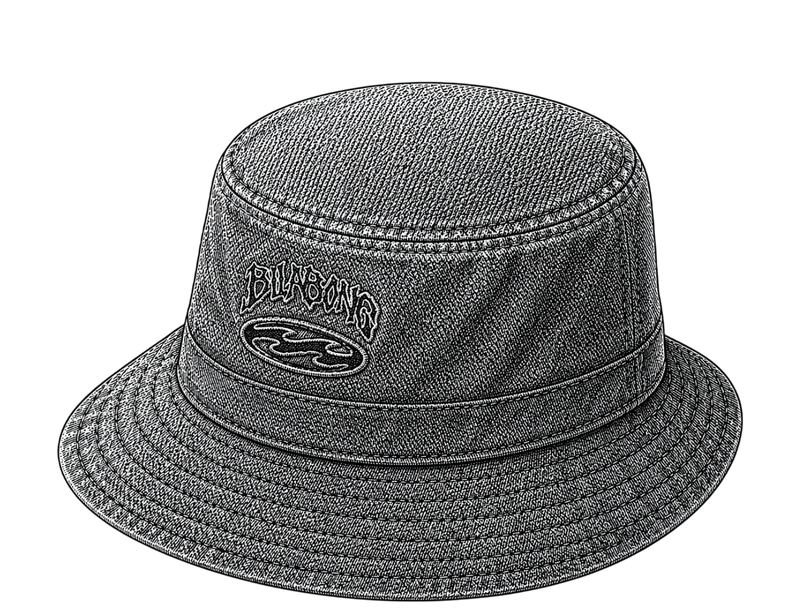
Bucket hats: The casual ceiling of the bucket hat is casual outdoor settings. In office environments, even very casual ones, a bucket hat worn at a desk reads as the wearer not having considered workplace context. The exception is extremely casual creative environments where beach-adjacent clothing is normal.
Novelty or character hats: Self-explanatory — unless the workplace itself is themed or promotional.
Sports team caps in formal settings: A sports-branded cap is categorically casual. In business casual environments it requires careful calibration — some companies and cultures accept it readily, others find it inappropriate regardless of dress code flexibility. Read the room specifically rather than making assumptions.
Any hat worn visibly incorrectly: A hat that is too large, sitting wrong, or obviously old and worn in a way that reads as neglect rather than patina is worse in a professional setting than no hat. The hat must be in good condition and properly fitted.
Practical Hat Wearing at Work
Consistency matters more than the specific choice. A person who wears a flat cap to work every day becomes known as someone who wears a flat cap — it becomes part of their presentation. A person who wears a hat only occasionally reads as trying out a hat rather than wearing one. Daily or near-daily wearing is what converts a hat from a visible statement into simply part of how that person is known.
Remove it for video calls if unsure. Hat-wearing on camera is a neutral to positive signal in casual business contexts, but if you are new to a company or uncertain about the video culture, removing the hat for formal calls — presentations, client meetings — while wearing it otherwise is a reasonable calibration during the first weeks.
Condition is read as character. A hat in excellent condition reads differently at work than the same hat in poor condition. A worn-in hat with good patina (natural aging from quality materials) is acceptable; a battered, shapeless, or faded hat reads as neglect rather than style. The workplace is not the context for a beloved but past-its-prime hat.
Find workplace-appropriate fedoras, flat caps, and Panama hats in the Hatloom collection.
Frequently Asked Questions
Is it rude to wear a hat in the office?
In most modern workplaces, no. The traditional etiquette of removing hats indoors (derived from military saluting customs and medieval honor codes) has largely dissolved in civilian professional settings. In conservative formal environments — certain law firms, finance institutions, traditional corporate headquarters — indoor hat-wearing may still be perceived as casual or inappropriate by some colleagues. In business casual and creative workplaces, it is a neutral personal style choice. Read the specific environment rather than applying blanket rules.
Can women wear hats in the workplace?
Yes, and historically with more latitude than men — women's hat-wearing has been treated as an accessory choice rather than a social protocol violation in most workplace contexts for longer. A woman wearing a felt fedora, structured flat cap, or simple cloche to work reads as fashion-conscious personal style in essentially all non-conservative-formal contexts. The same workplace-reading exercise applies: what are other well-dressed women wearing in this environment, and where does a hat fit within that range?
What hat works for outdoor-based work?
Outdoor-based workers (construction, landscaping, agriculture, event staff, outdoor educators) have different requirements from office workers. For outdoor professional contexts: a durable, sun-protective hat with good brim coverage is the priority — a wide-brim canvas hat, a cowboy hat, a wide-brim Panama, or a technical sun hat depending on the specific environment. The workplace formality reading is irrelevant here; weather protection and practicality are the variables.
Should I wear the same hat to work every day?
Yes, if you are building hat-wearing as part of your regular presentation. Variety across multiple hat styles can read as trying out different things; wearing one hat consistently reads as having a personal style. If you want to rotate between two or three hats (different colors or materials for different seasons), keep the shape consistent — the same silhouette in different materials or colors is a coherent wardrobe approach. Rotating between very different hat styles reads as less intentional.
How do I introduce hat-wearing to my workplace without making it a big deal?
Wear the hat once without mentioning it. Let the social response (or absence of response) calibrate your read of the environment. Most hat-wearing at work goes unremarked after the first one or two wearings — colleagues update their mental image of you and move on. Making an announcement or explanation draws attention to the hat as a statement; wearing it without commentary positions it as simply part of how you dress. The latter is always the correct approach.