Height is the hat variable that most style guides completely ignore. The standard hat advice is calibrated for average height (175–178 cm) and treats hat proportion as a face-shape question rather than a full-body proportion question. For tall men — 190 cm and above — the relationship between the hat and the full silhouette is as important as the relationship between the hat and the face. A hat that fits the face correctly can look wrong at 195 cm because the proportions from 2 meters away are not what they look like in a face-only mirror view.
Why Height Changes Hat Proportions
At average height, a hat is seen from approximately eye level by most other people. The hat frames the head, and the full body reads below it as a roughly normal proportion. At 190–200 cm, most observers see the hat from below eye level — from a perspective where the hat appears as the top of a tall, full silhouette. The proportional relationship between hat and body becomes visible in a way that it is not for average-height wearers.
The key effects:
- Brim width and height: A hat brim that reads as generously proportioned at 175 cm can read as narrow and small-seeming at 195 cm. The hat occupies a smaller percentage of the total visible silhouette the taller the wearer.
- Crown height: Adding crown height on an already-tall person increases total silhouette height, which can create a proportionally narrow, very vertical appearance when the shoulders are not proportionally wide enough to balance it. This is the specific configuration to watch — tall and narrow-shouldered men must manage crown height more carefully than tall and broad-shouldered men.
- Visual distance: Tall men's hats are seen from a greater average viewing angle (from below) than average-height wearers' hats. Details that are visible from straight-on — brim shape, crown crease detail, ribbon — are less visible. Overall silhouette dominates over fine detail.
Best Hat Styles for Tall Men
Wide-Brim Fedora (8–10 cm Brim)
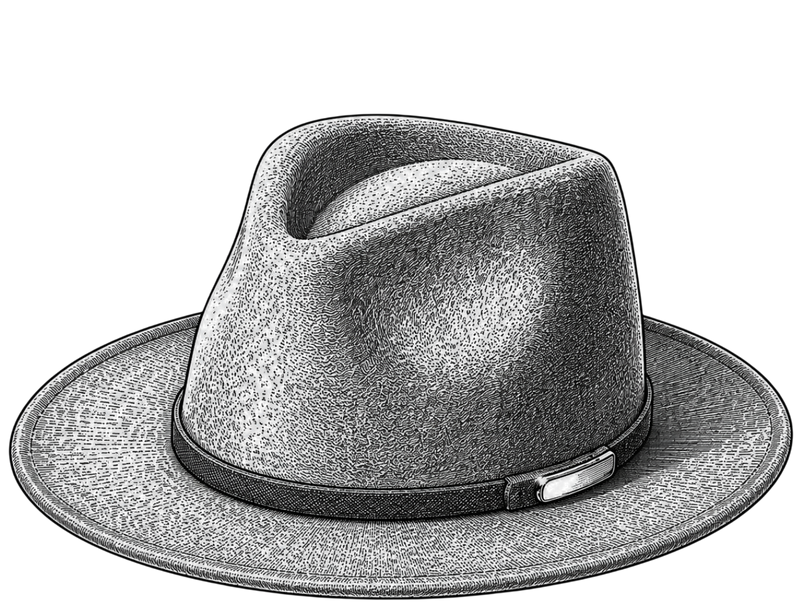
A wider brim than standard is the primary recommendation for tall men. The standard fedora brim of 6–7 cm reads as adequately sized at average height; at 190+ cm it begins to appear proportionally small relative to the total body height. A brim of 8–10 cm maintains the proportional relationship between the hat and the body that a narrower brim cannot achieve at greater heights.
The wide-brim fedora also adds horizontal visual elements (the brim creates a horizontal plane at the top of the silhouette) that counterbalance the strong vertical line of tall height — providing some of the width-impression that the hat can contribute to a tall, lean figure.
Wide-Brim Cowboy Hat
The cowboy hat is particularly well-suited to tall men because its proportions — wide brim, substantial crown — were developed in contexts where the hat needed to be visually significant at distance (ranching, outdoor work) rather than in the close-range social contexts that shaped most other hat designs. A cowboy hat's proportions read correctly at height in a way that a narrow-brim hat does not.
The crown height of a cowboy hat is its main consideration for very tall men: a very high crown on a 195 cm man creates extreme total height. A mid-height cowboy crown (8–10 cm) with a wide brim (10–12 cm) is the most balanced option for tall wearers.
Panama Hat With Generous Brim
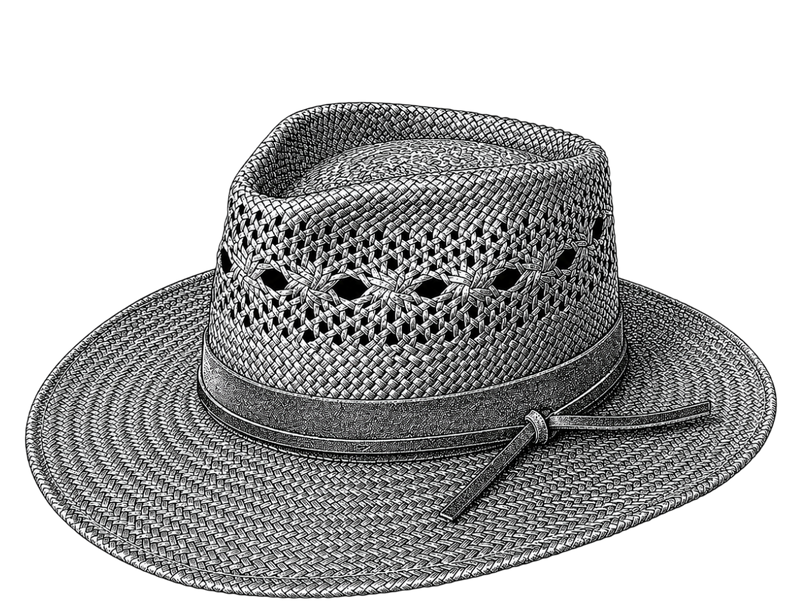
A Panama hat in the optimo or classic fedora crown shape with a brim at the wider end of the Panama range (8–9 cm) is the summer equivalent of the wide-brim felt fedora. The natural straw reads well at height, and the wider brim provides the proportional mass the hat needs to relate correctly to a tall silhouette.
Flat Cap in Larger Proportions
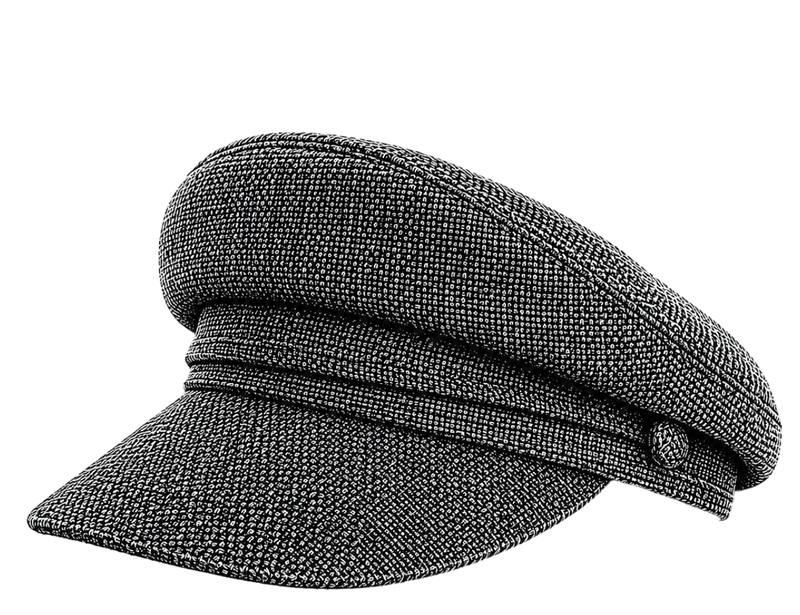
Flat caps are manufactured in a range of sizes, and choosing a cap that is proportionally scaled to a larger head (which most tall men also have) is the key variable. A flat cap in the correct size for a large head (60 cm circumference or above) will naturally have more visual mass than a standard-size cap. The style works for tall men in casual contexts; the consideration is ensuring the cap size reflects the correct head measurement rather than defaulting to the most common size.
What to Avoid
Narrow-brim hats (trilbies, narrow-brim fedoras): The narrow brim appears even smaller in proportion to the body at height. A 4 cm trilby brim on a 195 cm man can read as a small accent piece rather than a hat — the proportional relationship between the narrow hat and the tall body is visually incongruous.
Very tall crowns on narrow shoulders: A tall crown — 12 cm or above — on a tall man with narrow shoulders creates an extreme vertical silhouette without horizontal counterbalance. If the wearer is tall with broad shoulders, a tall crown can work; for tall and lean proportions, crown height above 10 cm risks looking extreme.
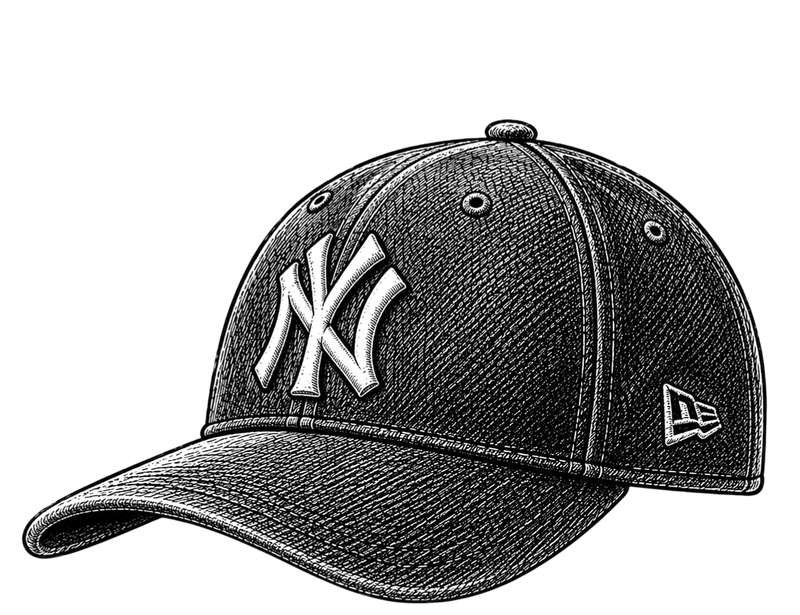
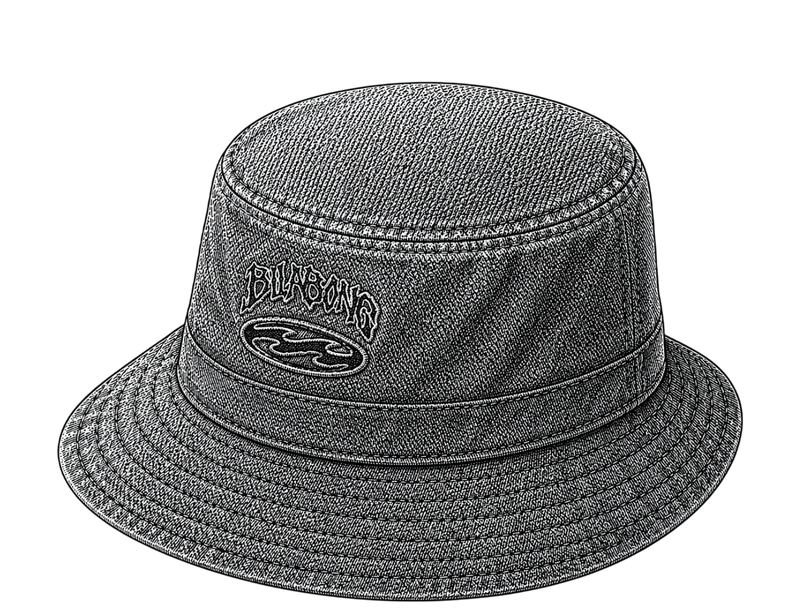
Small structured caps: Baseball caps, beanies, and bucket hats in standard (average) sizes sit proportionally small on large-headed tall men. Choose one size up from average and look for extended sizing if available.
Hat Sizing for Tall Men
Taller men typically have larger head circumferences than average (though this is correlated rather than determined — head size and body height are related but not the same). If the standard hat size (57–58 cm) fits perfectly, the hat style guidelines above apply directly. If the head circumference is larger — 60 cm or above, which is more common in tall men — many hat manufacturers offer extended sizing, and the proportionally larger hat will naturally resolve some of the visual weight questions by being a physically larger object.
Find wide-brim fedoras, Panama hats, and cowboy hats in sizes suited to taller frames in the Hatloom collection.
Frequently Asked Questions
Do hats make tall men look taller?
Any hat adds some height — the crown extends above the head. For very tall men, this additional height is rarely desirable from a proportion standpoint. The relevant question for tall men is not whether the hat adds height (it does, regardless of style) but whether the hat proportions are wide enough to balance the height already present. A wide-brim hat adds 2–3 cm of crown height but adds significant horizontal width at the brim level, which tends to read as more balanced than a narrow-brim hat that adds the same height without the width compensation.
What hat size do tall men typically wear?
There is no direct relationship between height and hat size — head circumference varies independently of body height. However, tall men statistically have slightly higher average head circumferences than the population as a whole, making sizes of 59–62 cm more common in tall men than in the general population. Measure specifically; do not assume a larger size is needed based on height alone.
Can tall men wear baseball caps?
Yes. Baseball caps in the correct size work for tall men in casual contexts. The proportional challenge is that a standard-sized cap can appear small on a large head at height — the cap brim reads as a small horizontal element at the top of a tall figure. Choosing a cap with a slightly more structured profile (taller front panel, wider brim) improves the proportion for tall wearers in casual contexts.
Are wide-brim hats practical for very tall men indoors?
Indoor practicality is an occasional consideration for tall men with wide-brim hats — doorways and low ceilings that present no issue for average-height wearers can bring a wide brim into contact with overhead elements. This is a minor practical concern that most tall hat wearers manage without significant difficulty after brief adaptation. The hat is removed indoors in most contexts where it would cause friction with the built environment.
What fedora proportions work best for a 190 cm man?
For a 190 cm man of average build: a brim of 7–9 cm (the upper range of standard fedora proportions, not the narrow end); a crown height of 9–11 cm with a defined center crease; and a classic snap brim with the front edge angled slightly downward and the back turned up. This combination provides proportional mass at the hat level without the extreme vertical emphasis of a very tall crown or the visual undersizing of a narrow brim. The crown crease should be strong and angular — at height, fine details like crown crease shape read less clearly, so a well-defined crease has more impact than a subtle one.