Most people choose summer hats based on aesthetics and then discover in practice that the hat traps heat, saturates with sweat, or makes no meaningful difference to comfort in the sun. The material science of summer headwear is more specific than most guides acknowledge — and the difference between a hat that helps and one that just looks summery is significant over a six-hour outdoor day.
What Makes a Hat Actually Cool in Summer
Three properties determine whether a hat keeps you cooler or simply moves where you feel hot:
- UV protection: A hat that blocks UV radiation prevents the scalp and face from absorbing solar heat directly. UPF-rated hats with dense weaves block 95–99% of UV — meaning significantly less heat absorbed by the body. A hat with large gaps in the weave (loose raffia, wicker styles) has low UV protection regardless of how it looks.
- Breathability: A hat that traps heat inside the crown is actively worse than no hat for comfort (though it may still provide UV benefit). Breathable materials — natural straw, cotton, open-weave technical fabric — allow convective cooling to continue through the hat. Dense synthetic or non-breathable materials trap heat at the scalp.
- Brim coverage: A brim that shades the face, ears, and neck reduces the total surface area receiving direct solar radiation. Shading those areas reduces heat perceived in the areas most sensitive to it. A cap that shades only the face leaves ears and neck — two areas with significant blood vessels close to the surface — in direct sun.
The Materials That Work
Natural Toquilla Straw (Best Overall)
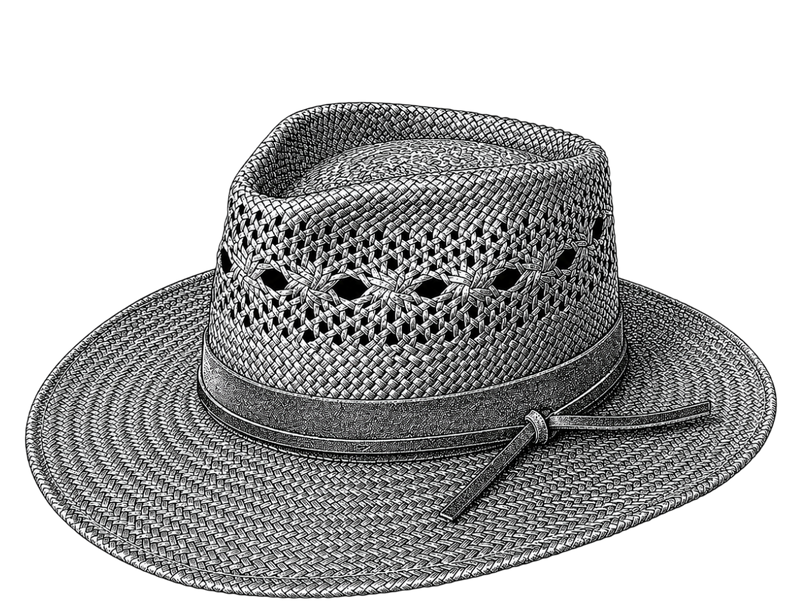
Toquilla straw (used in quality Panama hats) combines excellent breathability, meaningful UV protection (the dense weave blocks significant UV), natural lightweight quality, and effective moisture management. The straw allows air to circulate through the crown. A fine-weave toquilla Panama hat is the most objectively effective summer hat for most situations — it performs functionally and reads as elegantly appropriate for summer occasions.
The trade-off: Water sensitivity. Light rain on a treated toquilla hat is manageable; saturation causes distortion. In variable summer weather, a technical fabric alternative handles more weather scenarios.
Natural Raffia and Seagrass
Breathable and lightweight. Raffia in particular allows significant air circulation through the weave. The limitation is UV protection — raffia weave varies in density, and loosely woven raffia can have UPF as low as 5–10. For purely hot dry conditions, raffia is comfortable. For UV protection specifically, check the weave density or choose toquilla instead.
UPF Technical Fabric
Nylon and polyester fabrics with UPF ratings of 50+ are the most reliable sun-protection materials available. A UPF 50+ nylon hat blocks 98%+ of UV regardless of weave — the protection is built into the fabric rather than depending on weave density. Technical fabrics also dry quickly, handle rain, and are machine washable.
The trade-off: they read as functional rather than fashionable. A nylon sun hat is correct for hiking, beach days, and active outdoor use. It is less appropriate for summer weddings, garden parties, and social occasions where aesthetics matter alongside function.
Cotton and Linen
Natural fibers that breathe reasonably well in woven form. Cotton canvas bucket hats and linen flat caps are comfortable in moderate summer heat. The limitations: cotton absorbs moisture and dries slowly (a cotton bucket hat soaked in sweat takes time to dry out). Linen is more breathable but less structured.
For moderate summer temperatures and social occasions where technical fabrics would look out of place, quality cotton and linen hats are appropriate choices that perform adequately.
Wool Felt in Summer — Why Not
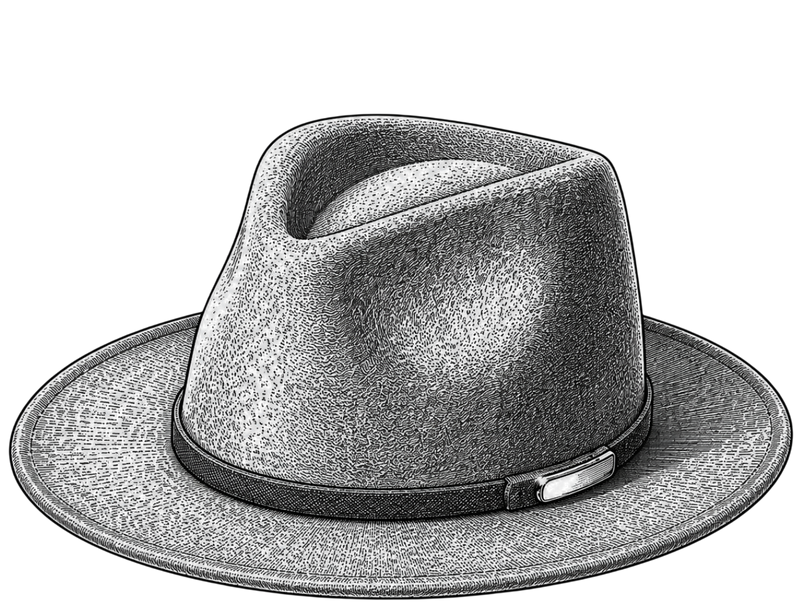
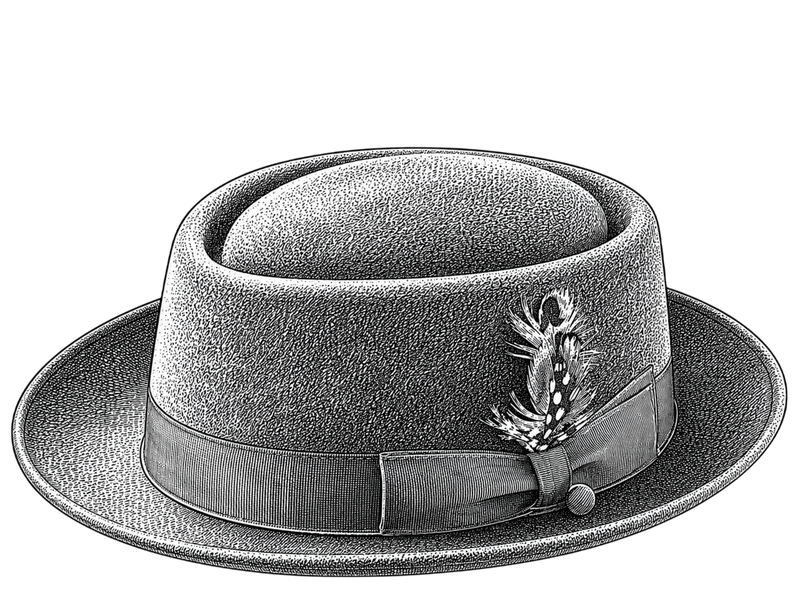
Wool felt is excellent for autumn and winter but is the wrong material for hot summer use. Felt is dense — it provides minimal breathability and traps heat at the scalp. A felt hat in summer is worn for style rather than cooling. If you wear a felt hat in summer, understand that it provides UV protection but not thermal comfort.
Best Summer Hat Styles
1. Wide-Brim Panama or Toquilla Hat
The most complete summer hat — UV protection, breathability, brim coverage for face/ears/neck, and social appropriateness across casual and smart-casual contexts. A fine-weave toquilla hat in natural or cream is the highest-performing single summer hat choice for most situations.
Brim width recommendation: 7.5–9 cm for everyday summer use provides face and neck coverage. A 10–12 cm brim for sustained outdoor exposure (beach, gardening, outdoor events) maximizes coverage.
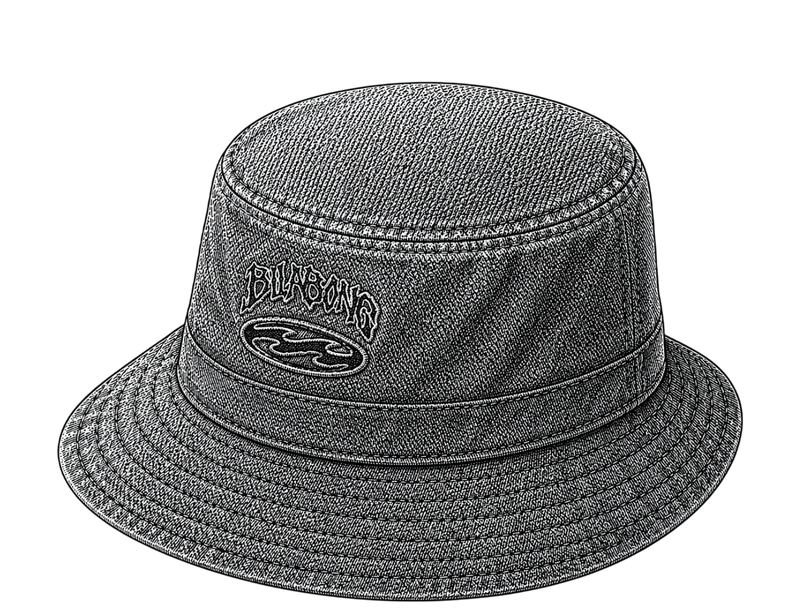
2. Bucket Hat (Technical Fabric, UPF 50+)
For active summer use — hiking, beach, festival, outdoor sport — a UPF 50+ technical bucket hat outperforms natural straw in weather versatility and functional protection. The all-around brim provides consistent coverage. It packs flat. It handles rain, sweat, and water without damage.
3. Straw Boater
The straw boater — flat-topped, flat-brimed — is the classic English summer hat for formal occasions. Its flat brim provides consistent UV coverage in all directions at a standard 6–7 cm width. The natural straw construction is breathable. Best for garden parties, summer weddings, and formal outdoor events rather than active use.
4. Wide-Brim Raffia Sun Hat
For beach, poolside, and casual summer use, a wide-brim raffia hat (9–12 cm brim) provides strong shade coverage and excellent breathability. The open weave keeps the crown ventilated. The style reads as quintessentially summery — it is the hat for visually relaxed summer contexts.
Check UV protection: measure or look for UPF rating. A loosely woven raffia hat may not provide UPF 30+ despite its appearance of coverage.
5. Linen Flat Cap
For smart-casual summer contexts — a summer outdoor lunch, a casual weekend in a warm city — a linen flat cap provides structure without heat retention. Lighter than tweed equivalents, more breathable than cotton canvas, and contextually appropriate for summer smart-casual dress.
Color and Heat in Summer
Color affects the amount of heat absorbed by the hat itself:
- White and very light colors reflect solar radiation and absorb less heat — the hat surface stays cooler, meaning less heat radiated downward onto the head
- Dark colors absorb solar radiation and become warmer in direct sun — a black felt hat in direct summer sun is significantly warmer than the same hat in white
For summer: light colors (white, cream, natural straw, ivory) are not just aesthetically appropriate — they are functionally cooler than dark alternatives. Natural straw tone is the summer default precisely because it reflects more solar radiation than any artificially darkened version of the same material.
Find natural straw hats, wide-brim summer styles, and UPF-rated options in the Hatloom summer collection.
Frequently Asked Questions
What is the coolest hat to wear in summer heat?
A wide-brim natural toquilla straw hat combines the best breathability (air circulation through the straw weave) with meaningful UV protection and brim coverage for face and neck. For active outdoor use requiring weather resilience, a UPF 50+ technical fabric bucket hat provides better functional performance at the cost of aesthetic refinement.
Do hats actually keep you cooler?
Yes — in two ways. UV-blocking hats prevent solar radiation from heating the scalp and face directly, reducing the total heat input to the body. Brimmed hats shade the face, ears, and neck — areas with significant blood vessels near the surface — which reduces perceived heat in temperature-sensitive areas. A breathable hat that blocks UV and provides brim shade is functionally cooler than no hat in direct sun.
What UPF rating do I need for a summer hat?
UPF 30+ is the minimum recommended for sustained summer sun exposure. UPF 50+ blocks 98%+ of UV and is recommended for high-altitude use, beach and water environments (where reflected UV is higher), and any sustained outdoor activity. Technical fabric hats with UPF ratings are more reliable than natural straw hats where the weave density determines UV protection.
Is a straw hat better than a cotton hat for summer?
Generally yes for breathability. Natural straw allows air circulation through the weave in a way that woven cotton does not. Toquilla straw also has better natural UV protection than standard cotton canvas. The exception: UPF-rated technical fabrics outperform natural straw in UV protection and weather versatility, though not in breathability or aesthetics.
What color hat is best for summer?
Light colors — white, cream, ivory, natural straw — reflect solar radiation rather than absorbing it, meaning the hat surface stays cooler in direct sun. This reduces the heat radiated from the hat onto the head below. Natural straw is the classic summer color for this functional reason as much as for aesthetics.