A square face is one of the most photogenic and architecturally strong face shapes — which is precisely why the wrong hat can make it look hard rather than defined. The goal is not to hide the square jaw. It is to complement it with shapes that introduce visual softness without undermining the natural structure.
Identifying a Square Face
A square face has three consistent features:
- The forehead width, cheekbone width, and jaw width are approximately equal
- The jaw corners are angular rather than rounded
- The face height is roughly equal to or slightly greater than the face width — creating a near-square overall geometry
Men with square face shapes include Brad Pitt, Matt Damon, and Henry Cavill. The shape reads as inherently strong and masculine. Hat choices that add more angularity amplify this into something that looks rigid or severe. The better approach is contrast — introducing curves and roundness that balance the natural structure.
The Core Principle: Curves and Softness, Not More Angles
For square faces, hat strategy is built around one principle: avoid adding more right angles and sharp lines to a face that already has them.
- Rounded crown shapes — teardrop crowns, open crowns, oval crowns — soften the geometry above the angular jaw
- Medium brim widths (5.5–7.5 cm) that neither emphasize width nor completely hide the strong jaw
- Curved brims rather than flat, geometric brims introduce softness at the eye level
- Asymmetric brim angles — one side snapped down — create diagonal emphasis that breaks the symmetrical squareness
Best Hat Styles for Square Faces
1. Fedora with Rounded or Open Crown — The Most Flattering Choice
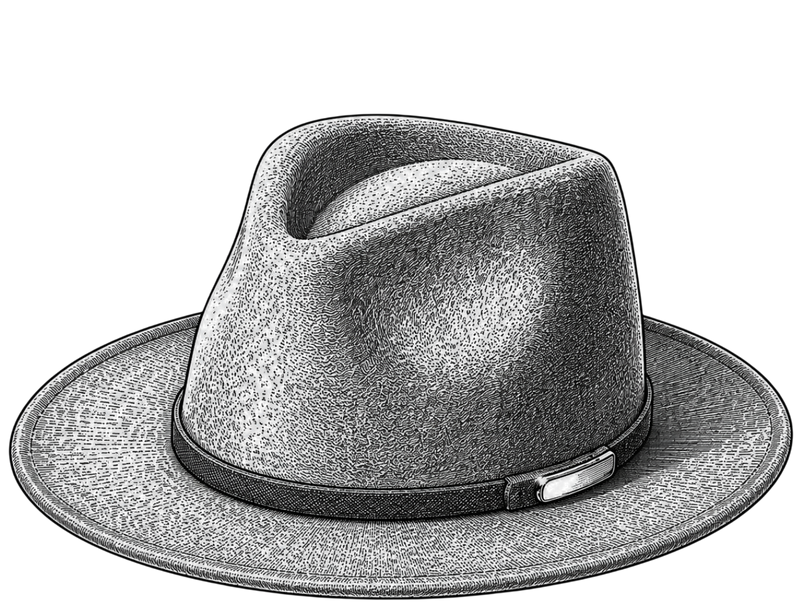
A fedora works exceptionally well on a square face when the crown shape is rounded rather than sharply creased. An open or teardrop crown — less structured than the classic cattleman crease — introduces oval geometry above the angular jaw. The contrast between round crown and square jaw creates visual interest rather than amplification.
Specific choices:
- Teardrop crown fedoras — the rounded front of the crown tapers toward the rear, creating a soft silhouette
- C-crown or open-crown fedoras — no sharp lateral creases, more of an oval or rounded dome shape
- Fedoras with a slight center dent only (without the two lateral pinch creases) — less geometric than a full cattleman crease
Brim width: 6–7.5 cm. Worn flat or with a very slight angle — enough to create diagonal interest without reinforcing horizontal squareness.
2. Bucket Hat
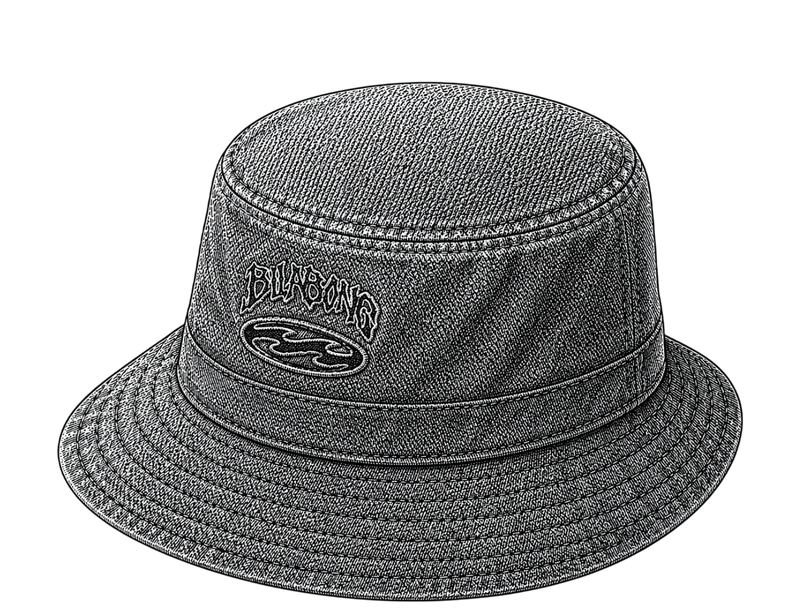
The bucket hat is a strong choice for square faces. The all-around brim creates a continuous horizontal line that does not emphasize any single face width measurement. The rounded, dome-shaped crown introduces softness directly above the angular jaw. The overall effect is a balanced, casual counterpoint to strong jaw geometry.
Choose bucket hats with medium-to-wider brims (6–8 cm) and a slightly higher, more rounded crown rather than a very flat, shallow style.
3. Flat Cap with a Rounded Crown
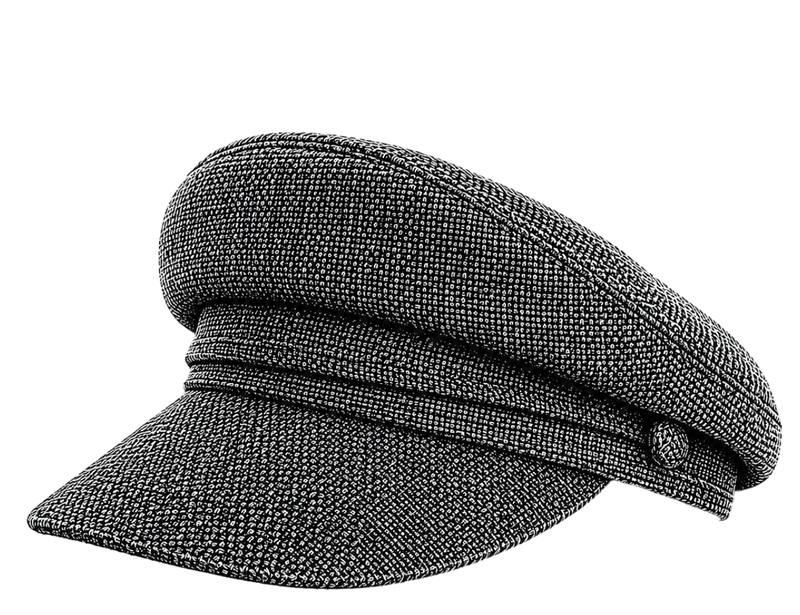
A flat cap works on a square face when the crown has some roundness to it — not a perfectly flat, newspaper-boy shape, but a cap with a slightly fuller, curved body. The forward brim adds some visual horizontal emphasis that works with (rather than against) the wide jaw.
Avoid very flat caps where the entire top panel sits nearly horizontal — this creates a visually flattened silhouette that echoes rather than softens the square geometry.
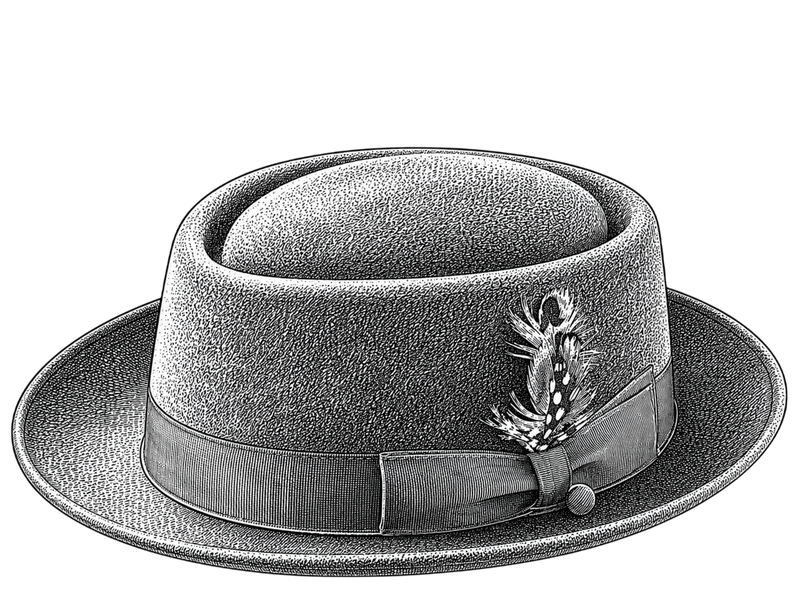
4. Pork Pie Hat
The pork pie — a flat-topped hat with a short, upturned brim — has an unusual property for square faces: the flat top creates a deliberate geometric contrast that reads as stylized rather than accidental. The strongly horizontal brim angle adds width, while the short height keeps the crown from adding excessive vertical emphasis.
The pork pie is a more specific style choice than the fedora or bucket hat — it has a defined cultural context (jazz, ska, specific fashion eras) and works best when the wearer is intentional about it.
5. Trilby (With Qualifications)
The trilby — shorter brim, taller, narrower crown — can work on a square face because the narrower form provides some visual slimming of the face width. However, the sharper lines of the typical trilby crown can amplify rather than soften the jaw. Choose trilbies with slightly more rounded crowns and avoid very rigid, angular versions.
What to Avoid
- Very wide, flat brims worn completely horizontal. This creates a strong horizontal band at eye level that visually widens an already-wide face.
- Structured cattleman-crease fedoras with all three sharp creases. The sharp crown geometry amplifies the angular face structure rather than balancing it.
- Bowler hats. The dome crown and narrow, curved brim of a bowler hat sit on a square face in a way that tends to look visually top-heavy. The hat reads as competing with the jaw rather than balancing it.
- Caps and hats with strong horizontal lines at the brim level. Any hat where the brim creates a pronounced horizontal stripe across the visual field of the face adds perceived width.
Tilt and Positioning
How the hat is positioned changes its effect significantly for square faces:
- A slight tilt to one side introduces asymmetry that breaks the symmetrical squareness of both the face and the hat. Even a 5–10 degree tilt creates diagonal emphasis that makes the face appear less geometrically rigid.
- Forward positioning (lower on the forehead) reduces visible forehead width and brings the hat closer to the jaw level — useful for very wide foreheads on square faces.
- Backward positioning exposes more of the wide forehead and face, which typically emphasizes rather than softens the square structure.
Color and Material Considerations
For square faces, softer materials and colors tend to work better than very rigid, dark, high-contrast options:
- Softer felt textures, weathered or napped finishes — these reduce the visual hardness of the hat silhouette
- Medium tones (camel, tan, brown, heather grey) rather than hard black or bright white — strong contrast at the hat level emphasizes the face boundary more sharply
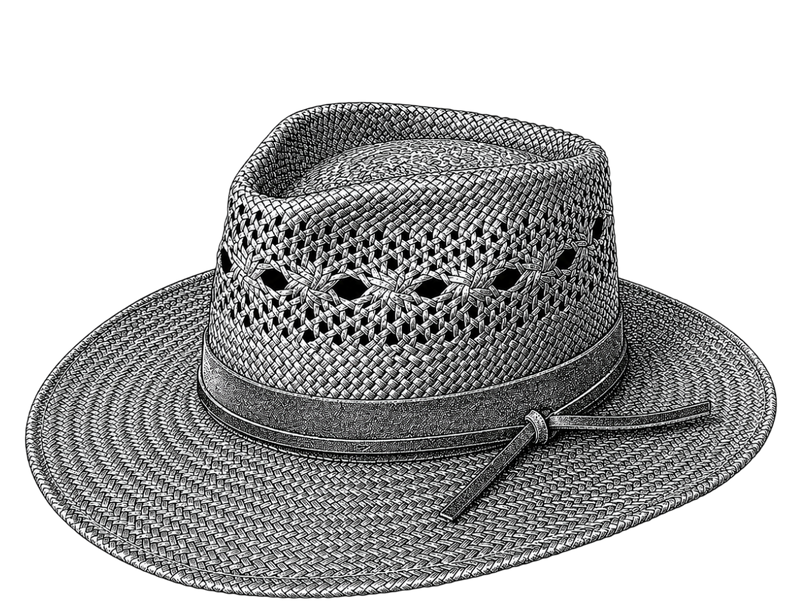
- Natural straw in summer — the organic texture is inherently less rigid-looking than structured felt
Explore fedoras, bucket hats, and flat caps suited to square face proportions in the Hatloom collection.
Frequently Asked Questions
What is the best hat for a square face?
A fedora with a rounded or open crown (teardrop or C-crown) is the most flattering choice for square faces — the rounded crown geometry contrasts with and softens the angular jaw rather than amplifying it. Bucket hats with dome crowns are the strongest casual alternative.
Should men with square faces avoid structured hats?
Not completely — avoid sharply angular crown shapes (full cattleman crease, rigid trilbies with sharp lateral lines). A structured fedora with a more rounded or open crown reads as defined rather than severe. Structure itself is not the problem; geometric sharpness in the crown is.
Do flat caps work for square faces?
Yes, with the right style. A flat cap with a fuller, more rounded crown body works well. A very flat, newspaper-boy style that creates a completely horizontal top is less flattering as it echoes the geometric squareness of the jaw.
What brim width is best for a square face?
5.5–7.5 cm is the most effective range. Narrower brims add slimming emphasis; wider brims add horizontal mass. The middle range avoids both extremes and works with the natural face proportions. Wear the brim with a slight angle rather than completely flat to introduce diagonal emphasis.
Can square-faced men wear wide-brim hats?
Yes, when the hat has a curved or flowing brim rather than a completely flat horizontal one. A wide brim (7.5–9 cm) with a natural curve or wave softens the overall silhouette. A wide brim worn perfectly flat creates a strong horizontal line that amplifies face width.