Spring is the most difficult hat season because it is not one season — it is four competing weather conditions within a two-month window. The hat that works for a cold, overcast April morning fails by May afternoon. Getting dressed well in spring requires understanding which hat materials and silhouettes bridge the gap between winter protection and summer lightness, rather than trying to use either season approach too early or too late.
What Spring Hat Dressing Actually Requires
Spring presents specific hat requirements that neither winter nor summer hats fully address:
- Temperature variability: Morning temperatures in April–May may be 8–12°C; afternoon of the same day may reach 18–22°C. A hat that provides warmth in the morning becomes uncomfortable by mid-afternoon.
- Rain and moisture: Spring precipitation is frequent and unpredictable. A hat worn outdoors in spring needs reasonable moisture management — either water resistance or quick-dry properties.
- Wind: Spring wind is stronger and more variable than summer. Lightweight straw hats and wide brims require more management in gusty conditions.
- Light intensity: Spring UV intensity begins increasing significantly from March onward. Brim coverage becomes relevant from late February in southern Europe and from April in northern Europe and North America.
Best Hat Styles for Spring
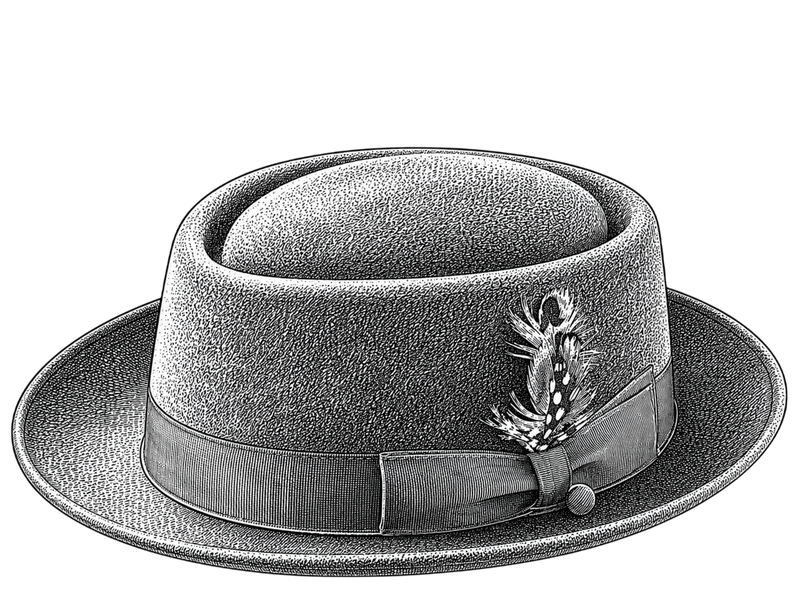
Felt Fedora or Pork Pie Hat (March–April)
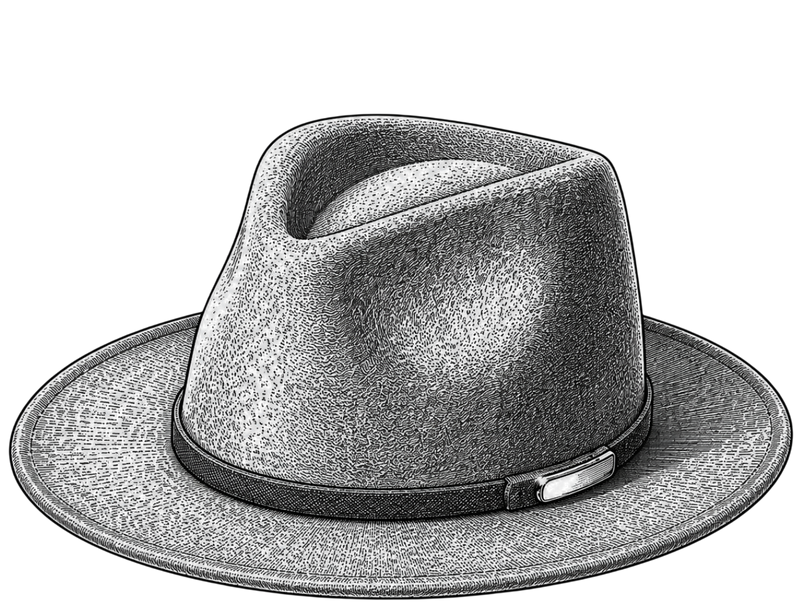
In early spring — March through mid-April in most northern hemisphere climates — wool felt remains the most practical hat material. It provides warmth against cool mornings, sheds light rain without damage, and can handle the temperature swings of early spring without becoming uncomfortable in afternoon warmth.
The key in early spring is brim coverage: a felt fedora with a 6–8 cm brim provides UV protection as light intensity increases, while the felt construction handles the damp conditions of spring weather better than straw alternatives.
From a material standpoint, spring felt should be lighter-weight than winter options — a spring felt hat (typically 3–4 oz wool felt) is noticeably less warm than a winter version (5–6 oz) while sharing the same shape and silhouette. The lighter weight also means the hat is more breathable as afternoon temperatures rise.
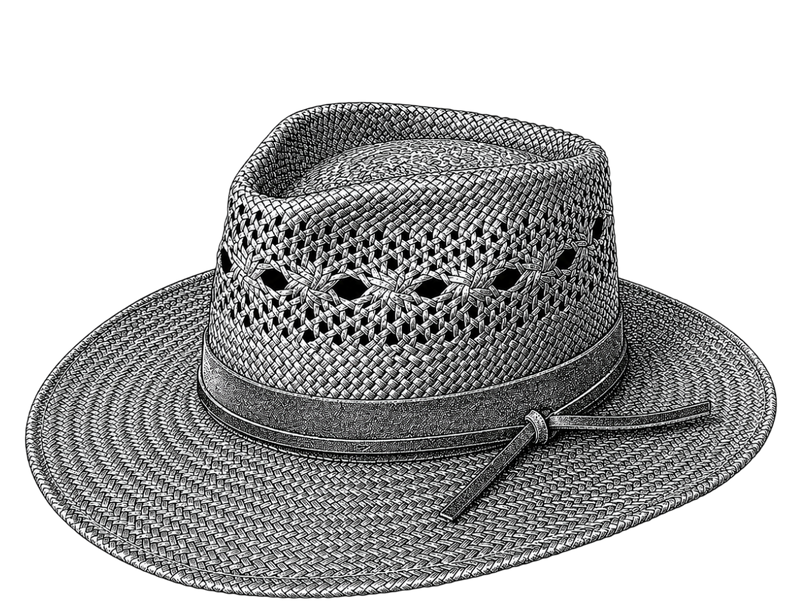
Panama Hat in Medium Grade (April–May)
A mid-weight toquilla Panama hat is the transition choice for April and May in most climates. Toquilla straw is more moisture-tolerant than raffia or paper straw — a fine weave sheds light rain reasonably well, and the material dries quickly. The Panama silhouette — typically a slightly pinched crown with a flexible, medium-width brim — is formal enough for spring events (outdoor weddings, races, garden parties) while casual enough for everyday wear.
The error in spring Panama hat wearing is going too light too early: a fine, very open-weave Panama bought for June use is too light and too ventilated for May conditions in variable climates. A medium-grade weave is the better spring choice.
Flat Cap in Lightweight Wool or Cotton
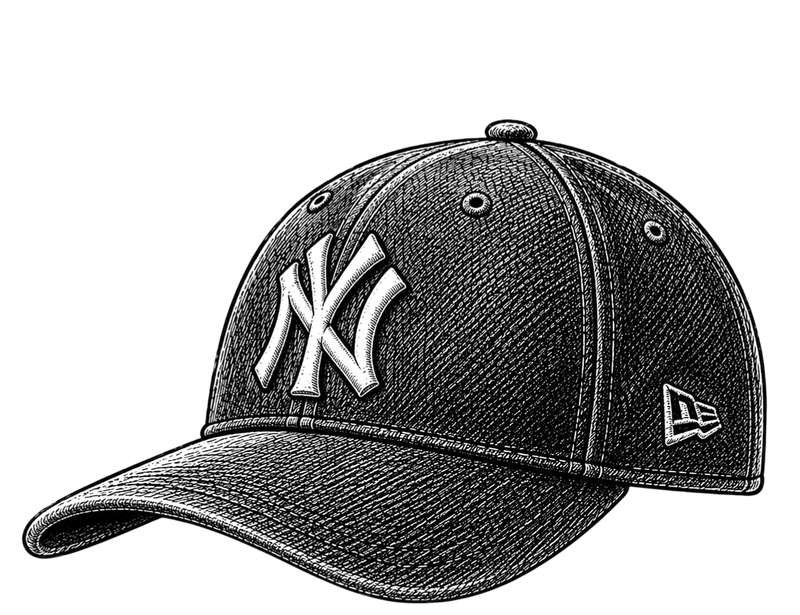
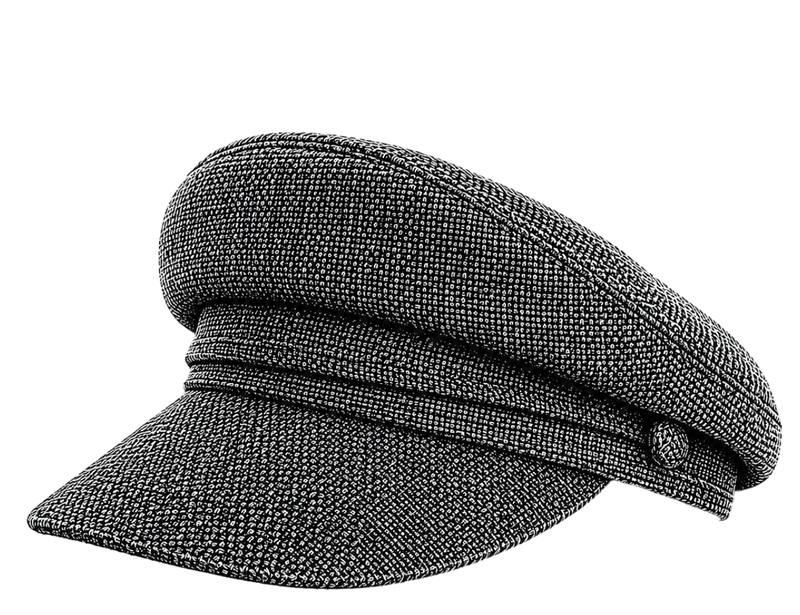
The flat cap is underutilized as a spring hat. A spring flat cap in lightweight melton wool (not the heavier winter version) or cotton tweed provides temperature flexibility that pure straw or pure heavy felt cannot. Cotton caps can be washed, which makes them practical for unpredictable spring weather. They have no brim-management problems in wind. They pack into a pocket or bag without damage.
Spring flat cap materials to seek: lightweight wool flannel, cotton tweed, linen-cotton blend. Spring flat cap materials to avoid: heavy Harris Tweed (too warm), synthetic fabrics that do not breathe.
Bucket Hat in Cotton or Linen (Late April Onward)
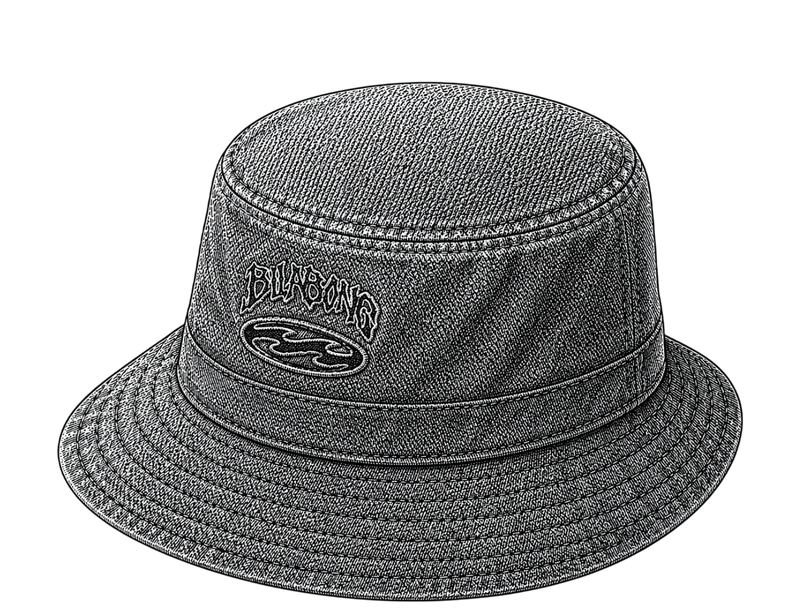
The bucket hat begins to become practical in late April to May in most climates. A cotton canvas or linen bucket hat manages light moisture well, dries quickly, provides 360-degree brim coverage for increasing UV, and requires no maintenance beyond washing. It is the most forgiving hat in unpredictable spring conditions.
The limitation is formality: a bucket hat is casual headwear that works in outdoor leisure contexts but not at spring events where a Panama or fedora would be appropriate. Choose based on the occasion rather than the weather alone.
Straw Boater (Late May)
The boater is a late-spring hat in most climates — appropriate once consistent warmth is established and event-dressing occasions (early summer garden parties, outdoor entertaining) begin. Its rigid construction handles spring wind poorly compared to the flexible-brim alternatives, and it has no cold-weather utility. It belongs at the warmer end of the spring-summer transition.
Spring Hat Colors
Spring is the season where the hat color palette appropriately lightens. The dark felt colors of winter — charcoal, black, oxblood — remain valid in early spring but begin to look seasonally wrong by May. The transition to lighter hat colors reflects the broader seasonal shift in clothing:
- March–April: Mid-tones work — camel felt, mid-brown, stone gray. Dark colors are acceptable. Light traw colors are premature.
- May onward: Natural straw tones (cream, pale tan), light gray felt, sand and camel. White and very pale colors work for warm climates or events specifically.
The Spring Hat Wardrobe Approach
One hat does not cover the full spring season. The practical approach for hat wearers:
Transition hat (March–April): A lightweight felt fedora in a mid-tone color. This bridges the end of winter dressing into early spring without requiring seasonal wardrobe management.
Core spring hat (April–May): A mid-grade Panama or a cotton flat cap depending on the wearer preference for formality. This is the daily driver for the main spring period.
Event hat: If spring events (outdoor weddings, races, garden parties) are in the diary, a dedicated event hat — typically a better-quality Panama or a dressed-up fedora — is separate from the everyday choice.
Find spring hats in felt, Panama straw, and cotton flat caps in the Hatloom collection.
Frequently Asked Questions
When is it too early to start wearing straw hats?
Context-dependent rather than calendar-dependent. A straw hat worn in March in cold, damp conditions looks wrong because it reads as a summer hat worn prematurely — the seasonal signal overrides the individual style choice. The rule of thumb: straw hats become seasonally appropriate when outdoor temperatures are consistently above 18°C in the afternoon, which is typically May in temperate northern climates. In warm climates, earlier. The calendar date matters less than whether straw fits the actual weather experience of the week.
Can I wear a winter wool hat in spring?
Heavy winter hats — thick beanies, dense wool fedoras — look and feel wrong from March onward in most climates. A lightweight felt hat (the same silhouette in lighter-weight felt) remains appropriate through April. The distinction is weight and warmth, not style — a spring fedora and a winter fedora can look identical while being significantly different in wear experience.
What is the best hat for a rainy spring day?
A treated wool felt hat or a water-resistant cotton bucket hat. Felt sheds light rain and dries without damage if allowed to dry naturally at room temperature. Cotton canvas and treated synthetic bucket hats are more water-resistant than felt and practical for sustained wet conditions. Fine straw hats should not be worn in significant rain — the moisture penetrates the weave and can soften or warp the structure.
Are wide-brim hats practical in spring wind?
With management. Wide-brim hats in spring wind require securing — a hat pin, a chin strap, or simply holding the hat against gusts. Stiff-brim hats (felt or sennit) handle wind better than flexible-brim straw hats, which catch wind like sails. If spring wind is frequent in your climate, prefer a medium brim (6–8 cm) over a very wide brim (12+ cm) for daily spring wear, reserving wider brims for calmer days or events where you will mostly be standing still.
What spring hat works for both casual and semi-formal occasions?
A mid-grade Panama hat in a classic shape — a center-creased, medium-brim fedora crown or an optimo style — is the most versatile spring choice for wearers who need one hat to work across contexts. Worn with casual clothing it reads as a considered accessory; worn with a blazer or light suit it functions as event headwear. The key is choosing a classic shape rather than a fashion-forward interpretation — classic Panama shapes travel between contexts without looking like they are trying to.