Most style advice for shorter men is built on compensation logic — add height, create the illusion of length, trick the eye upward. Applied to hats, this produces the worst possible result: a tall hat on a short man does not add perceived height. It adds perceived imbalance.
The correct framework is proportion. A hat that is scaled correctly to the body reads as natural. A hat chosen to compensate reads as a choice that is trying too hard.
How Hats Affect Perceived Height
A hat does two things to perceived height simultaneously, and they partially cancel each other:
- It adds literal height — the crown adds 6–15 cm of physical elevation above the head
- It draws the eye to head level — any hat that contrasts with the background concentrates attention at head height rather than distributing it across the full figure
The net effect on perceived total height is smaller than most people expect — the hat adds literal height but the eye fixation partially counteracts it by anchoring perception at head level rather than measuring from floor to crown.
What matters more for shorter men is proportion: the relationship between hat size (brim width, crown height) and the overall body scale. A wide-brim hat on a compact frame creates visual imbalance. A correctly scaled hat reads as part of the figure rather than dominating it.
The Scaling Principle
General body proportion applies to hat choice for shorter men:
- Crown height: Keep it moderate — 6.5–8 cm. A very tall crown (9 cm+) adds height to the hat without adding perceived height to the person — it just makes the hat look oversized relative to the body. A very low crown (under 5 cm) can make the hat look like an afterthought.
- Brim width: Moderate — 5.5–7 cm for most styles. Wide brims (8+ cm) add horizontal mass that can visually widen and shorten the overall silhouette. Narrow brims (under 5 cm) work well on compact frames.
- Overall hat size relative to face: The hat should fit the face width — not wider, not narrower. A hat with a wider brim than the shoulder width creates a top-heavy silhouette that emphasizes compact stature rather than complementing it.
Best Hat Styles for Shorter Men
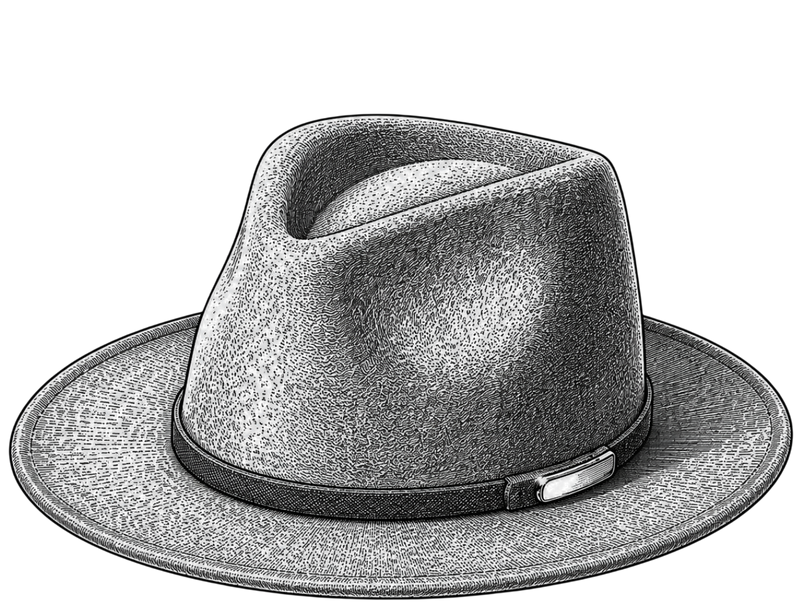
1. Short-to-Medium Brim Fedora
A fedora with a 5.5–6.5 cm brim and a moderate crown (6.5–8 cm) is the strongest hat choice for shorter men. The proportions are compact enough to read as balanced against a shorter frame. The structured silhouette adds definition without overwhelm.
Specifically avoid: Wide-brim fedoras (8+ cm) on compact frames. The hat visually dominates the body. The classic wide-brim fedora is one of the worst choices for shorter men despite its appeal.
Crown crease: A center-dent crease with moderate depth is more proportionate than an extremely tall or deeply creased crown. The teardrop crease (rounder) tends to read as more compact and balanced than the cattleman (with three sharp creases adding apparent height to the crown).
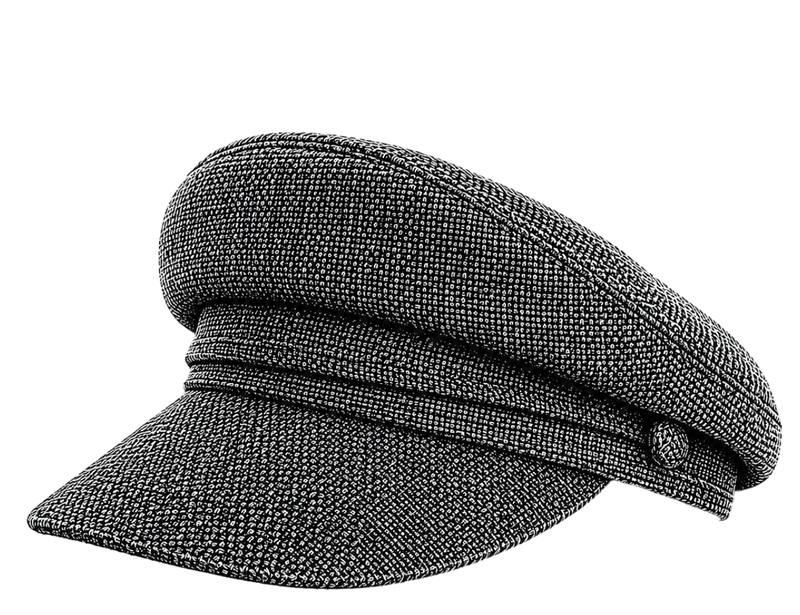
2. Flat Cap
The flat cap is well-scaled for shorter men. The low crown and compact brim add no visual bulk, do not create a top-heavy silhouette, and sit proportionately against a compact figure. Tweed or wool flat caps in darker tones add a grounding quality that complements a smaller frame without distracting from it.
The flat cap also has an advantage in outfit proportion — it scales correctly with shorter jacket lengths, cropped trousers, and fitted silhouettes that tend to work better on shorter frames than oversized or very long clothing.
3. Trilby
The trilby — taller, narrower crown, short fixed brim — is a counterintuitive strong choice for shorter men. The narrow brim does not add horizontal mass, and the taller crown creates the longest vertical line in the hat styles. Worn correctly, it adds a vertical emphasis without the scale problem of a very wide brim.
The qualification: a trilby requires confident, deliberate wearing. Its proportions read as sharp and specific — a trilby worn casually or without conviction reads as misplaced. For shorter men willing to commit to the aesthetic, it works strongly.
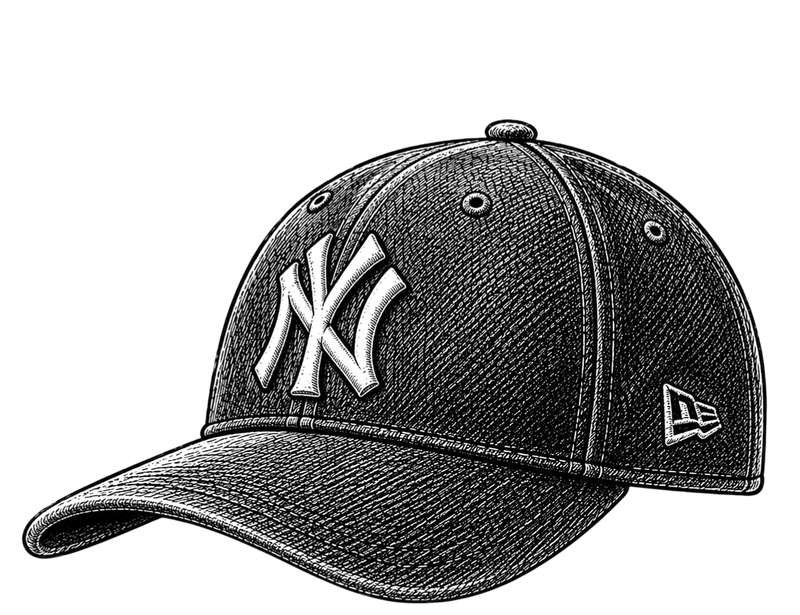
4. Baseball Cap (Structured)
A structured baseball cap with a moderate brim (7–8 cm) is well-scaled for shorter men in casual contexts. Avoid very long or curved brims that add horizontal mass. A fitted cap in the correct size sits proportionately — avoid oversized caps that add bulk at the crown level.
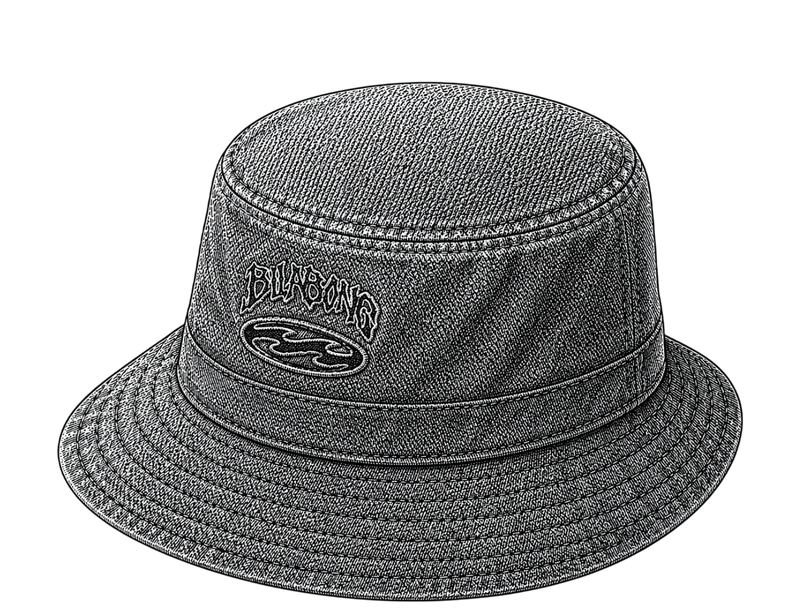
5. Bucket Hat (Medium Brim)
A bucket hat with a medium brim (5–6 cm) works well for shorter men. The softer crown keeps overall height modest. The all-around brim is balanced — no single direction adds excessive visual mass. Avoid very wide-brim bucket hats (8+ cm) that create an umbrella-like silhouette disproportionate to a compact frame.
What Actually Adds Perceived Height
Hat choice is a small variable in perceived height. The larger factors, in order of effect:
- Vertical outfit lines: Unbroken vertical from shoulder to shoe — no strong horizontal contrast at the waist or hip — creates the longest perceived vertical line regardless of hat choice. Monochromatic dressing or tonal dressing is more effective than any hat trick.
- Trouser length and shoe: Trousers that break correctly at the shoe and a shoe with a modest heel or sole thickness contribute more to perceived height than a tall hat crown.
- Fit: Clothing that fits the actual body — not oversized — keeps proportion coherent. Oversized clothing on a compact frame shortens the perceived silhouette.
- Posture: Posture changes perceived height more than any garment. A hat worn with confident posture reads differently than the same hat worn with a forward head position.
A hat chosen for correct proportion and worn with confidence contributes positively to the overall impression. A hat chosen to compensate for height and worn with self-consciousness does the opposite.
Brim and Crown Combinations to Avoid
- Wide brim + tall crown: Maximum visual bulk, worst proportion for compact frames. Classic wide-brim felt hats in this combination overwhelm a shorter figure completely.
- Very wide flat brim worn perfectly horizontal: Creates a strong horizontal break at head level that visually truncates the figure.
- Oversized hats in general: A hat that is physically too large — sliding down over the ears or brim covering eyebrows — always reads as disproportionate regardless of style.
Find compact, well-scaled fedoras, flat caps, and trilby styles in the Hatloom collection.
Frequently Asked Questions
Do taller hats make shorter men look taller?
Not meaningfully. A tall crown adds literal height to the hat, but the eye anchors at head level and the body below still reads as compact. The more significant effect is proportion — a crown too tall for the frame looks unbalanced, which draws attention to the height disparity rather than disguising it.
What brim width is best for shorter men?
5.5–7 cm is the most proportionate range for most shorter men. This range adds definition without creating the wide-horizontal-mass problem of larger brims. Narrow brims (4–5 cm, trilby range) also work well by minimizing horizontal emphasis entirely.
Should shorter men avoid wide-brim hats?
Wide brims above 7.5–8 cm are generally disproportionate for shorter, compact frames — the hat creates a horizontal mass that visually dominates the body rather than complementing it. In casual summer contexts, a medium wide-brim (6.5–7.5 cm) is acceptable. Very wide sun hats and Western-style brims above 9 cm are difficult to wear proportionately at shorter heights.
What hat style makes a shorter man look best?
A compact fedora (5.5–6.5 cm brim, 6.5–8 cm crown) or a flat cap are the most proportionate and easiest-to-wear hat styles for shorter men. The flat cap in particular is well-scaled for compact frames and works across casual to smart-casual contexts without proportion challenges.
Does hat color affect how tall a person looks?
Marginally. A hat in a color that contrasts strongly with the outfit creates a visual break at head level that can make the figure below appear more compact. A hat in a tone that harmonizes with the outfit — similar to the coat or jacket color — allows the eye to travel more continuously across the full figure. The effect is small relative to fit, posture, and vertical line in the clothing.