The running hat market is one of the most technically differentiated sub-categories in headwear -- but most of the technical complexity is poorly explained at point of sale. A runner choosing between a cap with 80 g/m2 fabric and one with 110 g/m2 fabric has no framework for understanding what that difference means in practice. Here is what the differences actually mean and which hat categories solve which outdoor sport problems.
What a Sports Hat Is Actually Solving
Before choosing a running or outdoor sports hat, identify the primary problem the hat needs to solve. Multiple problems require different hat types:
- Sun on the face: a hat with a forward-projecting brim. Brim length of 7+ cm provides meaningful face shade at midday sun angles above 45 degrees.
- Sun on the top of the head: any hat with a crown -- the brim alone does not protect the crown.
- Sweat management: a hat with a sweat-wicking interior band and breathable crown fabric.
- Warmth: a hat with insulating material (wool, fleece) rather than a vented cap.
- Rain: a waterproof or water-resistant shell on the crown; a stiff brim that channels water forward rather than onto the face.
- Wind: a hat with a secure fit mechanism (elastic band, adjustable closure, chin cord for cycling and hiking); brim design that does not create drag or sail effect.
The Running Cap
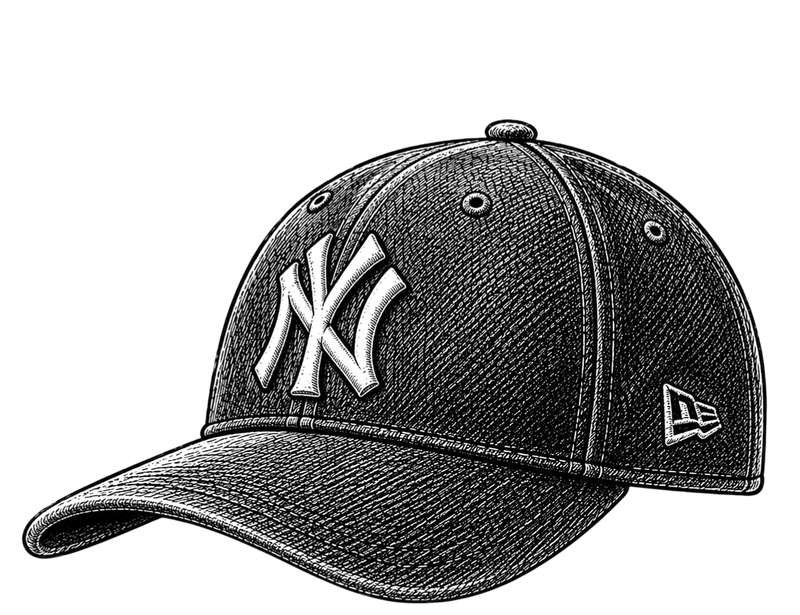
The structured running cap is the most common technical sports hat. Characteristics of a well-designed running cap:
- Weight: under 80 g. A heavy cap creates neck strain over long distances and traps heat.
- Crown ventilation: mesh panels (typically on the sides and back) allow convective airflow as the runner moves. A solid-crown cap in summer will increase core head temperature measurably compared to a vented equivalent.
- Sweat wicking band: the interior sweatband should be made from a hydrophilic wicking material (polyester microfibre or similar) that pulls sweat away from the forehead. A cotton sweatband retains moisture against the skin, which becomes uncomfortable over long distances and increases the risk of sweat dripping into the eyes.
- Brim stiffness: a running cap brim should be semi-rigid -- flexible enough to be stored (fold-flat designs exist), stiff enough to hold its horizontal orientation without drooping. A drooping brim obscures vision below eye level, which is relevant for trail running where ground conditions require looking down frequently.
- Reflective elements: any running cap used in low-light conditions benefits from reflective strips or panels -- a detail that is easy to check at purchase and can be critical to road safety.
The Trail Running / Hiking Cap
Trail running and hiking have additional hat requirements beyond the road running cap:
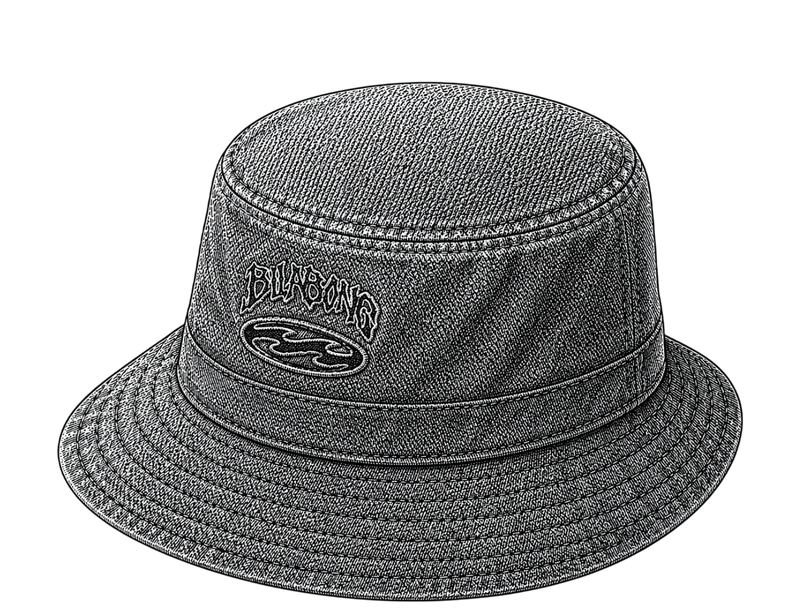
- Full brim (360-degree): for extended sun exposure from all angles (as happens when hiking at altitude or in open terrain), a cap that provides brim coverage only at the front leaves the sides of the face, ears, and neck exposed. A bucket hat design with a full brim, or a cap with neck-covering extensions, provides full circumference protection.
- Chin cord: at altitude or in exposed ridge-line terrain, wind speeds can be extreme. A hat with a chin cord (a cord attached to the interior brim that clips under the chin) prevents hat loss in conditions where removing hands from trekking poles to catch a hat is impractical and dangerous.
- UPF rating: the hat material should have a UPF (Ultraviolet Protection Factor) rating of 30 or higher for outdoor use in full sun. UPF 50+ provides the maximum rated protection. This information should be on the product label or specification sheet.
Cycling Caps
The cycling cap is a distinct category from general sports caps. Its design is optimised for a head-forward cycling position rather than an upright running or walking position:
- A short, stiff brim designed to be worn with the brim pointing forward (for road cycling aerodynamics) or flipped up (to accommodate a helmet).
- A thin, close-fitting crown that fits under a cycling helmet without creating pressure points.
- Minimal structure -- cycling caps are designed to be used under helmets, not as standalone sun protection.
For outdoor cycling without a helmet (not recommended for road use but common in casual cycling contexts), a structured sun cap with a longer brim provides the face shading that a standard cycling cap does not.
Golf Hats
Golf combines long sun exposure (4-5 hours for 18 holes) with specific social conventions. The technical requirements:
- A structured cap or bucket hat with significant brim projection (7+ cm front) for the face.
- Light-coloured or heat-reflective crown material to reduce heat absorption in sun exposure.
- A secure fit that does not require adjustment during the swing movement.
The bucket hat has become more accepted in golf contexts over the past decade, particularly in professional settings after prominent tour players normalised the style. Classic golf cap designs (structured cap with longer front brim and often a deeper front panel for sun blocking) remain the conventional choice.
Wide-Brim Sun Hats for Outdoor Work
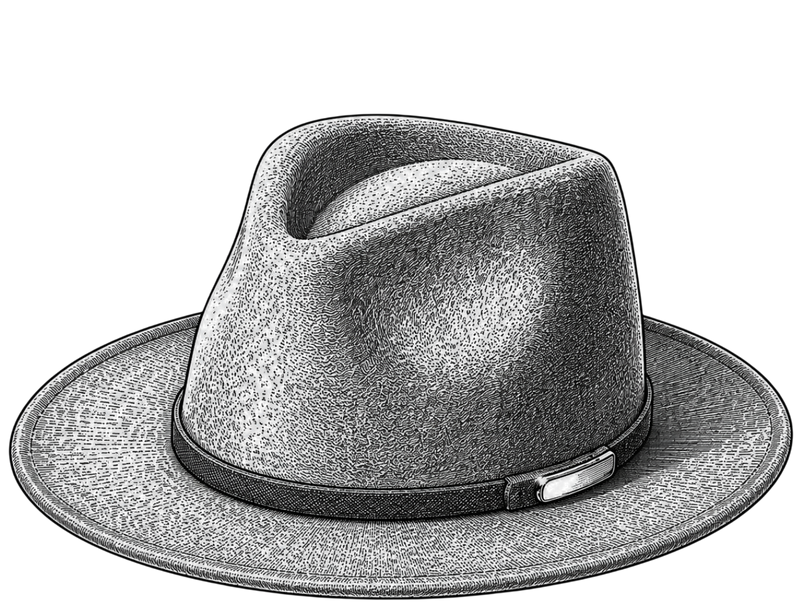
For extended outdoor work at slower pace (gardening, construction supervision, outdoor events), the wide-brim sun hat provides the most comprehensive protection. Key specifications for this use case:
- Brim width of 8-12 cm on all sides
- A UPF-rated material
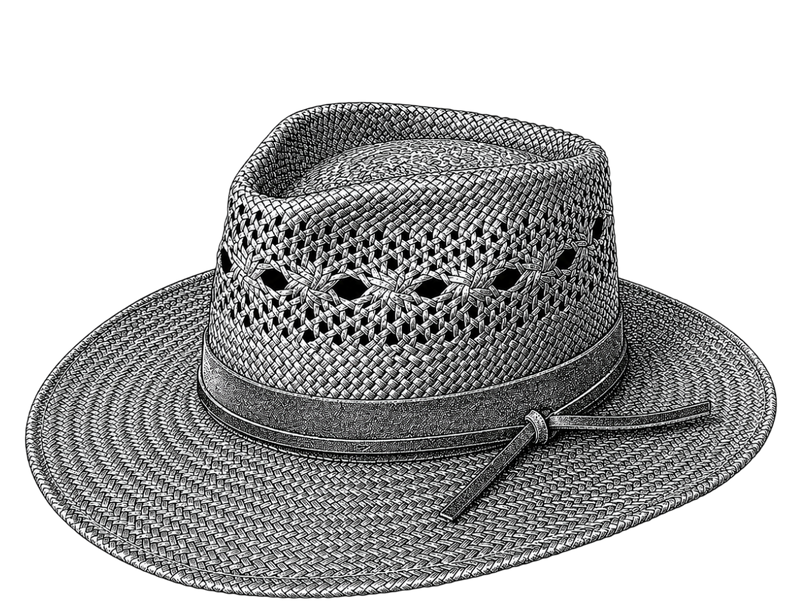
- A ventilated crown (most straw hats and many canvas-crown sun hats) to prevent heat accumulation
- A chin cord or adjustable band for security in variable wind conditions
Browse wide-brim and structured sports-capable hats at Hatloom.
Frequently Asked Questions
What is the best hat for running in summer heat?
A lightweight structured running cap with mesh side and back panels, a semi-rigid brim, and a polyester moisture-wicking sweatband. The mesh ventilation is the critical functional element for heat management -- it allows the air movement generated by running to directly cool the head. A solid-crown cap in summer heat can increase the temperature on the scalp by several degrees compared to a vented equivalent over the course of a long run. Colour: light (white, light grey, light blue) absorbs less solar radiation than dark colours, which is measurable in comfort over long duration sun exposure.
Can I wear a regular hat for running?
A regular unstructured hat or a cotton cap can be worn for short runs without significant functional penalty. Over longer distances, the limitations become practical: cotton holds sweat rather than wicking it, increasing the weight of the cap and the irritation of wet fabric against the forehead and hairline; an unventilated cap raises head temperature; and a cap not designed for movement may shift position or require adjustment during the run. For occasional short runs, a regular cap is fine. For consistent running use, a technical running cap is functionally better.
Is a bucket hat or a cap better for hiking?
For full-day hiking with significant sun exposure, a bucket hat (or wide-brim hiking hat) with a full circumference brim is functionally superior to a standard forward-only cap -- it provides shade coverage for the ears and the back of the neck, which a regular cap leaves exposed. The compromise is that a bucket hat has more air resistance and may be less comfortable in high wind without a chin cord. For shorter hikes or shaded trails, a standard cap is sufficient. For alpine, desert, or high-UV-exposure environments, the full-brim hat is the more protective choice.
What SPF or UPF does a hat provide?
Hat sun protection is measured in UPF (Ultraviolet Protection Factor). A standard woven straw hat provides approximately UPF 20-50 depending on weave density. A dense woven fabric hat with a UPF certification can provide UPF 50+. An unventilated, tightly woven hat provides better UV protection than a vented mesh cap, because the mesh panels allow UV through. For maximum protection: a wide-brim hat in a tightly woven UPF-rated fabric. A baseball cap with mesh panels provides significant face shade but lower UV protection on the top of the head where the mesh is present.
Should a running hat have a dark or light underside of the brim?
A dark underside (often green or black) on the brim of a running cap reduces glare from reflected light off the ground and from the light-coloured underside of the brim itself. On very bright days, a light-underside brim can create a secondary reflected-light source at eye level. Most technical running caps have dark undersides to the brim for this reason. This detail is worth checking at purchase if you run in high-glare conditions (snow, reflective pavement, water surfaces).