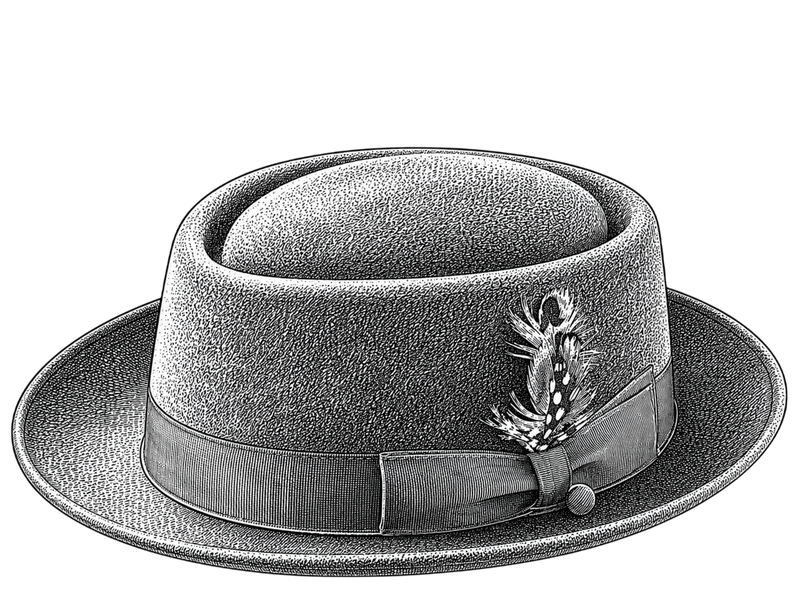
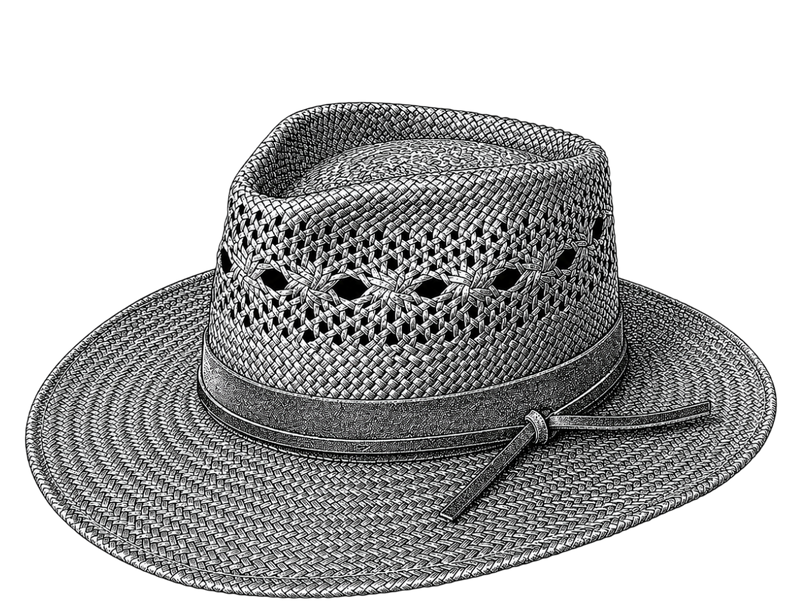
An oblong face — narrow, elongated, with roughly uniform width from forehead to jaw — is the face shape that most hat advice gets wrong. The standard recommendation is to add width. The problem is that adding width without structure creates a look that reads as visually heavy rather than balanced.
The real goal is creating the impression of proportion — shorter, wider, and more oval — through deliberate hat choices. Here is how.
Defining the Oblong Face Shape
An oblong (sometimes called rectangular or long) face has:
- Face height significantly greater than width — typically a 1.75:1 or greater ratio
- Roughly equal width at the forehead, cheekbones, and jaw
- Minimal tapering from top to bottom
- Sides that appear relatively flat rather than curved
Men with oblong face shapes include Adam Levine, Ben Affleck, and Adrien Brody. The shape reads as naturally angular and intense. The challenge with hats is preventing additional vertical emphasis — the wrong hat makes an already long face appear even more elongated.
The Core Principle: Horizontal Over Vertical
For oblong faces, hat strategy is the inverse of most other face shapes:
- Wider brims add horizontal emphasis — they visually widen the frame around the face
- Lower crown heights avoid adding more vertical length
- Flat tops and wide flat brims are more flattering than pinched crowns and narrow profiles
- Width at the brim should exceed or equal the face width — this creates the appearance of a more proportionate face-to-hat relationship
The risk to avoid: very narrow brim widths and very tall crowns together create a tall, narrow silhouette that emphasizes rather than corrects the oblong structure.
Best Hat Styles for Oblong Faces
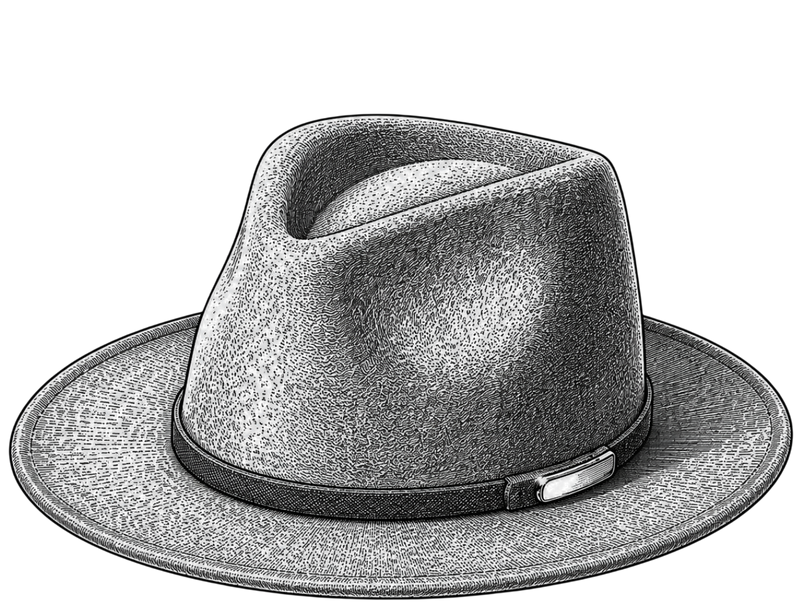
1. Wide-Brim Fedora — The Most Effective Choice
A fedora with a wider brim (7–9 cm) and a medium-to-low crown height is the strongest choice for an oblong face. The wide brim adds horizontal mass at eye level, visually widening the face profile. A center-dent crown kept at 6.5–7.5 cm avoids adding excessive vertical height.
What to look for: Brims worn flat or with a very slight angle rather than sharply snapped down — a flat brim maximizes horizontal emphasis. Wider bands (the ribbon around the crown) also add visual weight and width.
2. Boater Hat
The boater — a flat-crowned, flat-brimed straw hat — is technically the most geometrically suited hat for an oblong face. The flat top adds no height. The flat, straight brim at exact horizontal angle adds maximum width. The sharp right-angle geometry of the boater can look excellent on a strong, elongated face.
The boater is seasonal (summer, formal garden events) and reads as quite specific in style — it is not an everyday hat. But for the occasions it suits, it performs well on oblong faces.
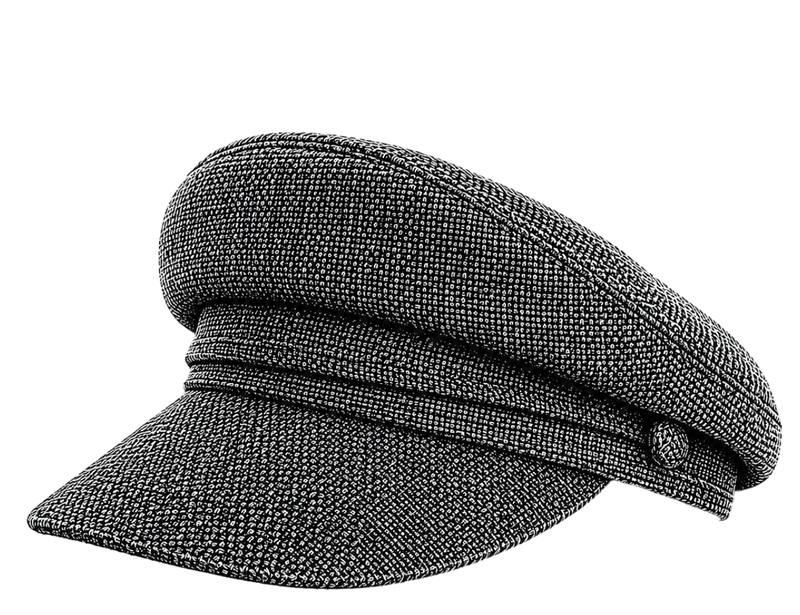
3. Flat Cap with a Wider Body
A flat cap with a more generously proportioned body — wider than it is tall — adds horizontal mass without height. The front brim creates some visual width. Choose flat caps with a rounded, fuller body rather than a very narrow, flat profile.
Wear it positioned forward rather than tilted back — pulling the brim forward brings it into the horizontal plane of the face more directly.
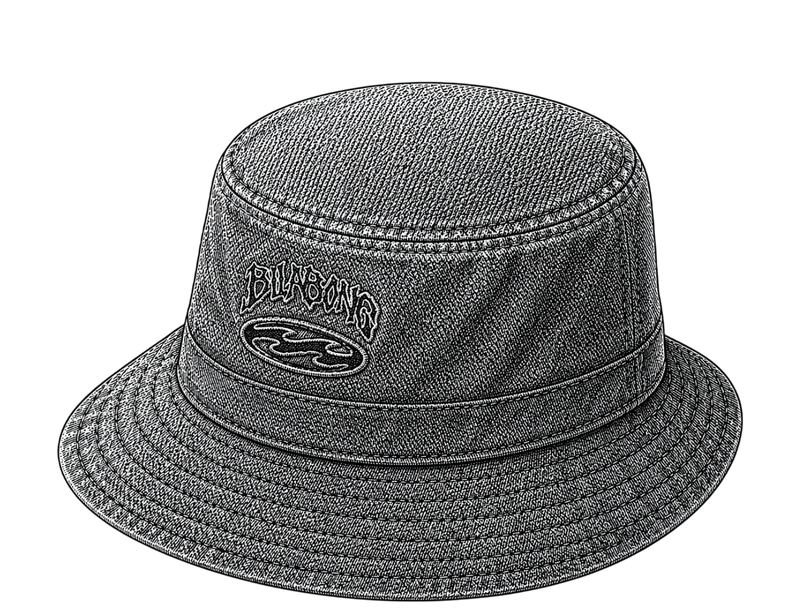
4. Bucket Hat (Medium-to-Wide Brim)
A bucket hat with a wider brim (7–8 cm all-around) adds horizontal mass consistently around the entire head perimeter. The soft crown keeps height low and avoids vertical emphasis. Medium and deep-crown bucket hats both work; avoid very shallow crowns that emphasize the narrowness of the face beneath them.
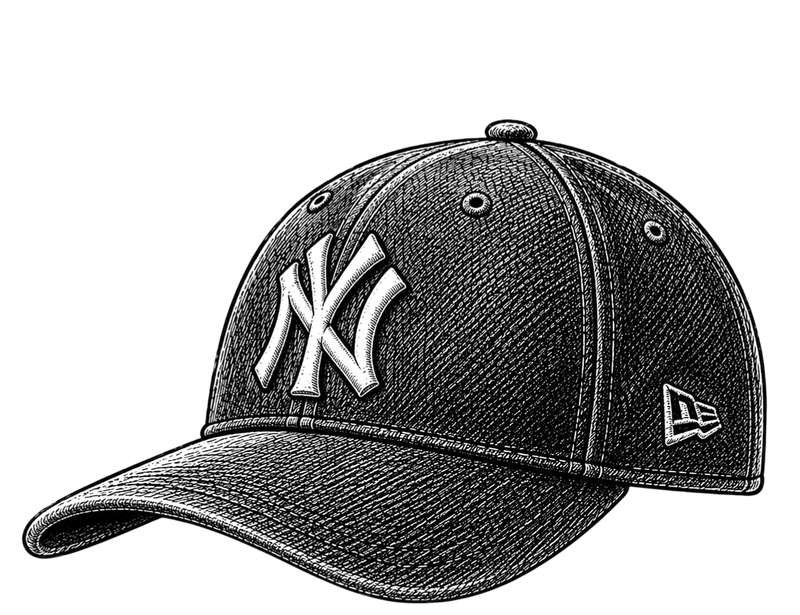
5. Baseball Cap (Worn Straight)
A baseball cap worn straight — brim horizontal, not tilted up or down — adds some horizontal width from the brim. Caps with structured, wide brims are more effective than narrow-brim versions. The limitation is that a baseball cap adds no real width correction — it is a neutral choice rather than a corrective one.
What to Avoid
- Very tall crowns. Any crown over 9 cm adds significant vertical emphasis to an already long face. Trilbies and high-crowned fedoras are the hardest styles for oblong faces to wear.
- Narrow brims (under 5 cm). A narrow brim adds no horizontal mass and leaves the elongated face fully visible without counterbalance.
- Pointy or triangular crown shapes. These create a downward V-shape above the face that draws the eye upward and increases the apparent length of the face.
- Hats worn very far back on the head. This position exposes the full length of the face and forehead, emphasizing the elongated proportions. Wear hats slightly forward or level.
Crown Height and Brim Width Reference
Crown height guide for oblong faces:
- Ideal: 5.5–7.5 cm — adds minimal vertical height, keeps proportions in balance
- Acceptable: 7.5–8.5 cm — moderate height, works with wider brims as counterbalance
- Avoid: 9 cm+ — elongates the face profile significantly
Brim width guide for oblong faces:
- Ideal: 6.5–9 cm — provides horizontal emphasis that widens the visual frame
- Acceptable: 5.5–6.5 cm — moderate correction, works for casual use
- Avoid: under 5 cm — adds no width correction and leaves the elongated profile unchecked
Wearing the Brim Flat vs. Angled
For oblong faces specifically, a flat brim — worn parallel to the ground rather than snapped at an angle — is more flattering. The flat angle maximizes horizontal emphasis. A sharply snapped brim creates a diagonal that adds visual interest but reduces the horizontal mass needed to balance a long face.
The exception: a single-side snap (one side down, one side up) creates asymmetry that can break the visual monotony of a perfectly symmetrical oblong face in a flattering way. Experiment with this if the strict flat approach feels too static.
Explore fedoras, bucket hats, and wide-brim styles suited to oblong face shapes in the Hatloom collection.
Frequently Asked Questions
What is the best hat for an oblong face?
A wide-brim fedora (7–9 cm brim) with a medium-low crown (6.5–7.5 cm) is the most effective choice. The wide brim adds horizontal emphasis that visually widens the face frame, while the moderate crown avoids adding further vertical height to an already elongated face.
Should men with oblong faces avoid trilby hats?
Yes, generally. A trilby combines a tall crown with a very narrow brim — both elements add vertical emphasis, which is the opposite of what an oblong face needs. The trilby is the single least flattering hat style for oblong faces.
Do flat caps work for oblong faces?
Yes, when chosen correctly. A flat cap with a generously proportioned, wider body adds horizontal mass without height. Wear it positioned slightly forward. Avoid very narrow or flat-profiled flat caps that add no width.
How do I know if my face is oblong or oval?
Oblong faces have uniform width from forehead to jaw with minimal variation — the face appears as a tall rectangle with slightly rounded corners. Oval faces have a noticeably wider cheekbone relative to forehead and jaw, creating a more egg-shaped profile. Oblong faces are longer relative to their width (1.75:1+) compared to oval (roughly 1.5:1).
What brim width works best for a long face?
6.5–9 cm is the most effective range. Brims in this width create genuine horizontal visual mass at eye level that counterbalances the face length. Brims under 5 cm add no meaningful correction; brims over 10 cm can become difficult to wear practically in everyday situations.