Most festival hats fail by day two. The straw brim folds from a crowd bump. The felt darkens from rain and sweat. The structured crown gets crushed in a tent bag. What you choose to wear on your head at a multi-day outdoor event is a functional decision as much as a style one.
This guide is built around that reality.
The Festival Environment: What Hats Actually Face
Before choosing a style, understand the conditions:
- Heat and direct sun: Often 6–10 hours of exposure per day. UV protection is a legitimate health concern, not a secondary consideration.
- Crowd density: Brims get bumped, knocked, and compressed. A hat that requires careful handling is a liability in a crowd.
- Variable weather: Most multi-day festivals encounter at least one rain period. What happens to your hat when it gets wet determines whether you have a hat on day three.
- Camping storage: Hats get placed in bags, under sleeping bags, and in tent corners. Structured hats rarely survive this without damage.
- Sweat volume: High ambient temperature plus physical activity equals significant sweat accumulation. The sweatband is under sustained stress.
The Hierarchy: What Works, What Does Not
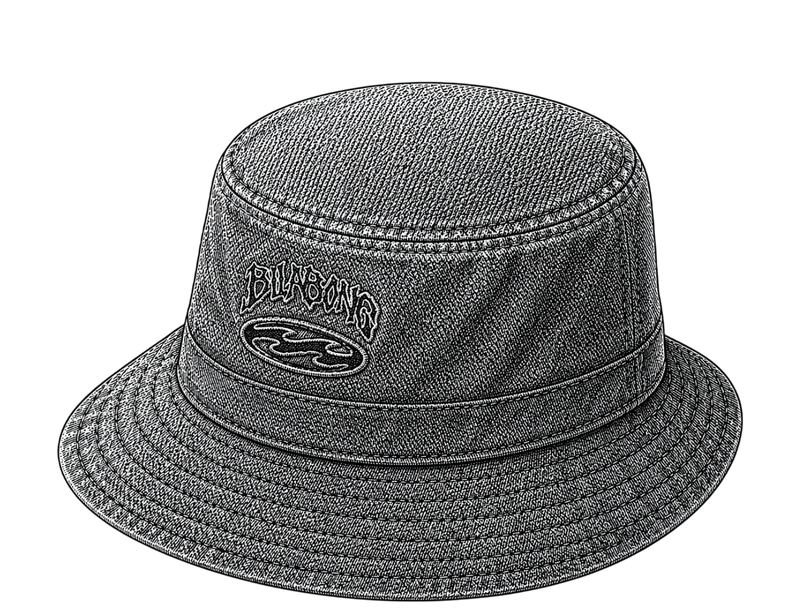
1. Bucket Hat — The Functional Standard
The bucket hat is the festival default for a reason. The all-around brim provides consistent sun protection in all directions. The soft construction survives crowd contact and bag storage without permanent damage. It can get wet and dry out without shape loss. The sweatband is easy to rinse.
What to look for: Packable construction (should fold flat into a pocket), UPF-rated fabric for UV protection, a sweat-wicking inner band, and a chin strap or tie for high-wind and crowd-surge situations.
Style range: Solid neutrals (tan, olive, black, white) are the most versatile and photograph well. Bold prints are a legitimate festival choice — the context supports more expressive styling than everyday wear.
2. Wide-Brim Sun Hat — Maximum Protection
A wide-brim hat (8–11 cm brim) provides the best sun protection of any festival hat style. The full circumference brim shades face, neck, and ears consistently — areas that accumulate significant UV exposure over a full festival day.
The trade-off: Wide brims are vulnerable to crowd damage and awkward in dense standing areas. Best for festivals where you have space around you — field stages rather than barrier positions.
Choose: Packable or crushable construction. A hat that cannot be folded flat is impractical for camping. Natural straw in dry conditions; technical fabric if rain is likely.
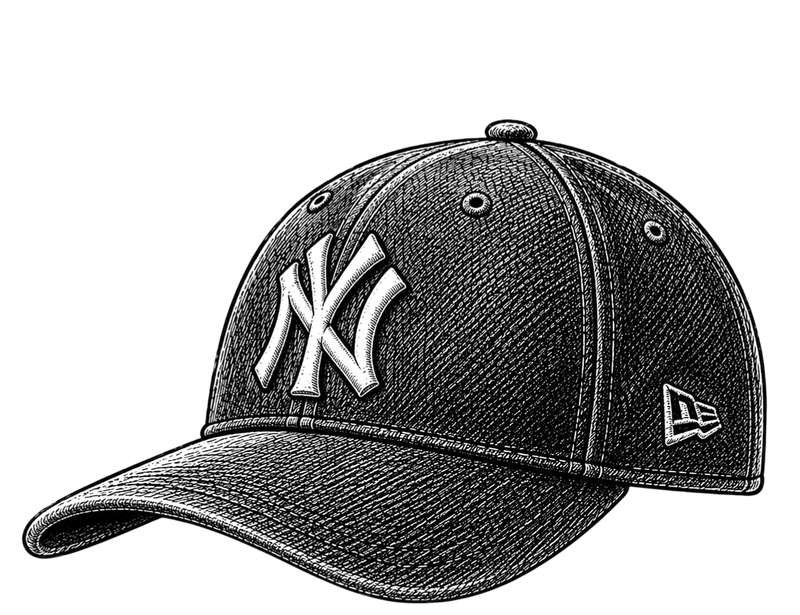
3. Baseball Cap — Practical, Limited
The baseball cap is the lowest-friction festival choice — compact, packable, and resilient. The limitation is coverage: a cap provides face shade only, leaving ears and the back of the neck exposed during all-day outdoor use.
For short festival days or indoor-heavy events, this is adequate. For full-day outdoor exposure across multiple days, the lack of neck and ear coverage is a genuine health consideration.
Choose: Technical fabrics with moisture-wicking and UPF rating over standard cotton. A snapback allows size adjustment if the hat gets wet and loses shape temporarily.
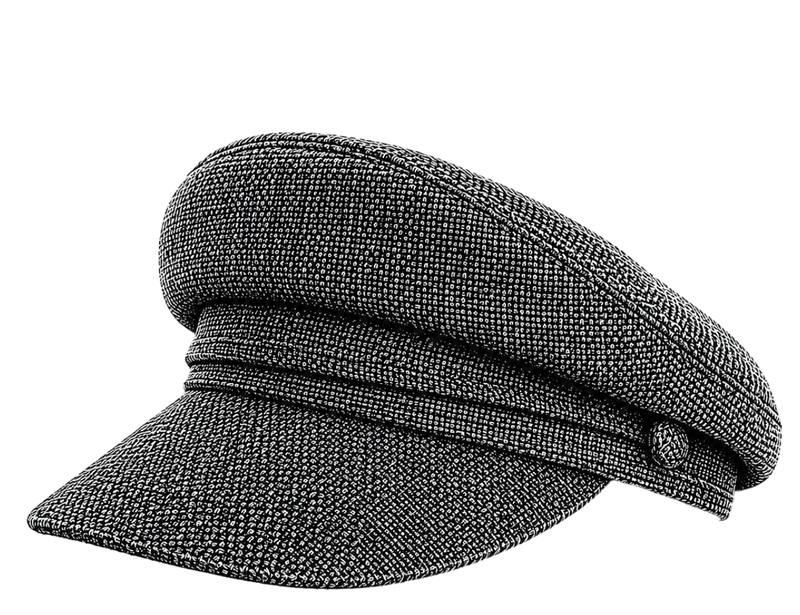
4. Flat Cap — Best for Shoulder Seasons
At festivals in spring or autumn — Glastonbury, Green Man, most northern European events — warmth is often as relevant as sun protection. A tweed or wool flat cap provides warmth, handles light rain reasonably well, and packs without damage.
The brim is too short for meaningful sun protection, but in overcast British and northern European festival conditions, sun protection is rarely the primary concern. Flat caps in waxed cotton offer added shower resistance.
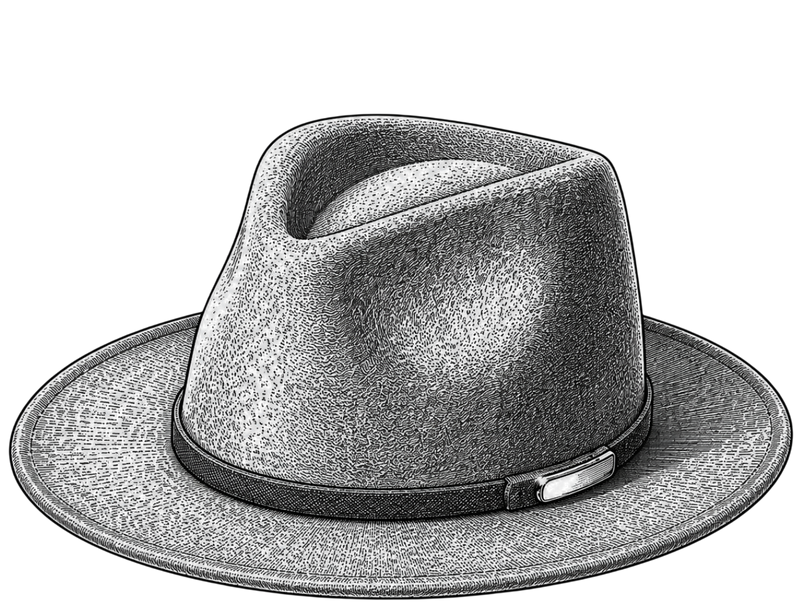
5. Straw Hat (Structured) — Visually Striking, Fragile
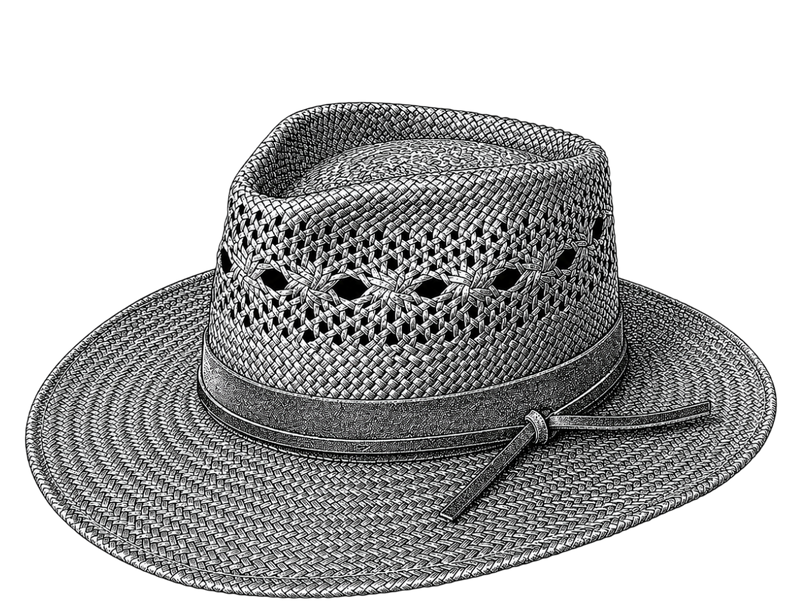
A wide-brim straw fedora or boater makes a strong visual statement at a festival. The material is breathable and naturally UV-resistant. The problem is durability: natural straw brims crack from crowd contact, and saturated straw loses shape permanently.
If you choose a straw hat for a festival: treat it with water-repellent spray before attending, avoid wearing it in dense crowd areas, and have a backup option for rain. A straw hat is a day-one statement choice for many wearers, not a through-the-weekend functional item.
What to Avoid
- Rigid structured hats with no packability: Felt fedoras, homburgs, and structured dress hats do not belong in festival bags. They will be damaged, and the conditions do not call for them.
- Hats that are too large for your head: A hat that sits loosely will be lost or constantly adjusted in crowd situations. Secure fit matters more at festivals than in any other context.
- Hats with large, outward-extending brims in crowd areas: A brim wider than 9–10 cm in a dense standing crowd becomes a liability — you will either damage the hat or annoy the people behind you.
- Novelty hats: Top hats, animal ears, inflatable hats — these are festival specific and belong in their own category. They rarely provide sun protection and are not designed for sustained outdoor use.
The Chin Strap Question
At events with significant crowd density or wind — outdoor stage areas, open fields — a chin strap is genuinely useful. A hat lost in a festival crowd is rarely recovered. The chi strap converts a variable from a liability into a non-issue.
Choose hats with removable chin straps: on when needed (windy, crowded), removed when not (sitting, eating, enclosed areas).
After the Festival: Hat Recovery
Sweat, sun, and variable weather take a toll. After a multi-day event:
- Wipe the sweatband immediately with a barely-damp cloth to prevent salt buildup from setting
- Air dry completely before storage — never store a damp hat in a bag or box
- For bucket hats and technical fabric hats: rinse the interior by hand, reshape, and air dry
- Inspect the brim for any stress creases or damage while still slightly damp — reshape at this point, not after drying
Browse packable, durable, and sun-protective hats built for active outdoor use in our bucket hat collection and full range.
Frequently Asked Questions
What is the best hat for a music festival?
A packable bucket hat with UPF-rated fabric is the most functional festival hat for most conditions — it handles sun, light rain, crowd contact, and bag storage better than any structured alternative. Wide-brim sun hats provide better UV protection but require more care in dense crowds.
Will my straw hat survive a music festival?
With care: possibly. Treat it with water-repellent spray beforehand. Avoid wearing it in very dense standing areas where brim contact is inevitable. Have an alternative for confirmed rain. A natural straw hat is a statement choice for a festival, not a durable through-the-weekend workhorse.
Should I bring a backup hat to a festival?
For multi-day events: yes. A packable backup — a bucket hat or baseball cap that fits in a bag pocket — costs little space and provides insurance if your primary hat is damaged, lost, or simply too wet to wear comfortably on day three.
How do I keep my hat on in a crowd?
Correct fit is the first defense — a hat that fits properly resists displacement better than a loose-fitting one. A chin strap is the reliable solution for windy outdoor stages and dense crowd situations. Some wearers use hat pins to secure structured hats to hair, though this is more effective for lighter hat styles.
What color hat works best at festivals?
Practically: light colors (white, cream, tan, natural straw) reflect solar radiation and keep the head cooler in direct sun. Dark colors absorb heat. For photography and crowd visibility, light neutrals or bold solid colors perform better than busy patterns that photograph indistinctly. That said, festival contexts are one of the few occasions where expressive pattern choices are fully contextually appropriate.