Curly hair and hats have a specific relationship that straight-hair hat advice does not address: curly hair has volume, defined shape, and a personality of its own that any hat must coexist with rather than ignore. The hat-selection challenge for curly hair is not about finding hats that suit the face shape — it is about finding hats that work with the hair architecture as a whole.
How Curly Hair Changes Hat Dynamics
Curly hair creates three specific challenges that straight or wavy hair does not:
- Volume at the crown: Significant curly hair can add 3–6 cm of effective volume above the bare scalp. A hat sized to the bare head will not fit over the hair, or will sit high and perch rather than sit. Structured fitted hats are hardest to wear; soft-construction hats accommodate more variation.
- Volume at the sides: Curly hair often extends as much horizontally as vertically. This creates visual mass at the sides of the hat — a hat brim that works proportionately with straight hair can look lost against wide side volume.
- Hair behavior under and after the hat: Some curly hair styles are disrupted by hat wearing — the hat compresses and deforms the curl pattern at the crown. After hat removal, the crown shows a flat area (hat hair) while the sides remain full. This is more visible on defined curl patterns than on wavy or loose curls.
The Sizing Principle
For curly hair worn natural (not compressed or gathered), measure head circumference with the hair in its natural wearing state — not with hair flat or combed against the scalp. The effective circumference is what matters for hat fit, and that includes the hair volume.
Most men with significant natural curl volume need to size up 1–2 hat sizes from their bare-head measurement. For adjustable hats, size generously and adjust. For fitted hats, this sizing reality means fewer hat types are practical without gathering the hair first.
Best Hat Styles for Curly Hair
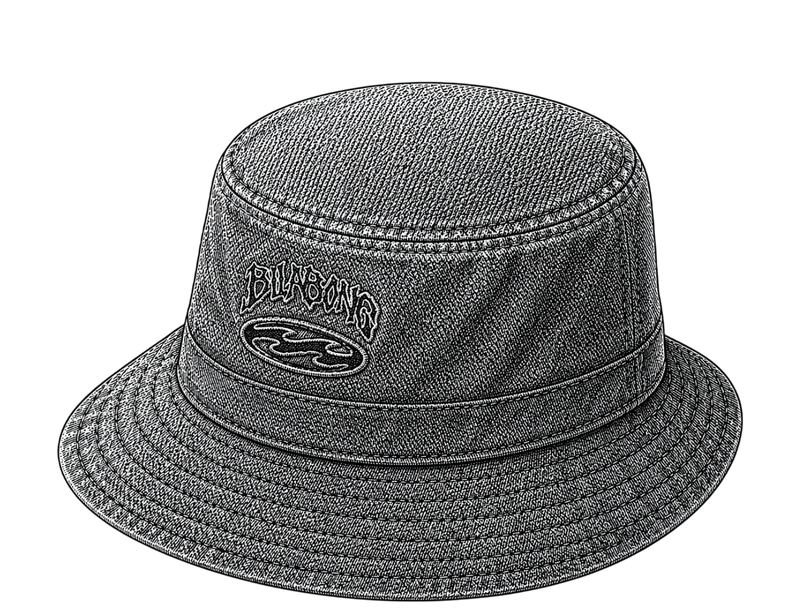
1. Bucket Hat — The Strongest Practical Choice
The bucket hat is the most curly-hair-compatible hat style. The soft construction accommodates crown volume without requiring precise sizing. The all-around brim provides coverage without interacting negatively with side volume. The hat sits on top of the hair rather than needing to contain it.
In wider brim versions (6.5–8 cm), the bucket hat brim adds horizontal emphasis that balances wide side volume — it extends the visual frame of the hat to match or exceed the hair width, preventing the hat from looking overwhelmed by the curls below it.
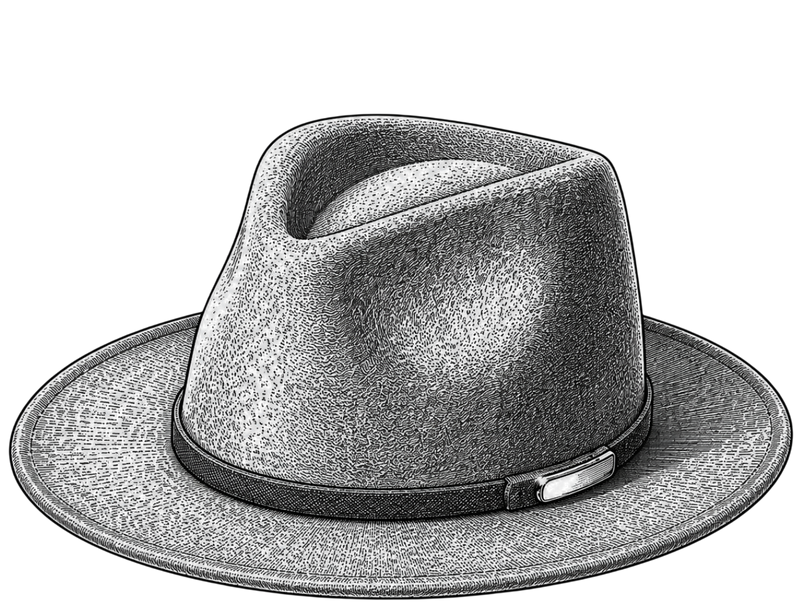
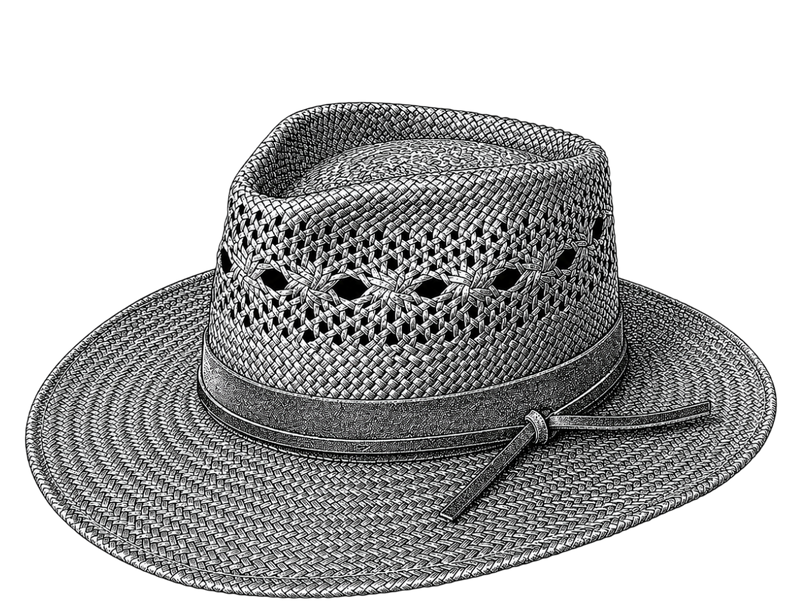
2. Wide-Brim Fedora (Generous Sizing)
A wide-brim fedora in an adjustable size or a size above normal can work strongly with curly hair worn loose. The wide brim needs to be proportionate to the hair volume — a narrow-brim fedora on a significant curl volume looks lost. A brim of 7.5–9 cm creates a horizontal frame that relates properly to the hair width.
The key consideration: the fedora should sit at the correct crown position, not perch above the hair volume. This means either sizing up to accommodate the hair, or gathering the hair into a low position before putting the hat on.
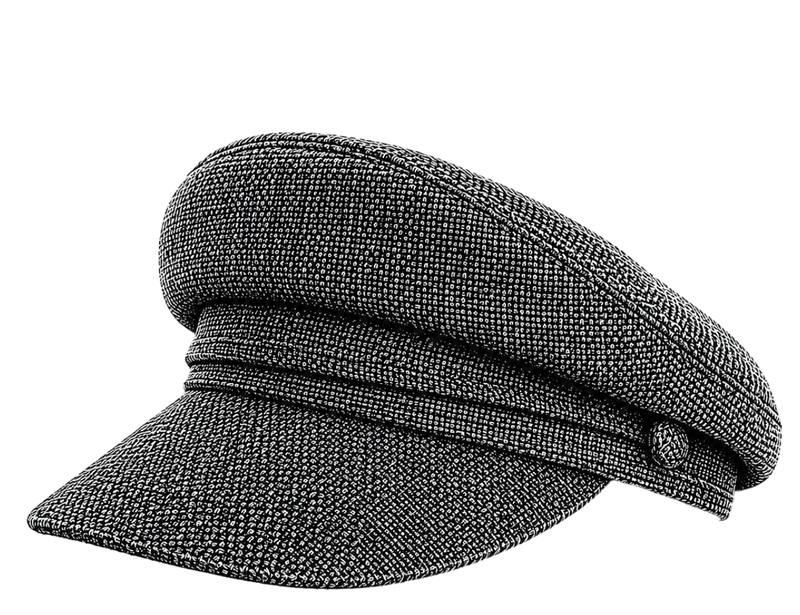
3. Flat Cap — Requires Hair Gathering
A flat cap on natural high-volume curly hair is difficult without gathering the hair first. The close-fitting construction cannot accommodate significant crown volume — the cap perches rather than sits, and the side volume looks asymmetric with the cap's controlled silhouette.
Flat cap and curly hair works strongly when the hair is gathered or compressed before wear — a low natural, a flat-top shape worn under the cap, or hair gathered at the nape. The contrast between the structured cap and the curly hair visible below can be a strong visual combination when intentionally arranged.
4. Beanie (Natural Hair Under or Gathered)
A beanie in winter contexts accommodates curly hair in two distinct ways:
- Hair under the beanie: The beanie stretches over the hair volume. Works best with a slightly oversized or very stretchy beanie. The crown area is fuller and the beanie sits higher — this is a different look than the same beanie on straight hair, not necessarily worse.
- Hair out from under the beanie: The beanie sits on the top of the head (pineapple position) with curls emerging below. This is a specific and strong aesthetic when executed intentionally with a well-fitting beanie and a defined curl pattern.
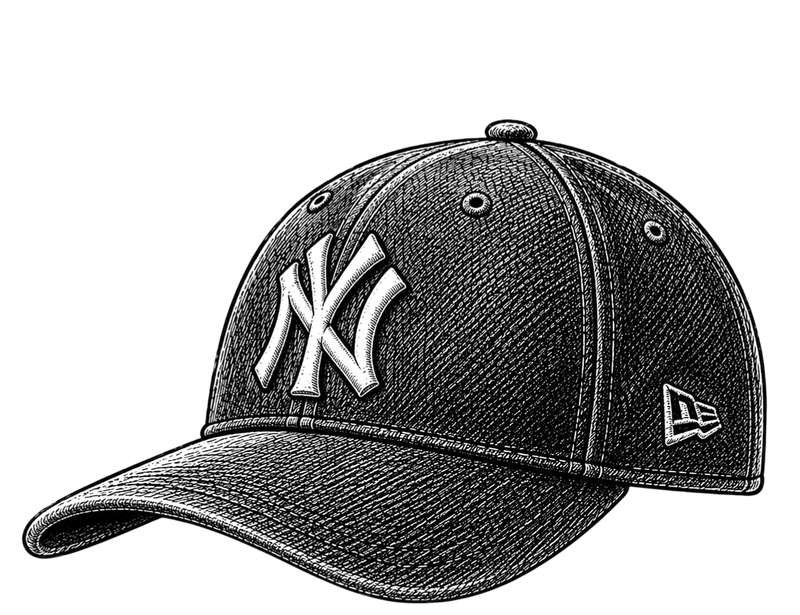
5. Baseball Cap — Best With Gathered or Compressed Hair
A baseball cap worn over natural volume curly hair works when sized generously. The side hair escapes at the rear of the cap, which creates a different silhouette than straight hair but can work well. Structured caps (with rigid front panels) handle the crown volume better than unstructured dad caps, which collapse and deform under the hair pressure.
A snapback worn with hair in a low ponytail through the rear opening is the most practical baseball cap approach for longer curly hair.
Hair Gathering Options That Unlock More Hat Styles
Many hat styles that do not work with natural-volume curly hair work well when the hair is gathered before wearing:
- Low natural or twist-out compressed: Compressing the natural curl pattern before wearing allows structured hats to sit at the correct head position
- Low bun or puff at the nape: Concentrates the volume at the rear and bottom, away from the hat crown position, making most hat styles viable
- Pineapple (high gathered puff): Works with beanies and some bucket hats that accommodate the height, but conflicts with any hat that needs to sit on the crown
- Twist-out under a bonnet before hat wearing: Defines the curl pattern while keeping it compressed for hat compatibility, then re-emerges when the hat is removed
Proportion: The Wider Brim Principle
The single most useful rule for curly-haired men choosing hats: the brim should be proportionate to the total visual width of the head-and-hair system, not just the head alone.
Curly hair worn natural at moderate volume (3–5 cm on each side) expands the effective face frame width by 6–10 cm total. A hat brim that is proportionate for a straight-hair silhouette may be too narrow to visually relate to the wider curly-hair frame. Going wider in brim width — from a moderate 6 cm to a broader 7.5–8.5 cm — creates better visual proportion between hat and hair.
Find wide-brim fedoras, bucket hats, and flexible-fit styles in the Hatloom collection.
Frequently Asked Questions
What hat style works best for curly hair?
The bucket hat with a medium-to-wide brim (6–8 cm) is the most practically compatible hat for curly hair worn natural — the soft construction accommodates volume without precise sizing, and the all-around brim relates proportionately to wider side volume. Wide-brim fedoras work well with hair gathered or when sized generously.
How do I wear a hat with natural curly hair?
For soft-construction hats (bucket hats, beanies): wear hair natural and size generously. For structured hats (fedoras, flat caps): either size up 1–2 sizes to accommodate hair volume, or gather the hair low before wearing. The goal is the hat sitting at the correct head position rather than perching above the hair.
Will hats damage curly hair?
Hat wearing compresses the curl pattern at the crown, causing hat hair — a flat area where the hat sat. This is temporary and reverses with moisture or refreshing. To minimize the effect: wear satin-lined hats when possible (satin reduces friction that disrupts curl pattern), or wear a satin bonnet under outdoor hats in cold weather. Re-wet and scrunch curls after hat removal to restore definition.
What hat size do I need for curly hair?
Measure with your hair in its natural wearing state — the measurement you need is with the hair volume that will be present when wearing the hat. Men with significant natural volume typically need to size up 1–2 hat sizes from their bare-head measurement. For adjustable hats, start with a larger size range and adjust. For fitted hats, precise measurement with hair in state is essential.
Can men with very tight coils (4C hair) wear structured hats?
With accommodation. Very tight coil patterns generate the highest volume of any curl type and cannot typically be compressed into a structured fitted hat without gathering. The practical approaches are: wearing the hair in a gathered low natural before putting on a structured hat, choosing adjustable-fit structured hats in the largest available size, or defaulting to soft-construction hats (bucket hats, beanies) that work with rather than against the hair volume.