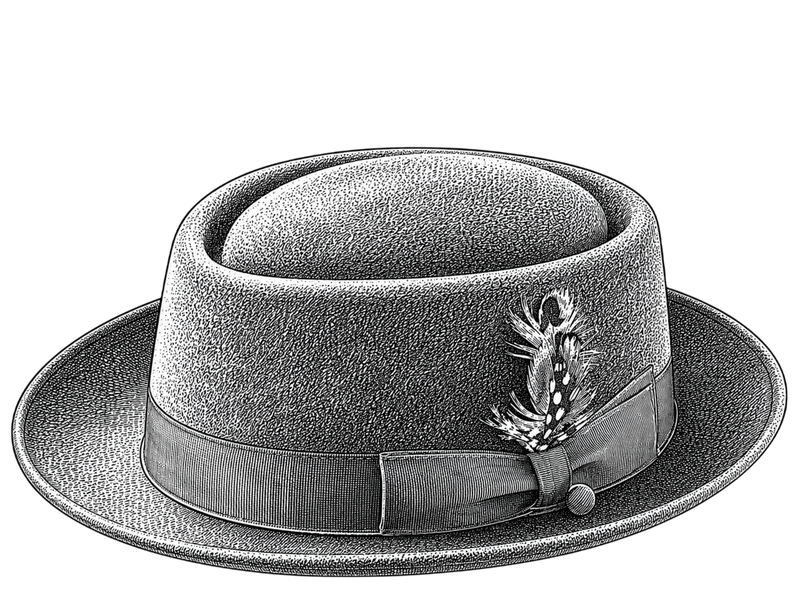
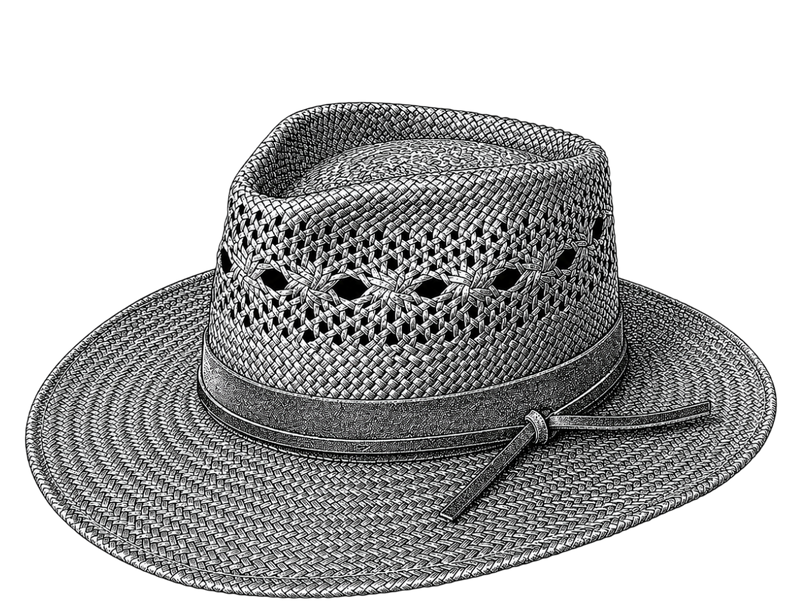
A beard changes the face proportions that hat-wearing rules are calibrated against. The standard hat guides for face shapes -- oval, round, long, square -- are written for unbearded faces. A beard adds visual mass at the jaw and chin, extends the lower face, and introduces texture at the face perimeter. None of this is addressed in standard hat guides. Getting hat proportions right with a beard means recalibrating the standard advice.
How a Beard Changes Hat Proportion
A beard affects three things that matter for hat choice:
- Apparent face length: A beard extends the visual lower boundary of the face downward. A short beard adds 1-2 cm of apparent face length; a long beard adds significantly more. This changes the effective face length that the hat must work with -- a round face with a full beard is no longer simply a round face for hat-fitting purposes.
- Visual weight distribution: A beard adds visual weight at the lower face and jaw. This lower-face weight changes the visual balance between the hat (upper zone) and the face (middle and lower zones). Hats that might appear proportionally dominant on a clean-shaven face can appear more balanced against a bearded face because the beard provides visual weight to counterbalance the hat.
- Texture at the face perimeter: A beard introduces texture and shadow at the jaw and cheek area. This texture changes the visual relationship between the face and the hat above it -- a smooth felt hat against a textured beard creates a deliberate material contrast; a rough or textured hat continues the textural quality of the beard.
Beard and Face Shape: Adjusted Hat Recommendations
Round Face With Beard
A round face with a short beard is still a round face -- the beard adds jaw definition that the round face lacks, but a short beard at the jawline does not significantly extend the face length. Standard round-face hat advice applies (tall crown, medium-to-wide brim, asymmetric brim styling).
A round face with a full, longer beard is effectively a different face shape. The beard extends the lower face and adds jaw definition -- the effective face shape moves toward oval or even diamond. A hat with a full, round-faced beard benefits from less aggressive height-adding than an unbearded round face requires, because the beard is already adding lower-face length.
Square Face With Beard
A square face has strong jaw angles. A beard on a square face can soften the jaw angles (a rounded or faded beard) or emphasize them (a squared beard line). Hat choice depends on which beard approach:
Beard that softens the jaw: The face reads as less square. The hat choice relaxes from the standard square-face angular-hat recommendation -- softer, more rounded crown shapes become appropriate.
Beard that maintains square jaw line: The angular-favoring hat advice for square faces applies: angular crown crease, medium brim with asymmetric styling.
Long Face With Beard
A long face is already vertically dominant. A beard extends the face further downward. The standard long-face hat advice (wide brim, low crown) remains correct but becomes more important because the beard is adding to the face length rather than compensating for it. Wide-brim hats that might be marginally appropriate for a long face become strongly recommended for a long face with a full beard.
Oval Face With Beard
Oval is the most adaptable face shape for hats. With a beard, the already-balanced oval moves slightly toward diamond (more angular jaw, defined lower face). The hat freedom of the oval face is preserved -- most styles work. The beard's lower-face weight allows slightly taller crowns than the standard oval advice because there is now visual weight below the hat to balance additional crown height.
Beards and Specific Hat Styles
Fedora With Beard
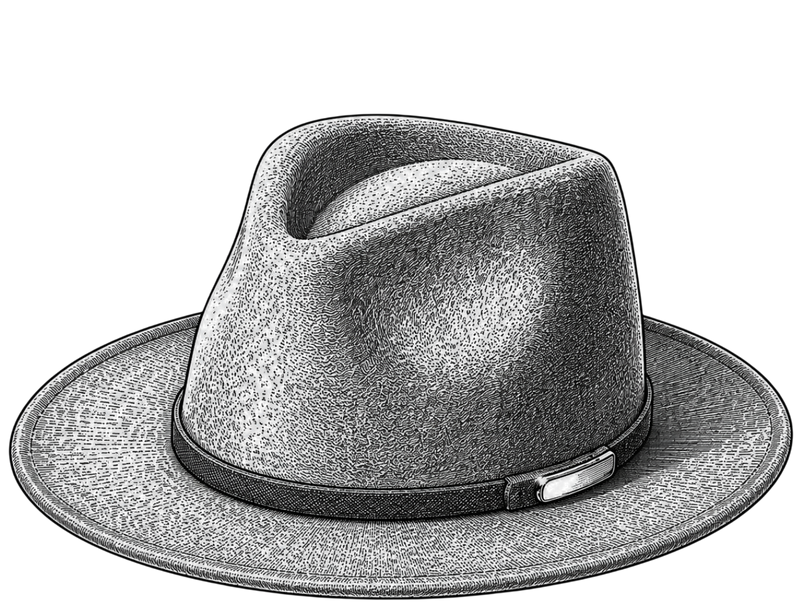
The fedora-and-beard combination is one of the most coherent hat-and-facial-hair pairings because both elements are deliberately chosen style additions that signal the same thing: the wearer is making conscious style decisions. The key proportion concern is hat size relative to face and beard: a medium-brim fedora (6-8 cm) with a short-to-medium beard reads as calibrated and deliberate. A very narrow-brim trilby with a very full beard creates visual imbalance (small hat above large beard). Scale both elements to approximately similar visual weight.
Flat Cap With Beard
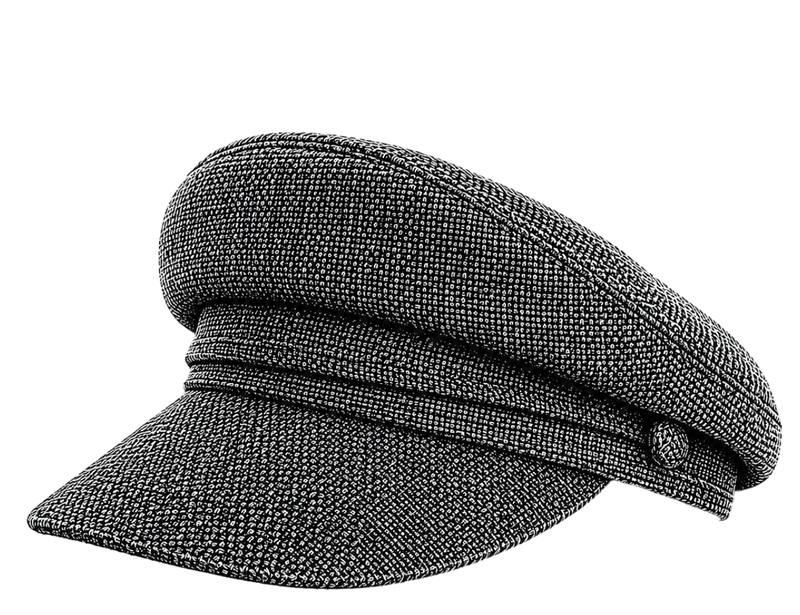
The flat cap with a beard has a specific heritage reference -- this is a combination with deep roots in British and European working-class tradition. A wool flat cap with a full beard and casual clothing is a well-established visual combination that requires no special coordination. The proportion is typically good because the flat cap's compact profile and the beard's compact face coverage occupy non-competing visual zones.
Wide-Brim Hat With Beard
A wide-brim hat (cowboy hat, wide-brim felt hat, wide Panama) with a full beard creates a very dominant visual combination -- the wide brim above and the full beard below bracket the face between two strong visual elements. This reads as maximally committed to a style identity and requires the clothing between them to not compete. Keeping the outfit simple (solid colors, minimal print or pattern) allows the hat-beard bracket to be the deliberate focal point rather than one element of a busy appearance.
Texture Coordination
The material texture of a hat and the texture of a beard are in visual dialogue. A few principles:
Similar textures read as organic unity: A rough-nap felt hat with a textured beard -- both are fiber-based, both have similar visual grain. The combination reads as a unified sensibility.
Contrasting textures create deliberate contrast: A smooth, fine-nap rabbit felt fedora against a full, textured beard creates a deliberate surface contrast -- the hat refinement against the beard's natural quality. This is a specific style choice with its own coherent character.
Avoid competing roughness: A coarse, low-quality felt hat that appears rough against a rough beard creates visual competition without the deliberate-contrast benefit. Both textures fight for prominence without either winning.
Find well-proportioned felt fedoras, flat caps, and wide-brim styles in the Hatloom collection.
Frequently Asked Questions
What hat looks best with a full beard?
Hats that provide visual mass at the upper face proportional to the mass the beard provides at the lower face. A wide-brim fedora, a cowboy hat, or a quality flat cap all provide enough visual weight in the upper zone to balance a full beard in the lower zone. Narrow-brim styles (trilby, small baseball cap) can appear disproportionately small against the presence of a full beard. The general rule: full beard warrants a hat with presence -- not necessarily large, but defined and intentional.
Can men with beards wear any hat?
Yes, with proportion calibration. The main adjustment is ensuring the hat's visual weight is appropriate relative to the beard's visual weight. This is more a proportion concern than a prohibition -- no hat style is categorically wrong with a beard. The combinations that require the most attention are very full beards with very small or narrow-brim hats, where the proportion imbalance is most visible.
Does beard color affect hat choice?
Beard color creates a color zone at the lower face that affects the overall color palette of the head-and-face appearance. A dark beard paired with a hat color creates a three-element color relationship: the hat, the face skin tone, and the beard. The same hat color principles that apply to skin tone and hair color apply to beard color: the hat should be harmonious with the beard's color temperature (warm beard with warm hat, cool beard with cool hat) rather than in conflict with it.
How does a hat fit on a head with a thick beard at the jawline?
Hat fit is determined by the crown circumference at the head, not by the jaw or beard. A beard at the jaw does not affect how a hat fits at the head. The fit variables remain: head circumference in centimeters, crown depth (how deep the interior of the hat sits on the head), and the relationship between the sweatband and the forehead/temple area. A beard makes no difference to these measurements.
Do beanies work with beards?
Yes. Beanies are among the most natural hat pairings for bearded men because both elements are casual, both are relatively unstructured (compared to felt hats), and the beanie's close-fitting, minimal design is a neutral background for the beard's presence rather than a competing element. The proportion balance is typically automatic because beanies have no brim to scale against the beard -- the result is a hat that sits above the face without entering into strong proportion competition with the beard below it.