Men over 50 are, statistically, the most likely demographic to wear hats confidently — and the least likely to receive useful advice about it. Most men hat guides are written for men in their 20s and 30s, treating hat selection as a trend exercise. Hat wearing after 50 is something more interesting: it is dressing with accumulated self-knowledge, without the anxiety of fashion novelty.
The style considerations do shift after 50. Here is what actually changes and how to address it.
What Changes After 50: The Relevant Factors
Hair: Hair thinning or loss is more common after 50. Without hair to provide visual texture above the face, hat fit precision and hat proportion matter more. See the bald men guide for specifics — the principles apply equally to thinning hair.
Skin tone shifts: Skin tends to become cooler and less saturated in tone after 50. Hat colors that worked well at 30 — very warm browns, saturated rusts — may read differently against a cooler, lighter complexion. Cooler neutrals (charcoal, navy, grey, camel) tend to become more flattering. This is a nuance, not a rule — observation in actual daylight is the reliable test.
Style confidence: The genuine advantage of dressing after 50 is knowing what you like and being unconcerned with what other people are wearing. This matters enormously for hat wearing — a hat worn with conviction looks better than the same hat worn with self-consciousness. Men over 50 who have developed personal style have a significant advantage over men who are still dressing by external reference.
Formality register shifting: Many men find that their wardrobe naturally moves toward better materials and cleaner silhouettes after 50. A quality hat fits naturally into this trajectory — it is a category of object where investment in quality pays back in longevity and wearing experience.
The Hats That Age Particularly Well
1. The Classic Fedora in Quality Felt
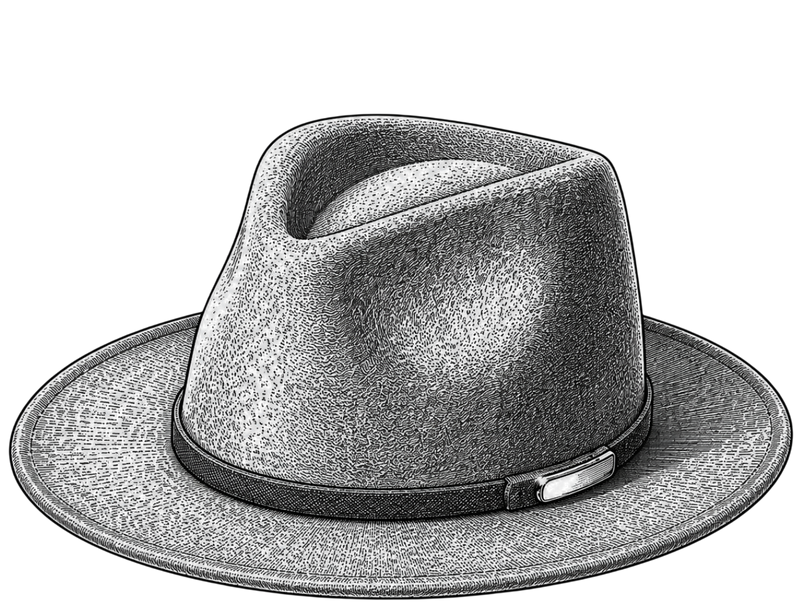
A well-made wool or rabbit felt fedora is the single hat style that most naturally suits men at every age above 30 — and it does so more confidently after 50 than before. The hat has historical associations with mature, confident masculinity rather than youth fashion. Worn with a tailored coat or a clean casual outfit, it reads as accumulated taste.
Specific guidance: Stick to medium brim widths (6–7.5 cm) and moderate crown heights (7–8.5 cm). The proportions that work best for most face shapes at this age are also the proportions that read as most classically considered. Avoid very wide or very narrow brims — the classic range is both more flattering and more timeless.
Color: dark felt (charcoal, dark brown, dark navy) in autumn and winter. Lighter tones (camel, stone, sand) for transitional seasons. Natural straw fedora for summer.
2. The Flat Cap in Heritage Fabrics
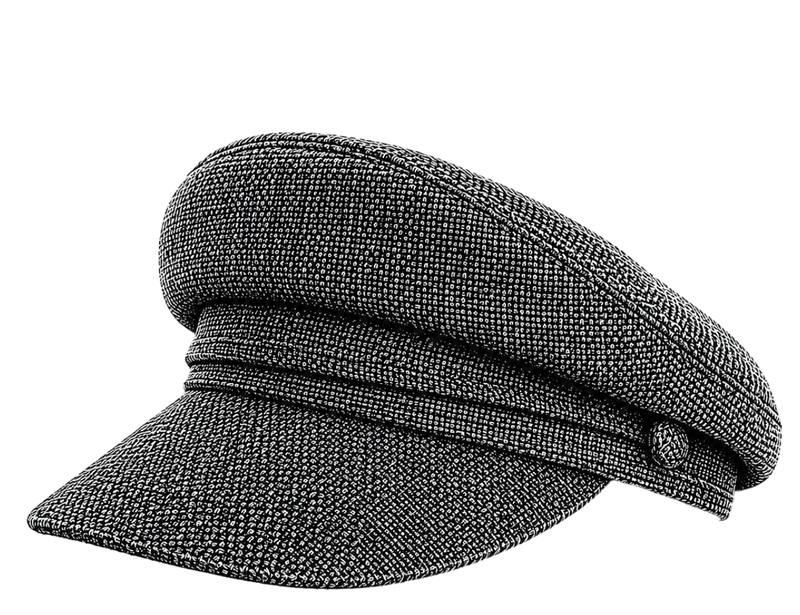
A flat cap in Harris Tweed, herringbone, or a quality wool check is one of the most naturally age-appropriate hat choices available. The heritage material associations, the clean silhouette, and the practical wearability across casual and smart-casual contexts make it an excellent wardrobe investment.
The flat cap also improves with age — not the hat itself, but the context of wearing it. A flat cap in its 20s looks like a style experiment. In its 50s and 60s it looks like personal identity. The distinction is in conviction.
3. The Panama Hat (Summer)
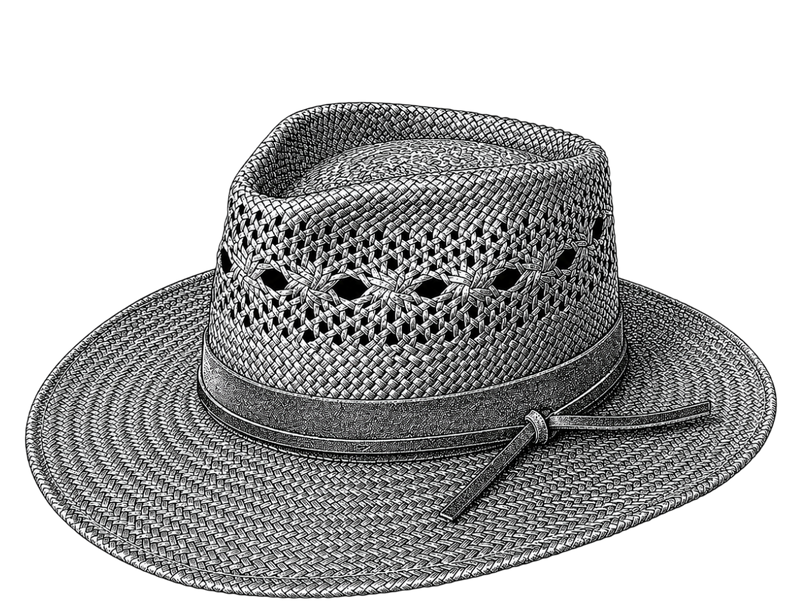
A quality toquilla straw Panama hat is one of the most luxurious casual accessories available in menswear — and it is also an object with strong historical associations with mature, sophisticated summer dressing. Men who wore Panama hats were not teenagers. This association works for rather than against men wearing them after 50.
A superfino or fine-grade Montecristi Panama at $150–$400 is a genuine luxury object with a lifespan measured in decades. As a single hat investment for summer, it is arguably the highest value-per-wear item in the men hat category.
4. The Homburg — For Formal Occasions
The homburg is the hat that fits best with formal and business-formal occasions — a dark felt homburg with a dark suit for a formal event reads as the highest expression of classic menswear. After 50, if formal occasions are part of life, a homburg is worth having. It is a specialist choice, but in its context it is correct in a way that alternatives are not.
5. The Wide-Brim Outdoor Hat (Health and Function)
UV exposure accumulates over a lifetime. Skin cancer risk increases with age. A wide-brim hat worn outdoors — walking, gardening, outdoor events — is a genuine health accessory for men over 50, not just a style choice. A packable wide-brim hat in quality straw or technical fabric belongs in every wardrobe in this age range.
What to Avoid: Specific to This Age Group
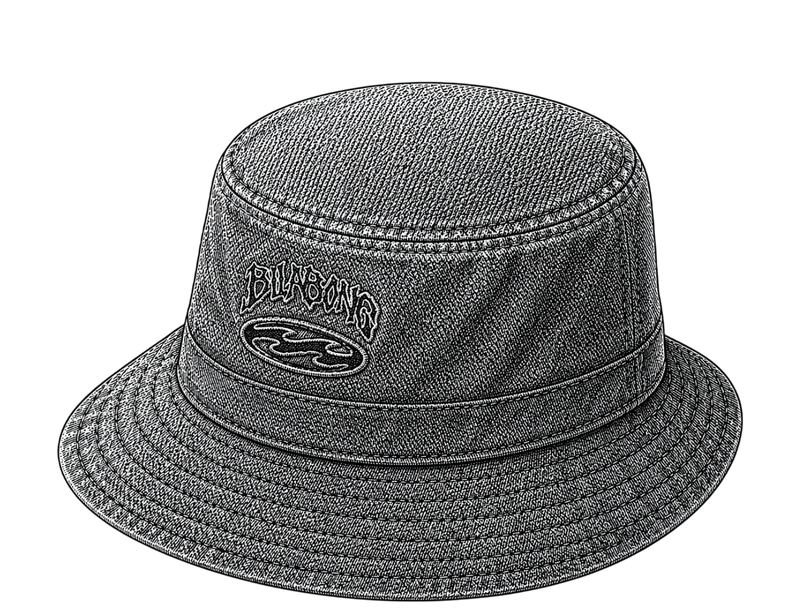
- Hats associated primarily with youth fashion cycles. Snapbacks, bucket hats worn in streetwear context, novelty prints — these read as borrowed from a younger demographic without sufficient personal conviction to make them work. They can work, but require considerably more intentionality than they do at 22.
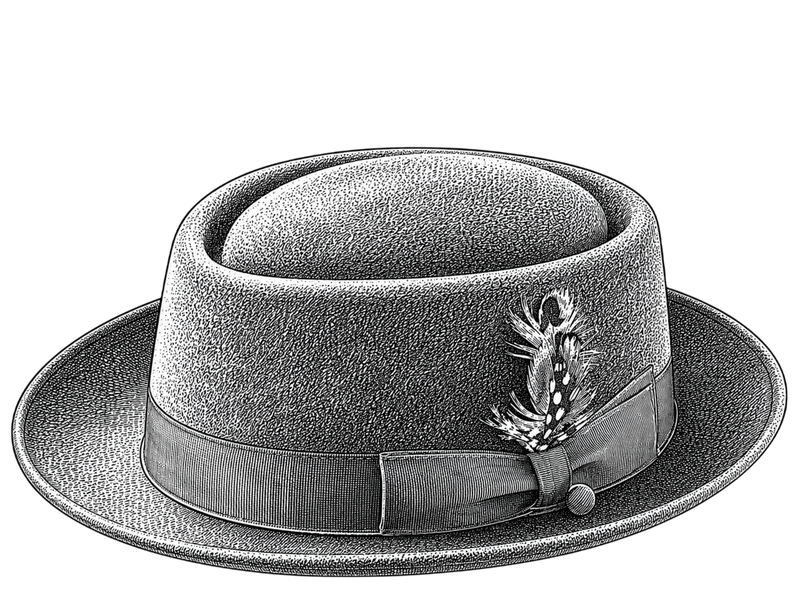
- Very cheap materials. A $20 felt hat looks exactly like a $20 felt hat regardless of the wearer age. After 50, the move toward better materials is natural and visible. A well-made hat in quality felt or straw changes the experience of wearing it and the way it reads in an outfit.
- Ill-fitting hats. A hat that sits incorrectly — too high, too low, or visibly sliding — reads worse at any age, but particularly so in the over-50 context where the rest of the wardrobe is likely more considered. Measure precisely.
The Investment Argument
A man over 50 who buys one quality hat at $150–$300 and cares for it will wear that hat for the next 15–20 years. The per-wear cost over that lifespan is lower than almost any other wardrobe item bought at a comparable price. This is the hat category where quality investment makes the most rational economic sense — and where the experience of wearing something well-made on a daily basis returns the most value.
A $30 hat worn twice and forgotten costs $15 per wear. A $200 hat worn twice a week for 15 years costs under $0.20 per wear.
Explore quality wool felt fedoras, heritage flat caps, and fine straw Panama hats at Hatloom.
Frequently Asked Questions
Are hats appropriate for men over 50?
More appropriate, not less. Men over 50 who have developed personal style wear hats more convincingly than younger men experimenting with them. The hat reads as identity rather than trend at this stage — which is the most favorable possible context for hat wearing.
What is the most classic hat for a mature man?
A quality wool felt fedora in a medium brim and moderate crown is the most classically appropriate and flattering hat for men across all ages from 40 onward. A Panama hat serves the same role in summer. These are not fashion hats — they are accumulated menswear standards with decades of proven visual authority.
Should older men wear baseball caps?
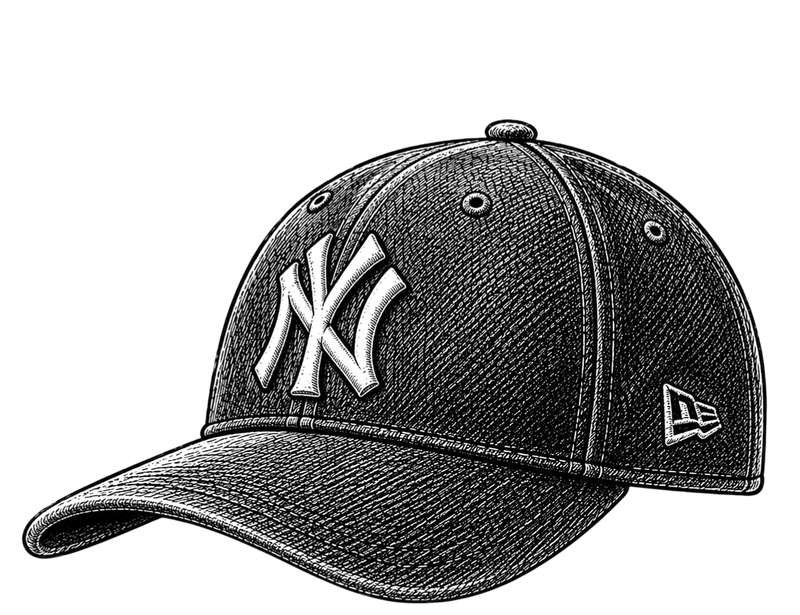
Yes, in appropriate contexts. A well-fitted baseball cap in a solid color or subtle design works for casual and athletic contexts at any age. The consideration is context — a baseball cap at a casual outdoor event is correct; a baseball cap at a smart dinner is a register mismatch that reads more sharply after 50 when other wardrobe elements are likely more considered.
What hat colors work best for men over 50?
Cooler and more muted neutrals — charcoal, camel, stone, dark navy, heather grey — tend to become more flattering as skin tone shifts toward cooler, lighter values after 50. Very warm saturated colors (bright rust, deep orange-brown) can work but benefit from being tested in actual daylight against the face. Classic dark felt and natural straw are safe choices across the broadest range.
Is it worth spending more on a hat after 50?
Yes — unambiguously. A quality hat at $150–$300 worn regularly over 15–20 years has a lower cost per wear than a $30 hat replaced twice. Beyond economics, the material experience of wearing well-made felt or fine toquilla straw is significantly different from a budget equivalent. Investment in a single excellent hat is one of the highest-return accessory decisions in menswear.