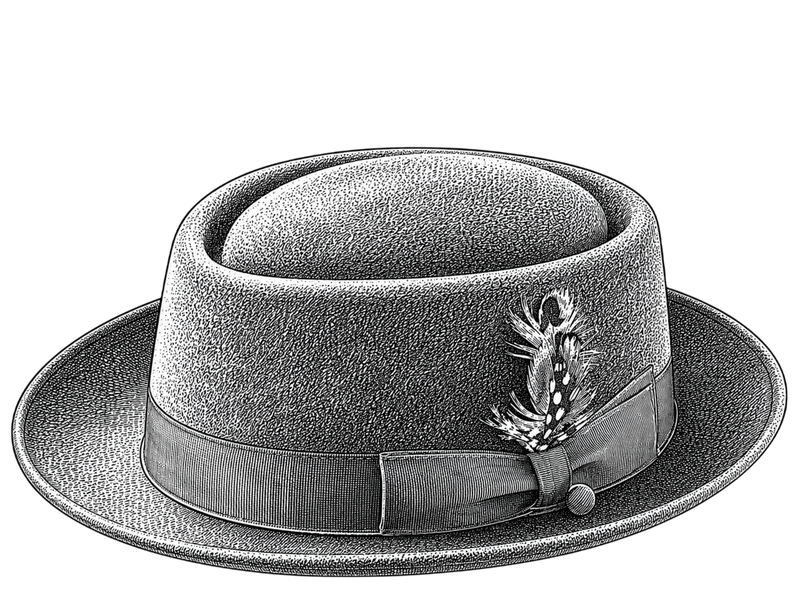
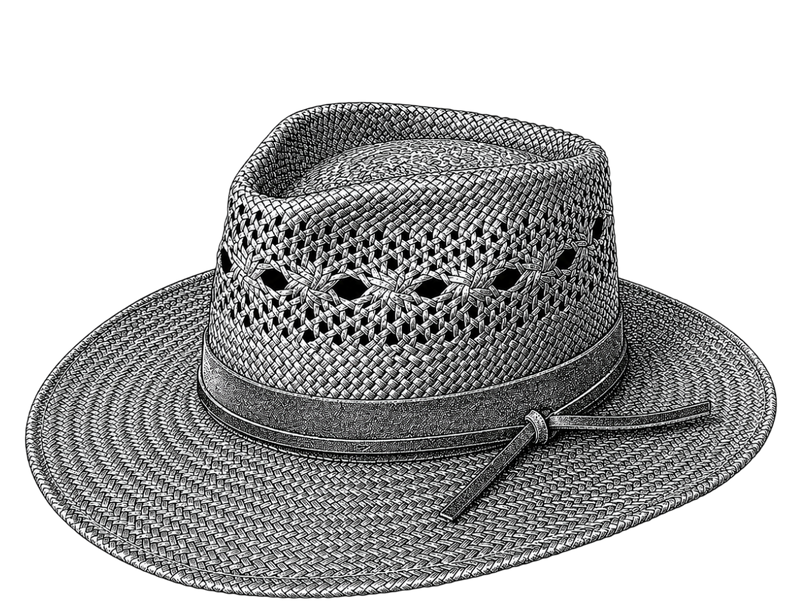
The 30s are the decade when hat experiments from the 20s either crystallize into genuine personal style or get abandoned entirely. Men in their 30s who wear hats successfully are typically those who have found a style that fits their actual life rather than one they tried to inhabit. Building a hat wardrobe in your 30s means understanding what occasions your life actually contains and choosing hats that function across them without requiring wardrobe gymnastics.
What Changes About Hat Wearing in Your 30s
Several real shifts happen in the early-to-mid 30s that affect hat choices:
- Career occasions increase: Client meetings, senior-level professional contexts, and workplace appearances where personal style communicates professional confidence become more frequent. The hat worn to work matters more.
- Event wardrobe expands: Weddings, formal dinners, milestone celebrations, outdoor summer events -- occasions where specific hat choices signal correct dressing become more frequent than in the 20s.
- Quality becomes visible: Clothing and accessory quality is more legible to a 35-year-old professional peer group than to a 23-year-old university cohort. The cheap hat that no one really noticed at 23 reads differently at 35.
- Style settles: By the mid-30s, most men have a clearer sense of what they actually wear versus what they tried and discarded. A hat investment in the 30s is more likely to be used than a hat investment in the 20s.
The Core Hat Wardrobe for Your 30s
The Daily Driver: Quality Flat Cap or Casual Fedora
A hat worn daily during autumn, winter, and spring should be versatile enough for the full range of everyday situations: commuting, lunch meetings, casual Friday office wear, weekend errands. The flat cap in quality wool herringbone or tweed, or a medium-weight felt fedora in a classic proportion, satisfies this range.
Investment level for the daily driver: mid-range to quality. This hat will be worn 150+ times per year and will develop a patina that reads as personal ownership over the seasons. Spending adequately here -- not the most expensive option, but not the least expensive -- produces a hat that looks better at age 2 than at day 1 and that does not need replacing for 5-10 years.
The Warm-Weather Hat: Panama or Quality Straw
A warm-weather hat for the spring-to-summer period, appropriate for casual use and outdoor occasions. A mid-grade toquilla Panama in a classic fedora crown shape -- center crease, medium brim (7-8 cm) -- serves as both the everyday summer hat and the summer occasion hat (outdoor weddings, garden parties, race days).
The 30s is the right time to invest in a quality Panama that will last decades. A fine toquilla hat purchased at 33 can still be the best hat in the wardrobe at 53 if maintained. The economics of quality straw hats are clear: a mid-grade quality Panama at $150-250 outlasts five successive inexpensive versions costing $30-50 each, at a lower total cost and a significantly better appearance throughout.
The Occasion Hat
A dedicated hat for formal and semi-formal occasions -- worn 10-20 times per year at events -- should be the most quality-focused purchase in the wardrobe because it represents the wearer at moments when appearance is most observed. A quality felt fedora (if not using the daily driver for this) or a classic Panama in fine grade covers this function well.
The occasion hat should have the most classic proportion available -- a brim and crown that will read as correct and considered in 15 years as they do today. Avoid fashion-forward proportions in the hat that will be worn at significant personal occasions: the wide-brim statement hat that reads as current in 2025 may read as dated at a close friend's wedding in 2035.
Specific Hat Recommendations for Men in Their 30s
Felt Fedora
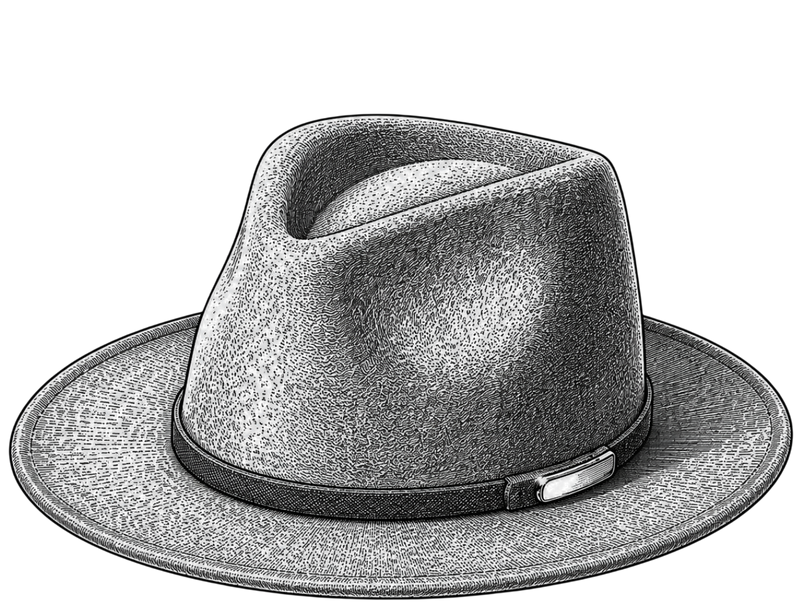
The single hat most likely to serve across all three wardrobe positions above, depending on quality and proportion. A quality felt fedora in camel, charcoal, or dark cognac with a 6-8 cm brim and 9-11 cm crown: wearable daily in cold months, appropriate for formal occasions with quality clothing, a hat that can serve a man through the 30s and 40s without replacement. This is the highest priority single hat investment for a man who wears hats in his 30s.
Quality Flat Cap
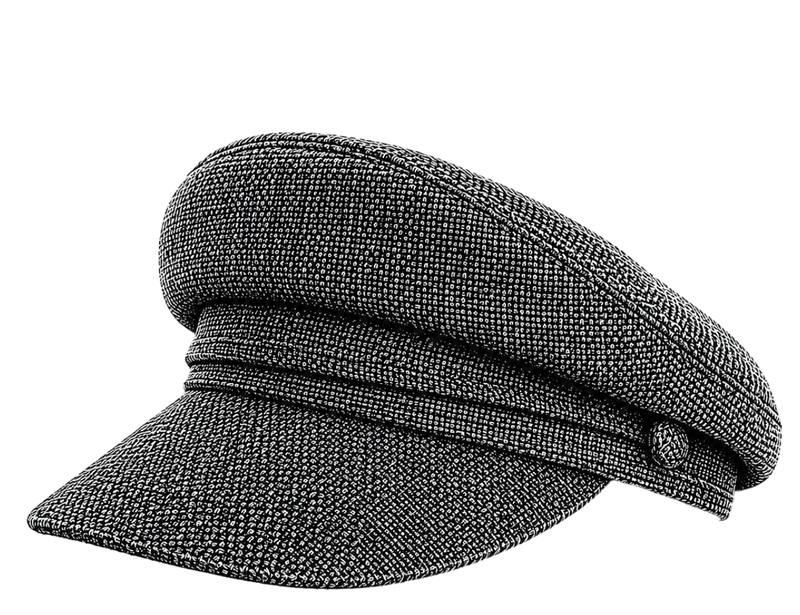
For men who prefer a more casual daily hat -- one that does not require the deliberate styling that a fedora implies -- a quality wool or tweed flat cap is the appropriate investment. Look for caps in natural wool materials (not synthetic), in classic proportions (not oversized or fashion-scaled), and from makers who offer sizes beyond generic S/M/L.
Panama Hat
The one non-negotiable summer investment for hat-wearing men in their 30s. A quality toquilla Panama purchased in the 30s should last well into the 50s with appropriate care. Prioritize genuine toquilla (not paper straw imitations), a classic crown shape over a fashion-forward variation, and a maker or retailer who can confirm the material authentically.
What to Stop Wearing by 35
This is not about age prohibition -- it is about style coherence. Certain hat choices become less coherent for men as their style matures:
Hats in genuinely poor condition: A beloved but battered hat is appropriate to continue wearing if it has developed genuine patina (quality material aging naturally). A hat that is shapeless, faded, or stained is different -- it reads as neglect rather than comfortable ownership by the time the wearer is in their mid-30s.
Hats bought as experiments that were never fully inhabited: If a hat has been owned for two years and worn fewer than 20 times, it is not a hat the wearer has committed to. The 30s is a good time to audit the hat collection and remove what never actually worked in practice.
Fashion-specific hats with no classic heritage: Hats that are trend-specific rather than style-based have a shorter useful life than a man's 30s timeline suggests. Classic fedoras, flat caps, and Panamas age consistently; trend-specific fashion hats age the way fashion trends do.
Find quality felt fedoras, flat caps, and Panama hats for building a 30s hat wardrobe in the Hatloom collection.
Frequently Asked Questions
What is the best first hat investment for a man in his 30s?
A quality felt fedora in a classic proportion (6-8 cm brim, 9-11 cm crown, center crease) in a neutral dark color (camel, charcoal, or dark brown). This hat is versatile enough to function as both daily driver and occasion hat; it develops in quality with wearing; and it is the hat style with the longest continuous history of serious menswear use, which means it does not risk reading as trend-specific. Spend enough to get genuine quality felt (not synthetic) and a leather sweatband.
Should men in their 30s wear baseball caps?
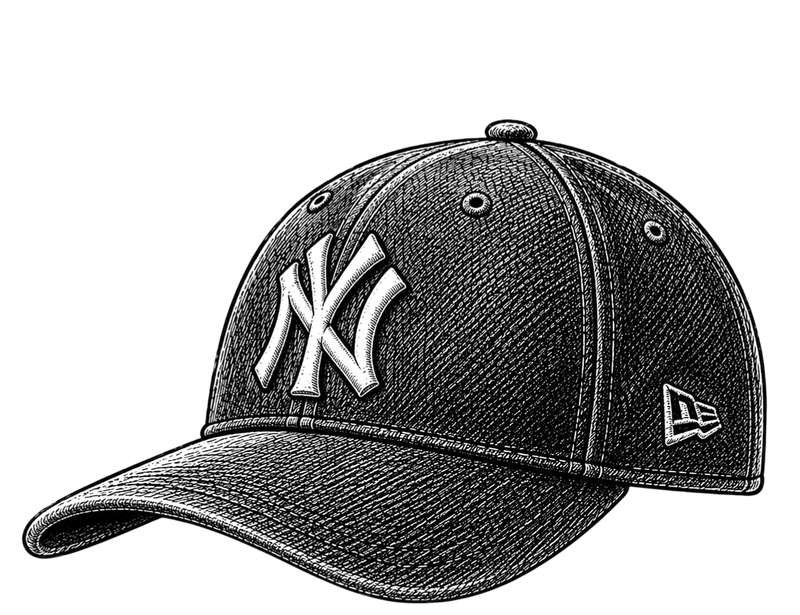
Yes, in casual and athletic contexts where they are appropriate. The baseball cap at 35 is not the same statement as at 23 -- it reads more specifically as casual or athletic rather than as a general-purpose daily hat. A clean, structured baseball cap in a neutral color or team allegiance is entirely appropriate in casual contexts; the shift in the 30s is primarily about calibrating where the cap is worn rather than whether it is worn.
How many hats should a man own in his 30s?
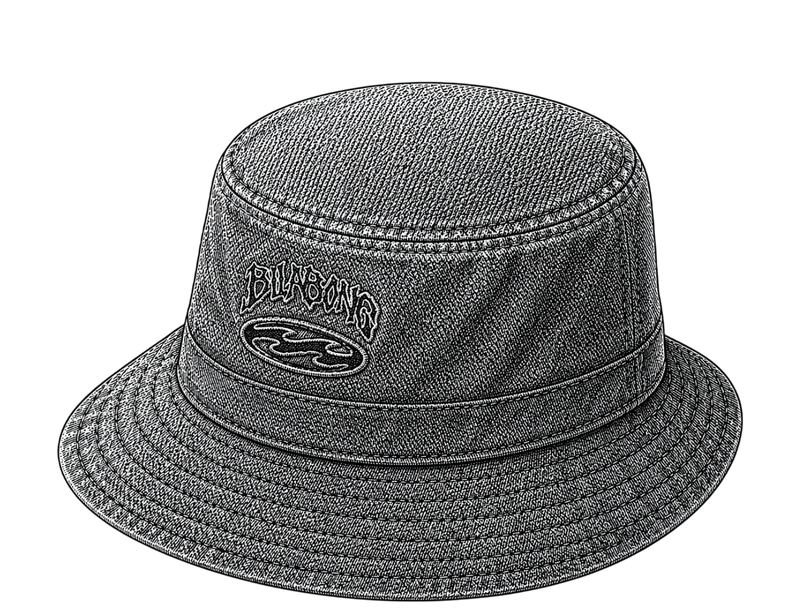
Three to four hats covers the full wardrobe need: a daily driver for cold weather (felt fedora or flat cap), a warm-weather hat (Panama or quality straw), a casual option if the daily driver is a structured fedora (flat cap or bucket hat), and a dedicated occasion hat if the daily driver cannot carry formal occasions. More than four-to-five hats typically indicates accumulation beyond active use -- edit toward what is actually worn rather than what might theoretically be worn.
What hat works for business casual office wear in your 30s?
A medium-weight felt fedora or a quality flat cap in a fine wool material. The flat cap in particular is a strong business casual choice: it reads as heritage and considered without requiring the deliberate personal style conviction that a full felt fedora demands. The flat cap in herringbone or fine wool tweed says thoughtful personal style without entering the more assertive statement territory of the fedora in most business casual contexts.
How do I introduce a quality hat into my style without it being a big deal?
Wear it without announcement or explanation. Put it on, go about your day, and treat questions or comments as ordinary conversation rather than as requiring defense. The first two weeks involve comments and questions; after that, colleagues and social circles update their mental image of you and the hat becomes part of how you are known. The entire adaptation period is managed by wearing the hat consistently and treating it as unremarkable rather than as a statement requiring explanation.