A hat is one of the most functional pieces of gear you can bring on a hike. It protects against sun exposure, keeps rain off your face, retains warmth in cold conditions, and reduces glare that causes eye strain over long distances. The question isn't whether to bring a hat — it's which hat to bring for the conditions you're hiking in.
This guide covers every hiking scenario with specific hat recommendations, so you can choose the right headwear for your next trail.
What to Look for in a Hiking Hat
Before the specific styles, the key performance factors for a hiking hat are:
- Sun protection: UPF rating (UPF 30+ is good, UPF 50+ is excellent), brim width, and coverage angle
- Breathability: Ventilation is critical for aerobic activity — mesh panels, open weaves, and lightweight materials prevent overheating
- Moisture management: Sweat-wicking bands and quick-dry fabrics keep you comfortable over long distances
- Weight: A hiking hat should be barely noticeable on your head — under 100g is ideal
- Wind resistance: A chin strap or secure fit prevents the hat from becoming a liability in exposed, windy terrain
- Packability: A hat you can stow in a pack when the weather changes is more versatile than one you can't
Hiking Hat Types: What Each Does Best
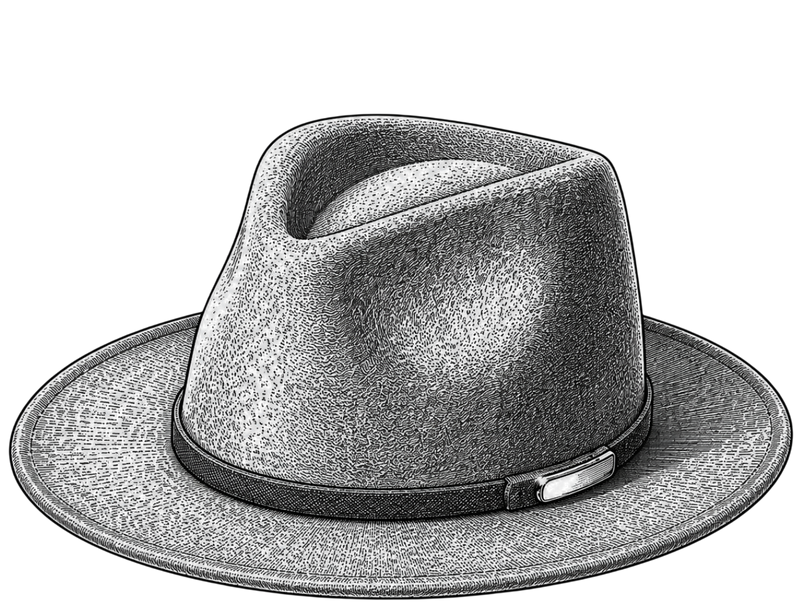
Wide-Brim Sun Hat
The wide-brim hiking hat — typically with a brim of 7.5–10 cm all the way around — is the best choice for high-sun, exposed terrain: ridge lines, alpine trails, desert routes, and any hike with significant exposure without tree cover.
A brim this wide shades not just the face but the back of the neck and ears — the areas most commonly burned and often missed by sunscreen application.
Look for: Lightweight construction (under 100g), UPF 50+ rated materials, a sweat-wicking inner band, and a chin strap for windy or scrambling sections.
Best for: Summer hikes, high-altitude routes, desert and exposed ridge trails, multi-day backpacking in sunny conditions.
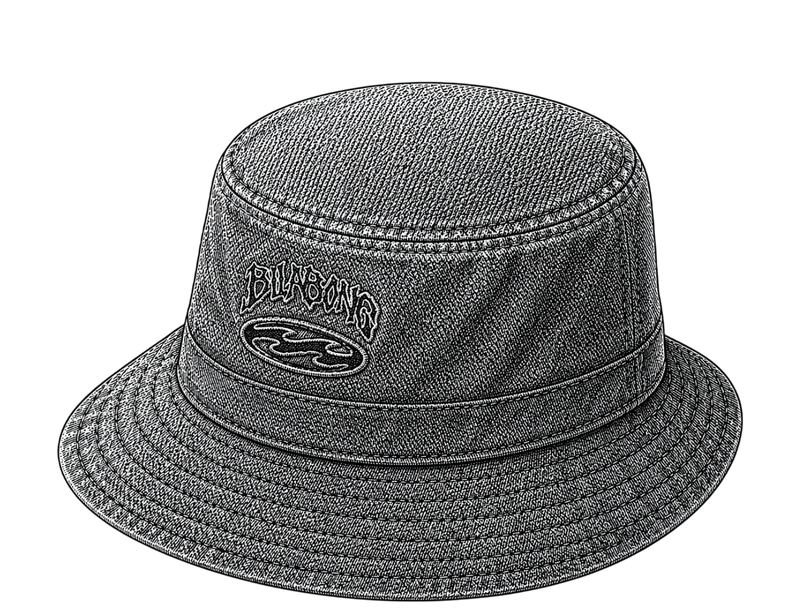
Bucket Hat
The bucket hat is the most versatile hiking hat for moderate conditions. The all-around brim provides good sun protection, it packs flat into a pocket or pack, and the soft construction is comfortable under a hood or headlamp strap.
Modern hiking bucket hats are available in UPF-rated nylon and recycled materials that are both lightweight and quick-dry. They work in sun, light rain, and cool conditions with a base layer.
Best for: Day hikes, forest trails, moderate terrain, three-season use.
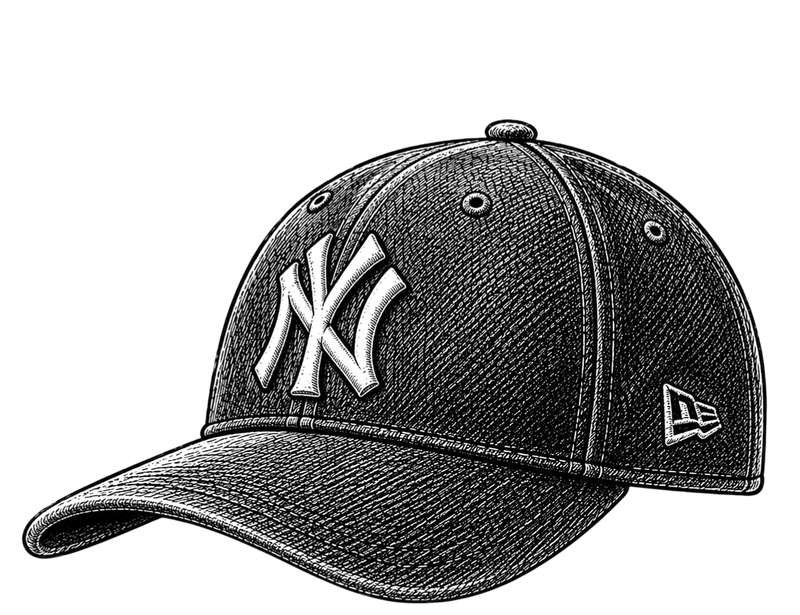
Baseball Cap
The baseball cap is the default choice for many hikers — familiar, packable, and easy to manage. The structured brim shades the face and reduces glare. The limitation is coverage: a baseball cap provides no shade to the ears or back of the neck, which are significant sun exposure areas on an all-day hike.
Technical hiking baseball caps add value with moisture-wicking fabrics, UPF ratings, and ventilation panels that standard cotton caps lack.
Best for: Forest hikes, cooler conditions, shorter day hikes, any hike where the ears and neck are less exposed.
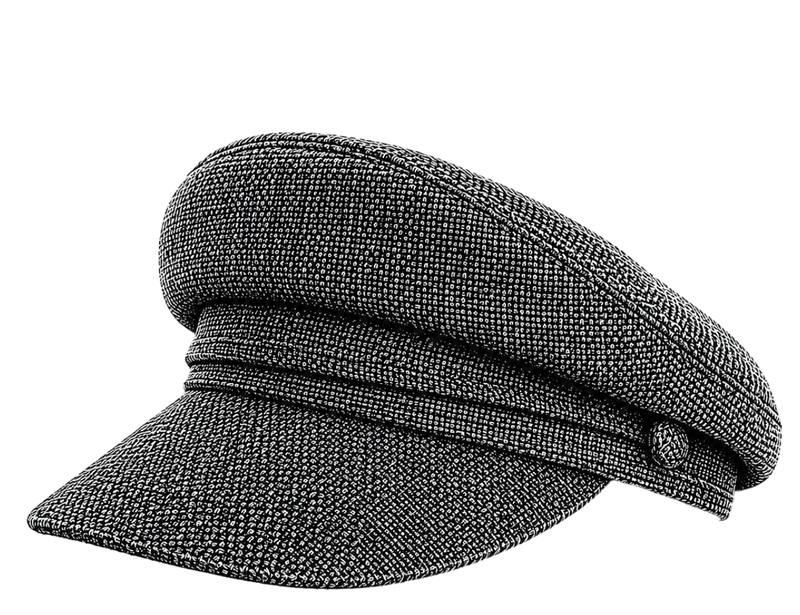
Flat Cap or Waxed Cotton Cap
For autumn hiking in cool, damp conditions, a structured waxed cotton or wool flat cap provides warmth, some wind resistance, and light shower protection without the bulk of a full rain hat. The front brim keeps rain off the face.
This is a style-forward choice that also performs — ideal for walkers in temperate climates who want a hat that looks as good at the trailhead café as on the trail.
Best for: Cool, overcast, or lightly rainy conditions. Autumn and early spring hiking in temperate climates.
Wool Beanie or Knit Cap
For cold-weather hiking, a wool or merino wool beanie is essential. Wool regulates temperature in changing conditions — insulating when cold, breathing when active — and stays warm even when damp. Merino wool specifically manages odor well over multi-day hikes.
A beanie can also layer under a hood or helmet for mountaineering and winter routes.
Best for: Cold weather hiking, winter trails, high-altitude routes, layering under rain hoods.
Hiking Scenarios and the Best Hat for Each
| Scenario | Recommended Hat |
|---|---|
| Desert or exposed ridge in summer | Wide-brim sun hat with chin strap, UPF 50+ |
| Forest day hike in warm weather | Bucket hat or baseball cap |
| Multi-day backpacking (summer) | Wide-brim sun hat or bucket hat (packable) |
| Autumn trail walk | Flat cap, waxed cotton cap, or light wool hat |
| Winter mountain hiking | Merino wool beanie, possibly layered under hood |
| Trail running | Technical baseball cap with ventilation panels |
Chin Straps: Useful or Annoying?
A chin strap on a hiking hat is only valuable in specific conditions: exposed ridges, high wind, or scrambling terrain where you're using your hands and can't catch a blown hat. In forest trails and moderate terrain, most hikers find the chin strap more of an annoyance than an asset and leave it tucked up.
Look for hats with a removable chin strap — useful when you need it, out of the way when you don't.
Brim Width and Neck Protection
Every centimeter of brim width is additional skin protection:
- 5–6 cm brim: face shade only
- 7–8 cm brim: face + partial ear shade
- 9–11 cm brim: face + ears + neck coverage
For hikes over 4–5 hours in open sun, a brim of 8 cm or more provides meaningfully better protection. This matters not just for comfort but for long-term skin health.
Natural Straw Hats for Hiking?
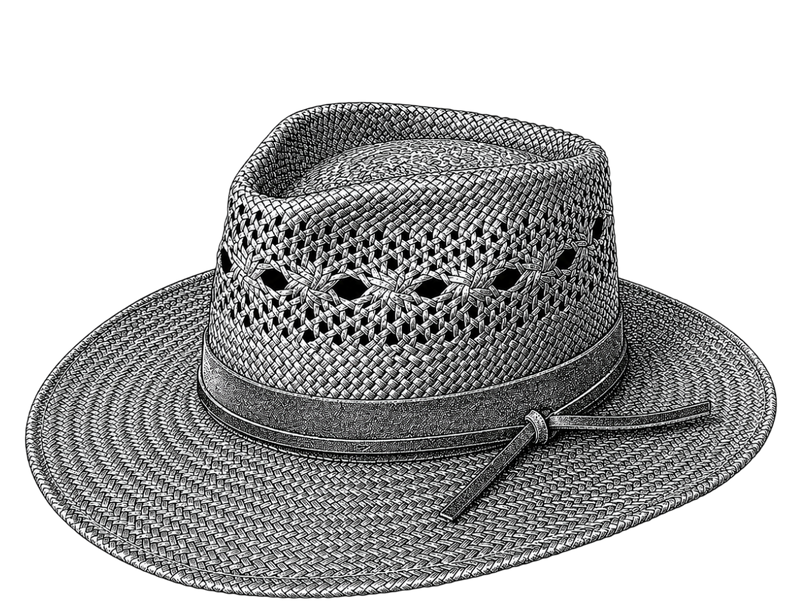
Natural straw (palm, raffia, seagrass) has excellent breathability and works in dry, sunny conditions. The limitation is durability — natural straw doesn't handle repeated compression in a pack, prolonged sweat exposure, or rain well. For hiking, synthetic or paper braid materials outperform natural straw for practical reasons.
A natural straw hat is excellent for a day trip, a beach walk, or a low-intensity ramble — just not for serious trail use.
Hats for Hiking from Hatloom
Our bucket hat collection includes versatile styles that work on trail and off. For cool-weather hiking with a more considered look, our flat caps in wool and tweed are built for the British walking tradition and handle the conditions to match.
Frequently Asked Questions
What's the best hat for hiking in hot weather?
A wide-brim sun hat with UPF 50+ rating, lightweight construction (under 100g), and a sweat-wicking inner band. The wide brim (8–10 cm) shades face, ears, and neck — the three areas most at risk on an all-day exposed hike.
Do I need a chin strap on a hiking hat?
Only for exposed, windy terrain or scrambling where you're using your hands and can't catch a blown hat. For most forest and valley trails, a chin strap isn't necessary and many hikers find them uncomfortable during aerobic activity.
Can I use a regular straw hat for hiking?
For short, casual walks in dry, sunny conditions: yes. For serious trail hiking: no. Natural straw doesn't handle pack compression, heavy sweat, or rain well. Technical hiking-specific materials (nylon, paper braid, recycled synthetics) are more durable for active use.
What hat is best for hiking in cold weather?
A merino wool beanie for most cold-weather hiking. Merino insulates when cold, breathes when active, and manages odor well over multi-day trips. For cold, wet conditions, a wool beanie worn under a rain jacket hood is the most practical combination.
What UPF rating should a hiking hat have?
UPF 30+ is the minimum for meaningful sun protection. UPF 50+ is recommended for any hike with significant sun exposure — especially above the treeline, on water, or in desert terrain. Standard cotton and straw hats without a UPF rating may offer only UPF 5–10 equivalent protection.