Most hiking hat guides start with 'what to look for' and list breathability, UPF rating, and packability as though these are equivalent considerations. They are not. On a hot-weather hike, inadequate sun protection is a genuine health hazard; slightly reduced packability is an inconvenience. Understanding which factors matter most and which are marketing variables lets you make a selection that actually serves the conditions you will be hiking in, rather than one that scores well on a feature checklist.
The Primary Factor: Brim Width
The brim is the mechanism by which a hat protects you from the sun. A wider brim casts shade onto more of your face, neck, and shoulder area. A narrower brim casts shade onto less. This relationship is approximately linear and unaffected by material choice, UPF rating of the fabric, or any other variable. The brim is the primary sun protection mechanism.
For hot-weather hiking specifically:
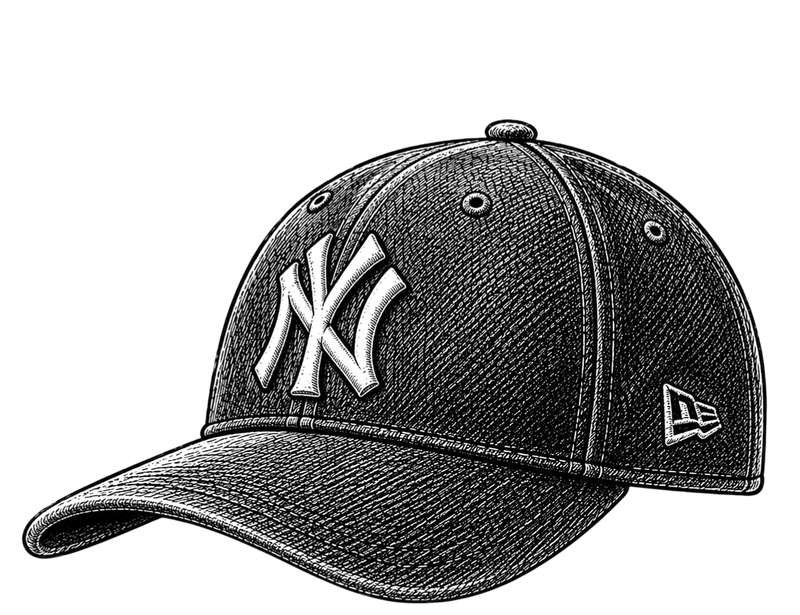
- Brims under 5 cm (baseball cap, trucker hat): protect the forehead and upper face from overhead sun. The cheeks, ears, neck, and lower face receive minimal shade. Adequate for very short or lightly shaded hikes; inadequate for extended sun exposure
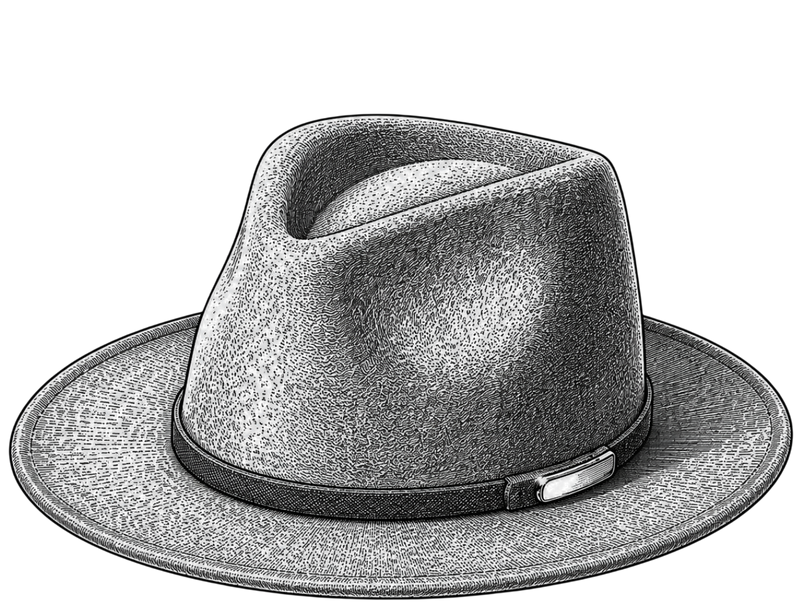
- Brims 7-10 cm (wide-brim sun hat): protect the full face, ears, and begin to provide some neck coverage when the brim is level. This is the range most sun-focused hiking hats target
- Brims 10 cm and above (broad-brim hat): maximum facial and neck protection. Slightly more affected by wind (more brim surface for wind to catch). Used in very high UV environments (high altitude, desert, tropical)

The Secondary Factor: Breathability
In hot weather, a hat that traps heat is actively counterproductive: it raises the temperature inside and can contribute to overheating rather than preventing it. Breathability is a genuine consideration in hot-weather hiking, but it operates through specific mechanisms:
- Mesh panels or crown ventilation: hats with mesh inserts in the crown or sides allow significant airflow through the hat. Some wide-brim sun hats include a full mesh crown with a fabric brim, which provides good brim shade with maximum ventilation
- Material weight: lighter materials (nylon ripstop, lightweight cotton, polyester mesh) trap less heat than heavier materials. A thick wool hat is not appropriate for hot-weather hiking regardless of its other properties
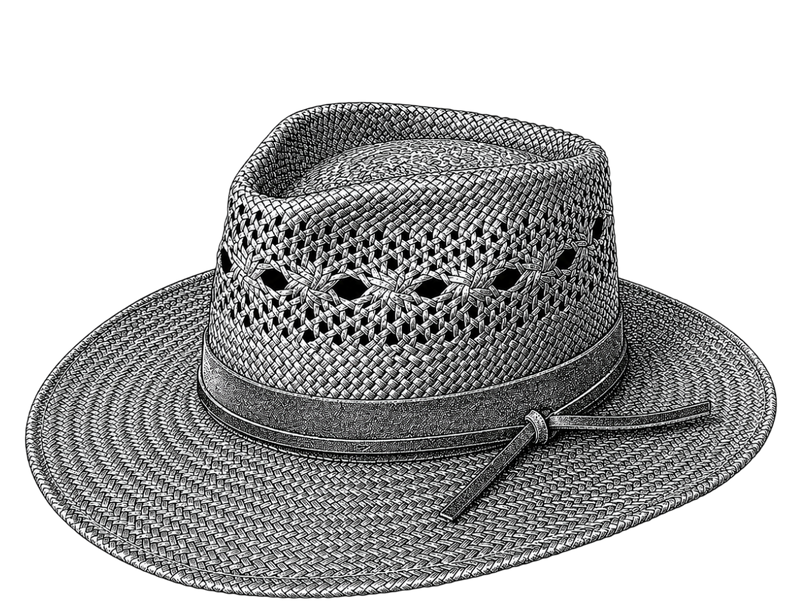
- Open weave: straw hats and loosely woven hats provide some ventilation through the weave, though loosely woven materials also have lower UPF ratings
Material Considerations
Nylon and Polyester
Synthetic fabrics are the dominant material in purpose-built hiking sun hats for good reasons: they dry quickly when wet with sweat, resist mildew and odour better than natural fibres in sustained moisture conditions, and can be manufactured to specific UPF ratings. Nylon ripstop is lightweight, durable, and packs tightly. Polyester absorbs UV effectively and is often used in hats specifically for its UV resistance.
Cotton
Cotton is comfortable when dry and reasonably breathable, but it retains moisture for much longer than synthetic materials and can feel heavy and cold when soaked with sweat. A wet cotton hat provides significant evaporative cooling on the head, which can be an advantage in very hot conditions, but the moisture retention can also lead to discomfort on longer hikes. Cotton's UPF rating is modest (typically UPF 15-20 in a standard weave) unless treated or tightly woven.
Straw and Natural Fibres
Straw hats -- particularly tightly woven straw or Panama-style hats -- are lightweight, breathable, and aesthetically suited to warm conditions. The ventilation through the straw weave keeps the crown cool. The limitation for hiking is durability: straw hats are more fragile than synthetic hats when crammed into a pack, and their UPF rating varies significantly with weave density. A tightly woven straw hat provides reasonable UV protection; a loosely woven decorative straw hat provides very little.
Practical Features for Hiking
- Chin strap: a chin strap or bungee cord keeps a wide-brim hat in place on windy ridgelines or in moving air. Wide-brim hats without a chin strap can be impractical in exposed terrain
- Sweatband: a moisture-wicking sweatband keeps sweat from running into the eyes on long ascents. Look for sweatbands in quick-dry materials rather than cotton
- Packability: a hat that can be rolled or folded and stowed in a pack is more useful on variable terrain where you may move between sun and shade. Crushable fabric hats or flexible-brim straw hats pack better than structured felt hats or rigid straw hats
- Size adjustment: a hat that stays in place on the head without constant adjustment is preferable. Either a good fitted size or a reliable adjustment mechanism (drawcord, velcro, snap)
Scenarios and What They Require
The appropriate hat depends on the specific hiking conditions:
- Multi-hour exposed ridge or summit hike: wide-brim hat (8+ cm) with UPF 50+ rating and a chin strap. Breathability is secondary to protection at this exposure level
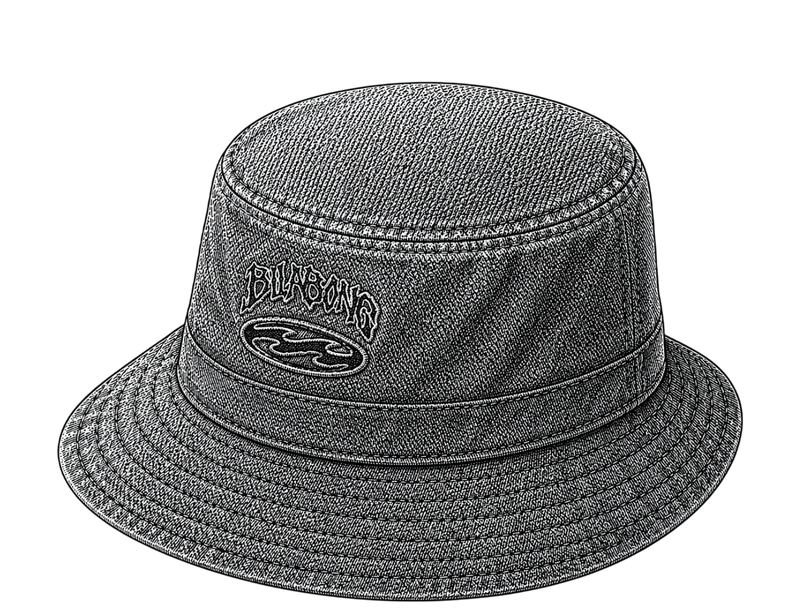
- Forest trail hike with intermittent sun: a lighter, more packable option works here -- a baseball cap or bucket hat with moderate brim is adequate for dappled or intermittent sun exposure where you are not in direct overhead sun continuously
- Desert or high-altitude hiking: maximum brim width, maximum UPF, light colour (reflects more heat than dark), chin strap. In these environments UV intensity is at its highest (altitude increases UV exposure by approximately 10% per 1000 m) and the consequences of inadequate sun protection are serious
Browse wide-brim hiking sun hats and outdoor hat styles at Hatloom.

Frequently Asked Questions
Is a wide-brim hat better than a baseball cap for hiking?
For hot-weather hiking in exposed conditions, yes significantly. A baseball cap protects the forehead and upper face but leaves the ears, cheeks, and neck exposed to direct UV. On a multi-hour summer hike, this means substantial cumulative UV exposure to the sides and back of the face and the neck. A wide-brim hat shades all of these areas. If the hike is short, mostly shaded, or in lower UV conditions, a baseball cap is adequate and more practical. For sustained exposure in high UV conditions, the brim-width difference is a genuine health consideration, not an aesthetic preference.
Do I need a hat with a UPF rating for hiking?
A tested UPF rating tells you exactly how much UV the fabric transmits, which is genuinely useful for making a comparison. However, for most hiking situations, brim width is the more important variable than fabric UPF because the brim's shade (which is 100% UV blocking -- you cannot get sun through complete shade) provides more total protection than even the highest-rated fabric over skin areas in the hat's shadow. Focus on brim width first, then look for UPF 30+ or 50+ in the fabric as a secondary consideration. A wide-brim hat with an unrated fabric provides more actual sun protection than a narrow-brim hat with UPF 50+.
How do I keep a wide-brim hat from blowing off?
A chin strap or cord is the most reliable solution for windy hiking conditions. Most purpose-built hiking sun hats include either a sewn-in chin strap or a cord that runs through tunnels in the brim and cinches under the chin or at the back of the neck. If your hat does not have a chin strap, aftermarket hat holders (elastic or cord clips that attach to the hat and to your clothing) are available as accessories. In very windy exposed conditions, a wide-brim hat without some form of retention becomes impractical.