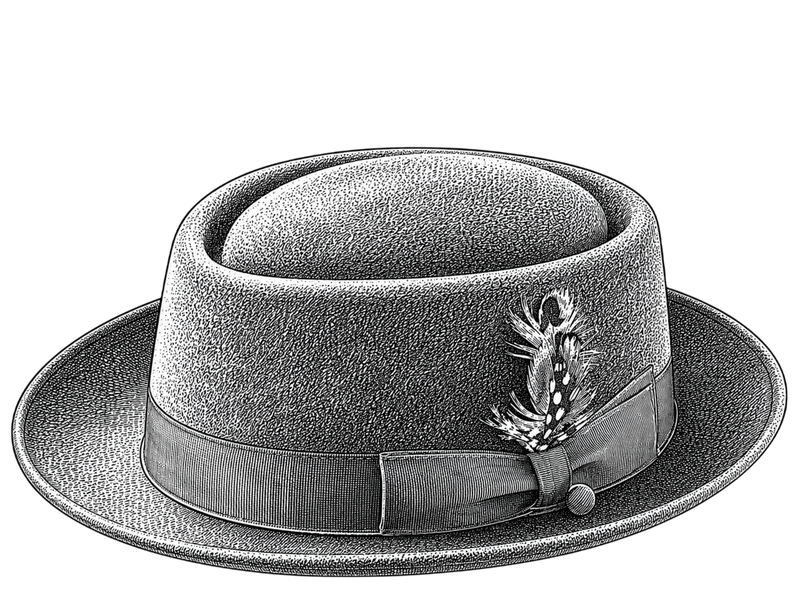
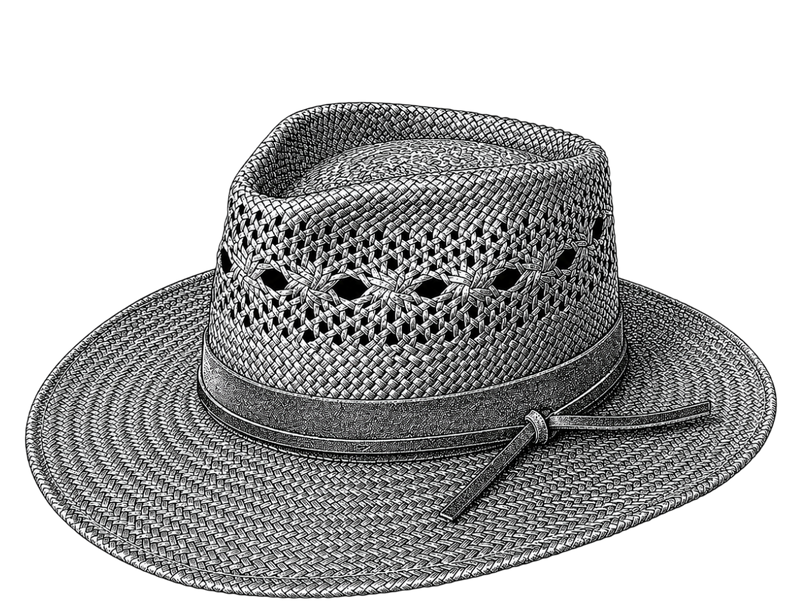
Autumn is the season where hat wearing makes the most sense and where most people make the least considered choices. The conditions are specific — variable temperature, frequent rain, shifting light — and the wardrobe transition from summer to winter creates a window where the right hat does more work than at any other time of year.
What Autumn Conditions Actually Require
Before selecting a hat, the practical requirements of autumn wear:
- Water resistance: Rain frequency increases significantly in most temperate climates from September onward. A hat that fails in light rain is impractical as a daily choice for autumn.
- Temperature range: Autumn spans a 10–15°C temperature range in most regions — from warm September afternoons to near-freezing November mornings. A single hat worn across this range needs to be neither oppressively warm nor inadequately insulating.
- Wind: Autumn wind is more persistent than summer wind. Hat security — correct fit and, for outdoor situations, chin-securing options — matters more than in summer.
- Low light: Autumn light is lower, softer, and more directional than summer light. Dark hat colors and rich tones read particularly well in autumn light in a way they do not in summer.
The Materials That Work in Autumn
Wool Felt — The Primary Autumn Material
Wool felt is the natural autumn hat material for reasons that align precisely with the season conditions. Wool fiber has a natural waxy coating (lanolin) that provides baseline water repellency — light rain beads rather than immediately soaking through. The density of quality felt provides insulation against cool air. The material breathes enough to be comfortable in the warmer early-autumn temperatures.
A quality wool felt hat treated with a light water-repellent spray at the start of the season handles the majority of autumn rain conditions without damage or discomfort.
Harris Tweed and Woven Wool
Flat caps and newsboy caps in Harris Tweed and woven wool are the quintessential autumn choice in British and northern European menswear traditions — for good reason. The durable, tightly woven wool provides wind resistance, baseline water repellency, and warmth. The aesthetic reads as naturally autumnal — the earthy tones of traditional Harris Tweed (heather, moss, rust, ochre) are specific to the season in a way no other material is.
Waxed Cotton
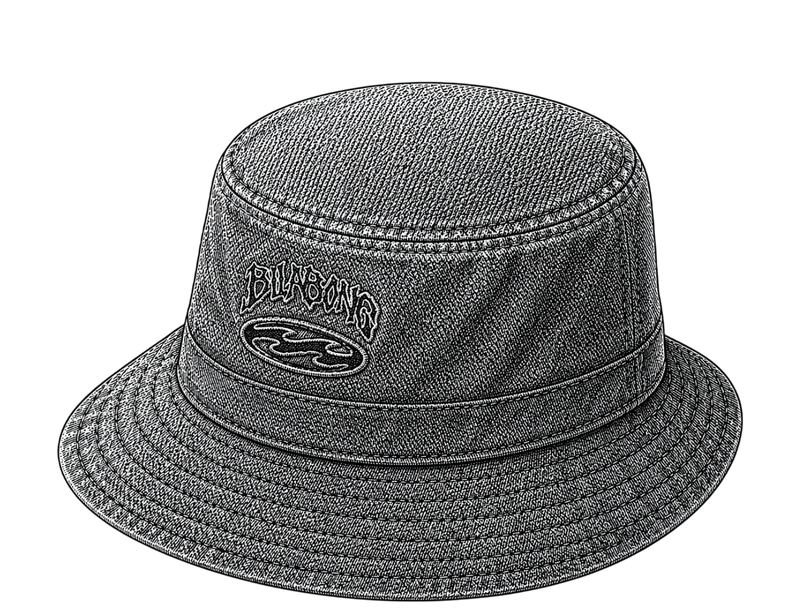
Waxed cotton flat caps and bucket hats provide reliable water resistance without the formality of a felt hat. The material handles sustained rain better than untreated wool and ages with visible character over time. A waxed cotton flat cap is the most practically waterproof non-technical hat option for consistently rainy autumn conditions.
Best Autumn Hat Styles
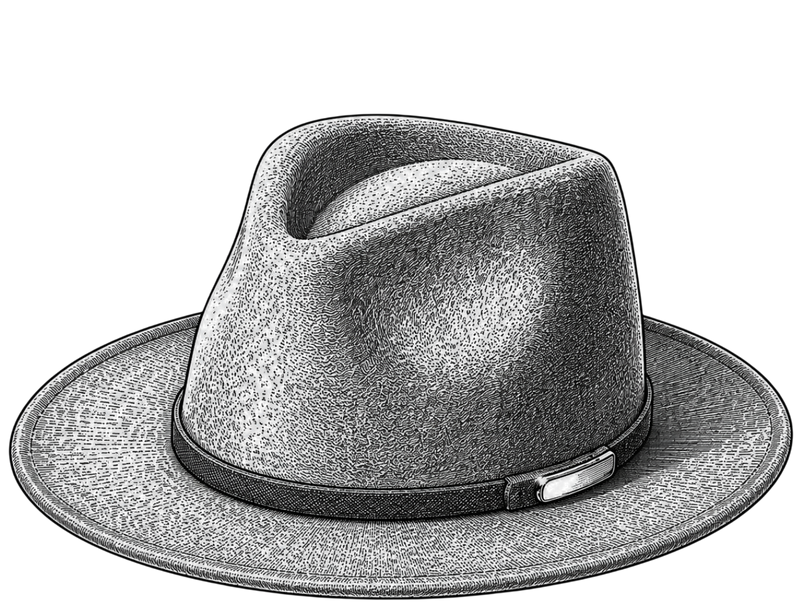
1. Wool Felt Fedora
The wool felt fedora is the defining autumn hat for men and women who want a hat that performs as well as it looks. The structured brim sheds rain from the face, the wool insulates without overheating, and the classic silhouette pairs naturally with the coats, scarves, and layered outfits of the season.
Color guidance for autumn: Dark tones (charcoal, dark brown, forest green, deep navy) absorb autumn light beautifully and provide the season-appropriate richness that lighter summer tones cannot. A charcoal felt fedora with a camel wool coat is one of the strongest autumn outfit combinations in men or women wardrobes.
2. Flat Cap in Harris Tweed or Herringbone
Heritage flat caps in autumn-weight woven wool are arguably at their most contextually correct in this season. The palette, the material weight, and the aesthetic associations all align. A herringbone or tweed flat cap with a wool coat, boots, and a scarf is a complete autumn outfit that requires no further explanation.
3. Wide-Brim Felt Hat
For women in particular, a wide-brim felt hat (7.5–9 cm) in dark felt provides both practical rain deflection and a strong autumn silhouette. The wider brim sheds rain from the face and shoulders more effectively than a moderate fedora brim. In deep burgundy, forest green, or charcoal, a wide-brim felt hat is one of the strongest seasonal statements available.
4. Waxed Cotton Bucket Hat or Flat Cap
For genuinely wet autumn conditions — sustained rain rather than occasional showers — a waxed cotton hat outperforms treated wool in water resistance. The material looks better with age, handles puddle splashes without damage, and sits in the smart-casual to casual range that suits most weekend and outdoor autumn contexts.
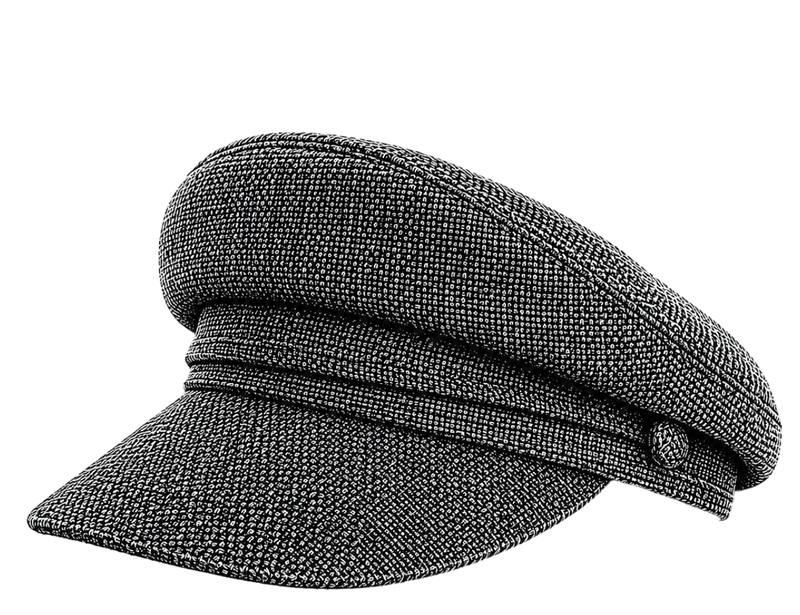
5. Newsboy or Baker Boy Cap
The fuller-crowned newsboy cap in autumn-weight fabric has enjoyed consistent popularity across recent years as a smart-casual autumn choice. Its fuller crown and slightly longer brim read as more statement-making than a traditional flat cap, while remaining in the casual-to-smart-casual range. In checked, plaid, or solid autumn tones, it works strongly with oversized coats and midi dresses.
Autumn Color Guide
Autumn light specifically favors:
- Charcoal, slate, dark grey: The most versatile dark neutral for autumn. Works with navy, camel, rust, and most autumn palette.
- Dark brown, cognac, tobacco: Rich warm tones that read as naturally autumnal without being aggressively seasonal.
- Forest green, moss, olive: Muted green tones are particularly strong in autumn — they echo the landscape palette while remaining sophisticated.
- Camel, tan, stone: Light neutral tones work in early autumn before temperatures drop significantly. Pair with darker outfit tones for definition.
- Burgundy, deep rust, oxblood: Statement colors for autumn. Best used when the rest of the outfit is restrained — a dark burgundy hat on a black or navy coat is a strong combination that does not require further color in the outfit.
What to Retire After Summer
The end of summer is also when to put away specific hat styles:
- Natural straw and raffia: These materials are not autumn-appropriate — they belong in controlled dry-weather conditions and read as seasonally incorrect from October in most climates.
- Cotton bucket hats: The lightweight cotton bucket hat is a summer item. Wool or waxed cotton equivalents take over for autumn.
- Unlined linen flat caps: Light summer fabric caps do not provide adequate warmth for autumn temperatures and look seasonally mismatched from mid-September.
The transition from summer hats to autumn hats is also the correct moment for hat maintenance — brush felt hats, treat with water-repellent spray, check sweatbands, and store summer straw hats correctly before the season ends.
Find wool felt fedoras, tweed flat caps, and autumn-appropriate styles in the Hatloom collection.
Frequently Asked Questions
What hats are best for autumn weather?
Wool felt fedoras and flat caps in herringbone or tweed are the most season-appropriate autumn choices. They handle light rain, provide warmth in cool temperatures, and work with the layered outfits and earth-tone palettes that autumn dressing naturally moves toward. Waxed cotton options add reliable water resistance for consistently wet conditions.
Can I wear a straw hat in autumn?
Not in most temperate climates from September onward. Natural straw is a warm-weather dry-condition material — rain warps it and cool temperatures make it contextually mismatched. Early September in warm climates is borderline; October and beyond in northern Europe, the UK, or the northern US/Canada is incorrect for straw.
What color felt hat works best for autumn?
Charcoal, dark brown, and forest green are the most versatile and season-specific autumn felt colors. They read naturally in autumn light, pair with the earth-tone wardrobes of the season, and have enough darkness to handle the lower light levels of the season. Burgundy and deep rust are stronger statement choices that work well against neutral autumn outfits.
Should I waterproof my felt hat before autumn?
Yes — applying a light water-repellent spray (fabric formulation) at the start of the autumn season prepares the hat for the increased rain frequency. This should be done on a clean hat, allowed to cure fully for 24 hours before use, and reapplied after the hat has been saturated once. Natural wool has some baseline water resistance, but treatment significantly extends the range at which the hat stays comfortable in rain.
What is the difference between a flat cap and a newsboy cap for autumn?
A flat cap has a close-fitting, lower crown profile with a shorter brim. A newsboy cap (baker boy) has a fuller, more rounded, puffier crown with a button on top and a slightly longer brim. For autumn specifically, both work well in tweed or herringbone; the newsboy reads as more statement-making and slightly more feminine-compatible, while the flat cap reads as more classic and masculine-coded. The choice depends on outfit register and personal preference.